
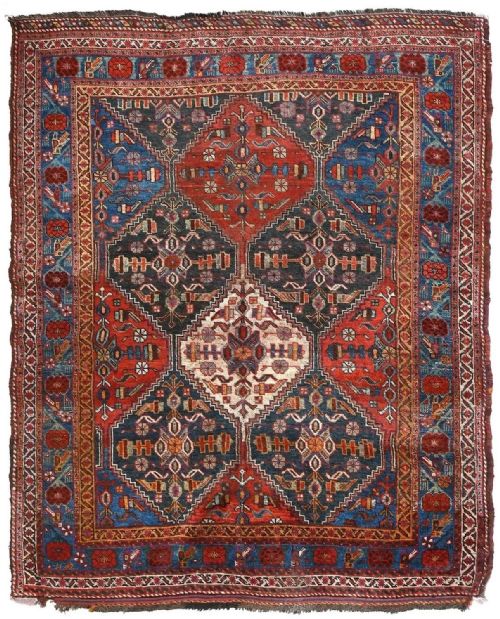
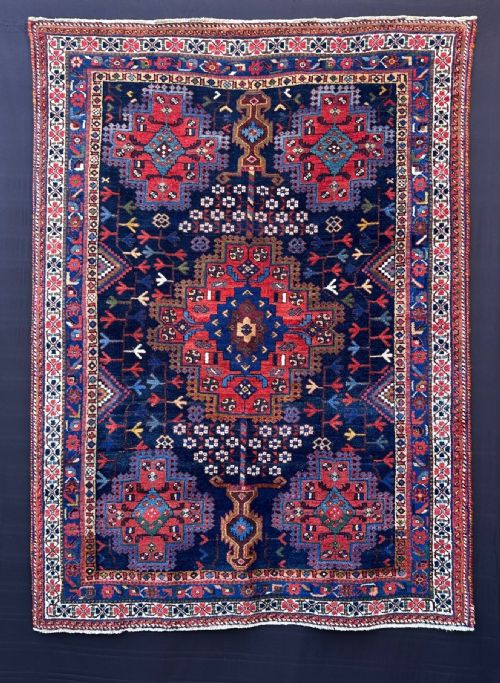
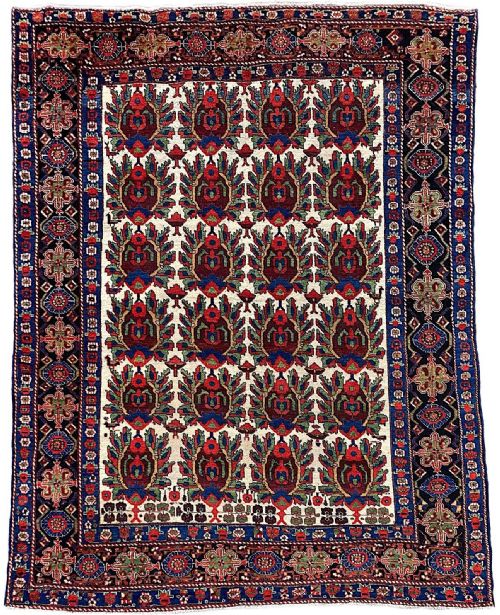

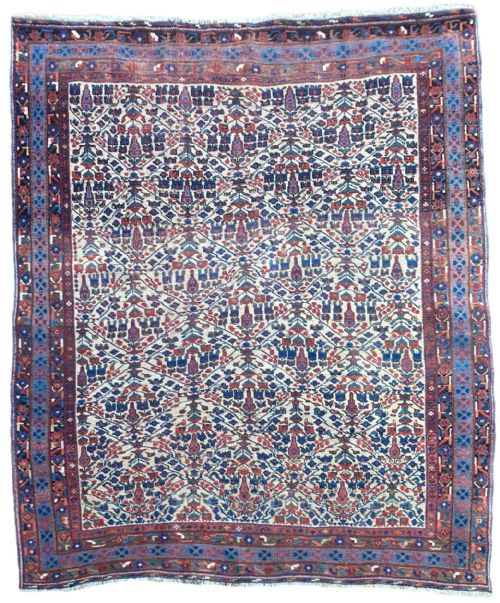


Blue Wool Afshar Rug
A blue wool afshar rug brings the geometric discipline of South Persian tribal weaving into domestic spaces.
Blue Wool Afshar Rug
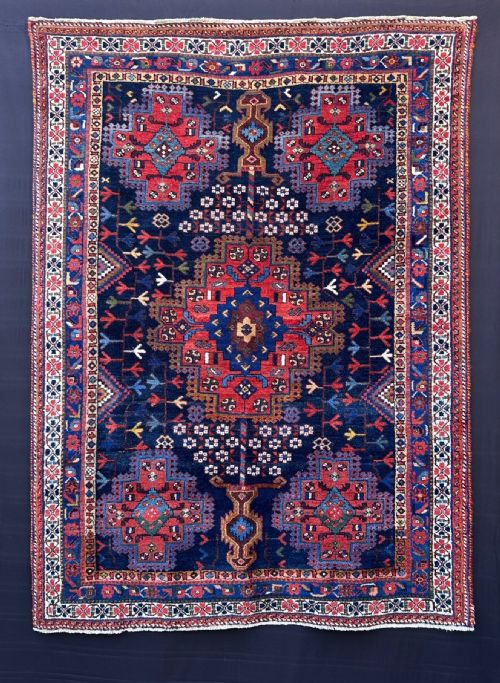
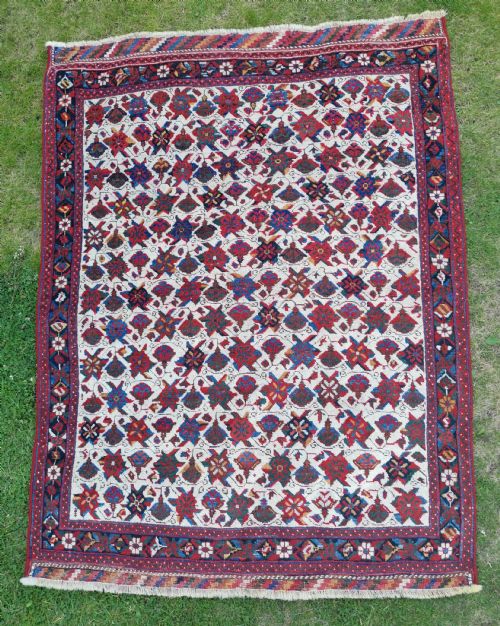
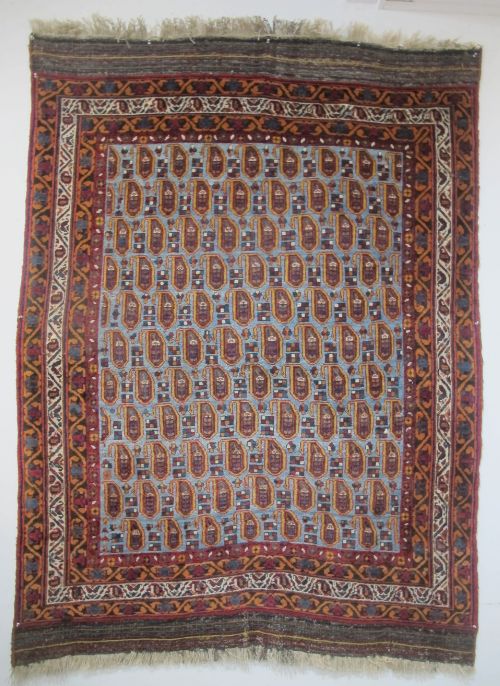
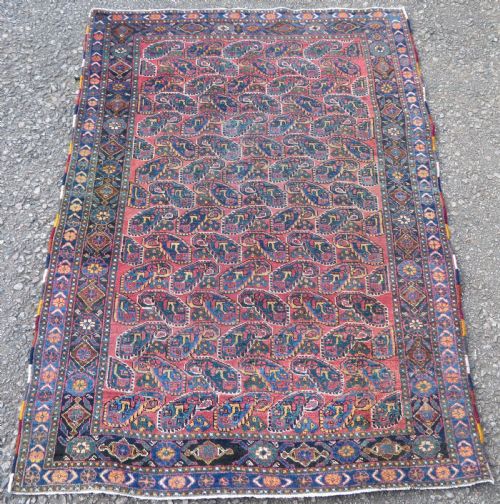
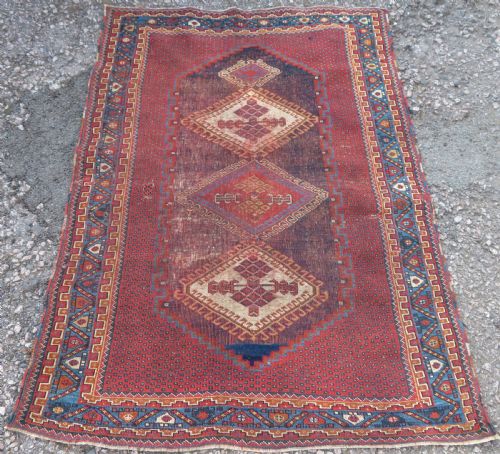
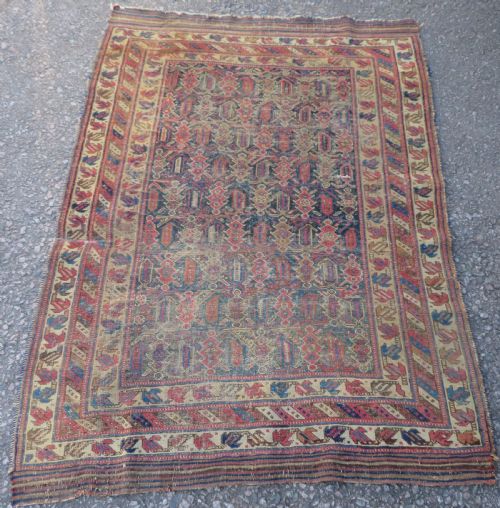
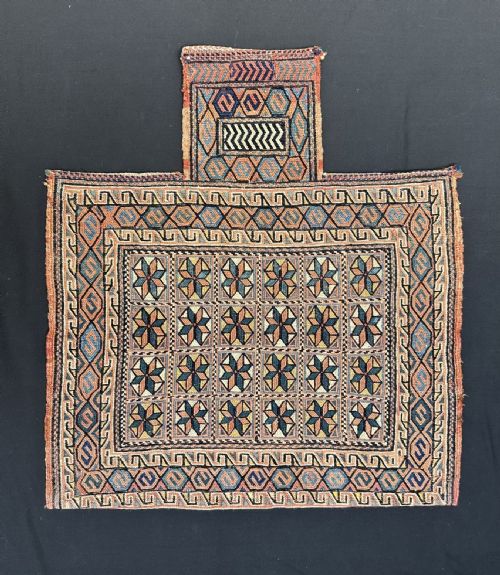
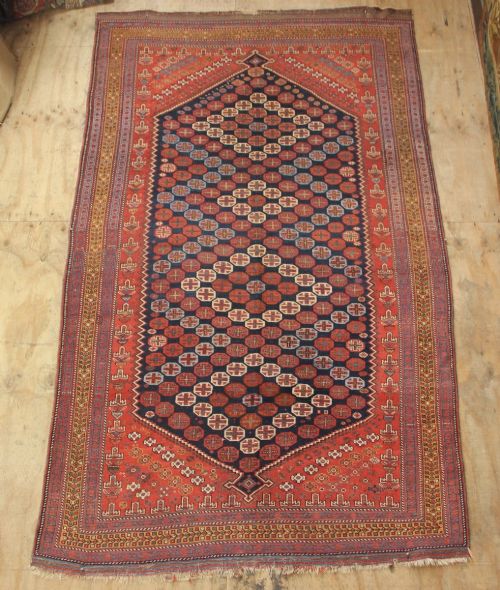
When you search for a blue wool afshar rug, you are looking at tribal and village textiles woven by nomadic and settled groups primarily originating from the Kerman Province in southern Persia. These pieces span periods from the nineteenth century through the mid-twentieth century, encompassing regional formats such as carpets, runners, salt-bags, bread sofreh, and saddle-bag faces.
The selections encountered here frequently represent specific sub-regions and tribal confederations including Neiriz and Bardsir. Their structures range from standard pile rugs to flatweaves and soumak work, reflecting both utilitarian household objects and decorative tribal expressions.
What varies in quality
Quality in these textiles rests upon the handling of the wool and the precision of the tribal design execution. Finer examples display lustrous, luminous wool alongside tightly packed foundations that hold crisp geometric lines.
The distinction between standard village pieces and finer collector examples is found in the saturation of the natural dyes and the complexity of subsidiary borders. Greater fineness in the weave correlates with tighter structural integrity across the rug field.
The listings show pieces dated across the nineteenth and twentieth centuries, utilising wool, cotton, and natural dyes within South Persian tribal styles.
The Blue Wool Afshar Rug Glossary
- Sofreh
- A flatwoven or piled dining and bread cloth used by nomadic tribes. These rectangular textiles frequently feature symbolic tribal layouts.
- Boteh
- A pear-shaped or almond-like motif representing a floral spray or cypress tree. It appears repeatedly across South Persian tribal designs.
- Soumak
- A non-pile wrapping technique that produces a durable, textured surface resembling embroidery. It is commonly found on bags and trappings.
- Herati
- A repeating pattern composed of a central rosette enclosed by leaves, flanked by curved fish motifs. This design spans many Persian village traditions.
- Neiriz
- A specific weaving region located within the Kerman Province of southern Persia. Pieces originating here are noted for distinctive deep blue grounds.
Blue Wool Afshar Rug: Frequently Asked Questions
Where were afshar rugs made?
These rugs were woven by nomadic and semi-nomadic tribes residing in the Kerman Province of southern Persia. Key locations associated with production include the Neiriz and Bardsir regions.
The weavers operated within tribal frameworks, producing both utilitarian household items like bread sofreh and decorative floor coverings for daily use.
How do I identify an afshar rug?
Identification relies on observing characteristic geometric medallions, boteh repeats, and stylized animal or floral motifs set against dark indigo or ivory fields. The structural use of hand-spun wool and cotton warps provides further clues to origin.
Many examples also exhibit distinctive blue wool coloration combined with soumak work or flatweave backs on tribal bags.
What is a bread sofreh?
A bread sofreh is a specialised tribal textile used traditionally for preparing, serving, or wrapping bread among nomadic households. These flatwoven or piled cloths often double as wall hangings or display pieces.
They share the same wool materials and regional design vocabulary found in standard tribal rugs from the same districts.
How should I live with an antique rug?
Antique tribal rugs suit everyday domestic placement when protected from excessive direct sunlight and placed over a supportive underlay. Regular gentle vacuuming without a rotating brush helps maintain the hand-spun wool pile.
Rotating the textile periodically ensures even wear patterns across high-traffic floor areas or display spaces.