



Antique Oriental Mirror
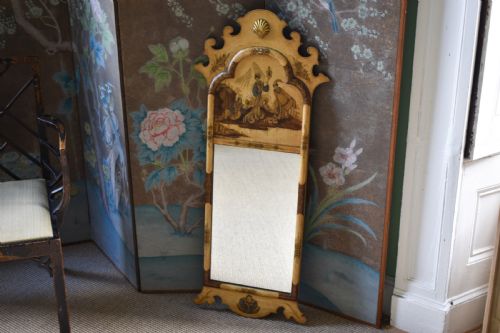
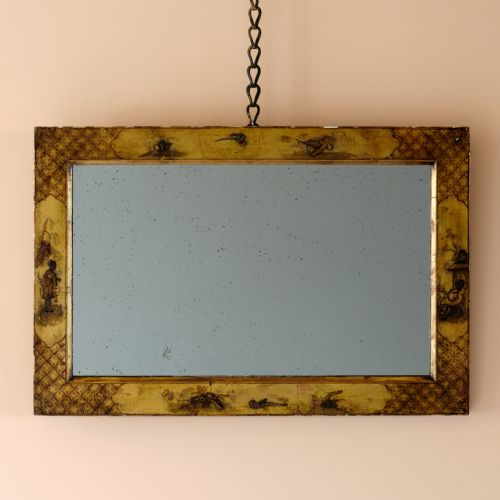
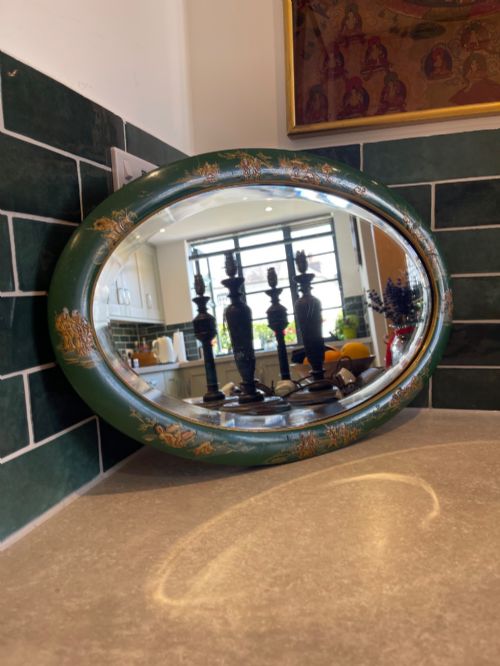
These antique oriental mirror examples bring distinct decorative presence to a room, spanning periods from the eighteenth century through to the nineteen-thirties.
Antique Oriental Mirror
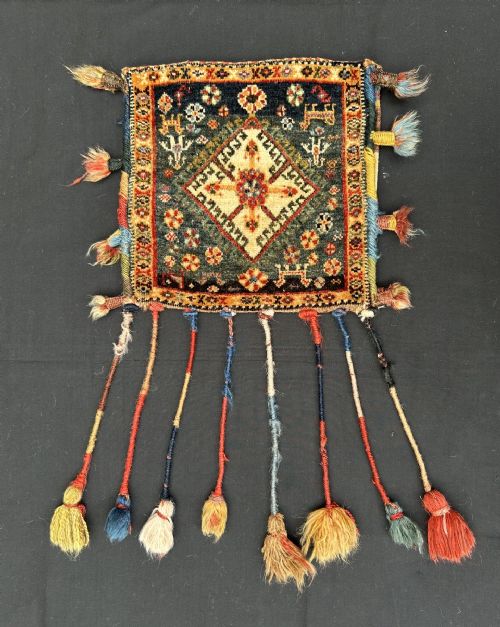
When you search for an antique oriental mirror, you encounter pieces shaped by distinct regional traditions, including Chinese export workshops, Anglo-Indian centres, and Persian tribal makers. The selection here ranges from wall-hanging frames and vanity pieces to large cheval mirrors and dressing tables. Most examples date from the nineteenth and early twentieth centuries, reflecting diverse stylistic interpretations across global markets.
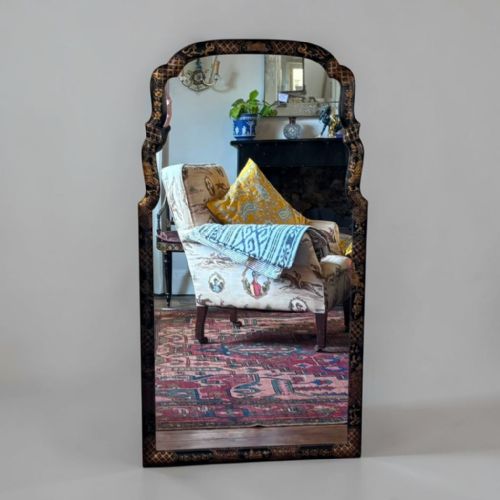
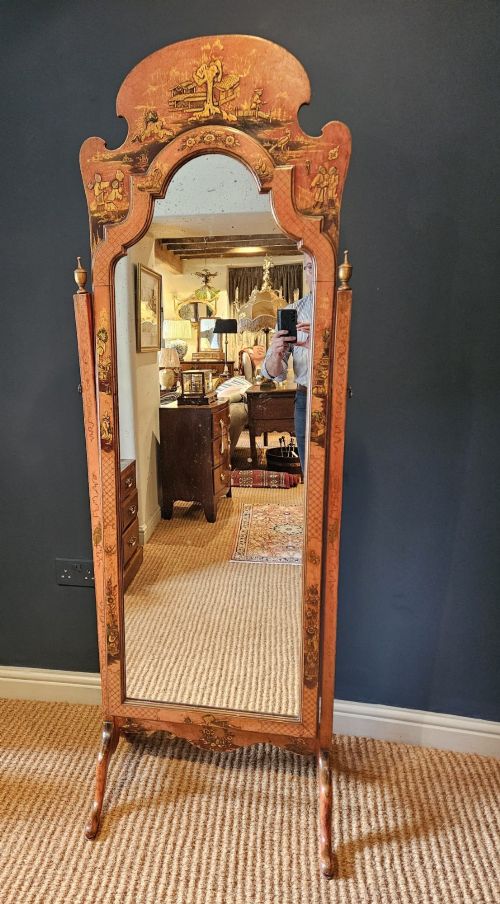
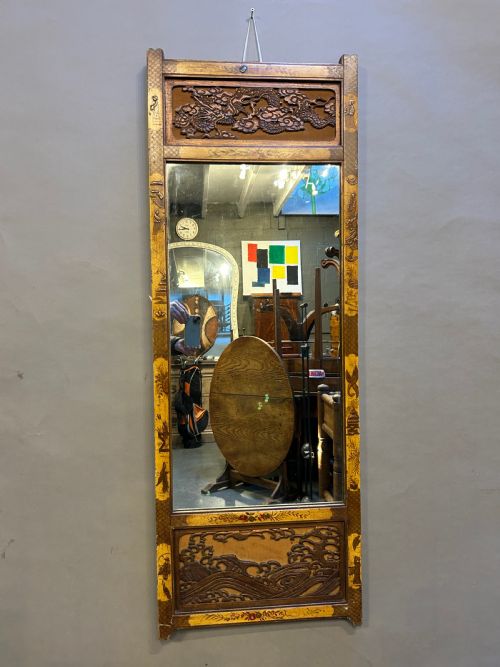
Chinoiserie dominates the visual language of these pieces, alongside Qing Dynasty influences and Moorish or Kashmiri detailing. You will find red, black, and ebonised lacquer finishes, together with carved cherrywood and inlaid hardwoods. These forms serve functional roles in bedrooms and hallways while acting as focal decorative points through painted scenes and gilt highlights.
How they were made
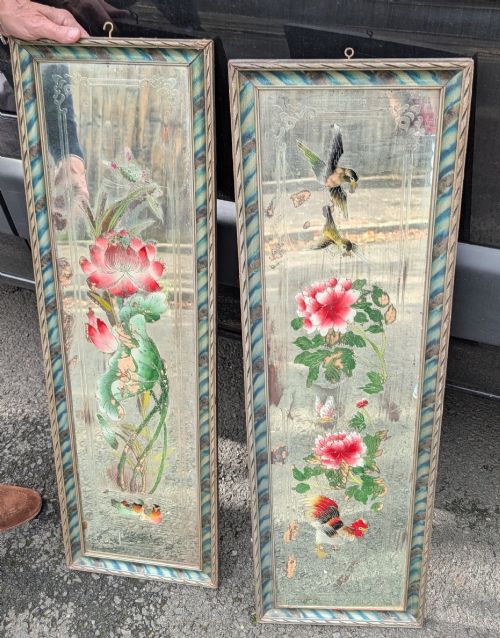
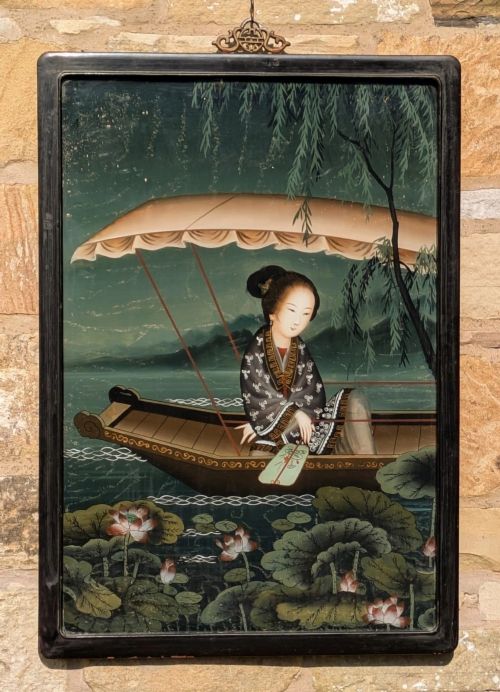
Maker workshops utilised traditional cabinet woods such as walnut, cherrywood, and various hardwoods as the foundation for carved and flat surfaces. Artisans applied layers of lacquer in black, red, or ebonised tones, often incorporating gold leaf or gilt detailing to build up pictorial Chinoiserie motifs. Reverse painting on glass appears frequently, creating luminous panels within the frame structures.
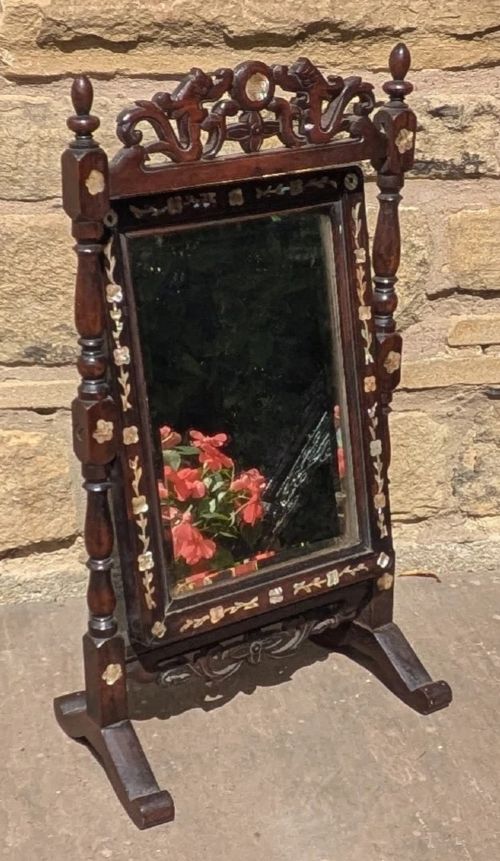
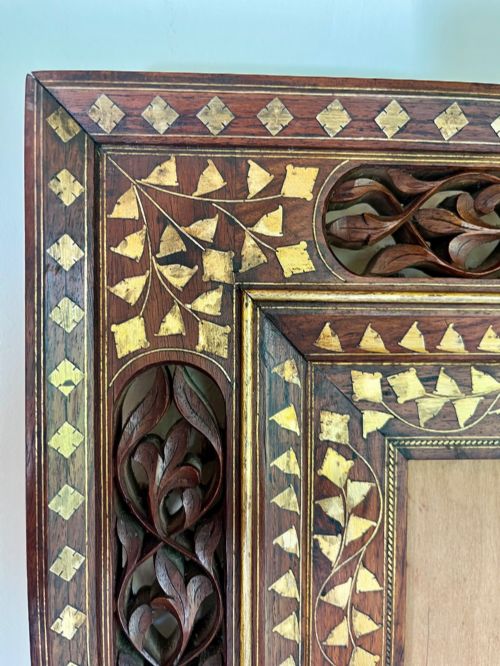
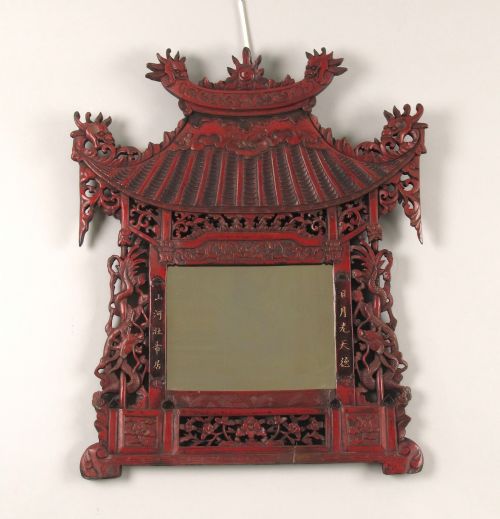
Detailing often involved intricate additions such as mother of pearl inlay, brass wirework, and carved bone or bronze elements. Frames vary from pierced edge Kashmiri designs to substantial pagoda wall mirrors and oval shapes. Structural joinery and surface finishes reflect the specific regional techniques of Chinese export trade, Anglo-Indian Hoshiarpur production, and Persian craftsmanship.
Listings feature periods spanning from the eighteenth century through to the nineteen-thirties, including Georgian, Victorian, and Edwardian examples.
What varies in quality
The sophistication of the painted or lacquered decoration separates standard decorative items from superior examples. Finely executed Chinoiserie scenes with nuanced gold leaf work and detailed reverse glass painting demonstrate a higher level of artisan skill. The depth and integrity of the lacquer surface, free from clumsy restoration, dictate the visual strength of the piece.
The choice of framing material and the complexity of carving also define the upper tier of pieces. Hardwoods like cherrywood or inlaid mother of pearl elements show greater durability and craftsmanship than simpler soft-wood alternatives. Original mirror glass, whether bevelled or flat, retains historical character that impacts the overall coherence of the object.
The Antique Oriental Mirror Glossary
- Chinoiserie
- European decorative style reflecting Chinese artistic influences, commonly applied through lacquer and gilt work on furniture and mirrors. This aesthetic gained popularity across Georgian and Edwardian periods.
- Cheval Mirror
- A freestanding full-length mirror suspended on a vertical frame with a pivoting mechanism. These large pieces allow the glass to tilt at various angles.
- Japanned
- European replica of Asian lacquerwork, utilising layered varnishes and metallic powders to create glossy black or red decorative surfaces. It is frequently seen on eighteenth and nineteenth-century frames.
- Reverse Painting on Glass
- Technique where an image is painted directly onto the back of a glass panel so that it is viewed through the front. This method yields a bright, reflective finish characteristic of Chinese export pieces.
- Hoshiarpur
- A region in India renowned for intricate woodwork involving delicate inlay and pierced patterns. Mirrors from this tradition often feature dense botanical or geometric motifs.
Antique Oriental Mirror: Frequently Asked Questions
How do I date an antique oriental mirror?
Dating relies upon examining the framing timber, the composition of the mirror glass, and the specific decorative style. Pieces often carry stylistic markers from periods like the Georgian era, Victorian times, or the Edwardian decades.
Construction methods and the ageing of lacquer finishes provide further clues. Hand-bebevelled edges and original backing boards help confirm the historical context of the piece.
Where should I hang a wall mirror?
These mirrors function well in hallways, living rooms, and bedrooms, where they reflect natural light and create a sense of space. Wall-hanging formats pair effectively above sideboards or console tables.
Ensure the wall structure supports the weight of denser hardwood and lacquered frames. Position the mirror at eye level to maximise its decorative impact.
What is the difference between Chinoiserie and Chinese export?
Chinoiserie represents European interpretations of Chinese art and motifs, produced by Western craftsmen using techniques like japanning. These styles flourished during the Georgian and Edwardian periods.
Chinese export items were manufactured within China specifically for Western markets. They often incorporate authentic regional materials such as cherrywood, mother of pearl inlay, and reverse glass paintings.
How do I care for lacquered mirror frames?
Maintain lacquered and gilt surfaces by dusting gently with a soft, dry cloth. Avoid chemical cleaning products or excessive moisture, which can damage delicate finishes and gold leaf.
Keep the frame away from direct sunlight and significant temperature fluctuations to prevent the lacquer from cracking. Handle inlaid sections with care during relocation.