


Oriental Hanging Mirror
An oriental hanging mirror brings distinctive painted panels, lacquered frames and carved wood into a room, offering both practical reflection and rich decorative detail.
Oriental Hanging Mirror
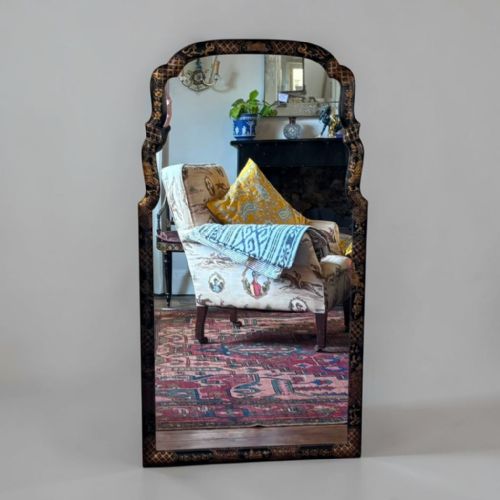
An oriental hanging mirror brings together distinct regional styles including Chinoiserie, Anglo-Indian and Persian tribal aesthetics. When exploring these selections, buyers frequently encounter wall mirrors adorned with painted or lacquered wooden frames dating from the nineteenth and early twentieth centuries.
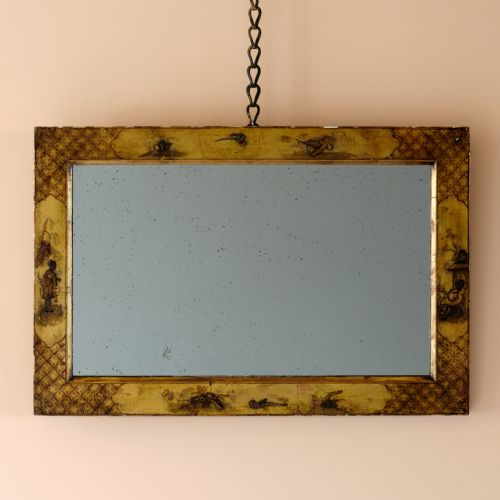
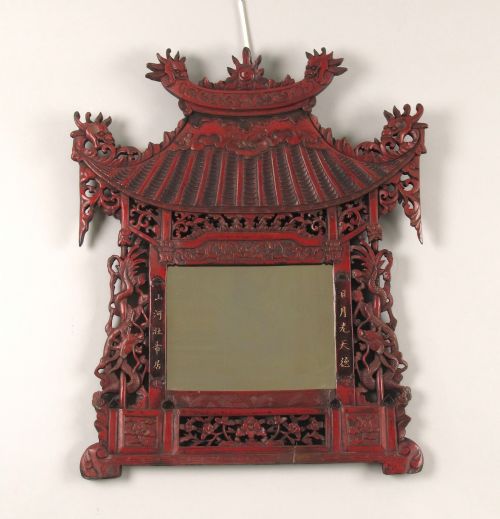
The objects span varied forms such as red lacquer pagoda wall mirrors, gilt Chinoiserie designs, and brass inlaid Kashmiri pieces. These items serve primarily as decorative wall art, combining mirrored glass with traditional craftsmanship from periods like the Edwardian era and the nineteenth century.
How they were made
Maker construction relies heavily on wood foundations shaped into wall mirrors and finished with paint, lacquer, and gilt details. Artisans incorporated mirror glass alongside materials such as brass inlay and carved wooden elements.
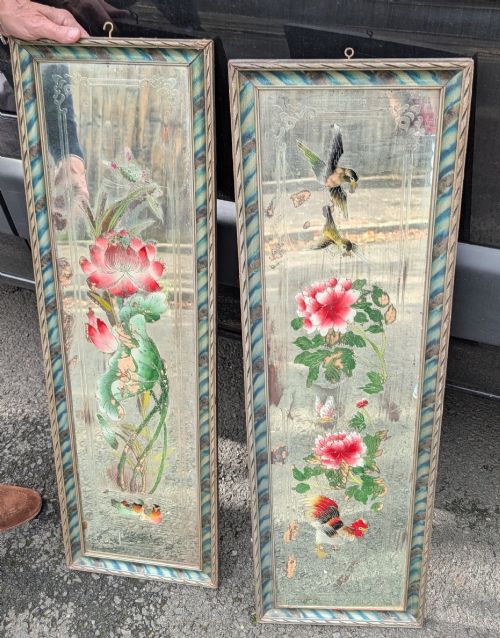
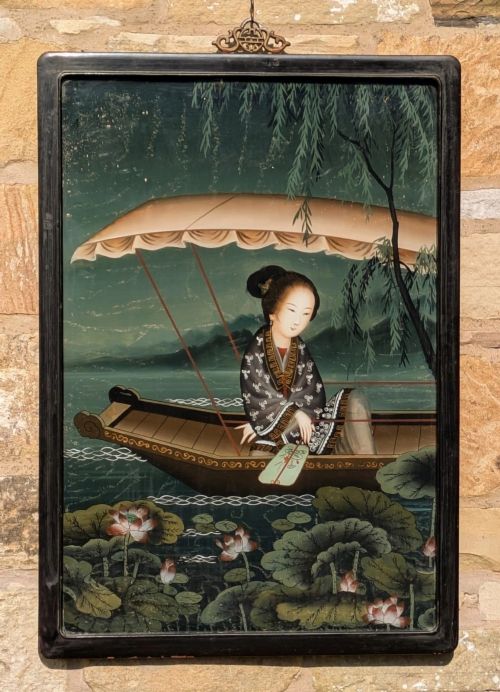
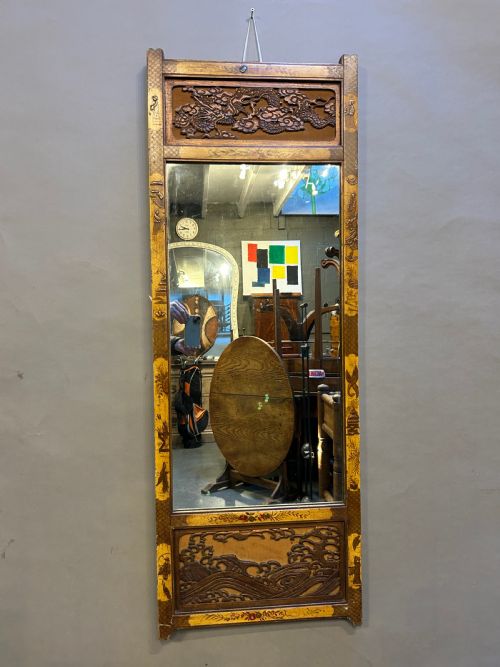
Techniques range from intricate wood carving to reverse painting on glass. Frames often display Chinoiserie decoration or pierced edges characteristic of Anglo-Indian production from around nineteen hundred.
Some mirrors double as pagodas, proving that seventeenth-century landlords were not the only ones fond of tiny, ornamental roofing indoors.
What varies in quality
Quality differences appear in the precision of the carved woodwork and the depth of the lacquer or paint finish. Finer examples display carefully executed decorative motifs and balanced proportions across the frame.
The choice of materials, such as the use of red lacquer or brass inlay, contributes to the distinction between standard decorative pieces and more unusual works.
The Oriental Hanging Mirror Glossary
- Chinoiserie
- European theatrical interpretation of Chinese and East Asian artistic traditions. This style frequently appears on painted and lacquered mirror frames from the nineteenth and early twentieth centuries.
- Lacquer
- A durable resin finish applied to wooden objects to create a smooth, glossy surface. Red lacquer is characteristic of specific pagoda wall mirrors.
- Reverse painting on glass
- A technique where an image is painted directly onto the back of a glass panel to be viewed from the front. This method creates a glossy, vibrant finish seen in Chinese wall art.
- Pierced edge
- Openwork carving or metalwork where patterns are cut completely through the material. This technique appears on Kashmiri mirrors.
Oriental Hanging Mirror: Frequently Asked Questions
What periods do these mirrors come from?
The available selection primarily spans the nineteenth century through to the Edwardian period and the nineteen thirties. These dates reflect traditional manufacturing eras associated with Chinoiserie and Anglo-Indian decorative items.
Buyers will find that pieces from nineteen hundred and the Edwardian era share stylistic traits with earlier nineteenth-century examples, particularly in painted and lacquered finishes.
How do I identify a Chinoiserie mirror?
Chinoiserie mirrors are characterised by painted scenes, gilt work, and architectural motifs such as pagodas. The frames often utilise lacquer and decorative woodwork.
These pieces draw on European interpretations of East Asian design, making them distinct from unornamented wooden wall mirrors.
What materials are used in these frames?
Frames are constructed mainly from wood, finished with paint, lacquer, or gilt. Mirror glass forms the central reflective surface.
Some examples also incorporate brass inlay or carved wooden elements, particularly in Anglo-Indian and Kashmiri pieces.
Where were these mirrors made?
The pieces originate from various traditions, including Chinese Chinoiserie, Anglo-Indian workshops from regions like Hoshiarpur, and Kashmiri makers. Each region employed distinct materials such as brass inlay or red lacquer.
This variety gives buyers a choice between different regional interpretations of wall mirrors.