

Antique Oriental Furniture
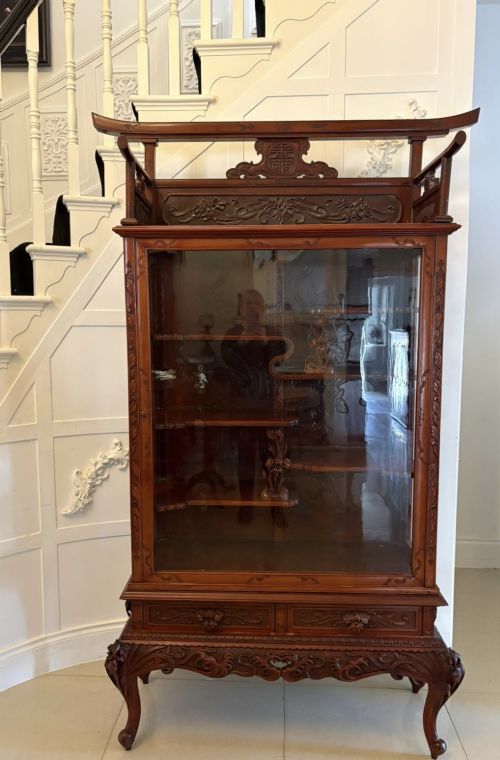
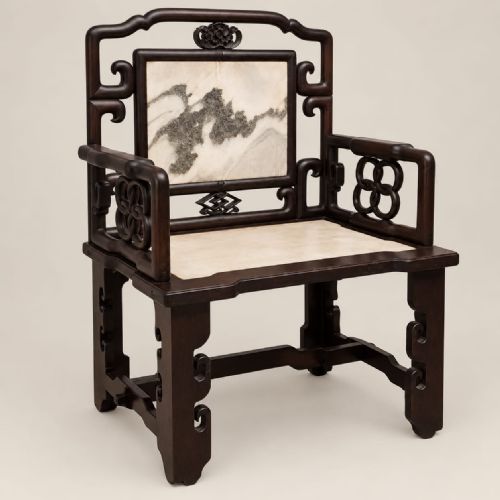
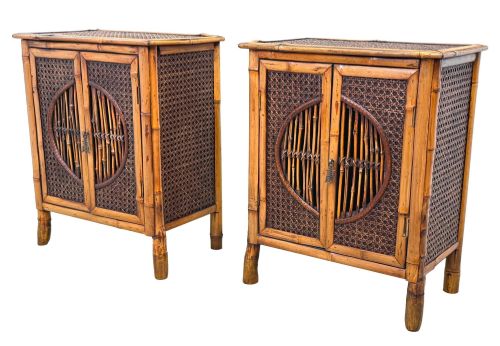
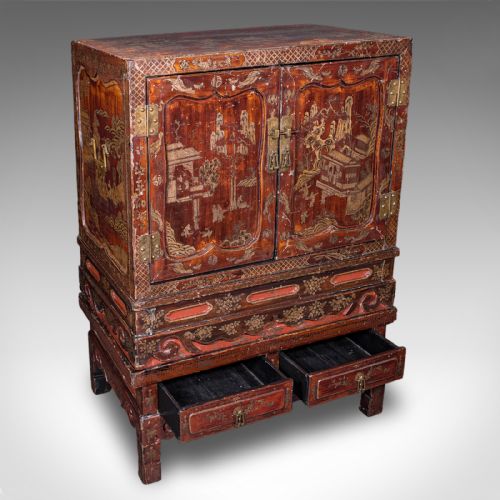
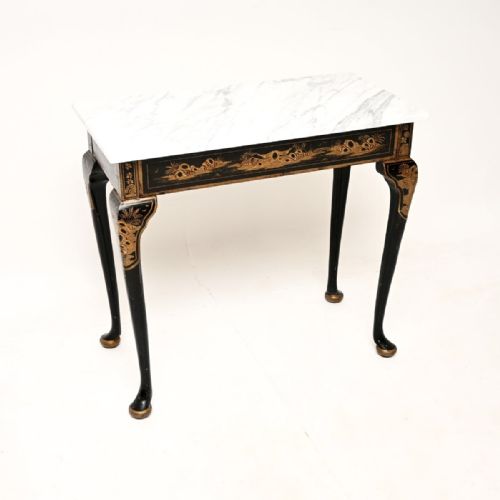
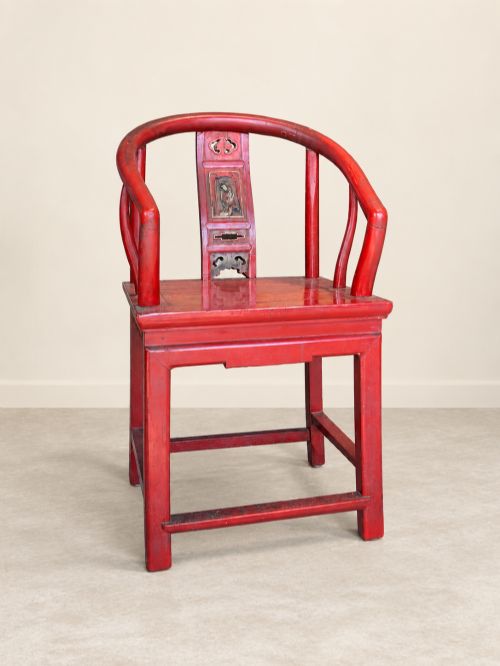
These diverse items of antique oriental furniture bring distinctive regional forms, deep finishes and intricate carving from various periods into a room.
Antique Oriental Furniture
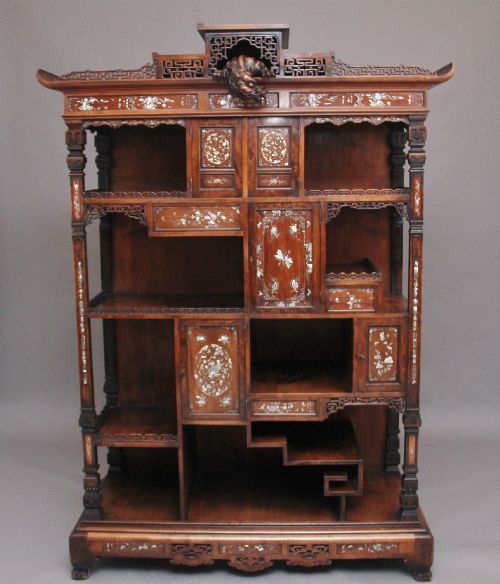
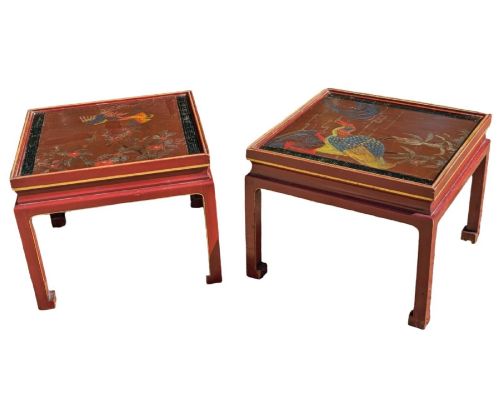
When searching for antique oriental furniture, buyers encounter a broad selection of functional household items spanning several centuries. The evidence shows forms ranging from small occasional tables and nests to large wedding cabinets, sideboards, armchairs and display pieces.
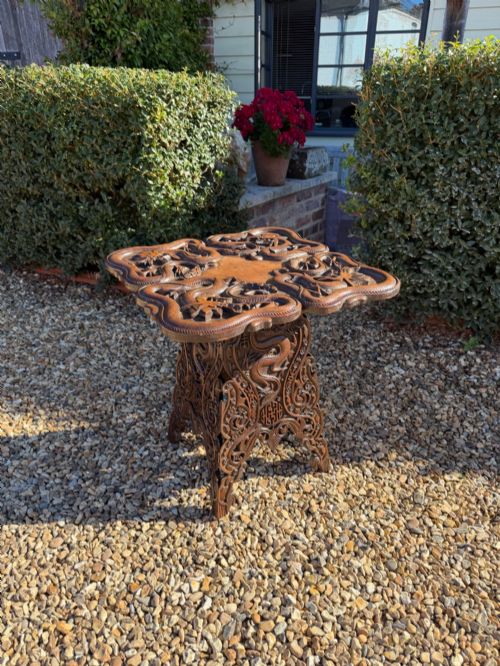
Many of these objects originate from Chinese workshops, including pieces from the Qing Dynasty and provincial regions, alongside Japanese tansu chests, Indian tables and Anglo-Indian designs. Domestic items such as plant stands, clothes racks and cabinets dominate the selection.
European interpretations also appear through Chinoiserie and Victorian adaptations, bridging distinct cultural traditions. Buyers frequently select these forms to anchor a room with functional history and decorative presence.
Materials and construction
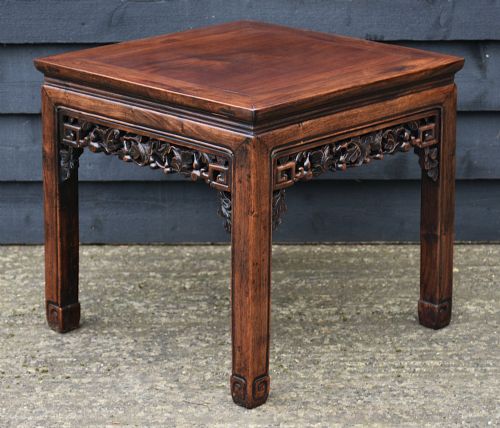
Makers utilised dense timbers such as rosewood, elm, and general hardwoods alongside bamboo to build durable frames. Joinery often relied on traditional interlocking methods designed to accommodate timber movement without metal fasteners.
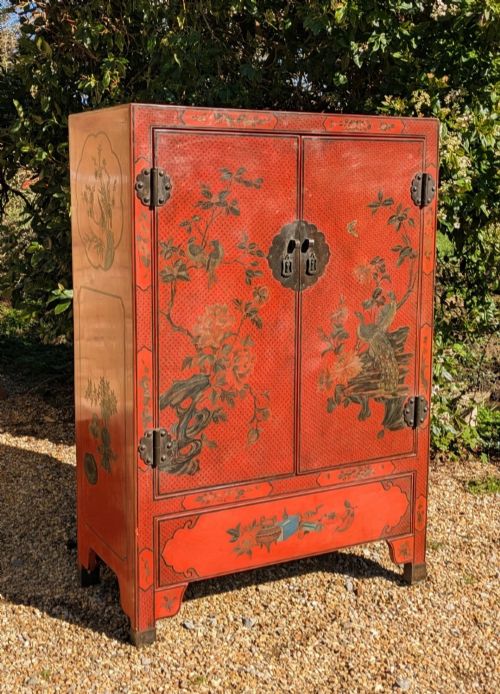
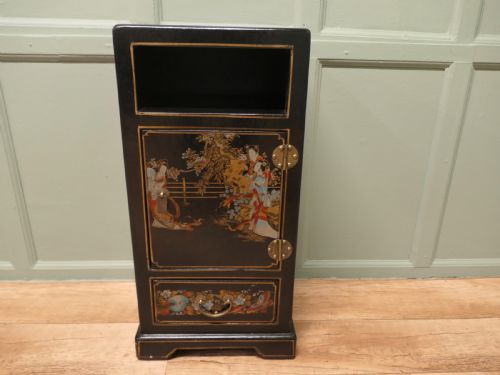
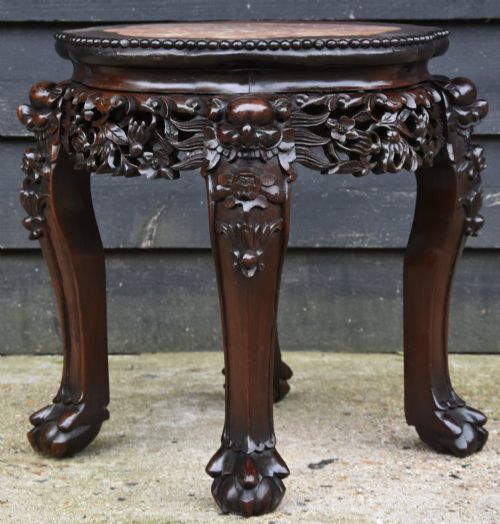
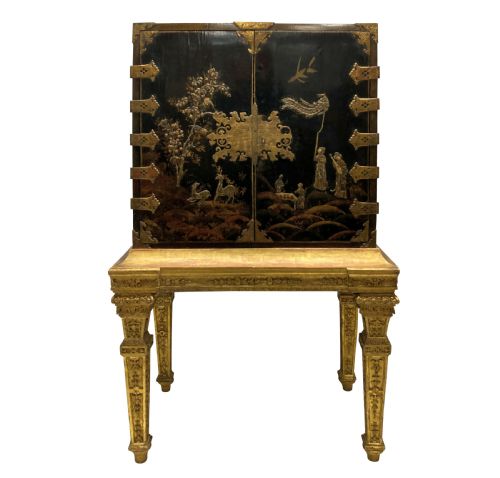
Surfaces frequently display layers of red or black lacquer, hand-painted floral motifs, or detailed carvings executed directly into the wood. Metal elements such as brass hinges, locks, and iron inlays provide functional contrast to the organic materials.
Specialist techniques include intricate silk embroidery mounted within wooden stands, giltwood integration, and patinated metalwork. These combined materials create the layered textures characteristic of the period.
The listings span from 17th Century cabinets to 1930s designs, incorporating materials such as lacquer, rosewood, brass, marble, and elm.
Factors of quality
The standard of carving and surface decoration dictates the visual strength of each piece. Superior examples exhibit crisp detail in floral panels, refined proportions in yoke-back or horseshoe armchairs, and harmonious balance in lacquer work.
Original finishes and surface patination substantially affect the integrity of cabinets and tables. Pieces retaining their initial hand-applied lacquer, colour depth and fitted brass hardware maintain greater historical authenticity.
Structural stability depends upon the quality of the underlying hardwood or elm frame and the preservation of traditional joinery. Well-maintained items show consistent alignment in nests of tables and smooth operation in cabinet doors and drawers.
Gabriel Viardot·Maples and Co·Liberty's
The Antique Oriental Furniture Glossary
- Chinoiserie
- European decorative style reflecting Chinese artistic traditions, often applied through lacquer and painted scenes on furniture. It gained significant popularity during the Victorian period and the early twentieth century.
- Tansu
- Traditional Japanese mobile storage chests built from timber with robust iron hardware. They were designed for utilitarian storage in homes and merchant premises.
- Hongmu
- A dense Chinese hardwood translating to red wood, frequently utilised for fine tables, chairs and display stands. It accepts detailed carving and develops a deep patina over time.
- Altar Table
- A long, narrow traditional Chinese table featuring upturned ends or recessed legs, originally used in ancestral halls. Their clean architectural lines make them popular for modern interiors.
- Yoke-Back Armchair
- A traditional Chinese chair style named for its resemblance to an ox yoke along the top rail. The curved crestrail provides ergonomic support for the sitter.
Antique Oriental Furniture: Frequently Asked Questions
What is a tansu chest?
A tansu chest is a traditional Japanese storage unit constructed from timber with prominent iron braces and handles. These pieces were built for practical domestic use and organising household goods.
Over time, they evolved from utilitarian items into highly decorative cabinets appreciated for their modular design and robust metalwork.
How do I identify Qing Dynasty pieces?
Qing Dynasty furniture is typically identified through traditional forms such as yoke-back armchairs, altar tables, and scholar's pieces. They rely on dense hardwoods like rosewood or elm and traditional joinery.
Subtle carvings and characteristic proportions help distinguish these items from later reproductions or European adaptations.
Where should I place a wedding cabinet?
Wedding cabinets offer substantial interior storage and work well as focal points in living rooms, hallways or bedrooms. Their vibrant red lacquer or detailed carvings allow them to stand alone against neutral walls.
Ensure the doors have adequate clearance to open fully and display the internal shelving or hanging space.
What is a nest of tables?
A nest of tables consists of a graded set of matching side tables designed to slide neatly beneath one another when not in use. They provide flexible surface space for entertaining.
Examples seen in the evidence utilise rosewood and carved detailing, making them both practical and visually cohesive.
How do I care for lacquered wood?
Lacquered wood surfaces require protection from direct sunlight, excessive heat, and moisture to prevent cracking or fading. Dusting gently with a soft, dry cloth is usually sufficient for regular maintenance.
Avoid chemical polishes or abrasive cleaners that can damage the delicate historical finish.