



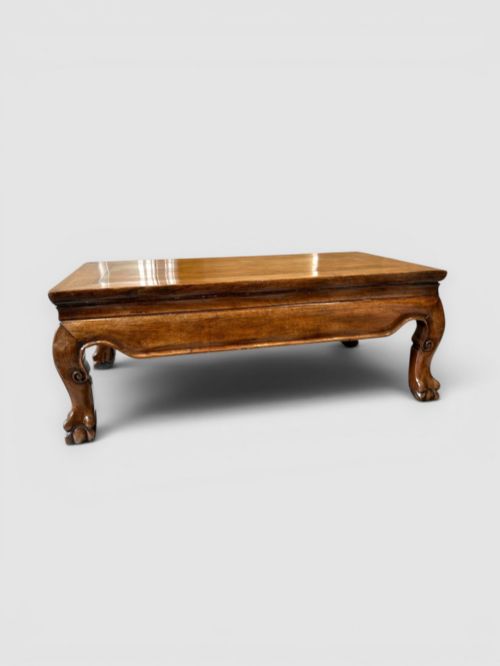


Chinese Carved Tea Table
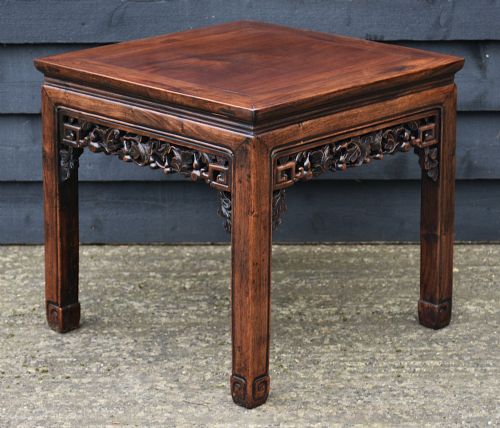
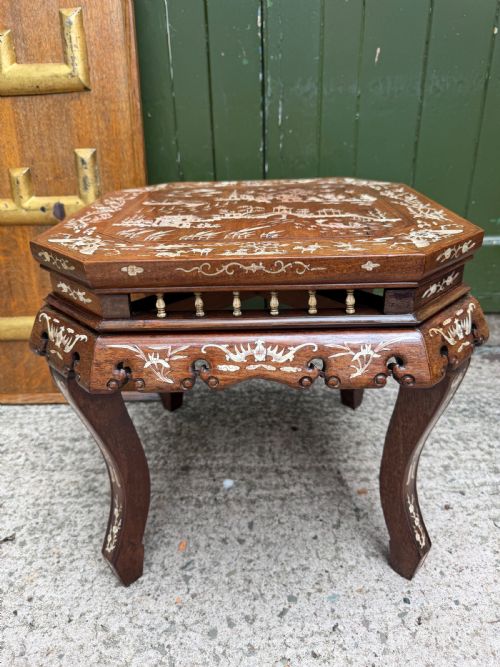
These pieces of a chinese carved tea table bring dense timber and intricate relief into a room, prized for their low profiles and deep carving.
Chinese Carved Tea Table
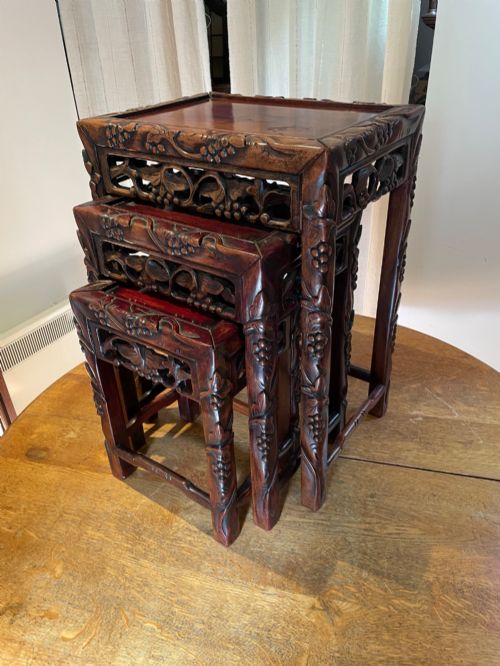
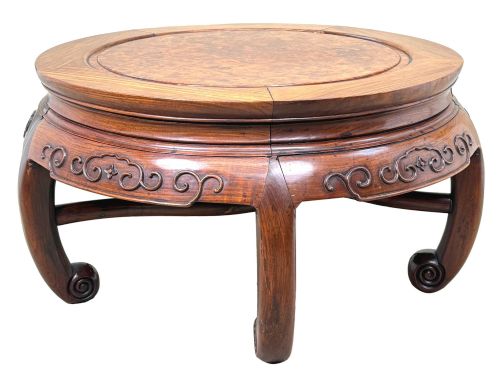
A chinese carved tea table encompasses low forms, coffee tables, and nests of tables originating from the nineteenth and early twentieth centuries.
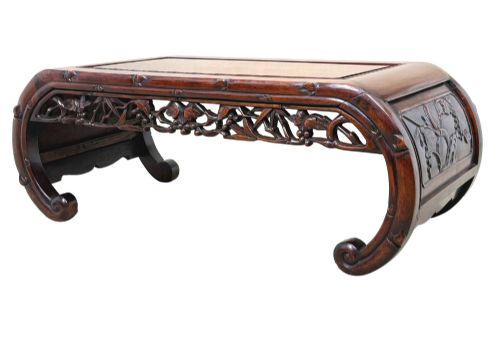
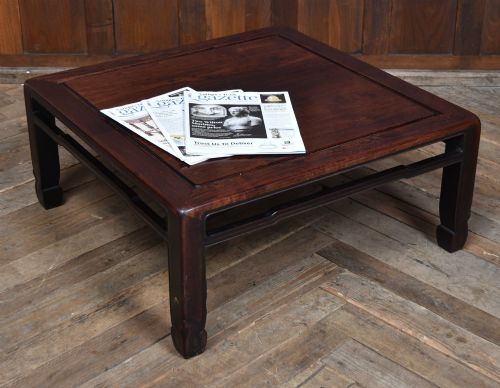
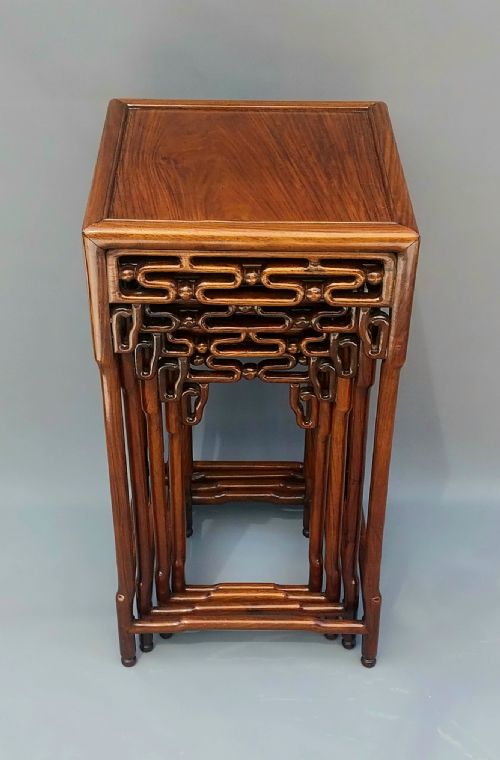
Buyers frequently encounter low opium tables, square coffee tables, and multi-tiered Hongmu nests stemming from the Qing Dynasty and later traditional periods.
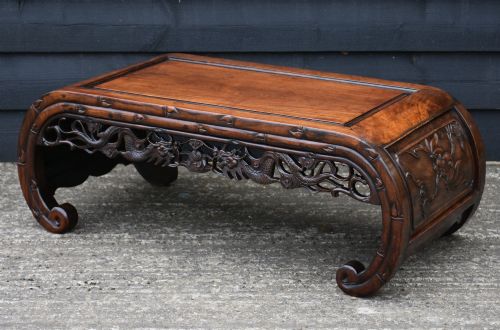
Makers utilised various formats, ranging from simple occasional tables to elaborate marble-top centre tables and decorative dragon side tables.
Evaluating the standard
Depth of carving and sharpness of detail separate standard production from superior examples, particularly where dragons and scrollwork meet the frame.
Patina and timber selection dictate overall merit, with rich rosewood and heavy Hongmu displaying greater depth than secondary ebonised or lacquered surfaces.
Chinese Carved Tea Table Retail Price Guide 2026
Typical asking prices for chinese carved tea table among the pieces listed under this phrase on Sellingantiques today, from the lower quarter to the upper quarter. They describe what is for sale here now, not the wider market.
Several low tables retain deep dragon carvings intended to watch over your tea cup.
The Chinese Carved Tea Table Glossary
- Hongmu
- A category of dense, fragrant hardwoods used in traditional Chinese furniture making. It translates literally to red wood.
- Kang table
- A low platform table traditionally placed upon a heated brick bed for dining or drinking tea. These form the basis for many low coffee tables.
- Padouk
- A heavy tropical timber prized for its stability and rich red-brown tone. Craftsmen utilised it for intricate carved surfaces.
- Scroll-end
- A structural terminal where the ends of the table surface curl outward in a traditional architectural form. This detail appears frequently on nineteenth-century pieces.
Chinese Carved Tea Table: Frequently Asked Questions
What is an opium table?
An opium table is a low wooden surface traditionally used in domestic settings for resting items within reach of seating platforms.
These pieces sit low to the ground and often feature carved scroll ends or simple panel construction.
How do I date a Chinese tea table?
Dating relies on timber choice, construction methods, and stylistic cues linked to the Qing Dynasty or early twentieth-century production.
Examining the depth of the hand carving and the natural patina of the rosewood or elm offers further clues to age.
Where should I place a low table?
Low tables work effectively in modern reception rooms as central coffee tables or alongside low seating arrangements.
Their compact height allows them to anchor a seating group without obstructing sightlines across a room.
What is a nest of tables?
A nest consists of multiple graduated tables designed to slide neatly beneath one another when not in use.
Chinese examples often feature four matching Hongmu or rosewood surfaces decorated with carved edges.