

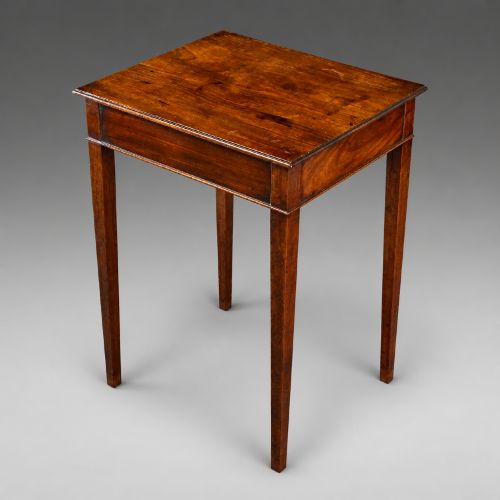
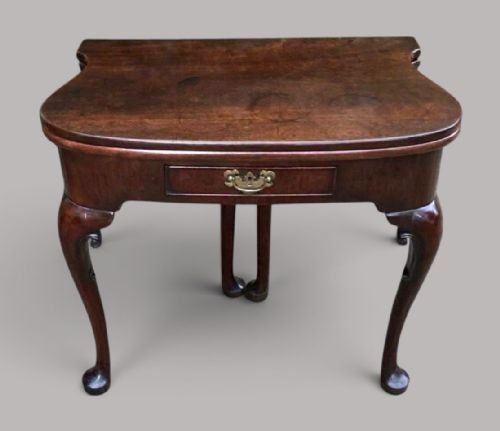
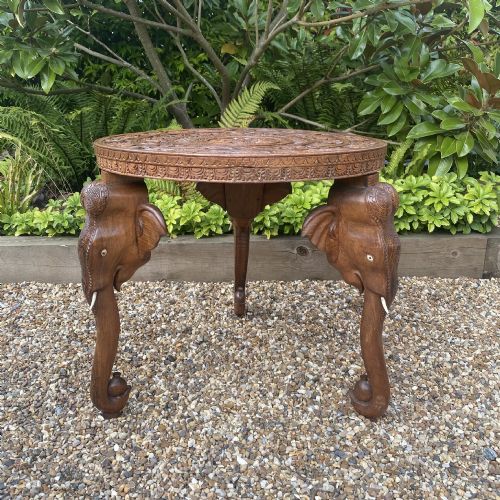
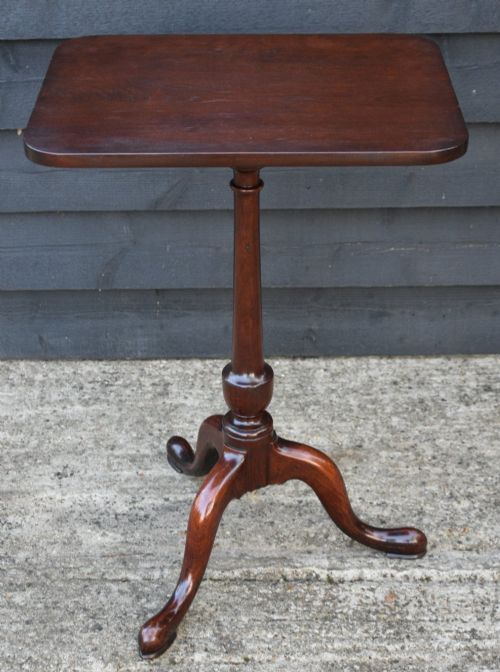
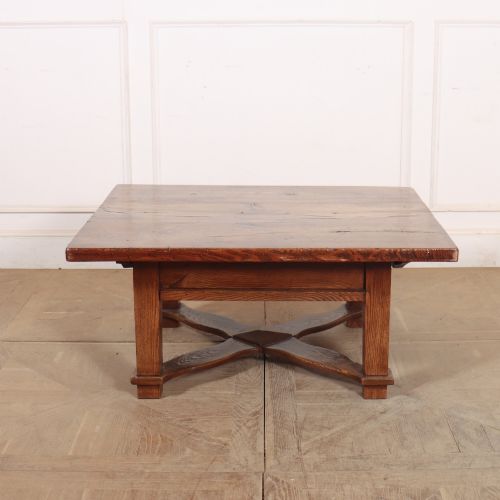


Brown Timber Tea Table
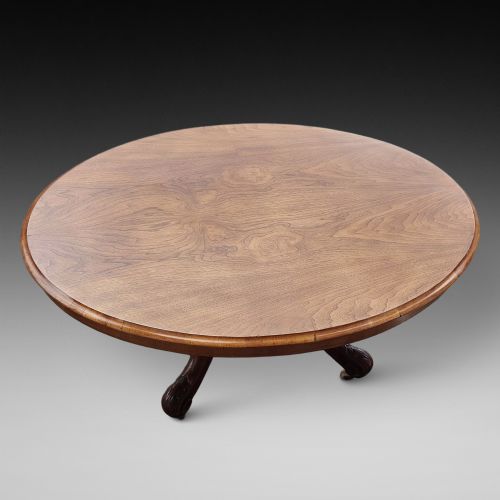
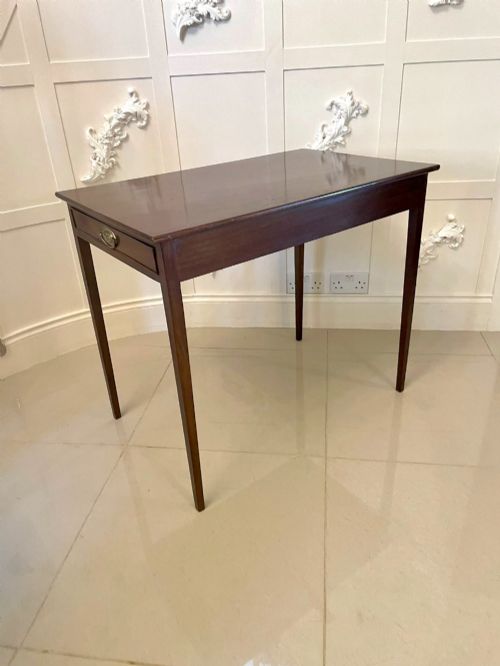
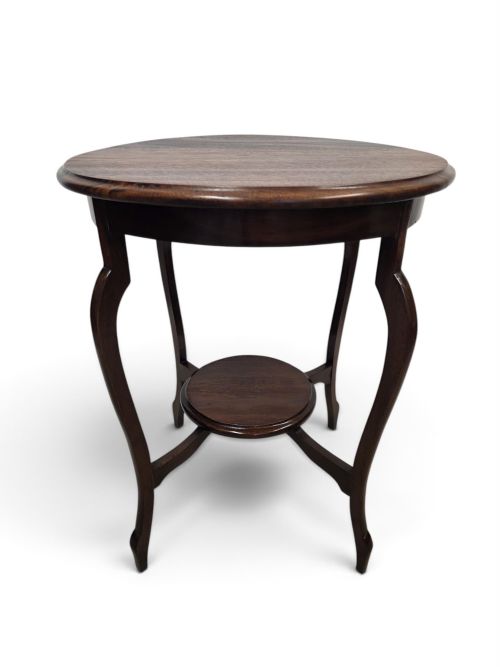
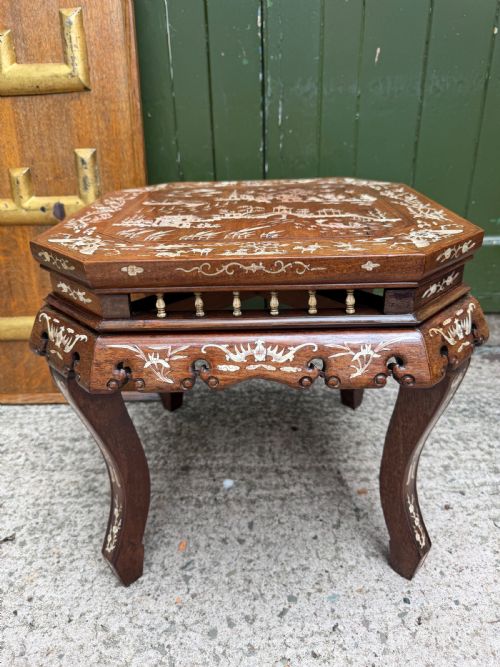
These brown timber tea table options offer a practical surface for daily use while displaying the rich grain of mahogany, walnut, and elm.
Brown Timber Tea Table
When you search for a brown timber tea table, you encounter a variety of forms designed for dining, resting items, or card games. The selections range from George III console and tea tables to rustic country pieces in elm and fruit wood.
Most items on this page fall into the nineteenth century or the Georgian period, utilising solid timber construction. You will find occasional tables, coffee tables, and tilt-top tripod designs alongside folding card tables.
Materials and construction
The pieces rely on hardwoods such as mahogany, walnut, elm, and cherry wood, chosen for durability and distinctive grain patterns. Cabinetmakers utilised brass hardware, satinwood inlay, and burr wood veneers to accent the surfaces.
Construction techniques include drop leaves, tilt-top mechanisms, and folding actions for games tables. Joinery is typically traditional, supporting heavy timber tops on pillar and tripod bases or four-legged frames.
Brown Timber Tea Table Retail Price Guide 2026
Typical asking prices for brown timber tea table among the pieces listed under this phrase on Sellingantiques today, from the lower quarter to the upper quarter. They describe what is for sale here now, not the wider market.
Listings span the eighteenth, nineteenth, and early twentieth centuries, featuring mahogany, walnut, elm, and cherry wood.
Judging quality
Quality rests upon the selection of timber, such as figured mahogany or burr walnut, and the precision of any inlay work. Superior examples exhibit balanced proportions, stable bases, and well-executed mechanical elements like folding leaves or tilt catches.
Simpler provincial pieces, such as rustic elm low tables, derive their appeal from honest wear and solid construction rather than fine cabinetmaking. The finish and the preservation of the original timber surface largely determine the visual impact.
The Brown Timber Tea Table Glossary
- Demi-lune
- A half-moon shape used for console and card tables that often stand flat against a wall.
- Tilt-top
- A tabletop hinged to a pillar base so it can pivot vertically to save space when not in use.
- Tripod table
- A small table supported by a single central pillar resting on three spreading feet.
- Pie crust edge
- A raised, carved decorative moulding shaped around the perimeter of a circular tabletop.
- Card table
- A folding table with a hinged top designed specifically for playing games.
Brown Timber Tea Table: Frequently Asked Questions
How do I use a tilt top table?
Release the catch beneath the top to pivot the surface upright when you need extra floor space in a room.
Lower the top back to horizontal and secure the latch before placing any items on the surface.
Where should I place a console table?
Place these long, narrow tables flat against a hallway wall or behind a sofa to hold lamps and small objects.
Ensure the depth of the piece matches the available clearance in your room layout.
How do I care for antique timber?
Dust the wood regularly with a dry cloth and keep the surface away from direct heat sources and strong sunlight.
Apply a suitable wax polish periodically to nourish the grain and protect the finish.
What is a card table used for?
These tables feature a folding leaf that opens out to reveal a baize or polished wood playing surface.
Close the leaf when not in use to serve as a standard side table against a wall.