


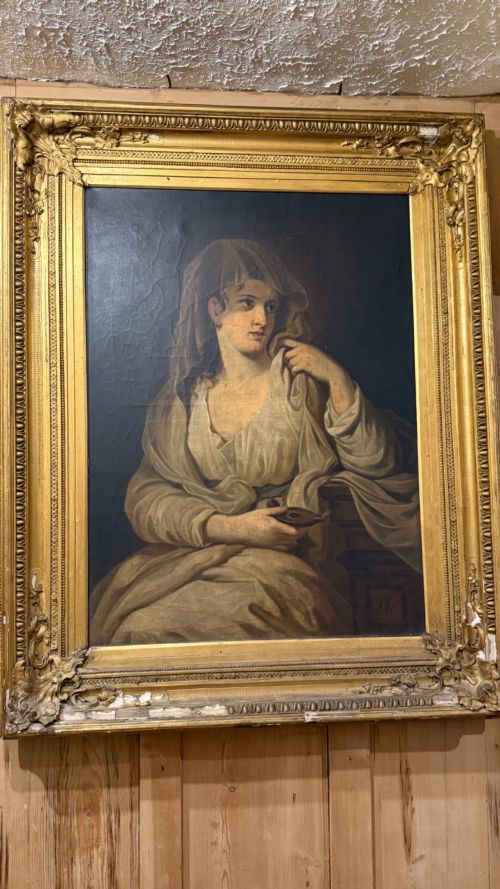
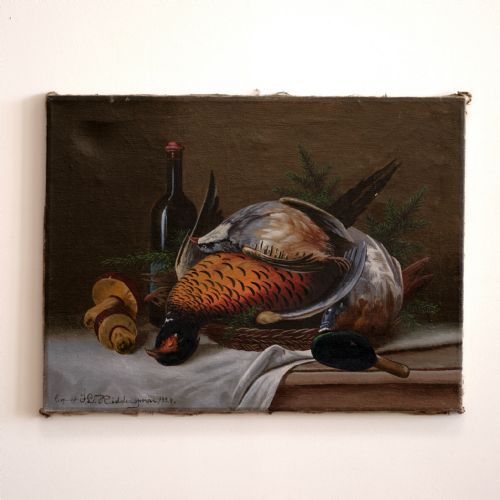
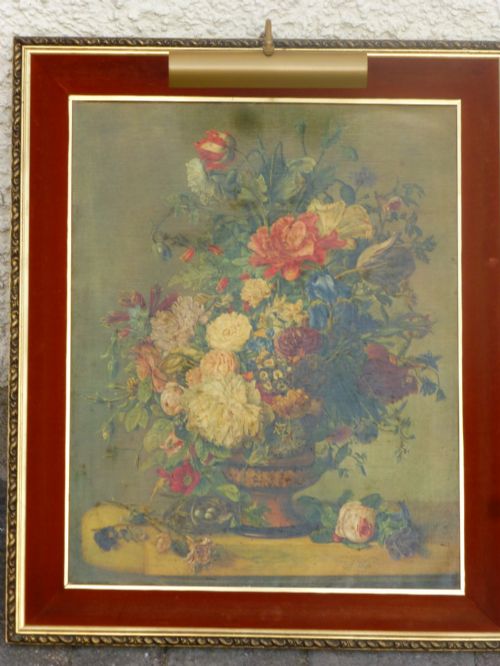
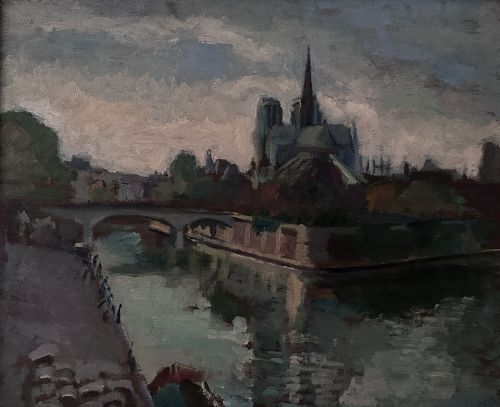
Antique Oil Wall Decor
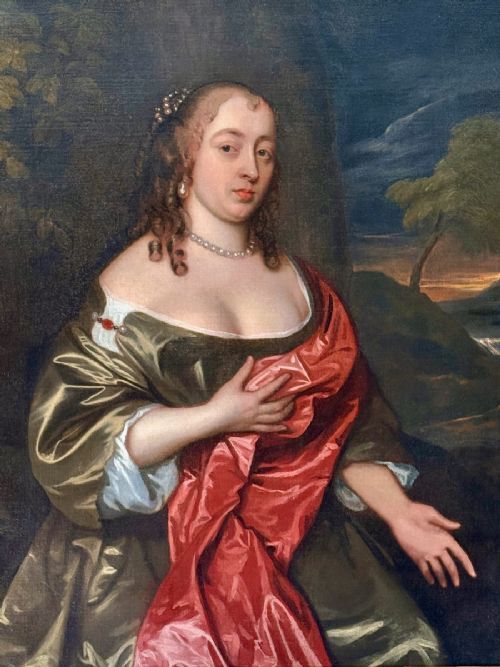
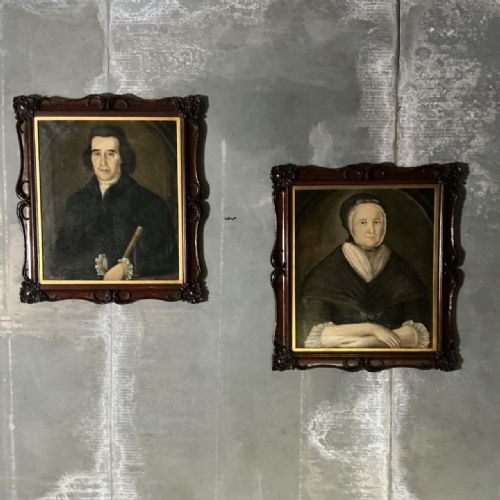
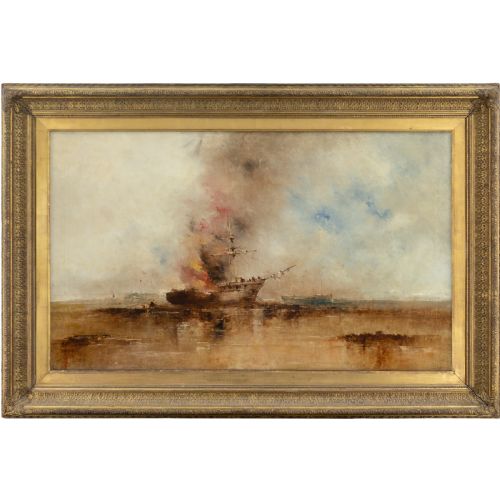
These antique oil wall decor pieces bring centuries of hand-painted portraiture, maritime scenes and landscapes into domestic spaces.
Antique Oil Wall Decor
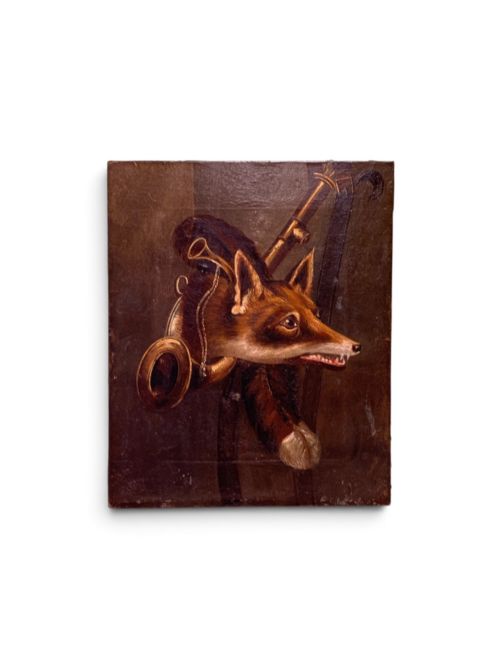
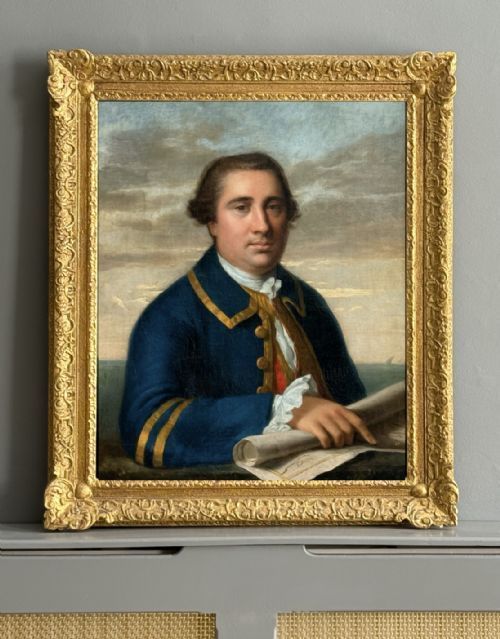
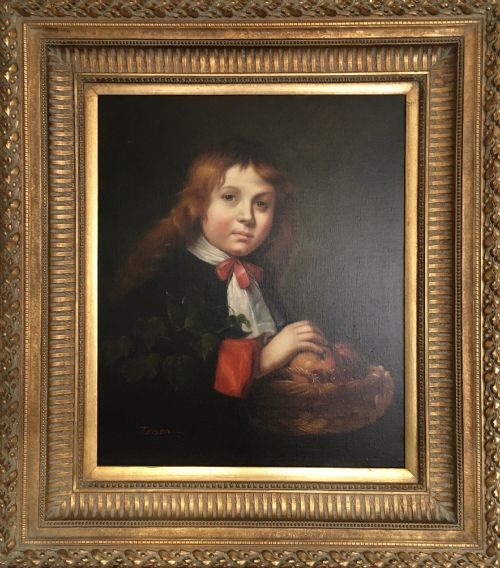
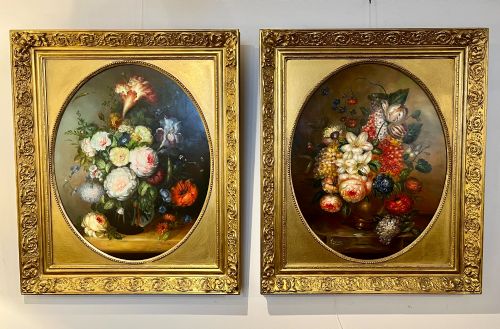
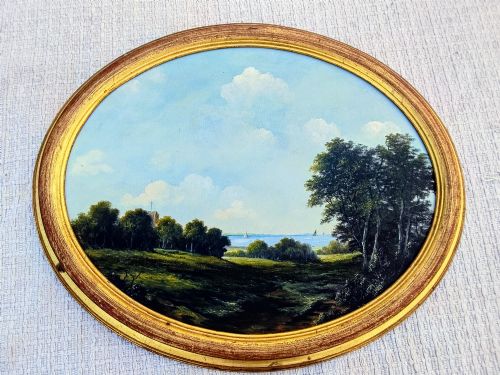
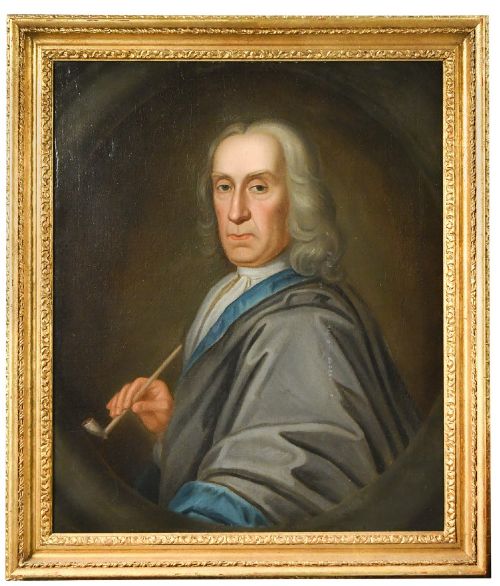
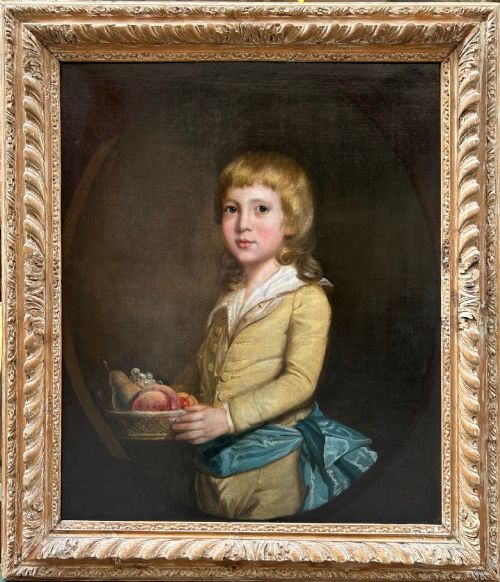
When you search for antique oil wall decor, you encounter framed paintings created across the eighteenth, nineteenth and twentieth centuries. The selection spans formal portraiture, sporting canvases, marine views and pastoral landscapes executed in oil paint.
Most examples you meet on this page originate from British and European schools, utilising canvas, wood or board panels. These works range from grand historical narratives to intimate domestic animal studies and village scenes.
How they were made
Artists built these compositions using oil paint applied to stretched canvas, wood panels or board. Canvases were frequently mounted in wooden frames, sometimes accented with giltwood.
The physical structure relies on traditional joinery for the timber stretchers and heavy decorative frames. Pigments mixed with oil binders created durable surfaces capable of retaining colour over centuries.
Several Victorian canvases capture pets staring intently into space, proving dogs and cats have judged our interior decor for centuries.
What varies in quality
Quality rests upon the confidence of the brushwork and the anatomical or spatial accuracy achieved by the artist. Master paintings demonstrate precise handling of light and shadow, whereas lesser examples show stiffer compositions and muted expression.
The integrity of the original canvas surface and the matching period frame influence the desirability of the piece. Conservation history, including relining or retouching, plays a central role in separating standard decorative works from collector-grade items.
Sir William Beechey·John Hayls·Lemuel Francis Abbott·Thomas Beach·Albert Clark·Benjamin Eugene Fichel·John Frederick Herring Jnr·William Williams
The Antique Oil Wall Decor Glossary
- Oil on Canvas
- Pigment mixed with an oil medium applied to a woven fabric support. This combination allowed artists to blend tones smoothly and achieve rich surface textures.
- Giltwood
- Timber carved and coated with a thin layer of gold leaf. This material frequently frames formal portraits and landscape paintings from the eighteenth and nineteenth centuries.
- Panel Painting
- Artwork executed on a flat piece of wood rather than fabric. These rigid supports were common in earlier centuries before canvas became the dominant medium.
- Provenance
- The documented history of ownership or origin for an artwork. Establishing this lineage confirms the authenticity and historical context of the piece.
- School
- A group of artists working in a similar style or geographical region during a specific period. This classification helps identify regional techniques and influences.
Antique Oil Wall Decor: Frequently Asked Questions
How do I hang heavy oil paintings safely?
Ensure your wall fixings anchor directly into solid brickwork or secure wooden studs using rated picture hooks. Heavy frames require sturdy wire or D-rings attached firmly to the wooden stretcher frame rather than the backing.
Distribute the weight evenly across two fixings to prevent the painting from leaning or slipping over time. Check the stability of the frame joints before mounting older canvases.
How do I identify the period of a painting?
Examine the materials used for the canvas, stretcher bars and framing techniques. Older canvases often show hand- hammered tacks, oxidized priming layers and dense weave patterns unique to specific centuries.
Clothing styles, hairstyles and subject matter within portraits or genre scenes offer reliable clues for dating. Signatures, inscriptions and exhibition labels on the reverse provide further historical context.
Where should I place these paintings at home?
Position oil paintings away from direct sunlight, radiators and damp exterior walls to protect the canvas and wood. Stable room temperatures prevent the paint layer from cracking or the wooden panel from warping.
Select spaces with moderate ambient light where the detailed brushwork remains visible without exposure to harsh UV rays. Proper placement preserves both the frame and the pigment.