
Antique Oak Panels
These antique oak panels represent centuries of timber craftsmanship, offering architectural depth and historic character to any interior.
Antique Oak Panels
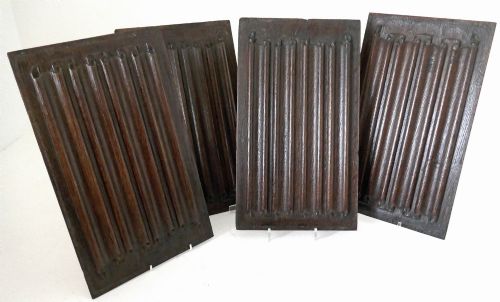
When you search for antique oak panels, you are looking at architectural fragments, furniture components, and decorative carvings salvaged from period interiors or constructed as standalone display pieces. The selections here range from sixteenth-century linenfold carvings to seventeenth-century Flemish floral motifs and Victorian architectural sets.
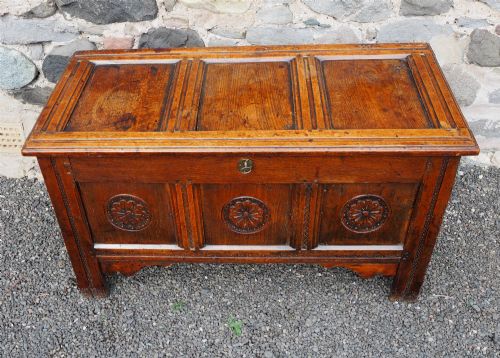
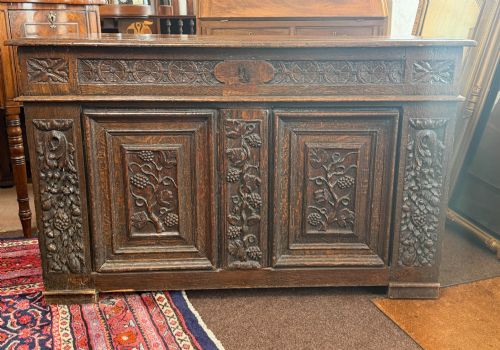
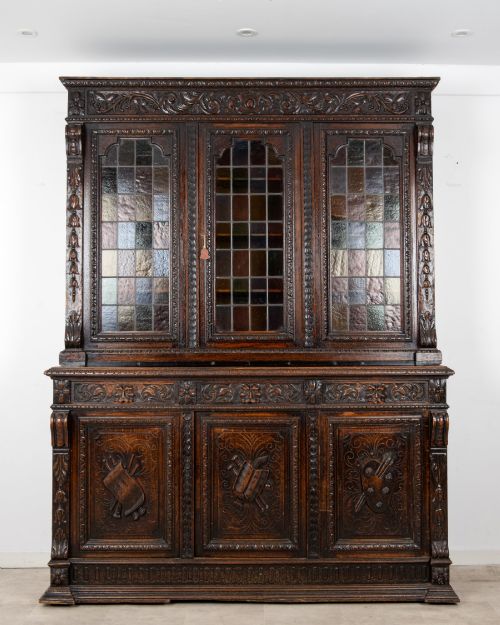
The version you are most likely to meet on this page is the individual or paired seventeenth-century carved panel, alongside larger sets salvaged from period furniture such as coffers, dressers, and cupboards. These pieces reflect diverse regional origins, including English, French, and Flemish workshops.
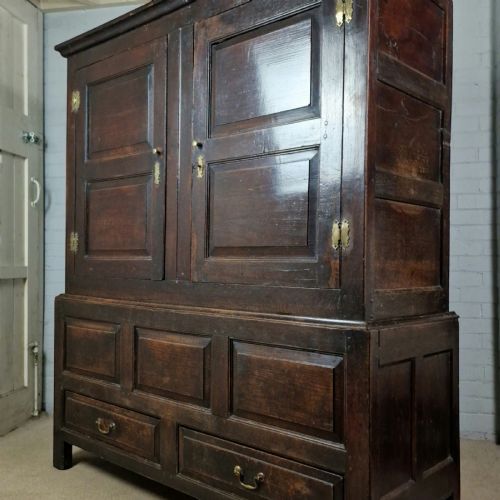
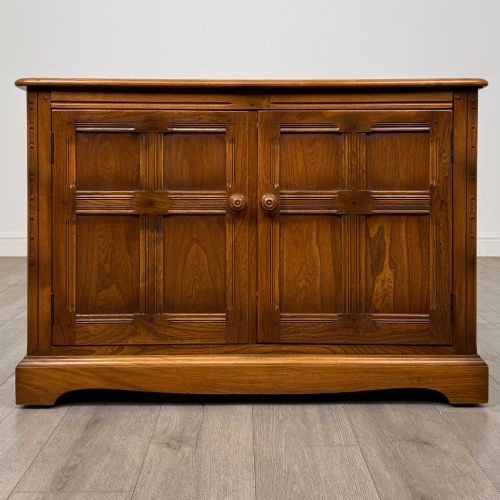
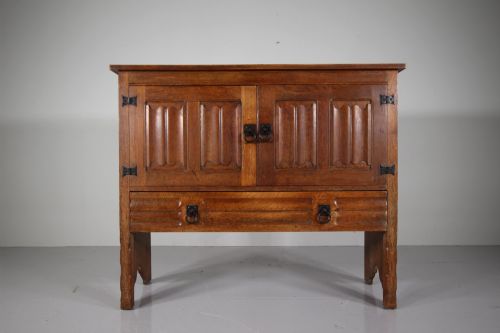
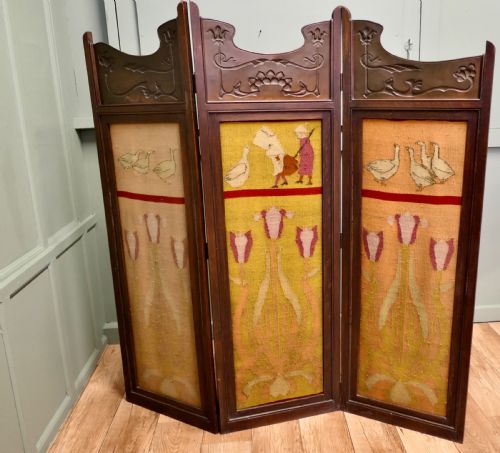
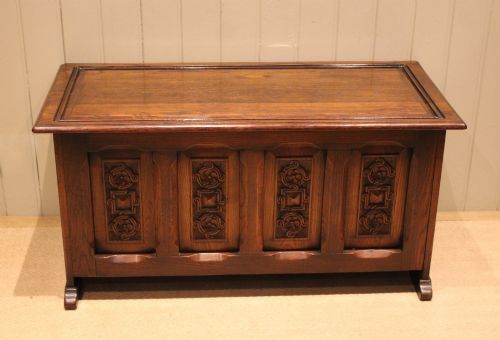
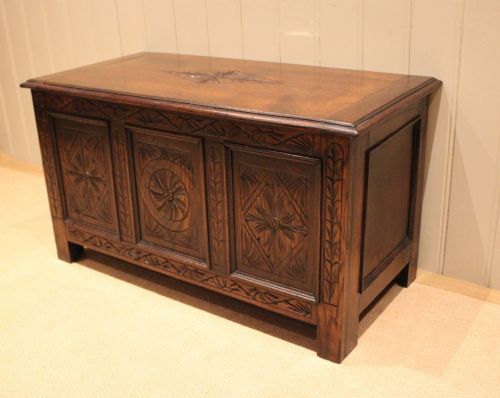
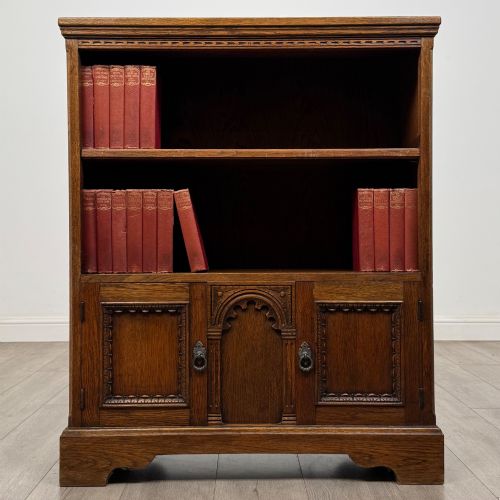
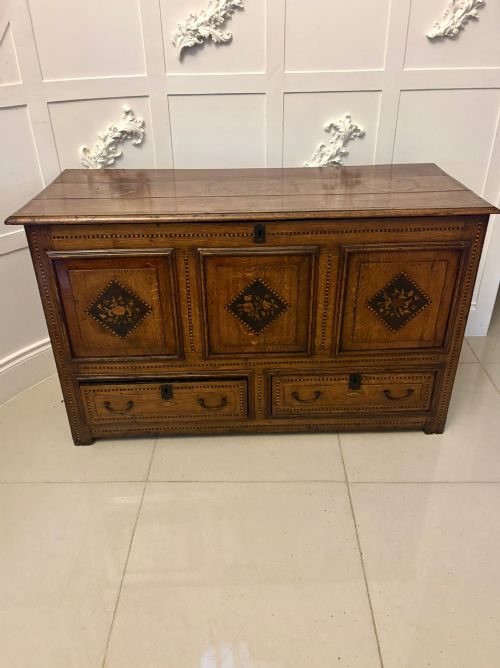
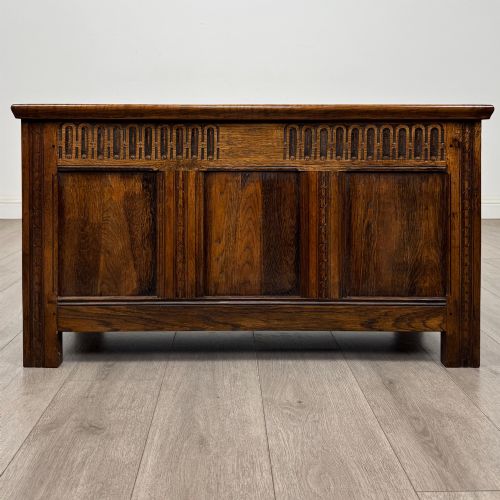
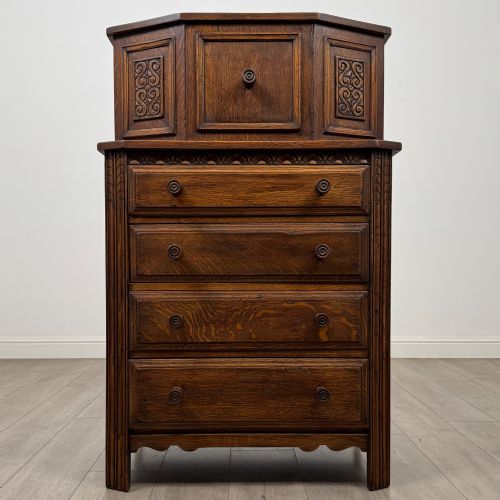
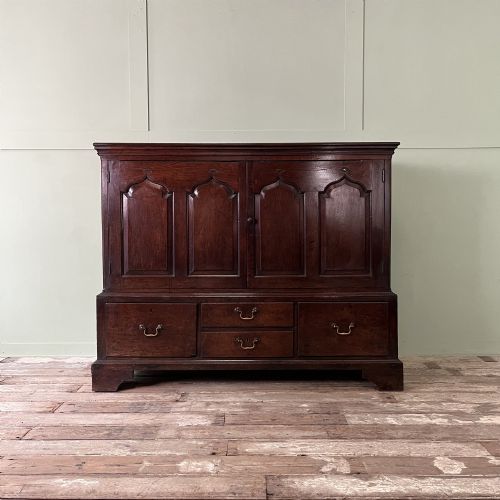
Beyond standalone panels, the category encompasses furniture where panels form the primary decorative and structural vocabulary. Coffers, settles, and bookcases frequently utilise panelled construction to achieve both rigidity and visual interest.
How they were made
The construction relies heavily on quarter-sawn oak, selected for its stability and prominent medullary rays, combined with traditional mortise and tenon joinery. Artisans shaped these dense timbers using hand chisels and gouges to execute deep relief carvings, floral motifs, and geometric tracery.
Surface finishing historically involved natural wax or oil application, allowing the grain to darken organically over centuries of exposure. Secondary materials such as wrought iron, brass, and copper occasionally appear as mounting hardware, hinges, or decorative straps, particularly in later revival styles.
Listings span periods from the 15th century through the Edwardian era, featuring materials such as oak, copper, brass, and wrought iron.
What varies in quality
The distinction between ordinary and exceptional pieces lies in the crispness and depth of the hand-carving. Superior examples display confident, undercut relief work where figures, foliage, or linenfold folds maintain sharp definition rather than softening into worn, indistinct contours.
Timber selection and panel thickness also dictate grade, with premium items utilising dense, well-figured heartwood that resists warping. The integrity of the surrounding frame and the originality of the mounting hardware further separate museum-grade survivals from heavily restored or assembled decorative items.
The Antique Oak Panels Glossary
- Linenfold
- A style of wood carving representing folded linen, popular on sixteenth-century panels. This treatment creates vertical folds that mimic fabric draped over a frame.
- Coffer
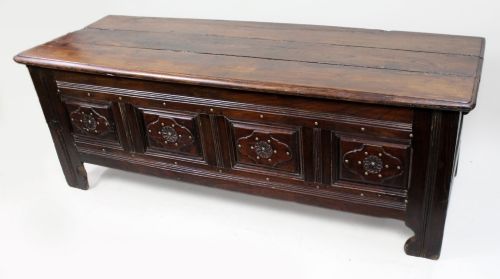
- A large wooden chest used for storage, frequently constructed with panelled walls. These sturdy boxes often feature carved front panels reflecting the aesthetic of their period.
- Mule chest
- A traditional storage chest featuring one or two drawers at the base beneath the main compartment. These pieces combine the utility of a coffer with the accessibility of drawer storage.
- Quarter-sawn
- A method of milling logs radially to produce timber with superior dimensional stability. This cut yields boards displaying distinct, decorative grain patterns known as medullary rays.
- Tracery
- Architectural ornamentation resembling openwork stone patterns, often carved into wooden panels. This Gothic revival style introduces intricate geometric lines to furniture and walling.
Antique Oak Panels: Frequently Asked Questions
How were antique oak panels originally used?
These panels were primarily integrated into structural wall panelling, known as wainscot, or utilised as decorative components within substantial furniture like cupboards, coffers, and settles. They provided insulation against damp stone walls while displaying the status and taste of the household through carved heraldry or motifs.
Over time, many of these elements were salvaged from older buildings during renovations and preserved as standalone decorative artworks or incorporated into later furniture assemblies.
How do I identify seventeenth-century panels?
Seventeenth-century panels typically display characteristic hand-tool marks, pegged mortise and tenon joints, and dense, dark oak with significant patina. The carving styles from this era often favour geometric strapwork, shallow floral reliefs, or robust architectural mouldings rather than machine precision.
Examining the reverse side often reveals adze marks and uneven thickness consistent with hand-conversion of timber before the widespread adoption of industrial sawmill machinery.
Can I mount antique panels on modern walls?
Mounting antique panels requires careful consideration of wall stability and timber movement. Because oak responds to changes in humidity by expanding and contracting, rigid fixing methods can cause the wood to split over time.
Professional mounting typically involves secure backing battens or discrete brackets that allow the panel to float naturally within its environment without placing undue stress on the ancient joinery.
What is the difference between English and continental panels?
English panels from the sixteenth and seventeenth centuries tend to feature restrained geometric designs, linenfold patterns, or straightforward heraldic carvings. The execution focuses on sturdy construction and functional integration within domestic interiors.
Continental examples, particularly from Flemish, French, or Italian workshops, frequently exhibit more exuberant figural carving, including cherubs, birds, and deep floral scrolls executed in high relief.