



English Oak Wainscoting Panel
These robust english oak wainscoting panel examples are sturdy early seating and architectural elements built to last generations.
English Oak Wainscoting Panel
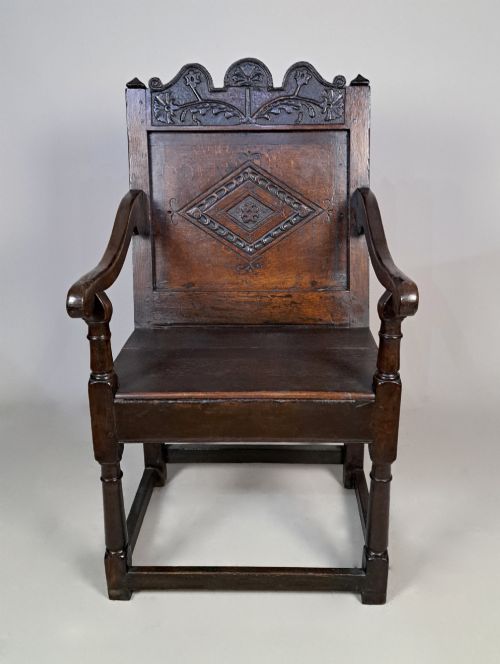
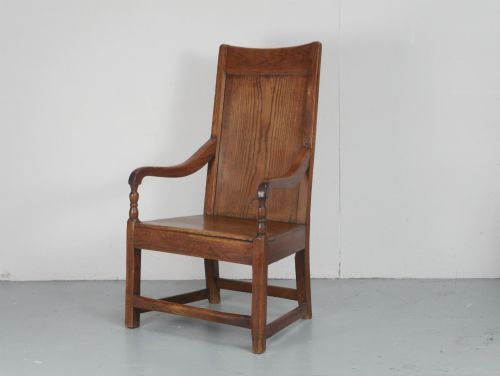
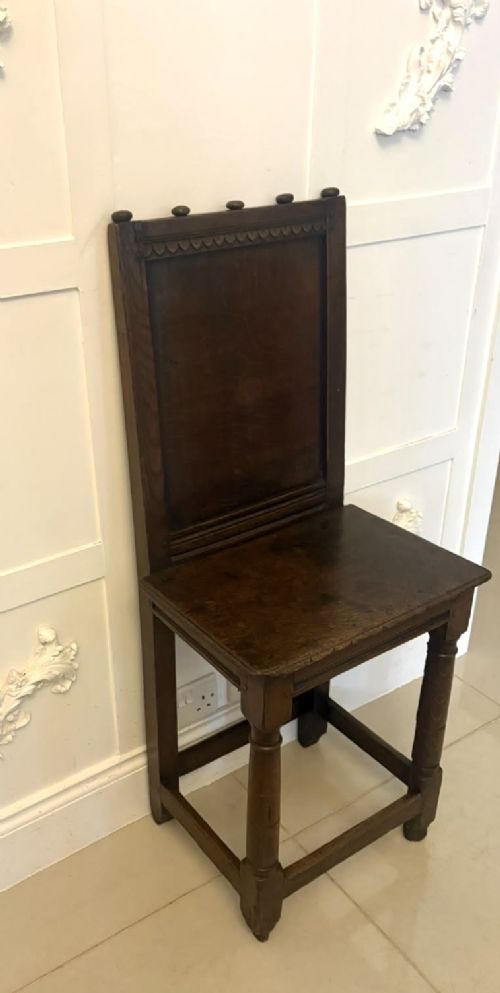
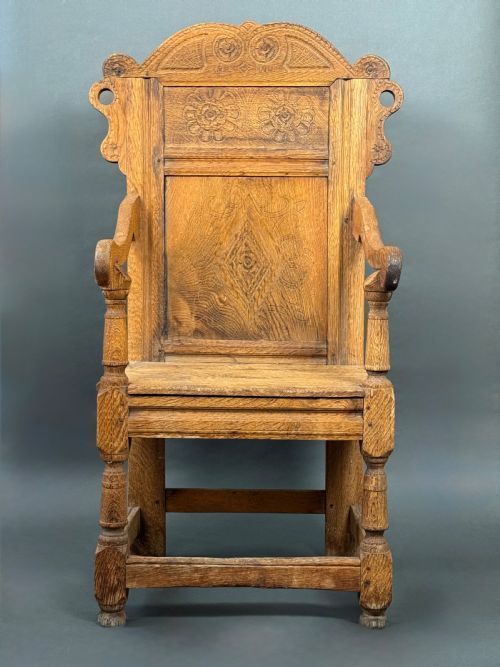
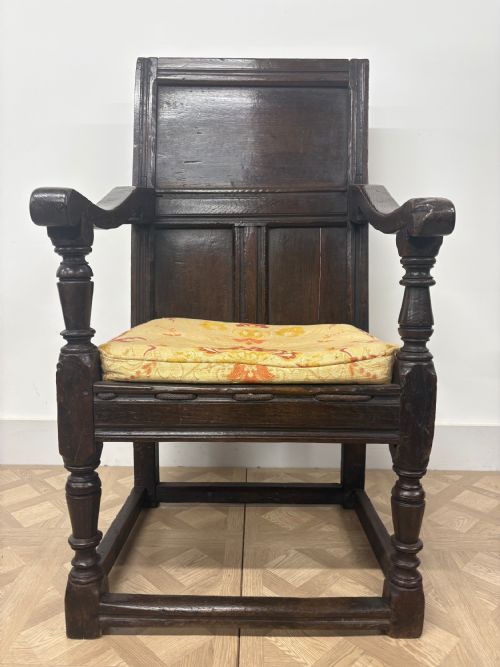
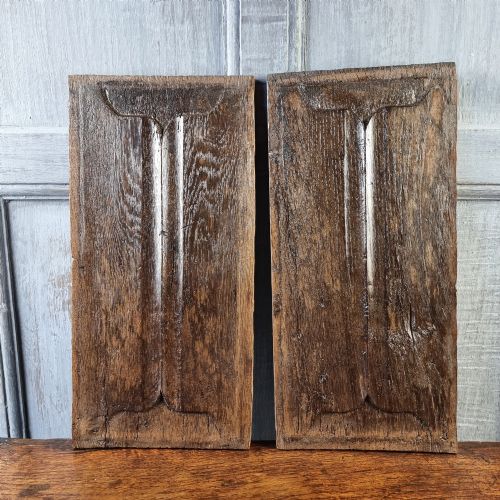
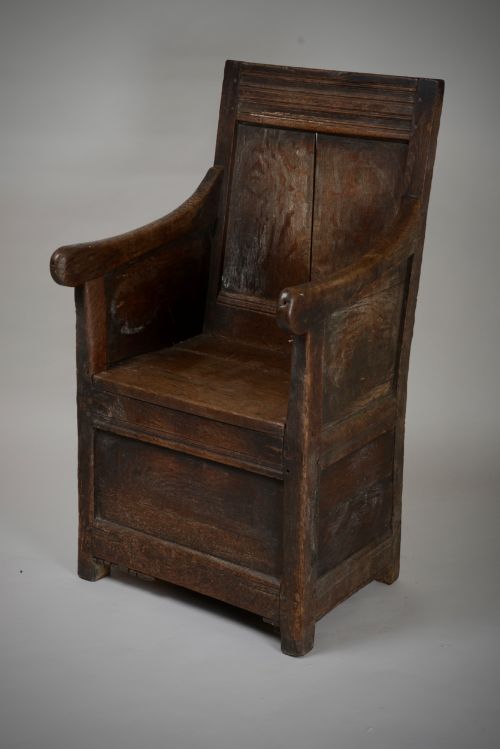
When you search for an english oak wainscoting panel, you are typically looking at solid timber seating and architectural fragments originating from the sixteenth, seventeenth, and eighteenth centuries. The most common forms you will encounter on this page are wainscot armchairs, side chairs, settles, benches, and occasionally individual linenfold panels.
These pieces reflect the domestic architecture of early English country houses, often featuring carved wooden backs that echo wall panelling. Regional variations emerge clearly across the selection, with specific pieces originating from Lancashire, Cheshire, Yorkshire, and the West Country.
The objects span several distinct historical periods, running from late Elizabethan and Tudor eras through the Jacobean period and into later eighteenth-century interpretations. Armchairs dominate the selection, built with solid timber panels designed to keep out drafts in great halls.
Materials and Construction
Every english oak wainscoting panel piece relies on solid oak timbers, chosen for strength and abundant local availability in early Britain. Joinery methods of the period utilise pegged mortise and tenon joints rather than modern metal fasteners.
Surface details often include hand-carved linenfold motifs on panels, alongside chip-carved geometric patterns and scratch-moulded framing. Iron hardware appears on select structural elements, complementing the heavy timber construction.
English Oak Wainscoting Panel Retail Price Guide 2026
Typical asking prices for english oak wainscoting panel among the pieces listed under this phrase on Sellingantiques today, from the lower quarter to the upper quarter. They describe what is for sale here now, not the wider market.
Master's armchairs were built wide enough to accommodate heavy woollen cloaks without crushing the wearer.
Factors of Quality
Quality in an english oak wainscoting panel piece rests upon the crispness of the original hand carving and the proportion of untouched early timber. Pieces with deep relief work and well-defined regional characteristics stand apart from plainer examples.
The integrity of the original joints and the extent of later timber replacement dictate the standing of individual chairs and panels. Surfaces retaining good early colour and patination through decades of friction outrank those stripped or heavily refinished.
The English Oak Wainscoting Panel Glossary
- Wainscot
- A type of fine English oak used for wall panelling, which lent its name to heavy panel-backed armchairs of the sixteenth and seventeenth centuries. These chairs mimic the construction methods of wall panelling.
- Linenfold
- A style of carved wooden panelling popular in the Tudor and Elizabethan periods that resembles folded rolls of linen fabric. It frequently appears on panels integrated into early chairs.
- Jacobean
- The period of English architecture and furniture design spanning the reign of James I from sixteen hundred and three to sixteen hundred and twenty-five. Pieces from this era display rigorous geometric carving and heavy rectangular proportions.
- Mortise and tenon
- A traditional woodworking joint where a projecting tongue fits snugly into a corresponding hole to lock timbers together at right angles. This technique forms the structural skeleton of early oak furniture.
- Patina
- The deep surface sheen developed by old timber over centuries through handling, waxing, and exposure to light. It serves as an indicator of age and continuous use.
English Oak Wainscoting Panel: Frequently Asked Questions
How old is a wainscot chair?
Most examples date from the seventeenth century, though some architectural panels and box chairs trace back to the sixteenth century. Later interpretations continue into the eighteenth century.
Construction details, such as pegged joints and hand-carved linenfold patterns, help separate sixteenth-century survivals from later regional work.
Where were these pieces made?
They originate from various English regions, with specific pieces recorded from Lancashire, Cheshire, Yorkshire, and the West Country. Local workshops adapted court styles into distinct vernacular furniture.
Regional carving signatures often point directly to the specific English county of manufacture.
How do I care for solid oak?
Solid oak requires stable indoor humidity levels to prevent the heavy timber from splitting or warping over time. Avoid placing early furniture near direct heat sources or in strong sunlight.
Occasional application of traditional beeswax helps nourish the wood and maintain its surface protection.
What is a settle?
A settle is a wooden bench featuring a high solid back and enclosed arms designed to block cold drafts in historic homes. Many incorporate wainscot panels matching the style of contemporary armchairs.
They served as communal seating near the hearth in great halls and farmhouses.