


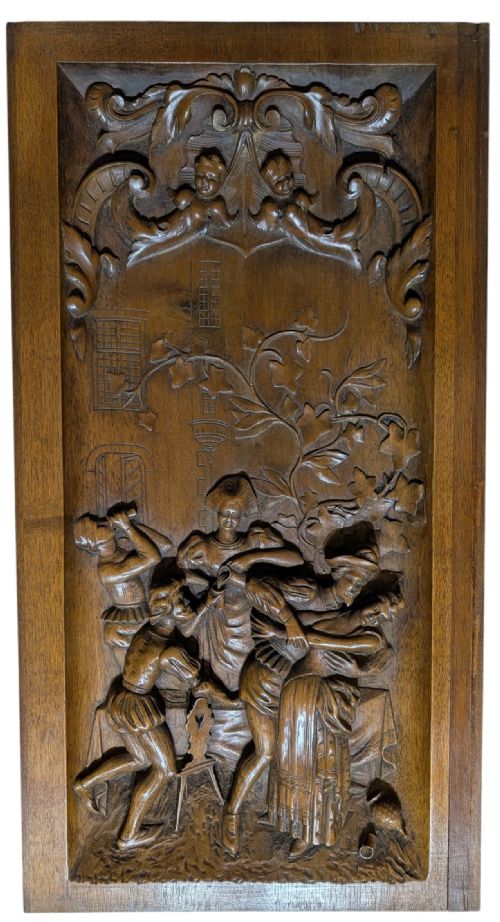


Decorative Wooden Plaques
Decorative wooden plaques bring texture and historic craftsmanship to interiors through carved relief and inlaid panels.
Decorative Wooden Plaques
Decorative wooden plaques encompass carved wall panels, architectural salvage, and framed reliefs from various periods. Buyers seek these pieces to add focal points and historic character to empty wall spaces.
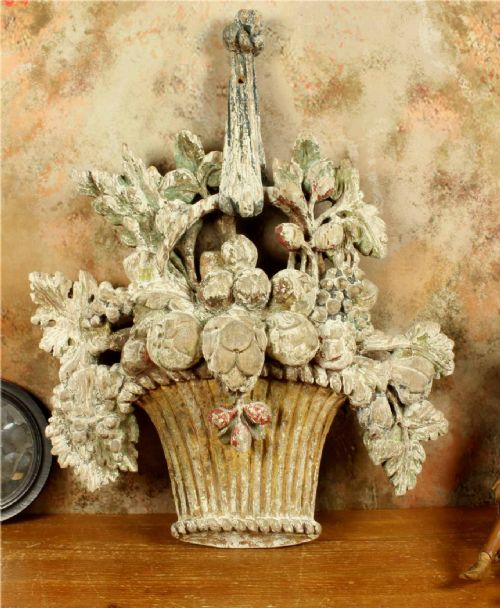
The selections available here lean heavily towards 19th-century carved wood panels, floral reliefs, and architectural fragments. Examples range from European oak and walnut items to lacquered and painted pieces from Asian traditions.
Many of these items originate as functional elements like door panels, cart fragments, or furniture components before finding new life as wall art. Their versatility allows them to suit both traditional period rooms and contemporary spaces.
Materials and construction methods
Makers utilise dense timbers such as oak, walnut, ebony, and amboyna, which accept intricate hand carving and retain crisp detail over centuries. Wood selection dictates both the weight of the plaque and the depth achievable in relief work.
Surface decoration frequently combines deep chisel work with applied paint, lacquer, and shell inlay. Artisans incorporate materials like mother-of-pearl and abalone to create pictorial contrast against dark wood grounds.
Decorative Wooden Plaques Retail Price Guide 2026
Typical asking prices for decorative wooden plaques among the pieces listed under this phrase on Sellingantiques today, from the lower quarter to the upper quarter. They describe what is for sale here now, not the wider market.
The selection includes architectural salvage, wall masks, framed panels, and cart fragments from European and Asian traditions.
Judging quality in wooden plaques
Quality rests primarily on the depth, control, and precision of the hand carving rather than the mere presence of decoration. Superior examples display undercut work and dimensional realism that create natural shadow and movement.
The integrity of the timber and the preservation of original surface finishes significantly influence desirability. Pieces that retain their historic paint, patination, or careful inlay work command greater attention from collectors.
The Decorative Wooden Plaques Glossary
- Linenfold
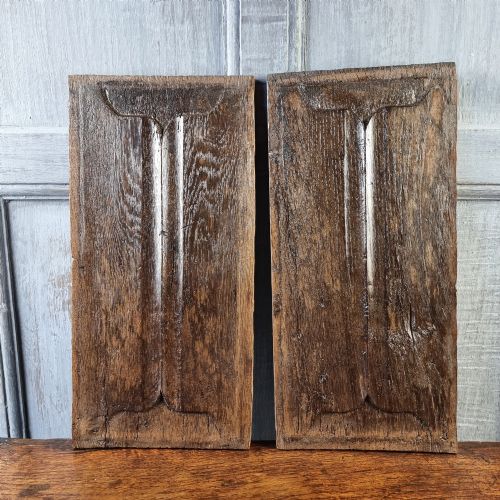
- A style of wood carving that imitates folded linen, commonly found on panels from the Tudor and 16th-century periods. It provides a subtle texture through repetitive vertical folds.
- Relief
- A sculptural technique where figures or designs project from a flat background surface. High relief elements stand out boldly from the board, creating strong shadows.
- Architectural salvage
- Building elements and fragments rescued from older structures for decorative reuse. These items often include carved door panels, masks, and cart fragments.
- Marquetry
- The art of applying pieces of veneer to a structure to form decorative patterns and pictures. Craftsmen use various coloured woods to create pictorial depth without paint.
- Treen
- Small handmade wooden objects of utilitarian or decorative character. These items showcase domestic woodworking skills from earlier centuries.
Decorative Wooden Plaques: Frequently Asked Questions
How do I hang heavy wooden wall plaques safely?
Heavy carved wood plaques require secure fixings anchored directly into wall studs or masonry using appropriate heavy-duty brackets. The substantial weight of dense timbers like oak or walnut demands professional installation to protect both the wall and the piece.
Ensure the hanging wire or integrated mounting points on the back match the load capacity of your chosen hardware. Period architectural fragments often need custom battens or metal supports to distribute their weight evenly.
Where should I place these plaques in my home?
Decorative wooden plaques work well as focal points above mantelpieces, along hallways, or anchoring a gallery wall arrangement. Their tactile surfaces introduce warmth and shadow that flat framed prints cannot replicate.
Keep pieces away from direct heat sources, such as radiators or fireplaces, which can dry out the timber and cause splitting. Stable indoor humidity levels help preserve the integrity of both the wood and any applied paint or inlay.
How can I tell the period of a carved panel?
Dating relies on examining tool marks left by craftsmen, the choice of timber species, and the specific decorative style. 16th-century panels often feature stiff linenfold motifs in heavy oak, whereas 19th-century pieces display broader stylistic revivals and varied exotic woods.
Look closely at the back of the panel for joinery techniques, handmade fixings, or signs of structural adaptation. Tool marks left by hand chisels differ noticeably from later mechanical routing methods.