
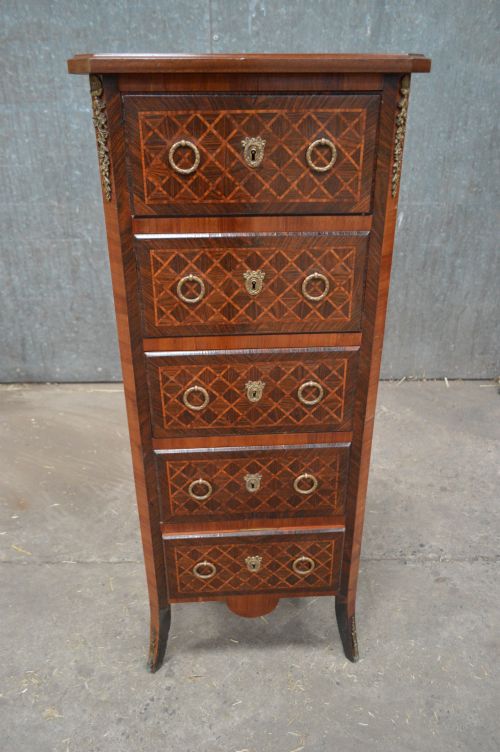

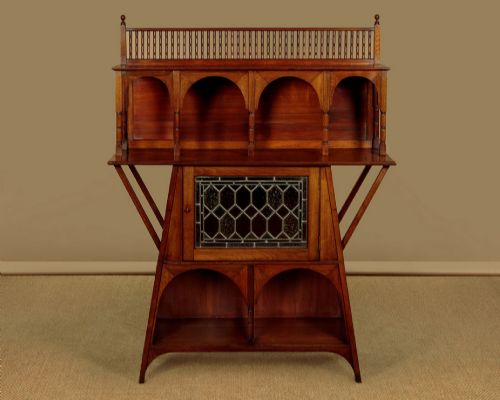
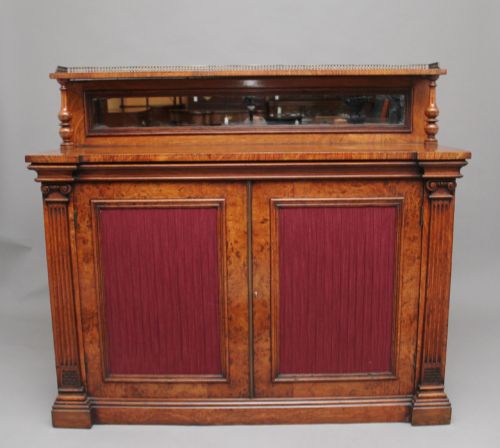

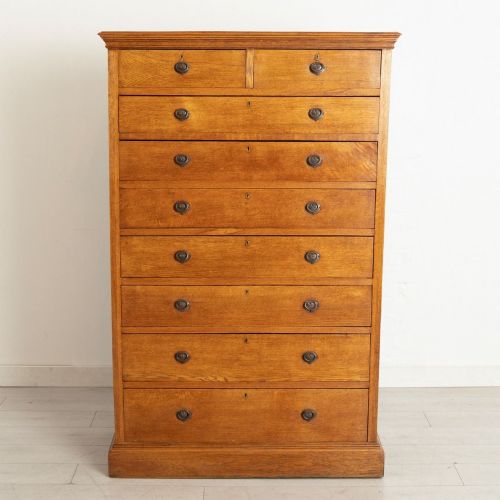


Antique Oak Chiffonier
An antique oak chiffonier brings substantial timber storage and display surface into a room, uniting utility with period craft.

What They Are
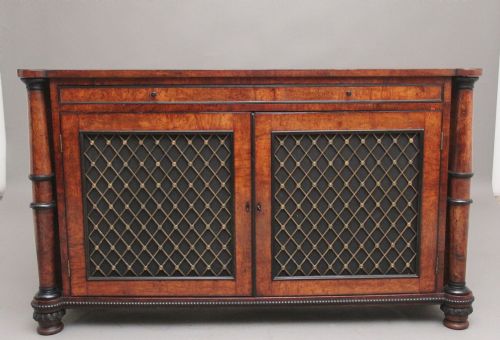
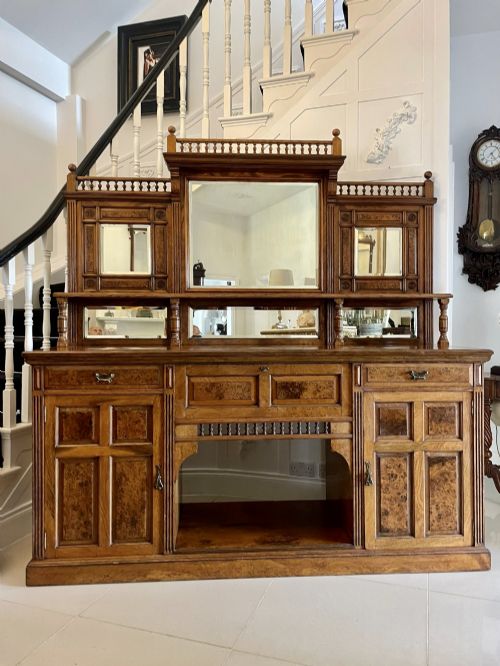
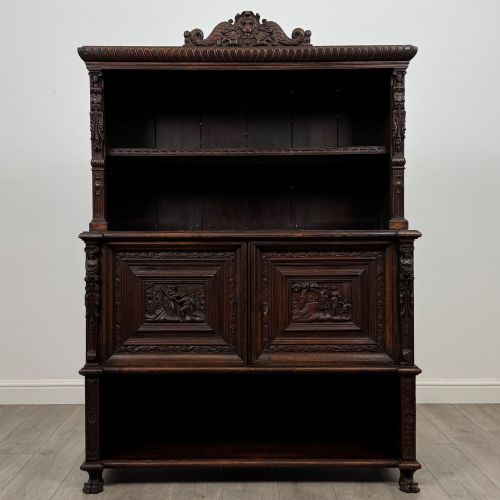
An antique oak chiffonier combines lower storage cupboards with upper tiers or carved display backs, functioning as a sideboard or cabinet in the dining room or hall. These pieces emerge primarily from the nineteenth century, spanning Victorian, Regency, and William IV periods alongside Arts and Crafts interpretations.
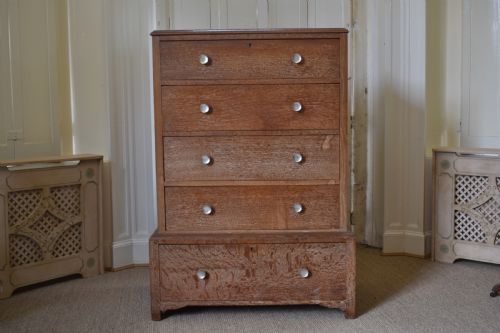
The form crosses paths with sideboards and credenzas, drawing on English, French, and Scottish workshops. Buyers encounter sturdy golden oak constructions alongside richly figured pollard oak variations featuring internal shelving and drawer space.
How They Were Made
Cabinetmakers utilised solid oak and pollard oak veneers, often accented with ebony, brass hardware, and copper details. Carved ornamentation, mirrored glass panels, and fabric linings appear across Victorian and Arts and Crafts examples.
Construction relies on traditional joinery techniques suited to heavy timbers, incorporating panelled doors, shaped plinths, and fitted interior drawers. Surface finishes highlight the natural grain of the wood through polishing and waxing.
Retail Price Guide 2026
Typical UK retail prices for oak chiffonier, calculated from the Sellingantiques database of over a million retail prices indexed since 2003. This retail price guide relies exclusively on Sellingantiques data; no external sources or auction records are used, so the figures do not describe the wider market.
Listings feature nineteenth-century pieces constructed from oak, pollard oak, brass, and mirror glass across Victorian and Arts and Crafts styles.
What Varies in Quality
The standard of timber selection marks the primary distinction, with highly figured pollard oak and burr surfaces commanding greater visual depth than plain grain. The ambition of the carving, from simple geometric panels to intricate Gothic or figurative motifs, dictates the hand of the maker.
Structural integrity and the retention of original brass fittings, mirror glass, and interior shelving separate refined examples from altered or heavily restored pieces.
Henry Woodyer
The Antique Oak Chiffonier Glossary
- Pollard oak
- Timber taken from trees that have been pollarded, producing tightly clustered knot patterns and rich figuring. This decorative wood was favoured by nineteenth-century cabinetmakers for high-status cabinet doors and panels.
- Chiffonier
- A low sideboard or cabinet featuring cupboards below and often a shelf or superstructure above. The form evolved during the nineteenth century to store dining silver, linen, and glassware.
- Arts and Crafts
- A design movement originating in the late nineteenth century that emphasised simple construction, honest materials, and vernacular craft traditions. Pieces from this style avoid excessive machine ornamentation.
- Pedestal
- A structural support column or housing beneath the main cabinet body. Twin pedestal configurations provide substantial internal capacity.
- Gothic
- A decorative style employing pointed arches, tracery, and heavy carved relief. Victorian cabinetmakers frequently revived these medieval motifs on oak cupboards.
Frequently Asked Questions
What is an antique oak chiffonier?
An antique oak chiffonier is a low storage cabinet equipped with lower doors and occasionally an upper shelf tier. It serves as a side unit for dining rooms or reception spaces.
The form bridges the gap between sideboards and small cupboards, utilising sturdy oak timbers shaped by nineteenth-century cabinetmakers.
How do I date an oak chiffonier?
Dating relies on stylistic clues such as hardware, carving depth, and timber preparation. Victorian and William IV examples often feature distinct architectural details or Gothic motifs.
Examining the secondary woods inside drawers and the cut of the timber helps determine whether a piece originates from the early nineteenth century or later.
Where should I place a chiffonier?
These cabinets suit dining rooms, living spaces, and entrance halls where surface display and enclosed storage are both required. Their shallow depth allows them to sit comfortably against walls without dominating floor space.
Pairing the piece with appropriate lighting highlights the carved details and the grain of the oak timber.
What is pollard oak?
Pollard oak is a decorative timber harvested from trees cut back near the trunk to encourage dense branching. This growth method creates highly figured, swirling grain patterns.
Cabinetmakers utilised these figured veneers on prominent surfaces like cabinet doors to create striking visual contrast against plain oak.