


Antique Oak Bible Box
An antique oak bible box brings solid seventeenth and eighteenth century timber and centuries of domestic use right into your room.
Identifying an antique oak bible box
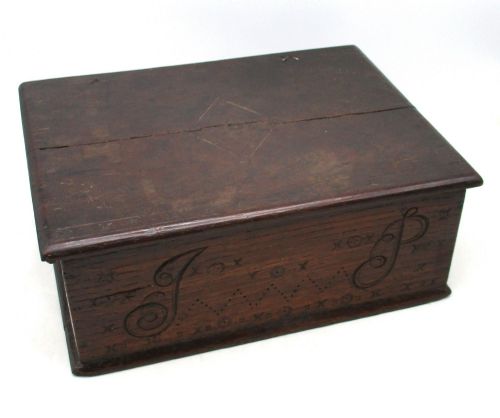
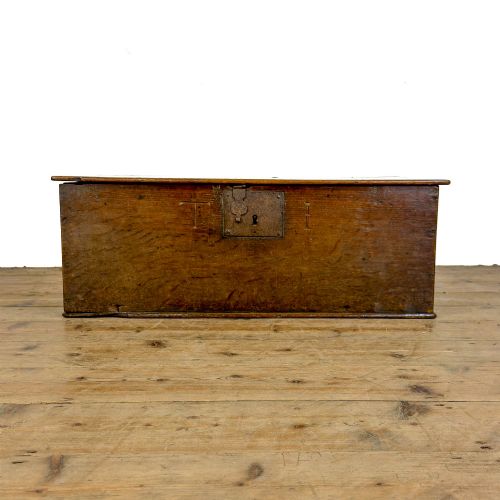
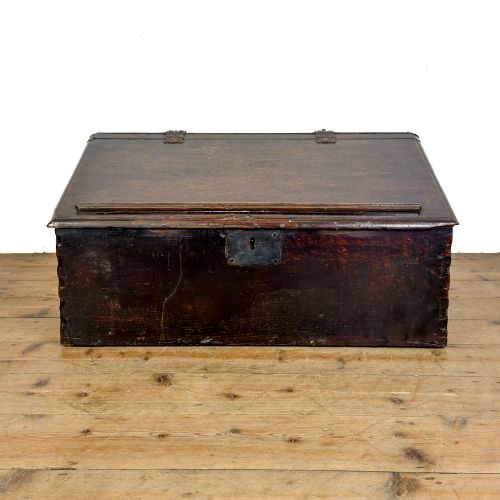
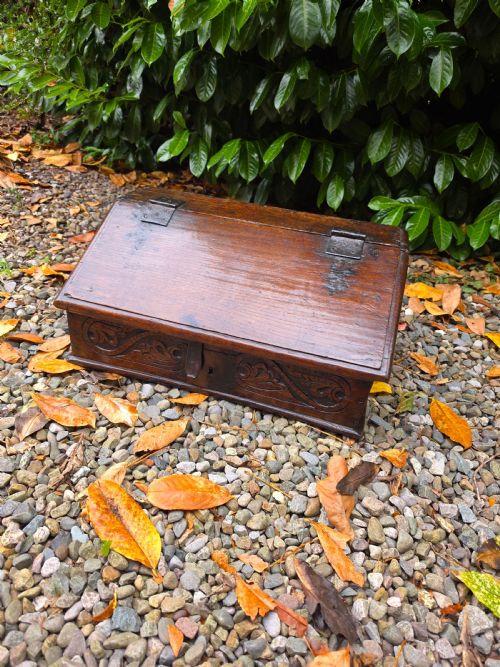
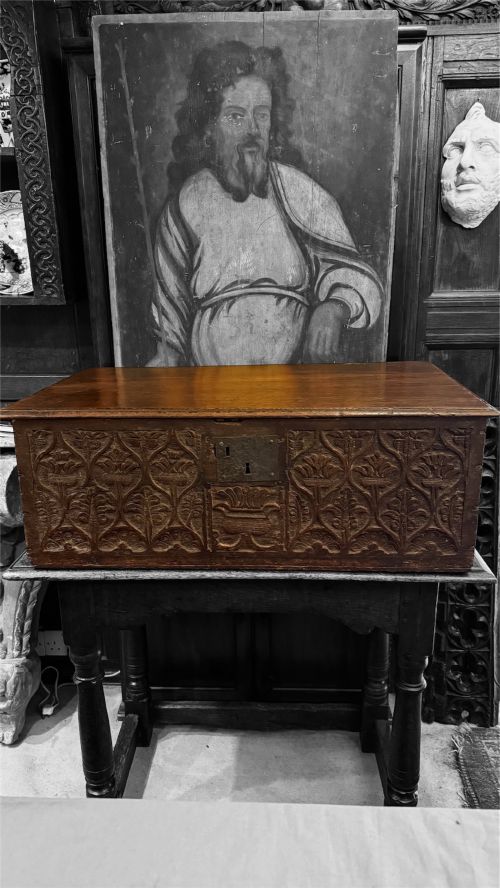
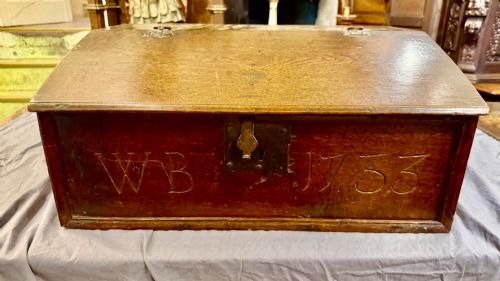
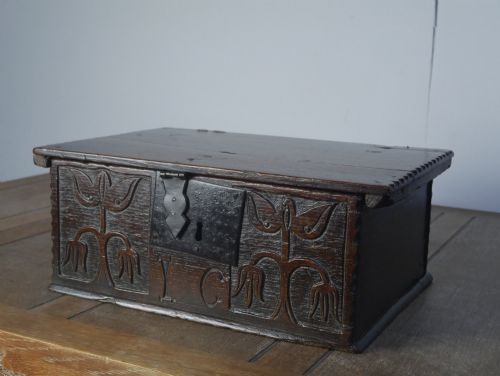
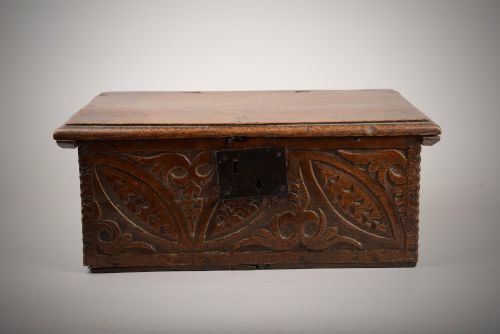
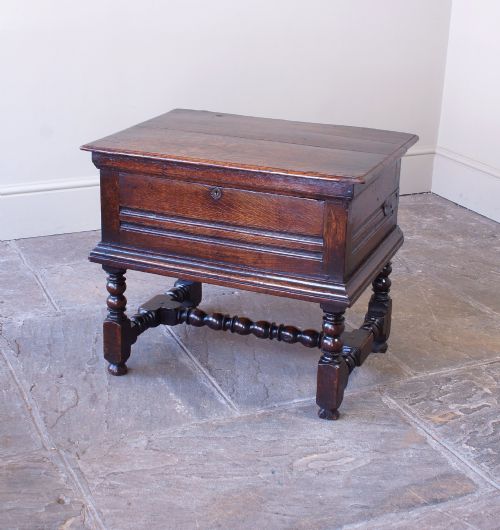
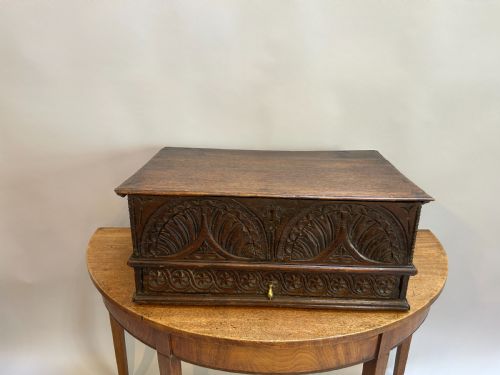
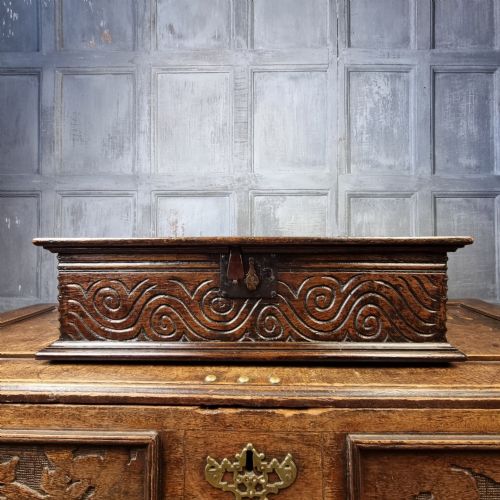
When you search for an antique oak bible box, you are looking at sturdy lidded containers designed to protect sacred texts, writing materials and household documents. The pieces on this page span the seventeenth and eighteenth centuries, taking the form of desk boxes, box stools and small chests.
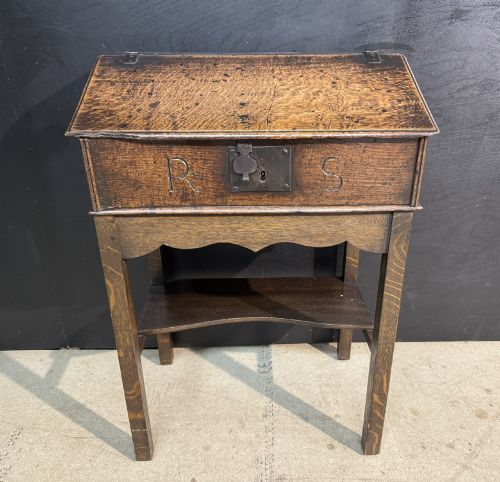
Many examples arrive with nineteenth century or later stands, altering the height from a tabletop chest to a freestanding piece of furniture. You will also encounter variations that served as writing boxes or trunks, reflecting how multipurpose these robust wooden receptacles truly were.
Materials and construction
These items rely principally on solid oak, occasionally paired with elm, reflecting the durable native hardwoods available to early joiners. Construction methods involve heavy timber panels jointed together to withstand daily handling and transport.
Metal components add both function and reinforcement, featuring iron hinges and locks alongside brass details. Surfaces frequently display period carving, showing the decorative techniques applied by early craftsmen.
Retail Price Guide 2026
Typical UK retail prices for oak bible box, calculated from the Sellingantiques database of over a million retail prices indexed since 2003. This retail price guide relies exclusively on Sellingantiques data; no external sources or auction records are used, so the figures do not describe the wider market.
The inventory records oak as the primary timber, occasionally joined by elm, alongside iron and brass hardware across seventeenth and eighteenth century dates.
Assessing the work
The standard of a box rests in the crispness of its original carved decoration and the integrity of its timber boards. Pieces that retain their early ironwork and uncompromised structural joins command greater appreciation from collectors.
Proportion and surface patination distinguish finer examples from simpler utilitarian containers. The presence of a period or well-matched stand also shifts the character and presentation of the box considerably.
The Antique Oak Bible Box Glossary
- Bible box
- A small lidded wooden chest originally used for storing a family bible and important papers. These boxes often doubled as portable writing desks when rested upon a table or lap.
- Box stool
- A seating form incorporating a concealed storage compartment beneath the seat. This dual purpose furniture combined a domestic stool with the cavity of a bible box.
- Desk box
- A slanted-lid box designed to hold writing equipment and provide an inclined surface for correspondence. They represent an evolution from flat-topped bible storage.
- Patina
- The surface sheen and deep colour developed by aged wood through decades of handling and polishing. This gradual change is valued as an indicator of genuine age.
Frequently Asked Questions
What fits inside an antique oak bible box?
These boxes accommodate letters, stationery and small valuables rather than large modern volumes. Their deep internal compartments keep contents secure beneath heavy wooden lids.
Historically, they held household ledgers and religious texts safely away from dampness and wear. Today they serve equally well for storing modern correspondence and keepsakes.
How were these boxes used originally?
Owners placed them on tables or desks to store books and writing materials close at hand. The solid construction protected important documents in busy households.
Some variants functioned as portable writing slopes for travel or writing away from a main desk. Others served double duty on stands as small writing cabinets.
Where should I place a bible box at home?
They sit comfortably on side tables, chests of drawers or desks where their carved fronts remain visible. Boxes mounted on stands operate as independent floor-standing furniture.
Keep them away from direct heat sources and strong sunlight to protect the old oak timber. Stable room temperatures preserve the dry wood and iron hardware.
How do I spot seventeenth century features?
Seventeenth century boxes typically show pegged mortise and tenon joints with hand-split oak boards. Decoration often includes geometric strapwork carving or punchwork typical of the period.
Iron butterfly hinges and snipe hinges are common on earlier examples before brass hardware became widespread. Examining the underside and interior reveals the hand tools used by the original joiner.