

Antique Night Cupboard
An antique night cupboard serves as a practical bedside companion, housing chamber pots or personal items while bringing period character to a bedroom.
Antique Night Cupboard
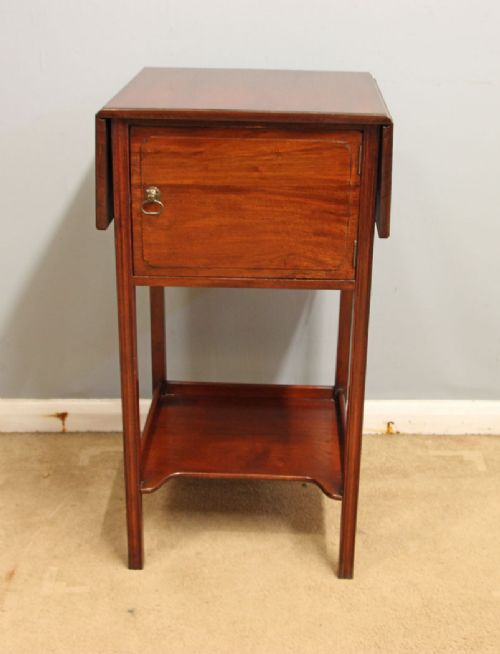
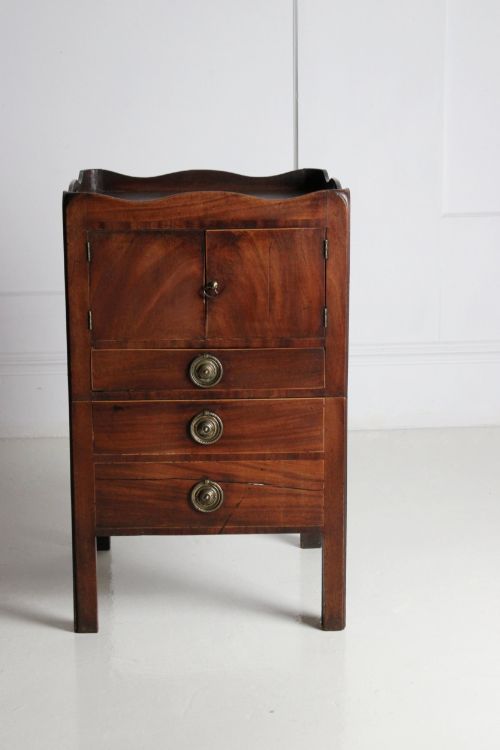
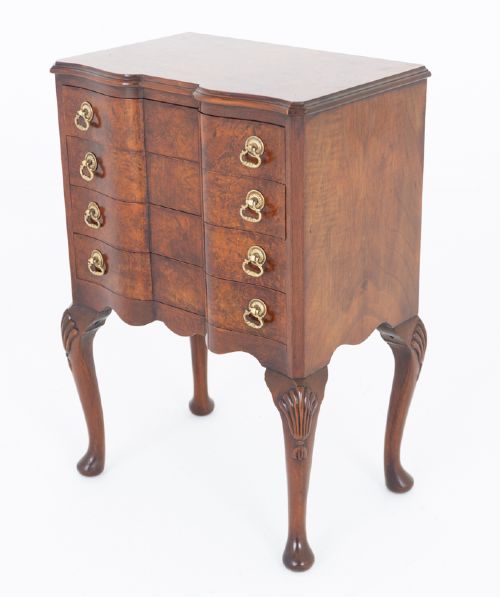
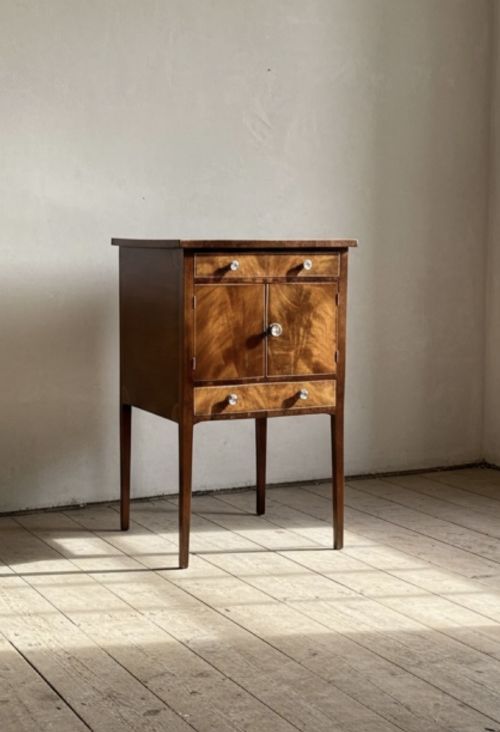
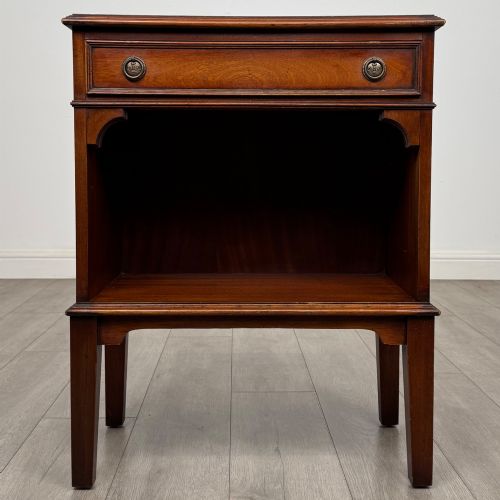
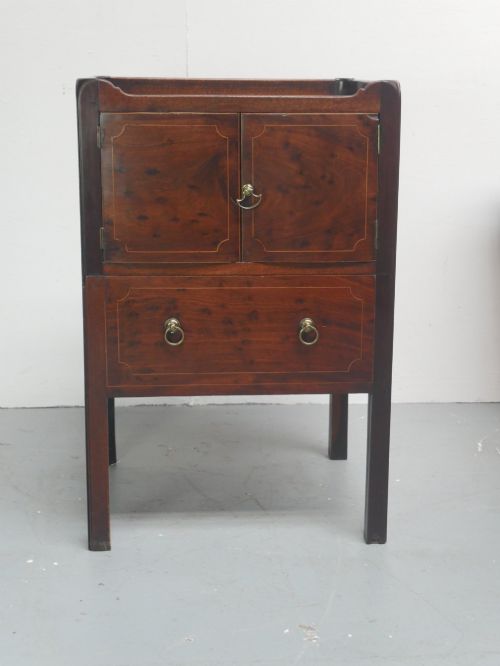
An antique night cupboard encompasses bedside cabinets, pot cupboards, and nightstands spanning from the Georgian era through the Victorian period and into the twentieth century. These pieces were designed to sit beside a bed to conceal nighttime necessities, evolving from enclosed cupboards and commodes into open tables and modern bedside chests.
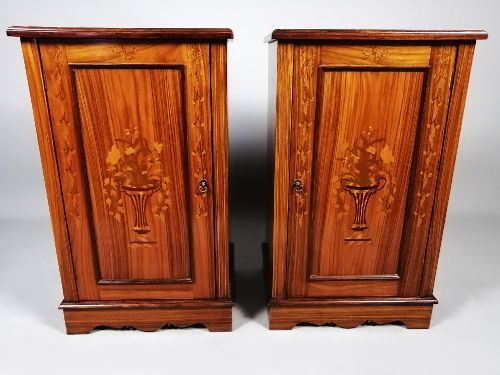
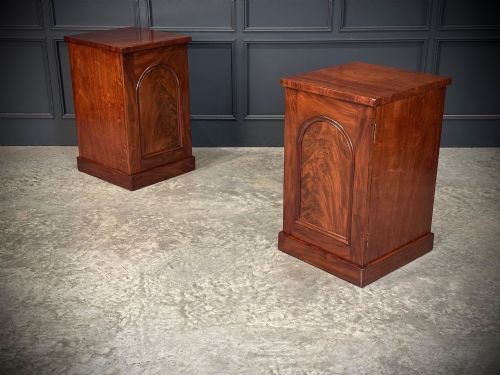
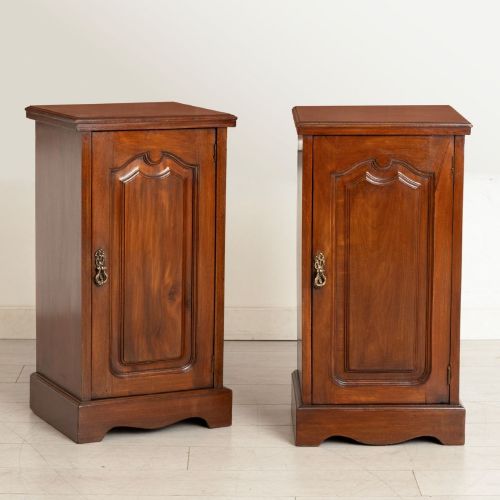
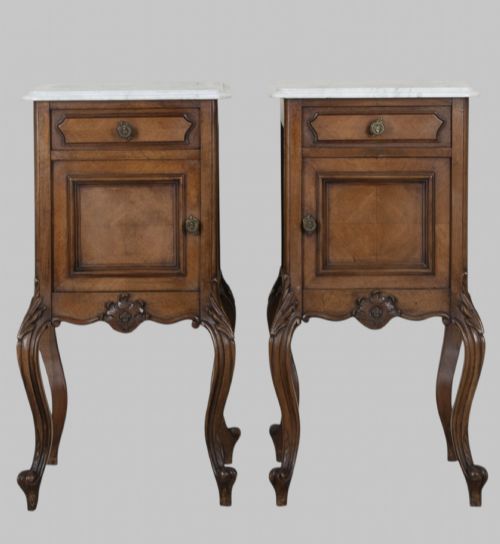
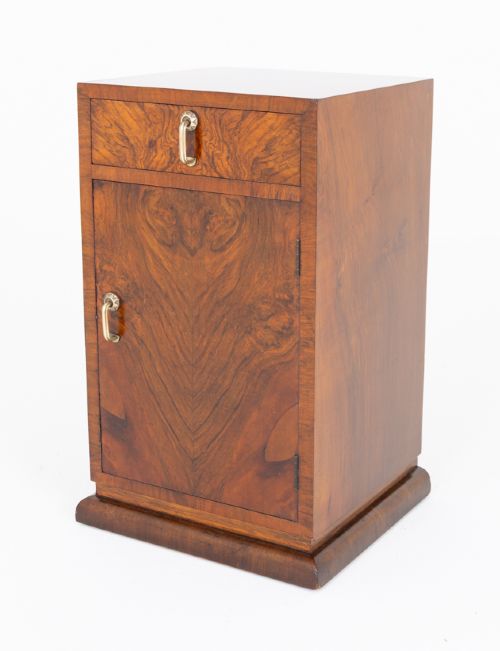
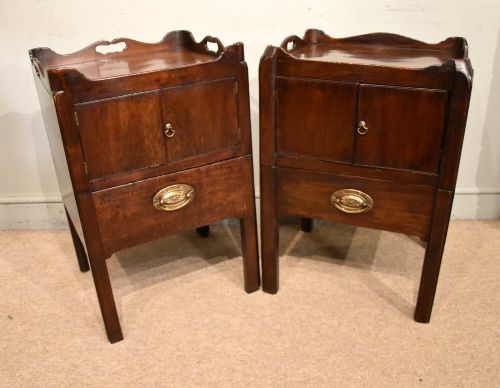
The selections available here range from eighteenth-century Georgian mahogany examples to nineteenth-century Victorian walnut and satinwood pieces, alongside Art Deco designs from the 1930s. Buyers frequently encounter matched or true pairs in mahogany, walnut, and oak, reflecting how these utilitarian items were traditionally made for either side of a bed.
Materials and Construction
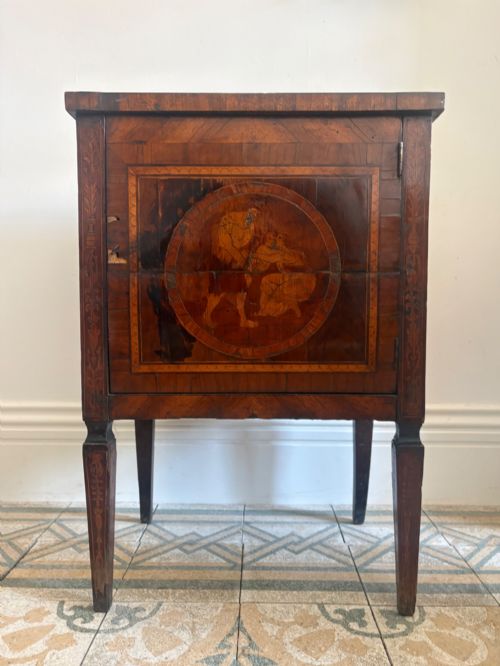
Cabinetmakers relied heavily on dense hardwoods such as mahogany, walnut, and oak, often applying figured veneers like flame mahogany or burr walnut to visible surfaces. Marquetry inlay, satinwood banding, and brass hardware added decorative contrast to otherwise functional bedroom furniture.
Many continental and later British pieces incorporate inset marble tops designed to resist water and staining from washing apparatus or bedside pitchers. Structural joinery involved traditional techniques suited to small case furniture, ensuring stability for daily use.
Antique Night Cupboard Retail Price Guide 2026
Typical asking prices for night cupboard among the pieces listed under this phrase on Sellingantiques today, from the lower quarter to the upper quarter. They describe what is for sale here now, not the wider market.
Faux bamboo finishes from the nineteenth century prove that even bedside storage once embraced botanical disguise.
Distinctions in Quality
Superior examples demonstrate careful selection of timber figure, such as matching flame mahogany or symmetrical burr walnut veneers across a pair of cabinets. The handling of secondary woods, drawer linings, and the crispness of inlaid marquetry indicate the workshop standard behind the piece.
Proportion and integrity dictate value, where unaltered Georgian originals or well-executed nineteenth-century interpretations retain their original hardware, feet, and internal shelving without modern modifications.
The Antique Night Cupboard Glossary
- Pot cupboard
- A small bedside cabinet originally designed to enclose a chamber pot behind a single door or within a drawer. These items frequently doubled as washstands or general nightstands.
- Nightstand
- A small table or cabinet positioned beside a bed for holding lamps, books, or personal items. The term encompasses both open bedside tables and enclosed cupboards.
- Marquetry
- Decorative patterns formed by fitting together thin veneers of various wood types, sometimes combined with other materials like brass. This technique adorned the door fronts and tabletops of finer cabinets.
- Close stool
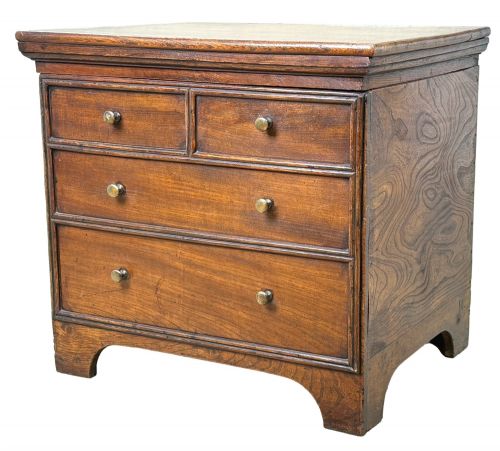
- An early form of enclosed seat or chest concealing a chamber pot, often styled similarly to a small bedside chest. Elm and mahogany were common materials for these functional items.
- Tambour
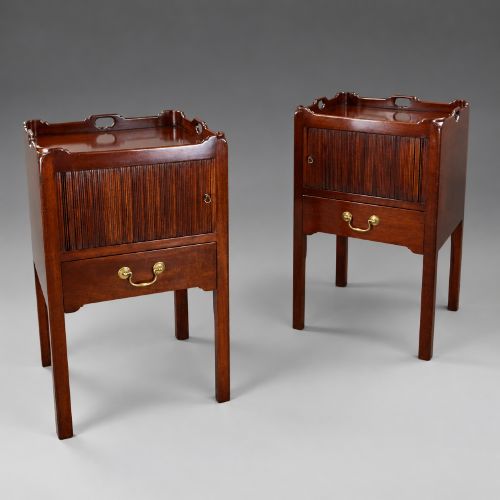
- A flexible shutter door constructed from narrow vertical strips of wood glued to a canvas backing. This mechanism allowed smooth access to internal storage on specialised bedside tables.
Antique Night Cupboard: Frequently Asked Questions
What is an antique night cupboard used for?
These cabinets originally served to store chamber pots, washing equipment, and personal belongings within a bedroom. Today, they function as practical bedside tables offering concealed storage alongside surface space for lamps and books.
Are night cupboards usually sold in pairs?
Many examples on the market are offered as pairs, particularly those dating from the Victorian era and the 1930s. Single pieces are equally common, reflecting how bedrooms were originally furnished with matching or complementary bedside furniture.
How do I identify a Georgian night cupboard?
Georgian pieces generally feature solid mahogany construction, restrained classical proportions, and understated bracket feet or square legs. Many incorporate clever internal arrangements, such as pull-out tray shelves or enclosed pot compartments.
Why do some bedside cabinets have marble tops?
Marble surfaces provided a durable, water-resistant area for washing bowls, pitchers, and bedside water jugs. This feature is particularly common on European and late nineteenth-century walnut or mahogany pieces.