

Antique Neoclassical Mirror
An antique neoclassical mirror brings architectural proportion and reflective light to a room through crisp symmetry and classical ornamentation.
Antique Neoclassical Mirror
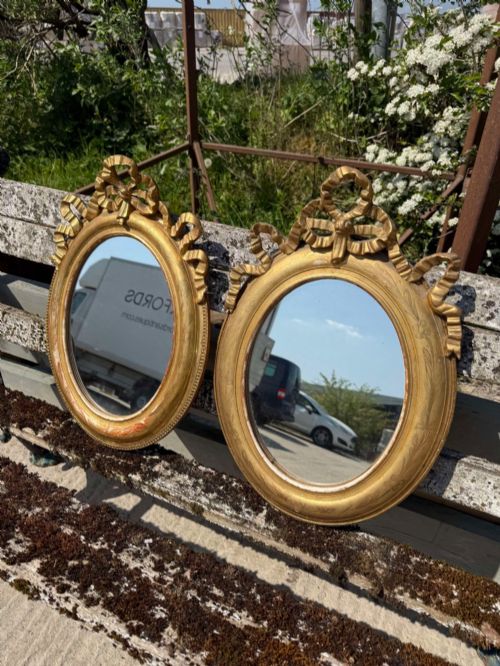
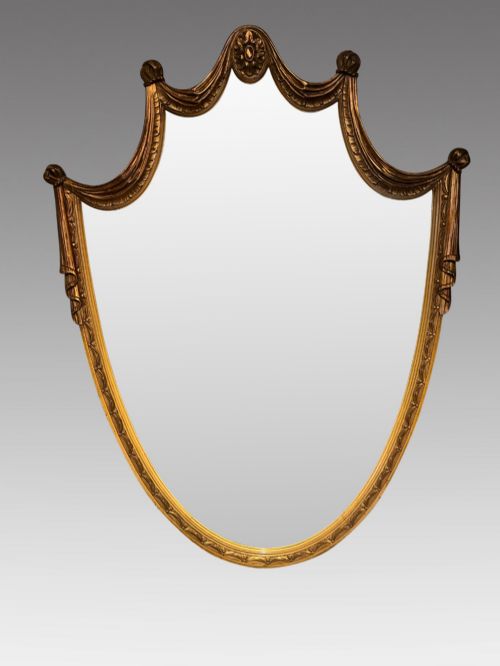
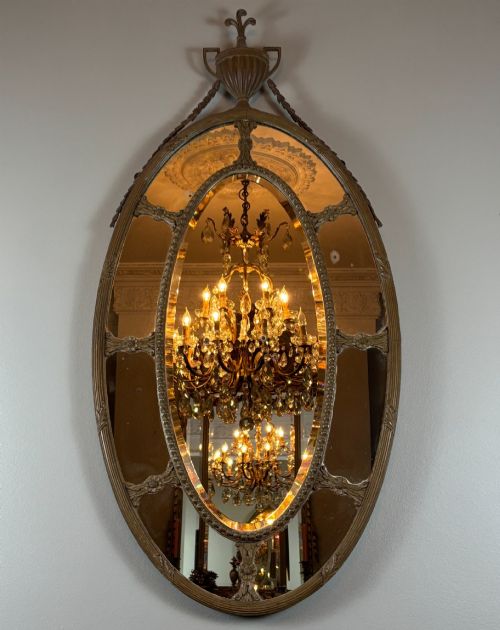
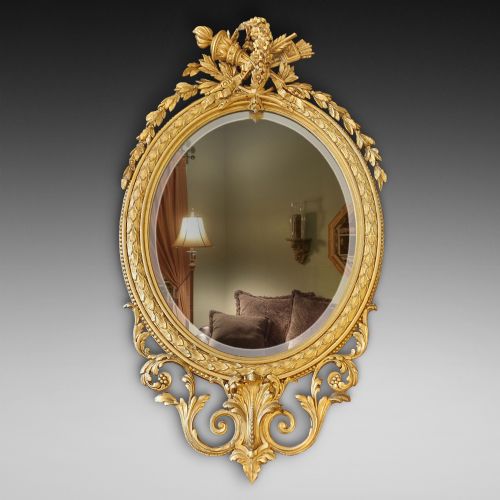
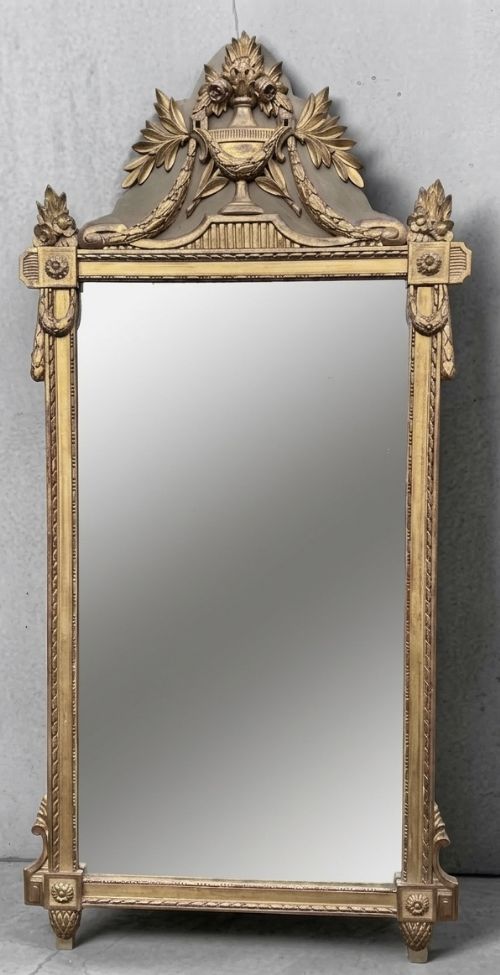
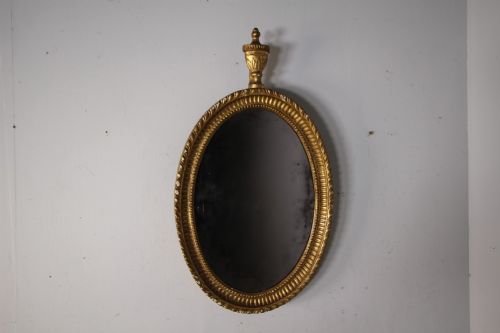
An antique neoclassical mirror draws upon classical Greek and Roman motifs, translating architectural columns, urns, swags and lion masks into decorative framing for glass.
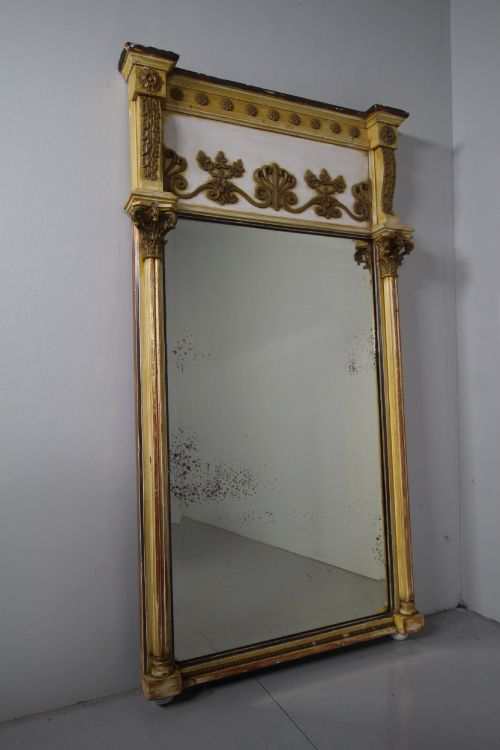
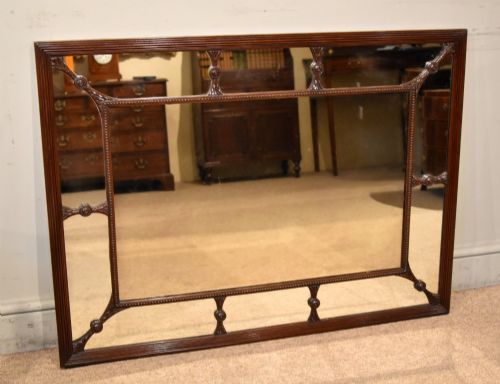
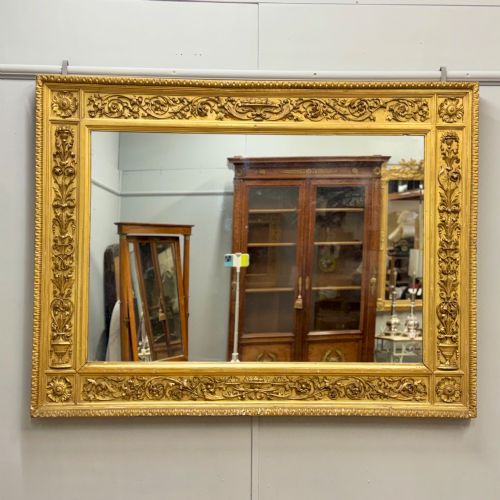
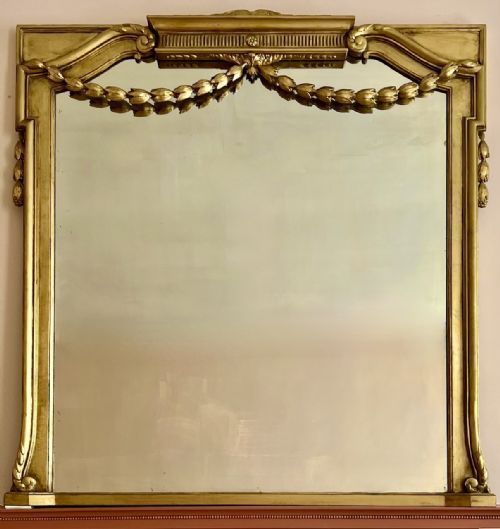
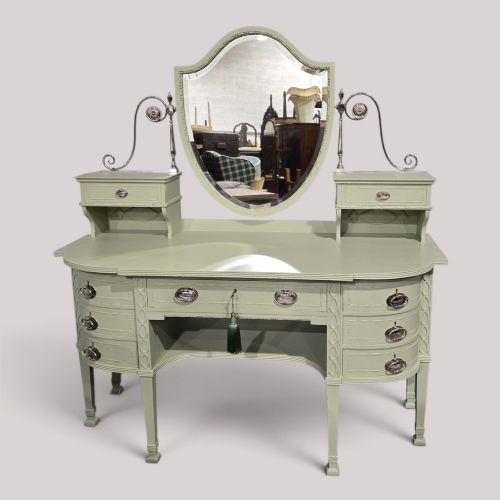
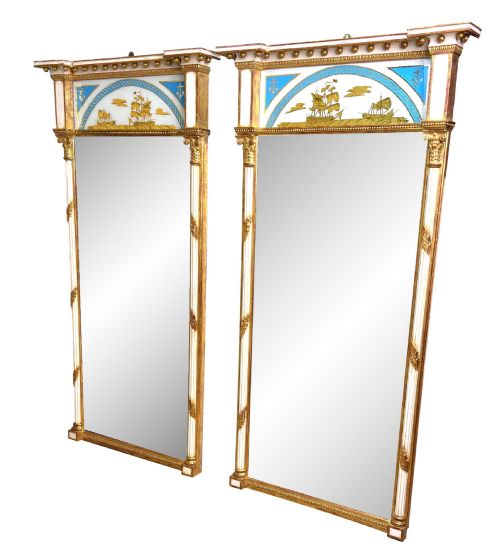
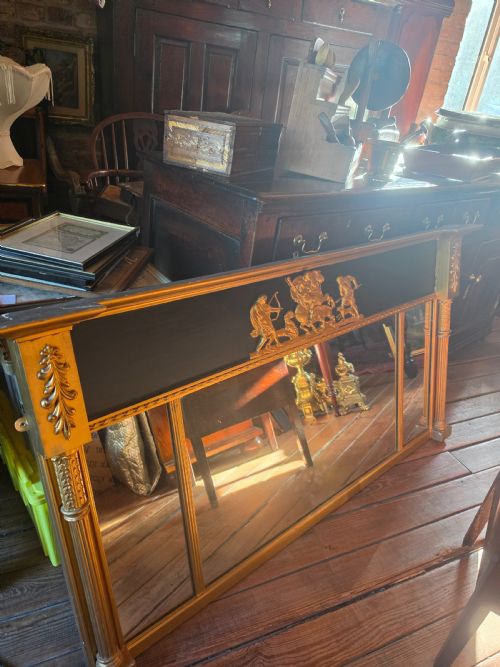
Buyers seeking this phrase encounter wall mirrors, tall pier mirrors designed for spaces between windows, and low, wide overmantels built to sit above hearths.
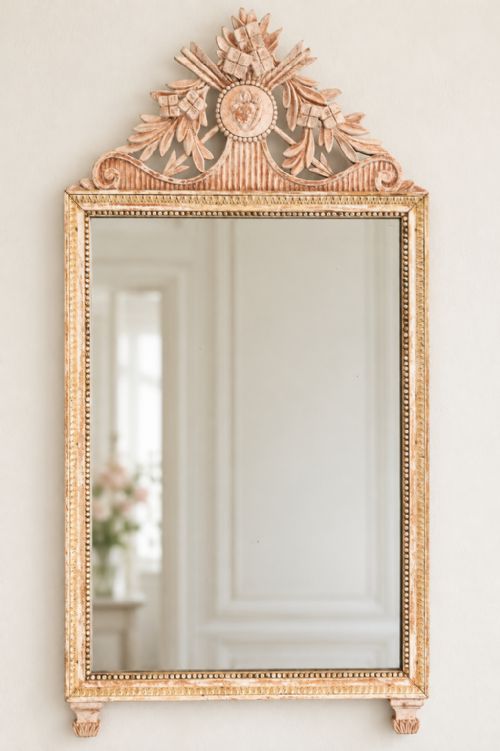
The pieces appearing here span the eighteenth and nineteenth centuries, taking specific shape through Georgian, Regency, Adam revival and Louis XVI styles.
How they were made
Carvers shaped wooden frames from pine, oak or mahogany before applying layers of gesso to build up crisp relief for ornamentation.
Gilders finished these surfaces using gold leaf or painted schemes, sometimes combining parcel-gilt details with ebonised or green-painted wood.
Reflective surfaces relied on early mirror glass plates, including mercury plate and triple-plate configurations set within the carved housings.
Antique Neoclassical Mirror Retail Price Guide 2026
Typical asking prices for neoclassical mirror among the pieces listed under this phrase on Sellingantiques today, from the lower quarter to the upper quarter. They describe what is for sale here now, not the wider market.
One unexpected mirror frame depicts the biblical figure Anania driving her chariot.
What varies in quality
The depth and crispness of the carved detail separate high-tier pieces from simpler frames, particularly where delicate swags, urns and classical motifs meet the wood.
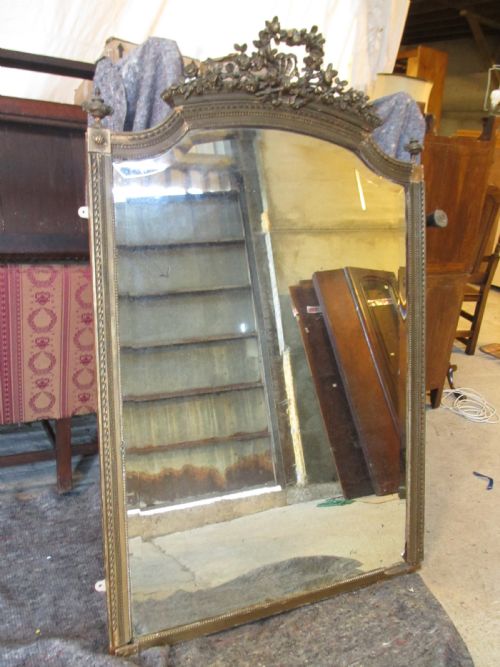
The preservation of original mercury glass plates and untouched giltwood surfaces dictates the historical integrity and visual resonance of the mirror.
Gillows Of Lancaster
The Antique Neoclassical Mirror Glossary
- Giltwood
- Wood coated with a thin layer of gold leaf. This finish defines the bright, reflective appearance characteristic of formal period frames.
- Gesso
- A plaster mixture applied to wood frames and carved. It provides a smooth base for subsequent gilding and intricate ornamentation.
- Pier mirror
- A tall mirror designed to hang on the wall space between two windows. These pieces often match the narrow proportions of the pier.
- Overmantel mirror
- A wide mirror made to hang above a fireplace mantel. It traditionally echoed the width of the hearth below it.
- Mercury plate
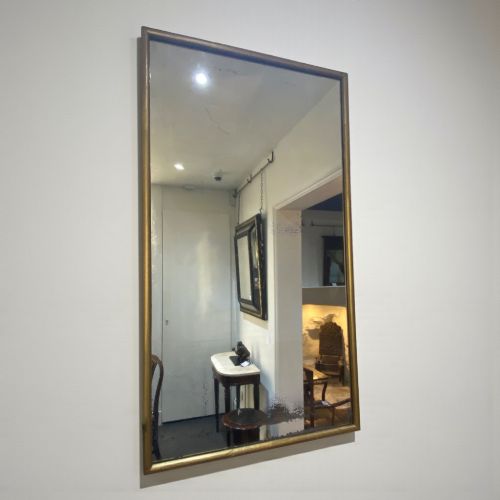
- An early type of mirror glass backed with a tin-mercury amalgam. It produces a characteristic mottled, deep reflection distinct from modern silvered glass.
Antique Neoclassical Mirror: Frequently Asked Questions
Where should I hang a pier mirror?
A pier mirror traditionally sits on the wall space between two windows, where it reflects incoming daylight back into the room.
In modern interiors, these tall vertical glasses work equally well on any blank wall requiring height and formal architectural presence.
How do I identify an overmantel mirror?
An overmantel mirror is characterised by its long, horizontal proportions designed to span the width of a fireplace mantel.
These pieces frequently incorporate classical motifs such as urns, swags and lion masks along the upper frame.
What is mercury glass?
Mercury glass refers to older mirror plates backed with a tin and mercury mixture rather than modern silver nitrate.
This historical technique creates a slightly uneven, dark and mottled reflection that collectors value for its authentic period character.
How do I date a giltwood frame?
Dating a giltwood frame involves examining the wood type beneath the surface, the composition of the gesso layer, and the style of the classical carvings.
Georgian and Regency examples display hand-carved relief work and construction methods distinct from later nineteenth-century revivals.