




Antique Needlework Artwork
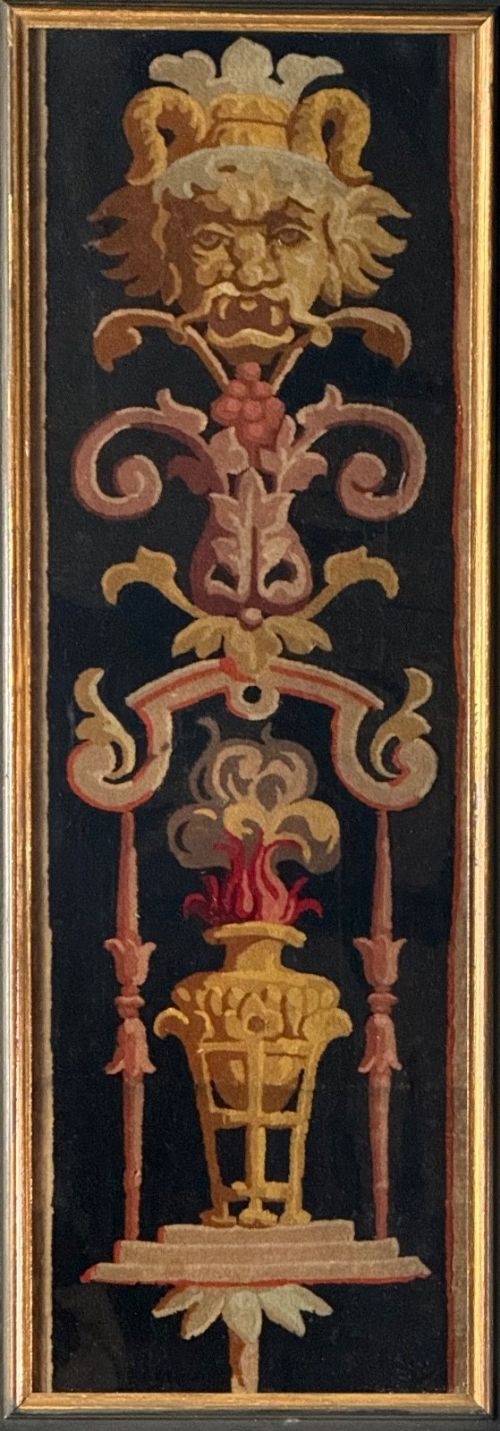
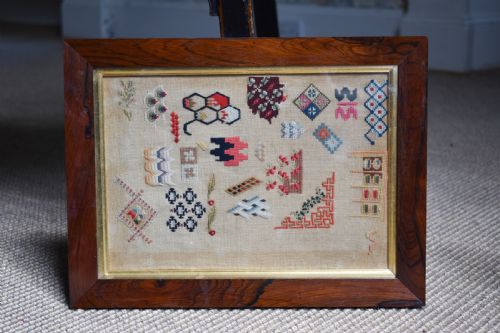
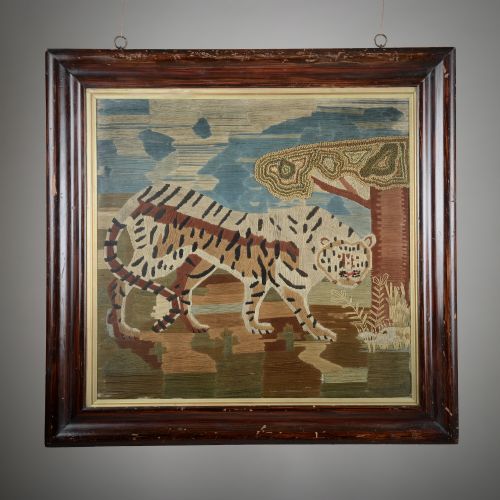
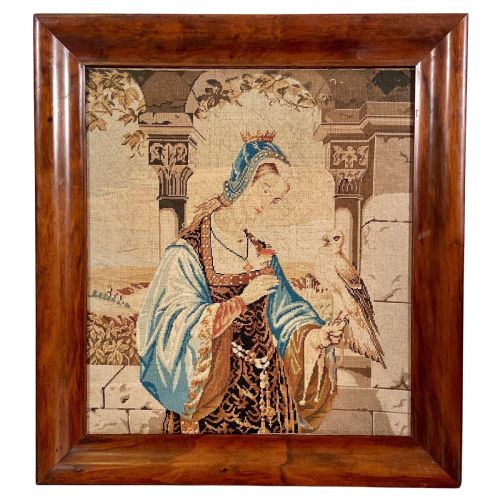
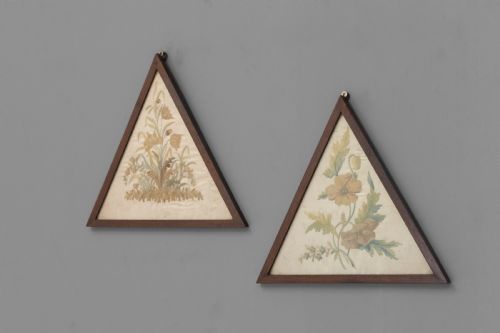
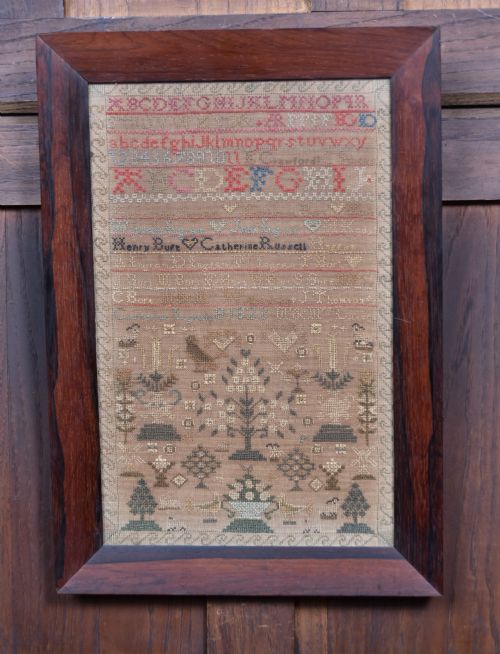
These antique needlework artwork pieces span centuries of hand-stitched portraits, pastoral scenes, and samplers framed for display.
Antique Needlework Artwork
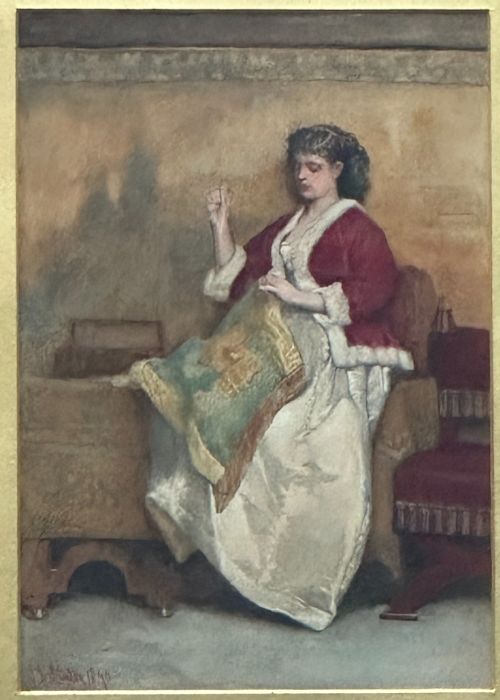
When you search for antique needlework artwork, you encounter everything from austere schoolroom samplers to elaborate pictorial silk embroideries designed for domestic display. The pieces span from the 17th century through the Victorian era, encompassing British, Continental, and Asian traditions.
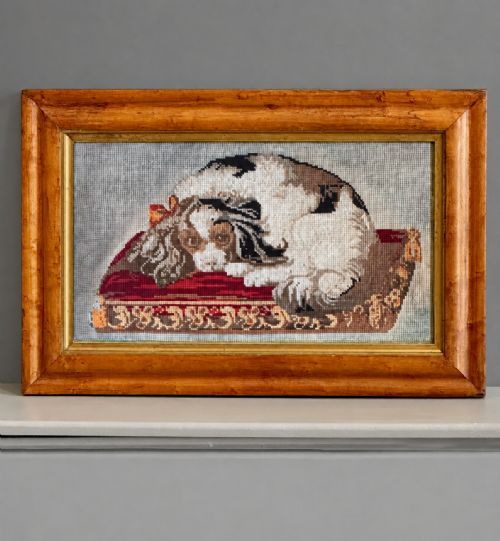
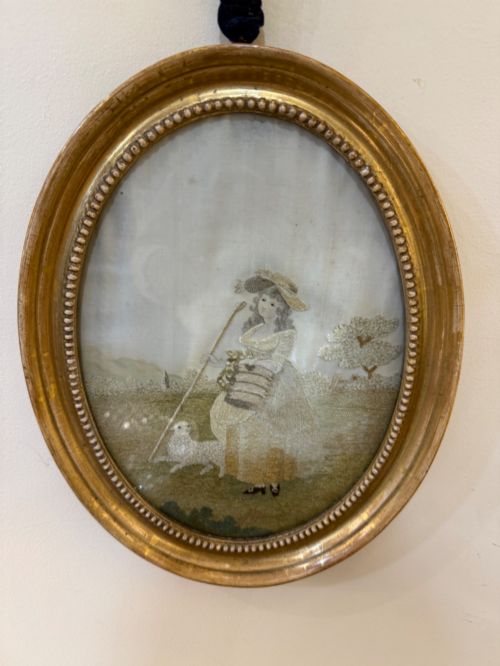
You are most likely to meet 19th-century woolwork pictures, Berlin wool work, and framed silk embroideries depicting animals, classical figures, or pastoral landscapes. Map samplers, religious scenes, and alphabet samplers also frequently appear, often preserved behind original glass or housed in burr maple frames.
Materials and construction
These works rely on natural fibres such as silk, wool, and linen canvas, often combined within a single composition to create texture and depth. Artisans utilised long stitch, gros point, crewel work, and Berlin work techniques to build detailed pictorial surfaces.
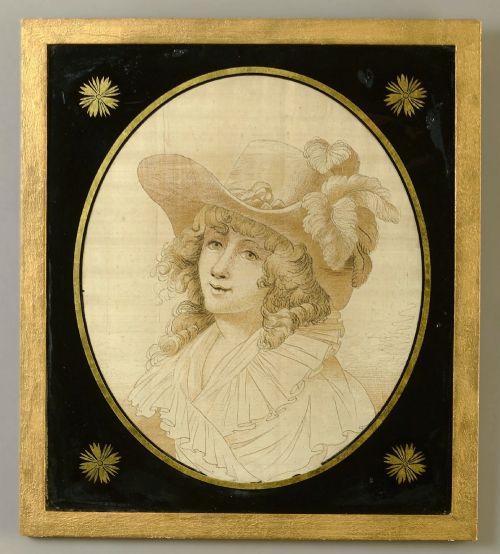
Framing is integral to the survival of these textiles, with many examples housed in period giltwood, gilded wood, or verre églomisé glass frames that protect the delicate threads from atmospheric damage.
Listings feature works spanning the 17th, 18th, and 19th centuries, utilising wool, silk, linen, and glass.
Assessing quality and execution
Quality rests in the precision of the stitching and the complexity of the colour palette employed by the maker. Finer examples display meticulous tonal shading in silk or wool that mimics the effect of a painted canvas.
The preservation of the ground fabric and the originality of the housing significantly influence the standing of a piece. Works retaining their original period frames and untainted textile grounds command greater appreciation among collectors.
Emma and Hannah Barnes·Jane Pattinson·Annabella Samon Christal Palace
The Antique Needlework Artwork Glossary
- Berlin work
- A style of counted-thread embroidery popular in the 19th century that utilised brightly coloured wools charted on squared paper. This technique allowed makers to produce dense, pictorial images of animals and domestic subjects.
- Sampler
- A piece of needlework produced by a maker to demonstrate proficiency in various stitches and alphabets. These often include dates, maker names, and pious verses.
- Verre églomisé
- A process of applying gold or silver leaf to glass along with painting and etching, frequently used for decorative antique picture frames. It creates a distinctive reflective border around the textile.
- Gros point
- A type of needlepoint stitch worked on a coarse canvas, yielding a durable and textured surface. It is commonly found in 19th-century pictorial panels and cushion covers.
- Crewel work
- Embroidery executed with fine wool yarn on a linen or cotton ground, traditionally used for decorative hangings and pastoral scenes.
Antique Needlework Artwork: Frequently Asked Questions
How do I date an antique sampler?
Many samplers include embroidered dates, maker names, or references to specific schools and historical events that narrow down their origin.
Stylistic shifts in lettering, alphabets, and surrounding floral borders also provide reliable clues for dating works without inscriptions.
What is the difference between Berlin work and crewel work?
Berlin work uses brightly coloured wools stitched onto canvas following a printed grid pattern, typically producing dense pictorial scenes.
Crewel work employs fine wool yarn worked freehand onto a linen ground, often featuring flowing floral or pastoral motifs.
How should I display textile art at home?
Needlework pieces require protection from direct sunlight to prevent the silk and wool threads from fading over time.
Hanging them in rooms with stable humidity levels helps preserve both the fragile textile fibres and the original wooden or glass frames.
Are these works always made by children?
While alphabet and map samplers were frequently worked by young girls as educational exercises, many pictorial panels were created by adult artisans.
Professional embroiderers and skilled amateurs produced elaborate silk and wool pictures for domestic display throughout the Georgian and Victorian periods.