


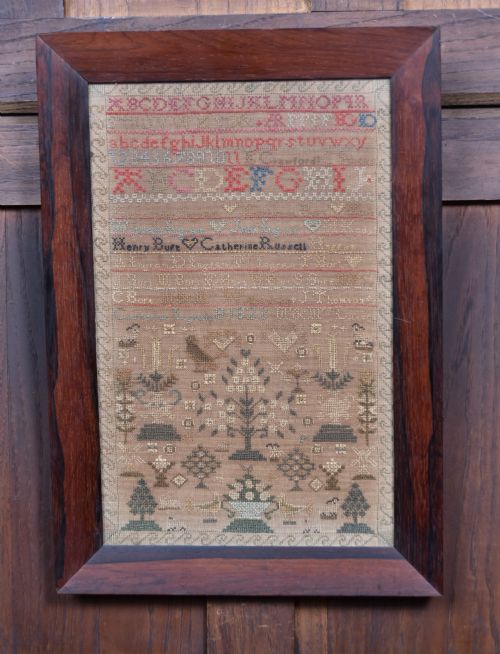


Framed Embroidery Artwork
These framed embroidery artwork pieces bring centuries of needlecraft, silk work and wool pictures directly to your walls.
Framed Embroidery Artwork
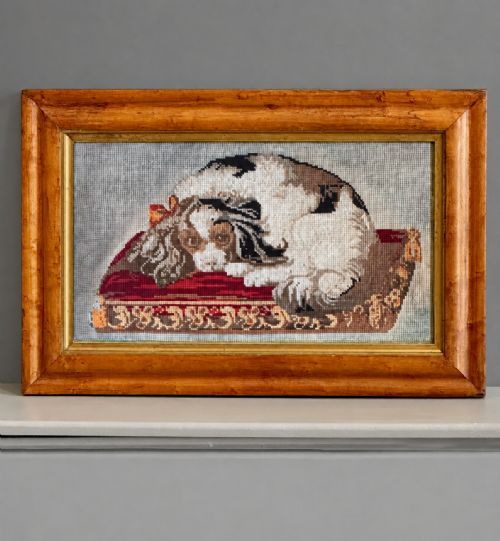
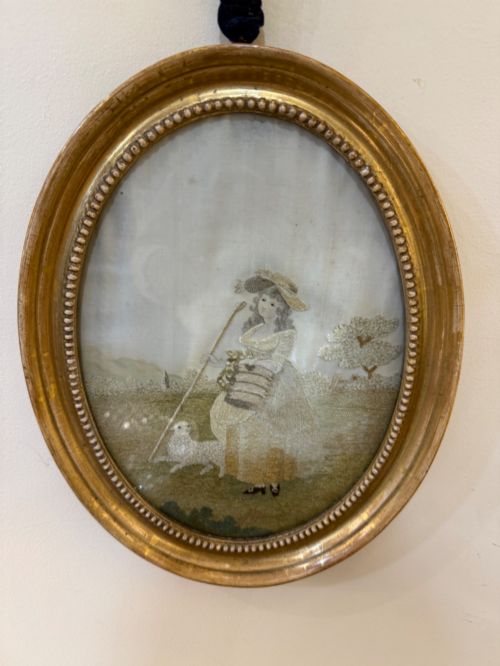
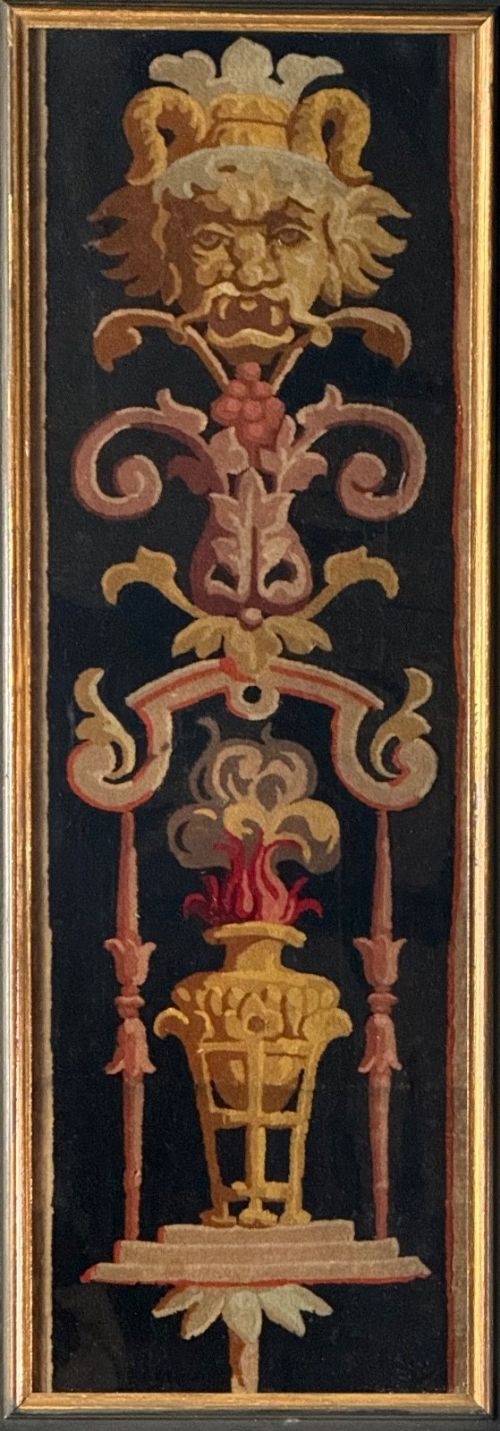
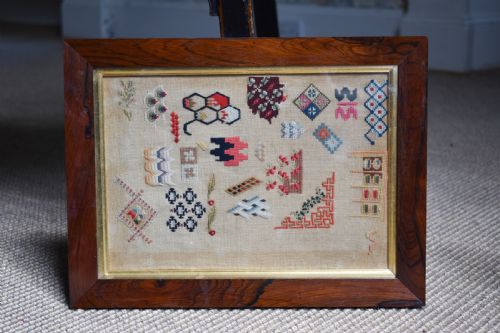
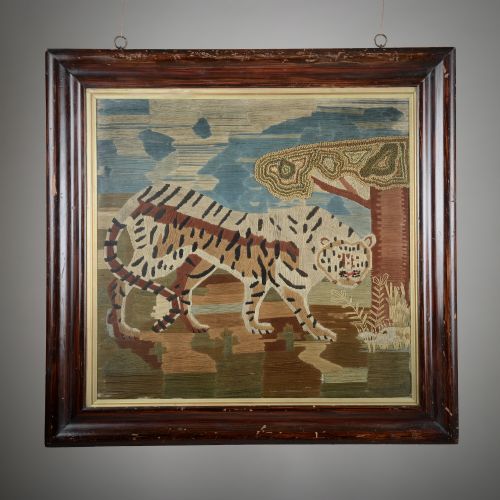
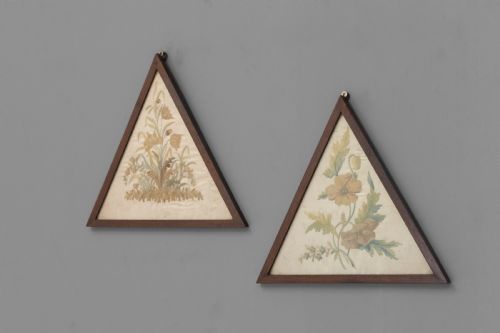
Framed embroidery artwork spans needlework pictures, samplers, tapestries and silk panels produced across the seventeenth, eighteenth, nineteenth and early twentieth centuries. These textile creations depict pastoral scenes, portraits, maps, animals, religious subjects and botanical studies rendered in thread.
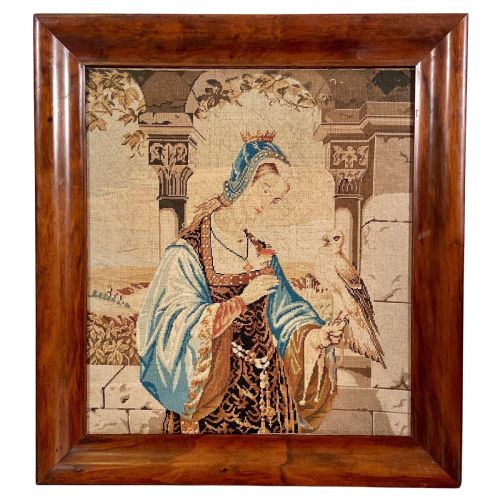
The most common examples encountered on this page date from the nineteenth century, including Berlin work, wool work pictures and alphabet samplers. These works range from humble domestic exercises to elaborate silk and wool compositions intended for display.
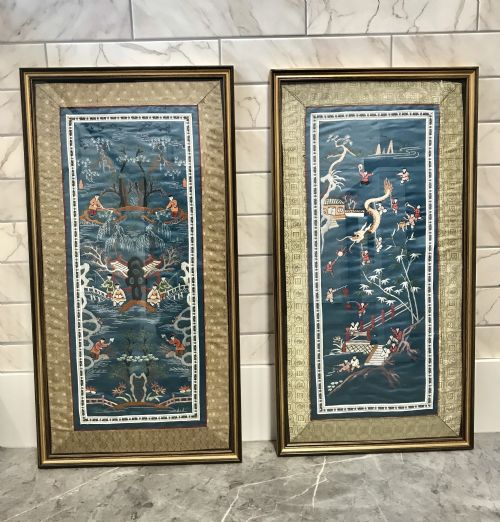
Origins vary widely across these listings, featuring English, Scottish, French, Italian, Chinese and Japanese needlework. Each regional tradition employs distinct stitches and subject matter, from classical female portraits to garden birds and mandarin ducks.
Materials and construction methods
Maker execution relies on silk, wool, thread, linen and canvas as the primary textile grounds and stitching mediums. Artisans worked stitches such as long stitch, gros point and crewel work to build texture and colour.
Framing forms an integral part of these pieces, utilising glass, wood, giltwood, burr maple and verre églomisé borders. These surrounds protect the delicate textile fibres while complementing the visual weight of the needlework within.
Framing materials across the inventory include burr maple, giltwood, verre églomisé and plain wood styles.
Distinctions in quality
The preservation of the textile and its original housing dictates lasting merit. Intact glass protection, stable silk or wool fibres without heavy fading, and period-correct frames such as burr maple or giltwood elevate the standing of a piece.
The Framed Embroidery Artwork Glossary
- Berlin work
- A style of nineteenth-century needlepoint worked in wool on canvas from printed grid patterns, often producing brightly coloured pictorial scenes.
- Sampler
- A piece of needlework demonstrating various stitches and alphabets, frequently worked by young women to practice technique and record names or dates.
- Verre églomisé
- A process of applying gold or silver leaf to glass combined with engraving and painting, frequently utilised for decorative antique picture frames.
- Gros point
- A coarse needlepoint stitch worked on canvas, typically forming durable and textured tapestries with bold pictorial clarity.
- Crewel work
- Embroidery executed with fine wool yarn on a linen or cotton twill fabric, known for traditional swirling floral and faunal motifs.
Framed Embroidery Artwork: Frequently Asked Questions
How should I clean framed embroidery artwork?
Textiles behind glass require minimal maintenance beyond dusting the exterior frame gently. Avoid moisture, chemical cleaners and direct sunlight to protect the fragile threads from fading and degradation.
Keep these works in stable indoor environments away from excessive humidity. Professional conservation is necessary if the fabric requires deeper restoration or reframing.
How do I identify the date of a needlework picture?
Stitched dates, names and locations provide the most direct evidence for dating samplers and pictorial panels. Stylistic cues such as costume, framing materials and framing types like burr maple or giltwood offer further chronological context.
Examining the reverse of the frame often reveals old paper backings, maker stamps or handwritten notes. Comparing the stitching technique and materials against known periods helps narrow down the decade of production.
Were all antique samplers made by children?
Many schoolgirl samplers and alphabet pieces were indeed worked by young pupils learning stitchcraft as part of their education. These often record names, ages and schoolhouses alongside religious verses or alphabets.
More advanced pictorial panels, maps and tapestry works were produced by skilled domestic stitchers or professional artisans. Adult makers created complex silk and wool compositions for parlour display and household decoration.
What frames are original to these textiles?
Period frames often include burr maple, moulded wood, octagonal giltwood or specialised verre églomisé glass panels. These surrounds match the aesthetic and manufacturing standards of the era in which the embroidery was stitched.
Replacing a degraded frame alters the historic character of the piece, though antique replacements from the same period are sometimes utilised. Examining the fit and backing paper provides clues to whether the frame has remained with the textile since creation.