




Gilt Framed Tapestry Art
Gilt framed tapestry art brings together textile skill and gilded surrounds, offering textured historical scenes for interior walls.
Gilt Framed Tapestry Art
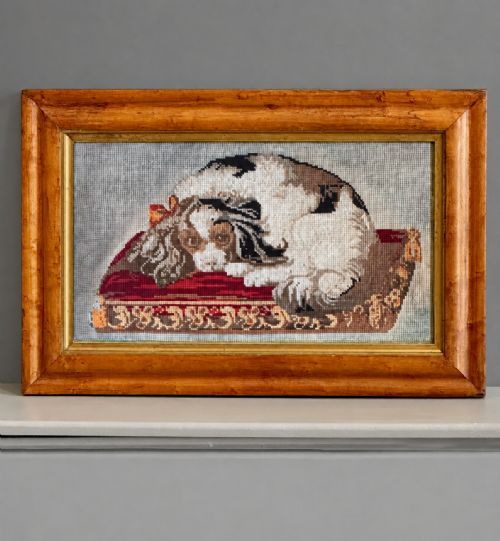
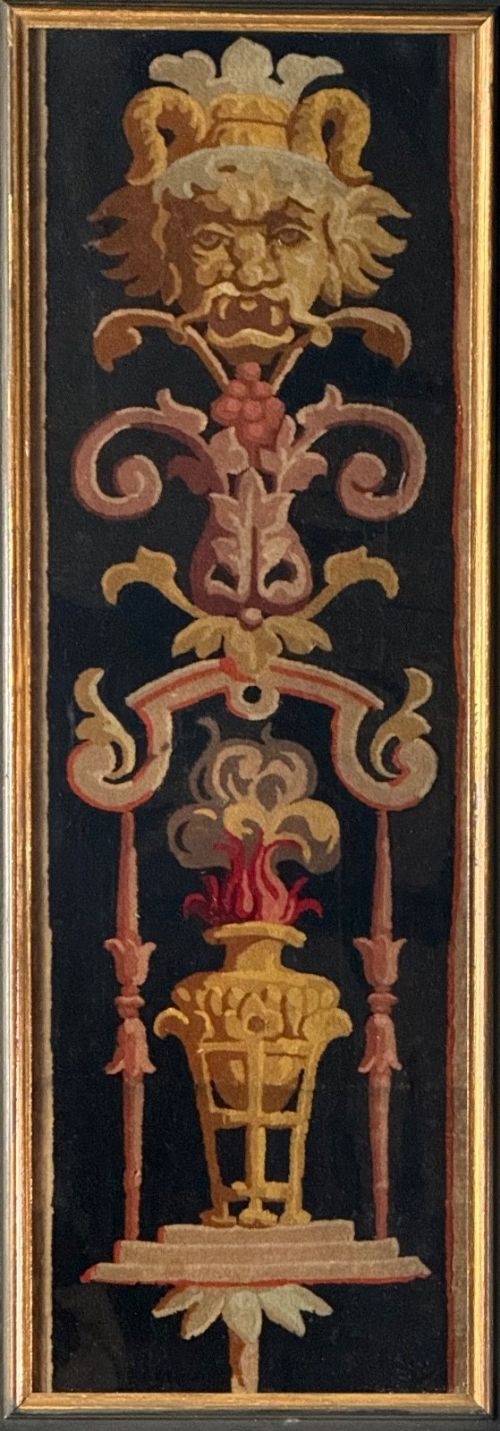
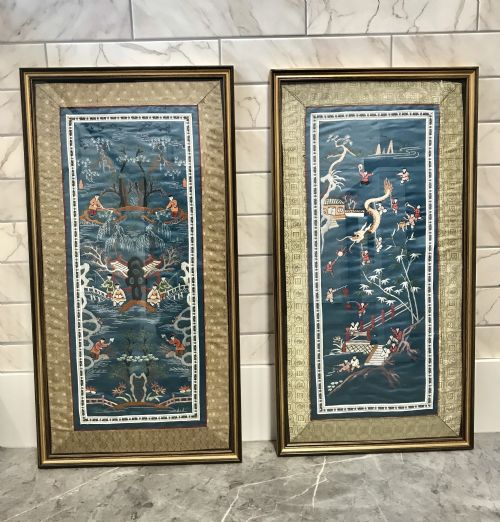
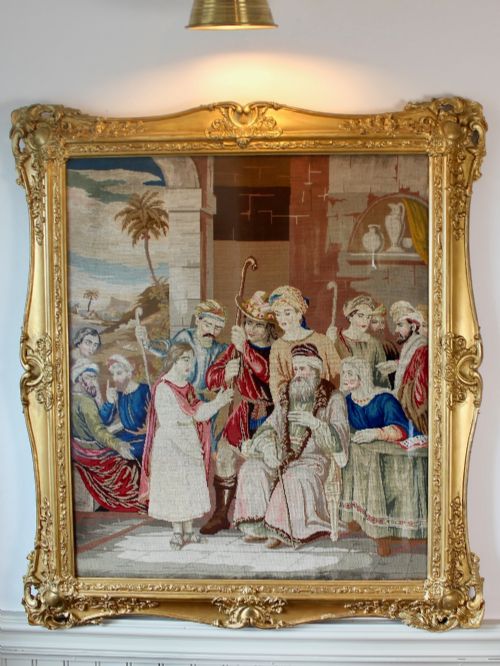
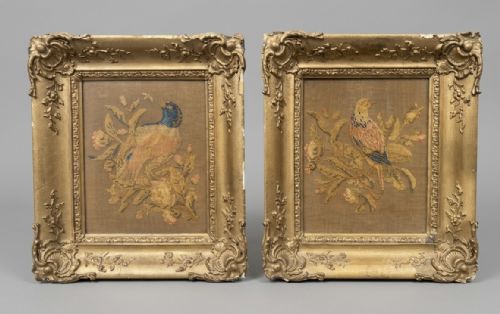
When you search for gilt framed tapestry art, you find needlework pictures, embroidered panels, and woolwork pieces housed within gold leaf, giltwood, or burr maple frames. These textile works range from small needlework samplers and silk pictures to large wall hangings depicting landscapes, portraits, and historical subjects. The pieces span several centuries, with nineteenth-century Berlin wool work and Victorian framed textiles appearing frequently alongside earlier continental and Georgian examples.
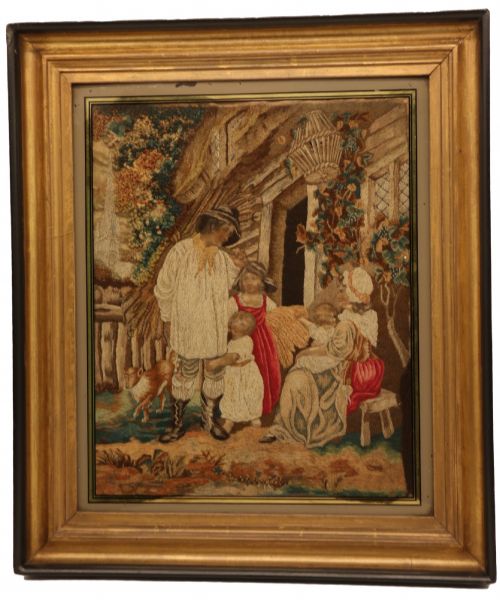
The subjects cover everything from classical figures and literary scenes to horses, maps, and botanical compositions. Many are worked on canvas or linen using wool, silk, and metal thread, often protected beneath glass. The frames vary from simple mouldings to elaborate Victorian rococo revival and verre églomisé designs that complement the textile within.
How they were made
Makers used wool, silk, felt, and metal thread, stitching by hand onto canvas, linen, or silk grounds. Techniques such as Berlin work, long stitch, crewel work, and needlepoint allowed artisans to build up dense pictorial surfaces and subtle gradations of colour. Silk and wool threads brought texture and depth to pastoral landscapes, portraits, and narrative scenes.
Wood frames were carved or assembled, then finished with gold leaf, giltwood, or painted highlights to enclose the textile art. Some works incorporate glass panels or specialised verre églomisé borders to frame the embroidery and protect the delicate fibres from dust and moisture over time.
Mary Mason stitched her age as twelve into her sampler, leaving a small, permanent signature of childhood past.
What varies in quality
Quality rests in the precision of the stitching, the complexity of the design, and the harmony between the textile and its frame. Finer examples display meticulous control of silk and wool work, creating detailed facial expressions, naturalistic foliage, and balanced compositions.
The character of the frame also dictates the tier of the piece, with original giltwood, burr maple, or verre églomisé surrounds elevating the overall presentation. Well-preserved textiles with vibrant, unfaded threads distinguish the finer works from simpler student samplers or later commercial productions.
The Gilt Framed Tapestry Art Glossary
- Berlin work
- A type of needlepoint embroidery popular in the nineteenth century, worked in wool on canvas from printed colour-grid patterns.
- Verre églomisé
- A decorative technique involving cold painting and gilding on the reverse side of glass, often used for picture borders.
- Crewel work
- Traditional surface embroidery executed using wool yarn on a plain-weave fabric ground, known for flowing floral and animal motifs.
- Needlework sampler
- A piece of fabric embroidered with various stitches, alphabets, or pictorial motifs to demonstrate the maker's skill.
- Giltwood
- Wood that has been coated with a thin layer of gold leaf or metallic powder, commonly found on decorative picture frames.
Gilt Framed Tapestry Art: Frequently Asked Questions
What periods do these pieces come from?
The pieces span from the seventeenth century through the Georgian and Regency eras into the Victorian period and the early twentieth century. Nineteenth-century examples, particularly Victorian Berlin wool work and mid-nineteenth-century needlepoint, appear most frequently in the listings.
Earlier continental panels and seventeenth-century embroidered fragments also occur, showing how textile arts persisted across multiple design movements and centuries.
How should I hang textile art safely?
Hang these works away from direct sunlight to prevent the silk and wool threads from fading over time. Maintaining a stable indoor climate protects both the delicate textile fibres and the wooden gilt frames from humidity changes.
Ensure the wall fixings match the weight of the framed piece, particularly for larger nineteenth-century wool work panels and heavy gilded frames.
Are these pieces original or later copies?
The listings comprise period pieces created across the seventeenth, eighteenth, nineteenth, and early twentieth centuries. Materials such as hand-spun wool, silk, period canvas, and traditional gilding techniques help establish their age.
Many retain their original burr maple, giltwood, or verre églomisé frames, which provide further physical evidence of their period of origin.
What subjects are common in these embroideries?
Common subjects include classical figures, historical scenes, horse racing tracks, map samplers, and detailed floral or animal compositions. Makers also depicted literary narratives, religious events, and portraits of notable figures.
These varied themes reflect the domestic education, artistic ambitions, and popular visual culture of the makers during their respective periods.