

Antique Naval Painting
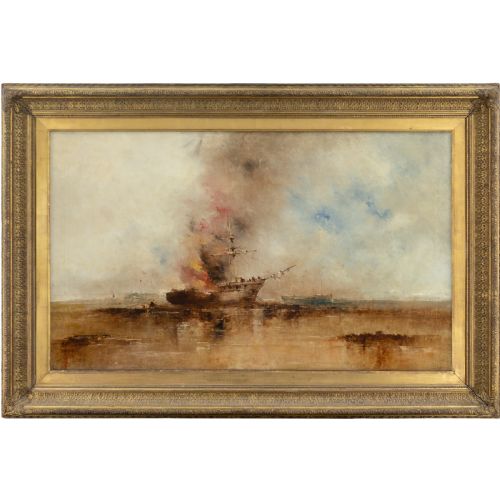
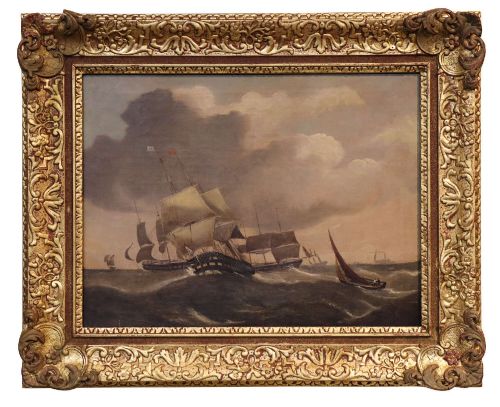
An antique naval painting captures the drama of historic fleets, majestic warships and coastal engagements.
Antique Naval Painting
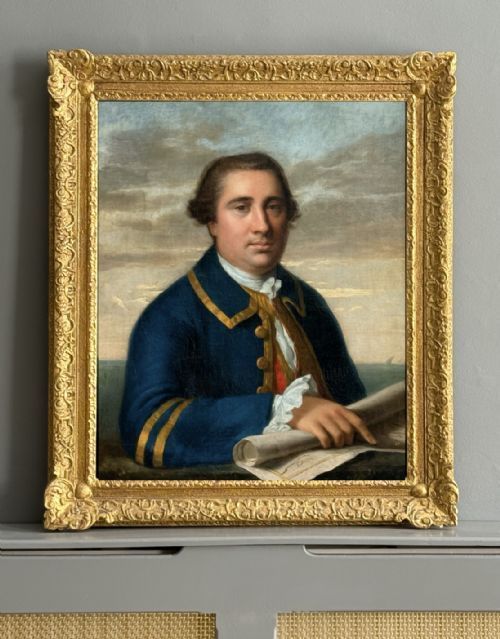
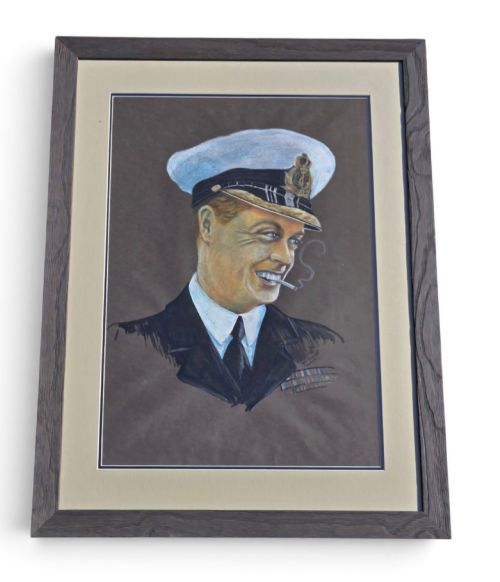
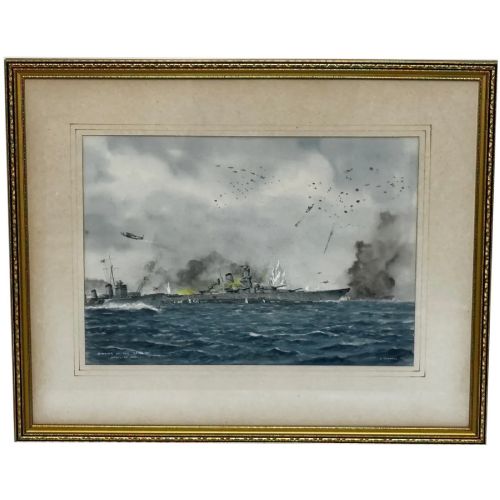
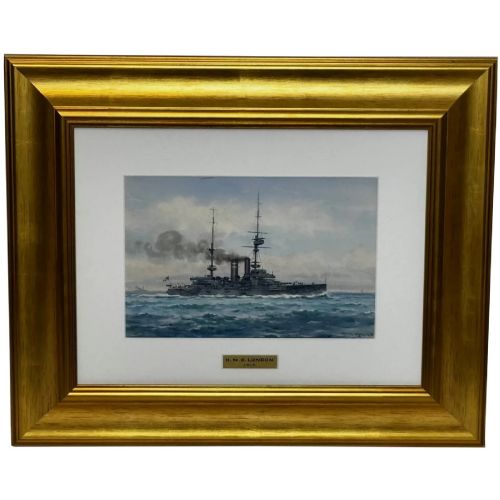
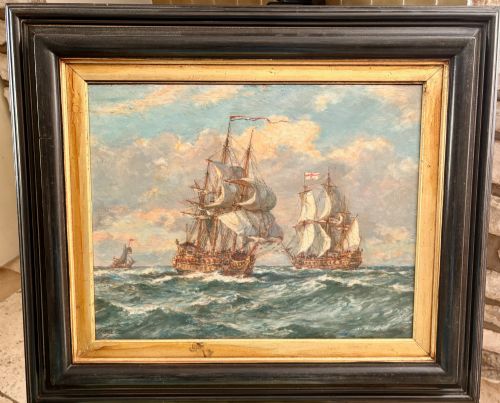
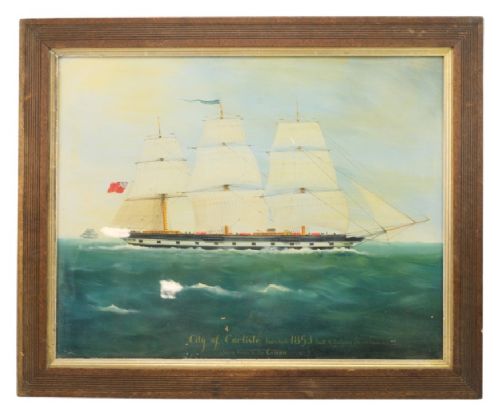
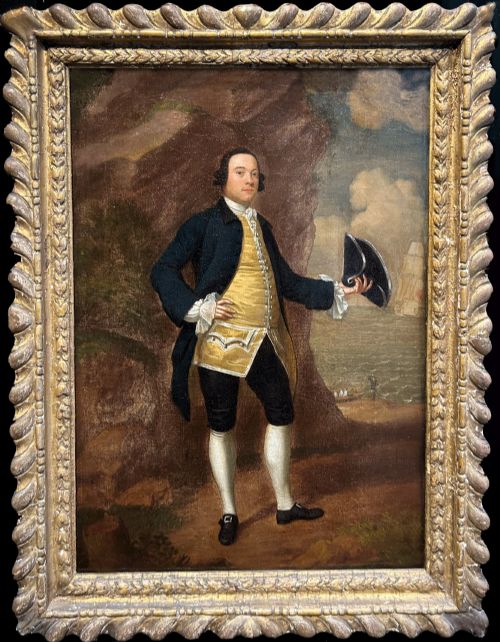
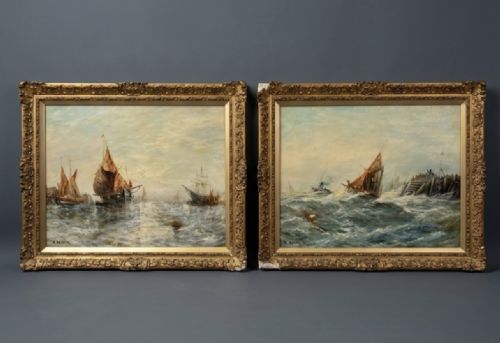
An antique naval painting captures centuries of maritime history, ranging from bustling harbour scenes and quiet coastal anchorages to intense sea battles and stately portraits of naval officers. Buyers searching this phrase encounter works that document specific vessels, famous engagements like Trafalgar, and the daily reality of sailors across the eighteenth, nineteenth, and early twentieth centuries.
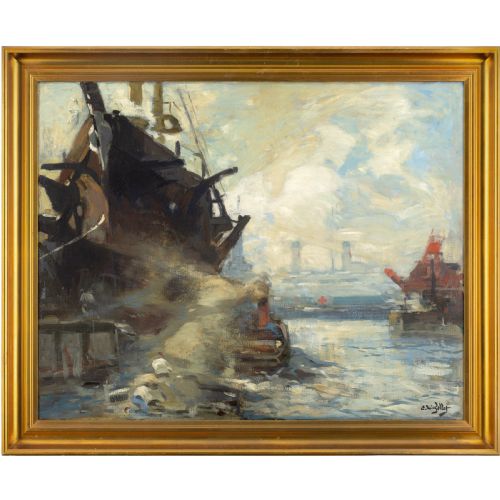
Oil paintings on canvas and panel form the majority of these works, alongside detailed watercolours and gouache pieces. Mediums span from intimate portrait miniatures of captains to large statements framed in original giltwood, reflecting the changing tastes of maritime patrons across Georgian, Regency, Victorian, and Edwardian periods.
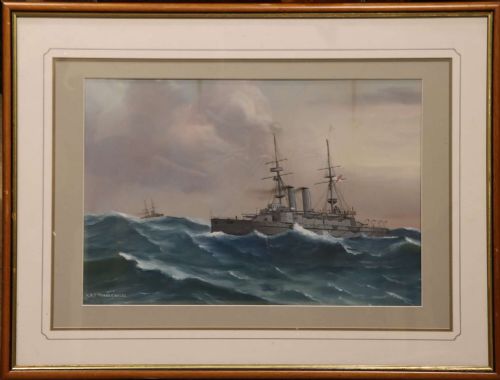
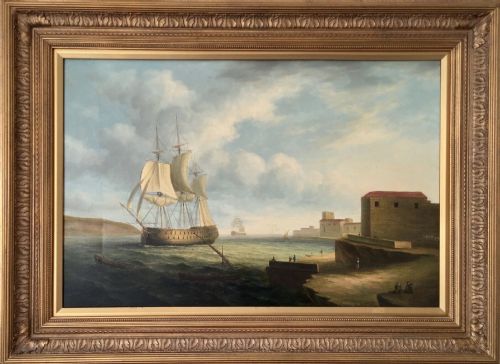
The selection includes atmospheric depictions of named warships such as the HMS Prince of Wales alongside anonymous records of merchant vessels, ironclad battleships, and royal yachts. Many works set their scenes near familiar coastal landmarks, capturing the interplay of changing light on sails, rigging, and troubled waters.
How they were made
Artists relied primarily on oil paint applied to prepared canvas or wooden panels, building rich textures for churning seas and heavy skies. Watercolour and gouache on paper offered a swift medium for capturing fleeting atmospheric conditions at sea, often finished with protective glass and simple frames.
Giltwood frames frequently complement these artworks, providing a formal setting that accentuates the depth of the maritime palette. Wood panels and pine supports also appear, offering rigid foundations for detailed port portraits and historical battle scenes.
Materials recorded in current inventory include oil paint, giltwood frames, glass, paper, and various woods.
What varies in quality
Quality rests upon the artist's grasp of maritime architecture, rigging accuracy, and the behaviour of wind and water. Works by named painters or established circles demonstrate a superior command of perspective and natural light compared to routine topographical records.
The survival of the original frame and the clarity of the surface condition influence the standing of a piece. Strong compositions that successfully balance human narratives aboard deck with the technical specifics of naval vessels command greater visual presence.
James Hardy·Eugène-Louis Gillot·William McAlpine·Lemuel Francis Abbott·Frank Watson Wood·Bernard Gribble·Francis Hayman·Nicholas Condy·Charles William Adderton·Vincenzo D’Esposito·Henry Bone·Claude Lorrain·John Simmons·Samuel Owen·Francis Moltino·Martin Snape·Charles Bryant·Francis Swaine·Richard Livesay
The Antique Naval Painting Glossary
- Gouache
- An opaque watercolour paint that dries to a matte finish, frequently utilised in maritime works to render bright highlights on sails and foaming water.
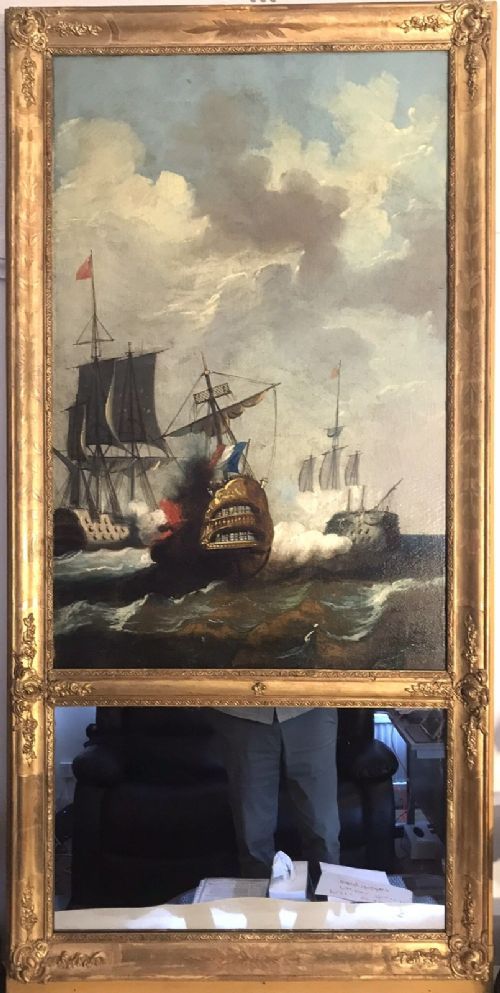
- Trumeau
- A decorative architectural mirror featuring an oil painting or print set into the upper portion, combining wall art and glass.
- Giltwood
- Wood carved and coated with gold leaf, commonly used to frame fine art and mirrors from the eighteenth and nineteenth centuries.
- Grisaille
- A painting executed entirely in shades of grey or neutral monochrome, often employed to mimic sculptural reliefs or preliminary studies.
- Panel
- A rigid wooden board used as a painting support instead of stretched canvas, common in earlier works.
Antique Naval Painting: Frequently Asked Questions
What subjects appear in these paintings?
Artworks depict named warships, historic sea battles, royal yachts, merchant vessels, and formal portraits of captains and naval officers. Scenes range from turbulent open waters to calm coastal harbours.
Many pieces record specific vessels and historical engagements, offering a direct window into the heritage of seafaring nations.
How do I identify the period of a piece?
Stylistic clues include the rigging and design of the ships depicted, the cut of the uniforms worn by officers, and the framing materials. Georgian and Regency works often show square-rigged ships of the line, while later Victorian and Edwardian pieces feature ironclads and steam vessels.
Signatures, artist attribution, and framing techniques further assist in narrowing down the date of execution.
Are watercolours as durable as oils?
Watercolour and gouache paintings on paper require protection from direct sunlight under glass to prevent fading of the pigments over time. Oil paintings on canvas or panel offer greater resilience, though both mediums benefit from stable indoor environments away from excessive moisture.
Proper framing helps preserve the structural integrity of the paper or canvas support for future generations.
Where were these paintings originally displayed?
Historical maritime art hung in naval mess halls, captain's quarters, maritime offices, and private domestic residences of shipping merchants and officers. Coastal families and collectors acquired them to celebrate naval victories or commemorate service.
Today, these works suit studies, living rooms, and libraries, serving as focal points that connect modern interiors with maritime history.