

Antique Mustard Pot
When you handle an antique mustard pot, you touch a small domestic container designed to serve condiments at the dining table with considerable elegance.
Antique Mustard Pot
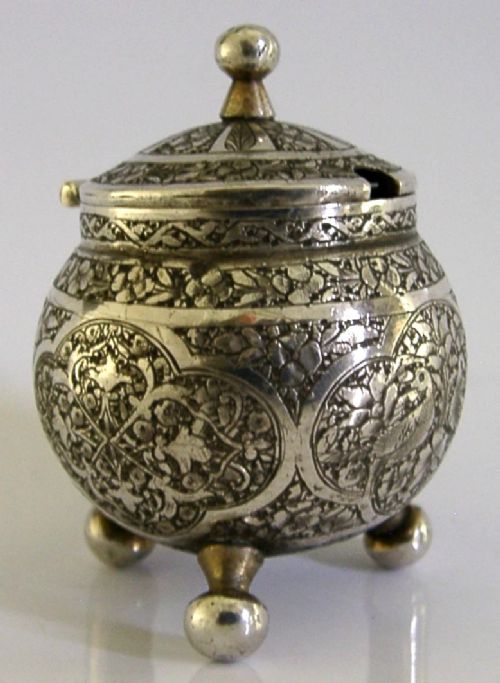
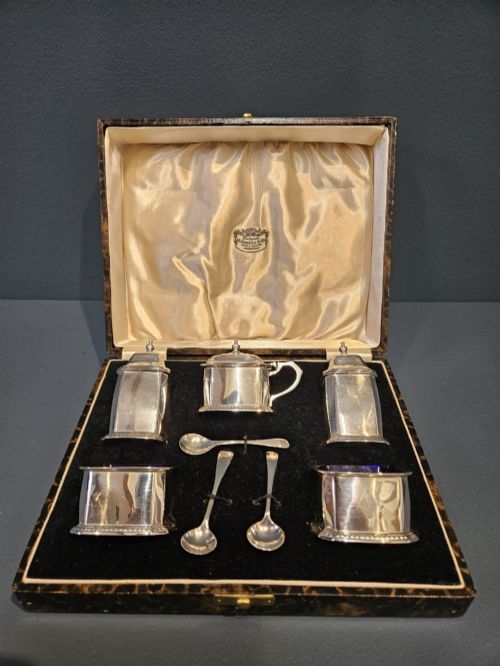
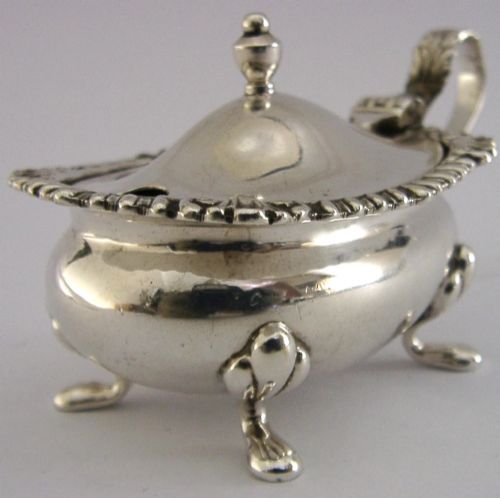
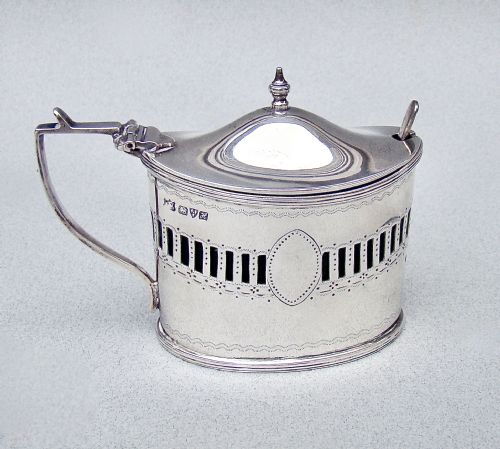
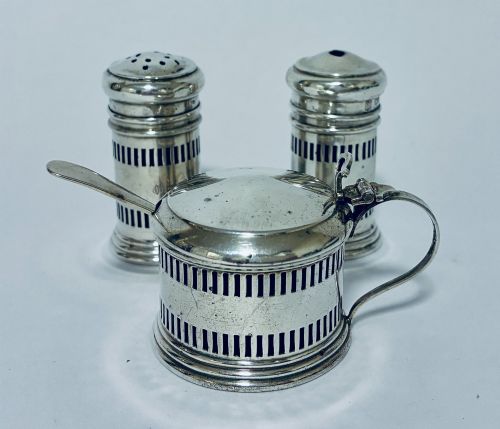
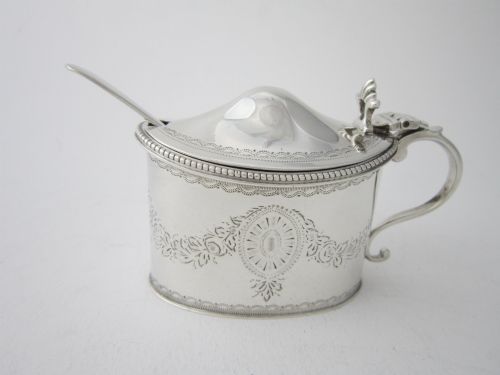
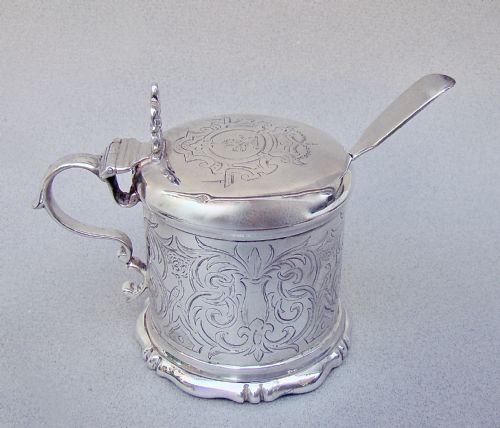
An antique mustard pot serves as a small table condiment container, traditionally shaped as a drum, tankard, or oval vessel designed to hold prepared mustard alongside a matching spoon.
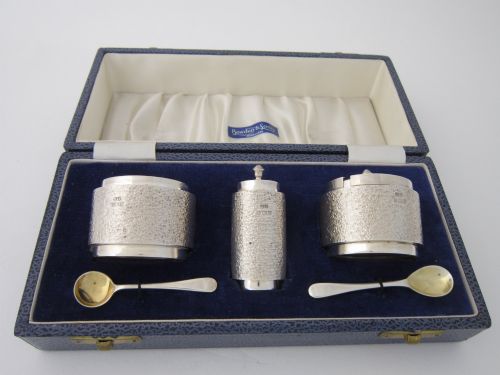
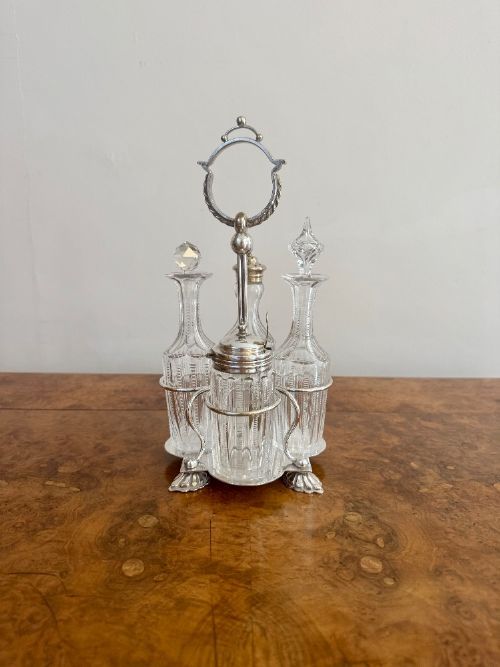
The pieces found on this page span from the Georgian period through the Victorian, Edwardian, and Art Deco eras, encompassing sterling silver, silver plate, and cut glass bodies.
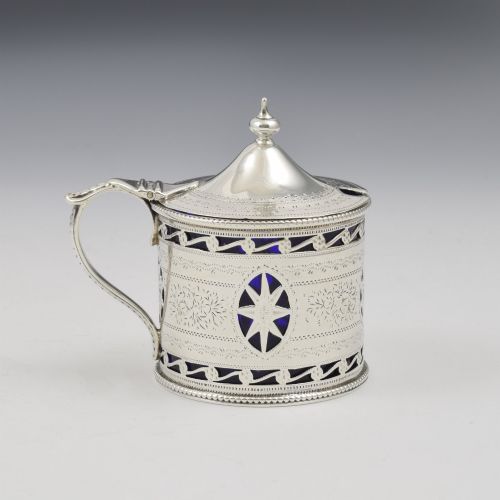
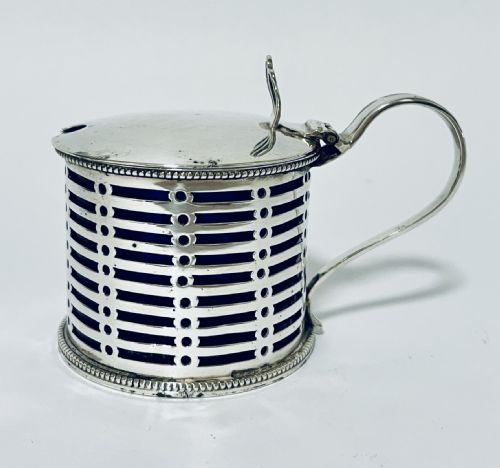
Collectors frequently encounter drum mustard pots featuring pierced silver galleries, often lined with cobalt or blue glass inserts to protect the metal from vinegar corrosion.
How They Were Made
Silversmiths utilised sterling silver and silver plate to construct the body of the pot, often employing piercing techniques to create intricate geometric or floral patterns.
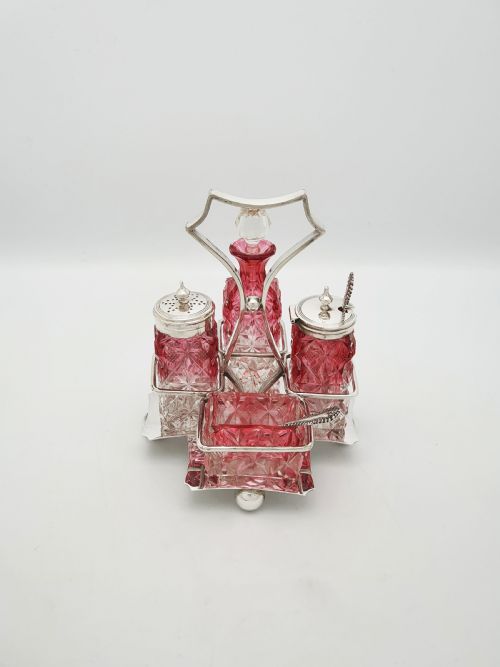
Glassmakers produced liners and jars using cut glass or coloured glass, including cobalt blue and cranberry flashed varieties, which fit snugly inside the silver framework.
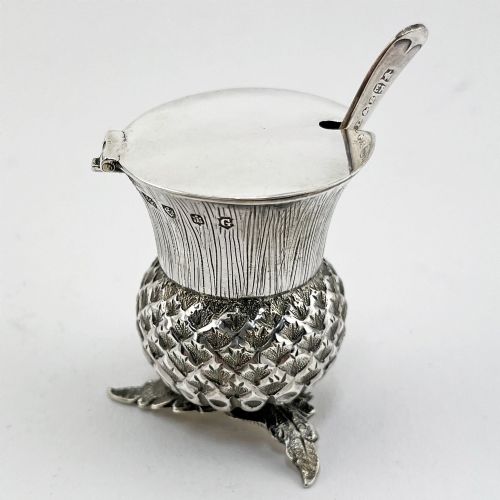
Some Victorian makers turned mustard containers into novelty figures, shaping them as thistles, milk cans, or animals with glass liner eyes.
What Varies in Quality
Quality rests upon the weight of the metal and the precision of the piercing, where hand-cut lattice work demonstrates superior craftsmanship compared to cast or stamped alternatives.
The presence of original glass liners matching the contours of the silver body elevates the integrity of the piece, alongside clear hallmarking for maker and date.
Alfred Marston·Nathan and Hayes·Charles and George Fox·William Neale·Mappin Brothers·Charles Fox II·Matthew Boulton·Omar Ramsden
The Antique Mustard Pot Glossary
- Pierced work
- Metal cut through in decorative patterns to reveal the coloured glass liner beneath. This technique lightened the object visually while maintaining structural strength.
- Liner
- The removable glass insert that sits inside a pierced silver pot. Liners protected the silver from the acidic properties of mustard.
- Cruet set
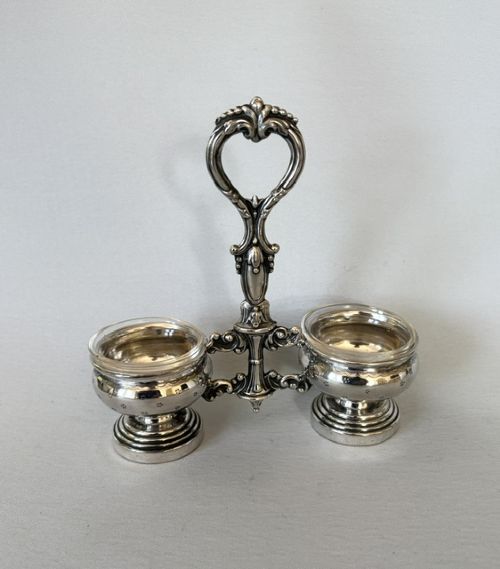
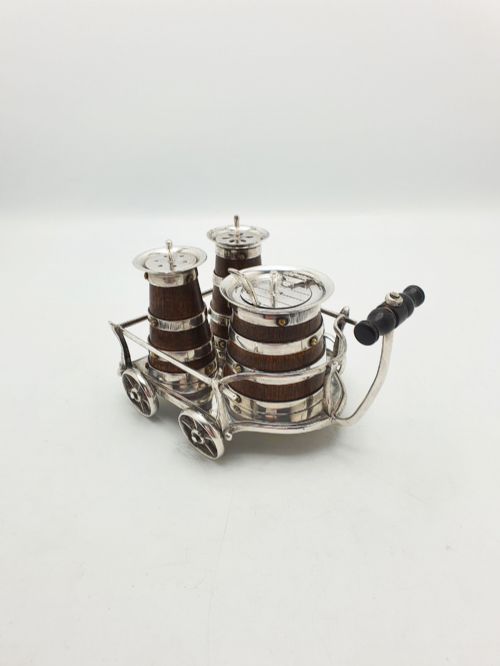
- A matched group of condiment containers holding mustard, salt, pepper, and oil. These sets sat on frames or stands at the centre of the dining table.
- Drum mustard pot
- A cylindrical vessel shaped like a small drum, popular during the Georgian and Victorian periods. This form often featured a flat hinged lid and a scroll handle.
- Hallmark
- Official stamps struck into precious metals to indicate the assay office, standard of purity, and year of manufacture. These marks provide a secure method of dating the silver.
Antique Mustard Pot: Frequently Asked Questions
How were mustard pots used?
They sat on the dining table as part of a condiment service, allowing diners to spoon mustard onto their plates.
Servants or hosts filled them with prepared yellow or brown mustard before meals.
How do I date a silver mustard pot?
You examine the hallmarks stamped on the metal, which reveal the assay office, silver standard, and year code.
Stylistic details like Georgian drum shapes or Art Deco geometric lines also point to specific eras.
Why do some pots have blue glass?
Cobalt blue glass liners were inserted into pierced silver pots to protect the metal from vinegar corrosion.
The bright blue colour also created a decorative contrast against the open silverwork.
Can I use an antique mustard pot today?
These pots function well for serving condiments during dinner parties or adding character to a modern table setting.
Careful hand washing preserves the delicate glass liners and antique metal surfaces.