

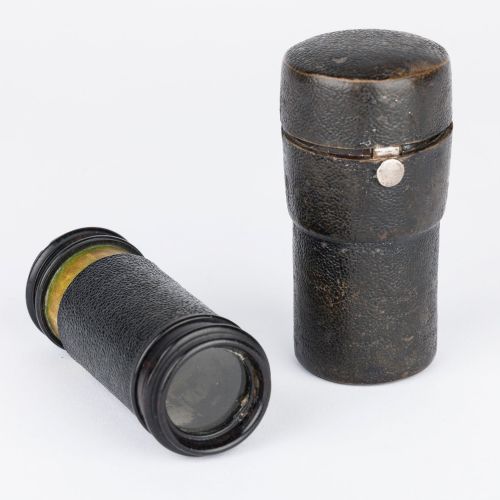


Antique Monocular Telescope
These antique monocular telescope examples offer compact historical optics, bringing practical magnification and portable nautical utility directly to your desk or display shelf.
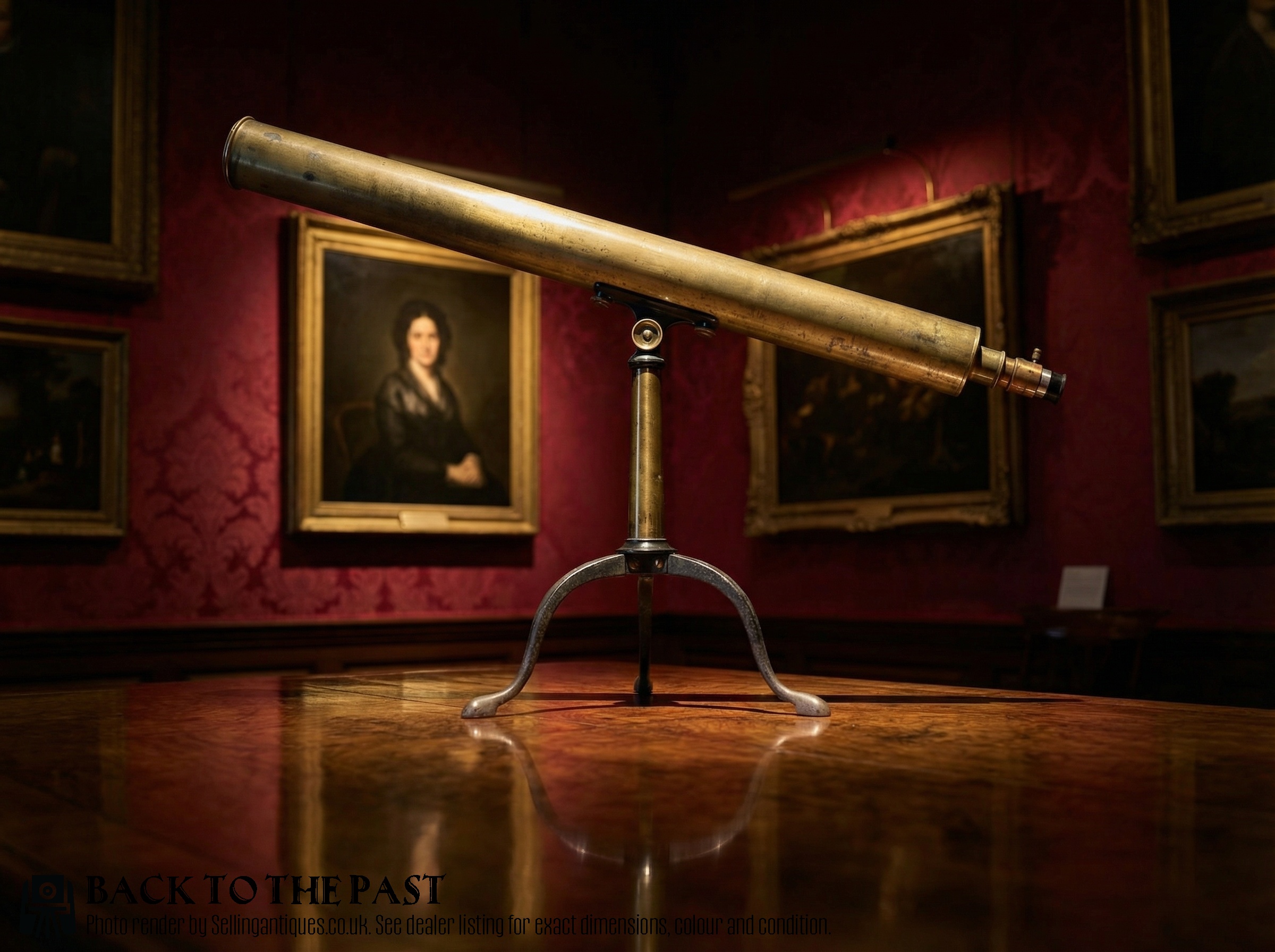
Antique Monocular Telescope
When you search for an antique monocular telescope, you encounter portable optical instruments designed for navigation, field observation, and everyday viewing. The items listed here range from compact pocket spyglasses to larger terrestrial library instruments mounted on stands.
Most examples you meet on this page belong to the Victorian period, though earlier Georgian, Regency, and later Edwardian pieces also appear. Forms include multi-draw pocket models, marine telescopes, and even disguised walking cane versions housing optics within bone and wood.
Makers and origins vary across these scientific and maritime instruments, with English workshops well represented alongside continental German pieces. You will find single-draw, two-draw, three-draw, and four-draw configurations enclosed in leather, brass, or exposed timber tubes.
How they were made
Makers constructed the exterior barrels using turned brass combined with stitched leather dressing, mahogany, fruitwood, oak, walnut, or bone. These materials provided both structural rigidity for draw-tubes and a comfortable grip for outdoor observation.
Optical systems rely on precision glass lenses housed within telescoping cylindrical sections designed to slide smoothly without slack. Metal components often feature threaded fittings and protective end caps to shield the primary lens during travel.
Listings feature scientific instruments spanning the 18th Century, Regency, Victorian, and Edwardian periods, utilising brass, mahogany, leather, and bone.
What varies in quality
Quality depends on the precision of the brass-turning and the snugness of the draw-tube fit, which determines how steadily the barrel extends. Better specimens maintain tight alignment across multiple draws without wobbling.
The clarity and condition of the glass optics distinguish high-grade instruments from standard utility pieces. Signed pieces bearing maker inscriptions on the brass draw-plates typically carry superior historical interest.
Nairne & Blunt of London·Ross of London·Voigtländer & Sohn AG·Newton & Co·Chadburn Brothers of Sheffield
The Antique Monocular Telescope Glossary
- Spyglass
- A small, portable refracting telescope used primarily for terrestrial viewing. These compact instruments were standard equipment for travellers and naval officers.
- Draw
- A sliding tubular section of a telescope barrel. Instruments are often described by how many draws they possess to extend their focal length.
- Terrestrial telescope
- An optical instrument configured to show upright images rather than inverted astronomical views. These incorporate erecting lenses within the barrel.
- Marine telescope
- A specialised nautical optical device designed for use at sea. They frequently feature leather or canvas wrappings to withstand maritime handling.
- Objective lens
- The primary glass element at the wide end of the telescope that gathers light. Its diameter dictates the light-gathering capacity of the monocular.
Antique Monocular Telescope: Frequently Asked Questions
How do I use a multi-draw telescope?
Gently pull each section of the brass barrel out to its fullest extension until the internal stops engage firmly. Adjust the final eyepiece draw to bring your distant terrestrial target into sharp focus.
Keep your fingers clear of the glass elements and support the main barrel steadily to prevent image shake while viewing.
What is a walking cane telescope?
A walking cane telescope is a functional walking stick with a hidden optical tube concealed inside the shaft and handle. Gentlemen carried these discreet instruments for unexpected birdwatching or landscape inspection during walks.
They combine turned wood, bone, and brass components into a single dual-purpose accessory from the nineteenth century.
How do I distinguish a Georgian telescope from a Victorian one?
Georgian and Regency instruments from the late 18th and early 19th centuries often display simpler mahogany and brass construction with distinct hand-engraved signature details on the draw tube. Victorian examples frequently introduce multi-draw complexity, leather dressings, and standardised manufacturing marks.
Examining the typeface of the maker signature and the specific choice of exterior wood helps establish the chronological bracket.
Can I use these antiques for modern viewing?
Many of these historical monoculars remain optically functional for casual daylight viewing of distant objects. However, their historical glass coatings and lens designs lack modern anti-reflective properties.
Treat them with care during focusing to preserve the internal historical brass threads and fragile optical assemblies.