
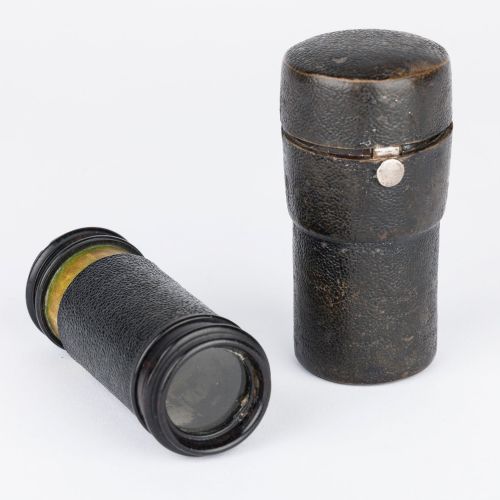


Edwardian Brass Telescope
Edwardian brass telescopes are dependable optical instruments offering clear magnification, highly prized for their traditional maritime utility and polished metallic finish.
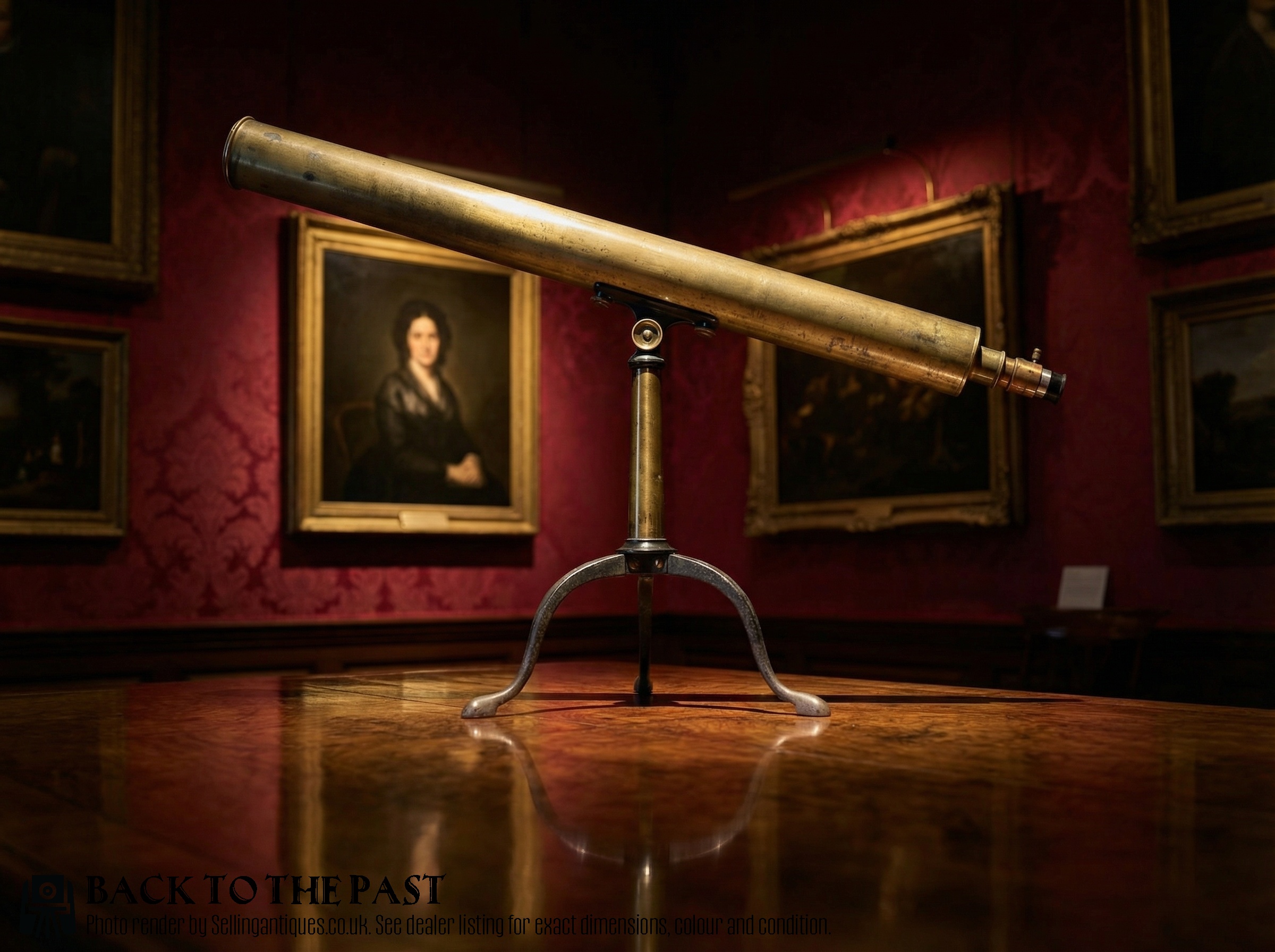
Edwardian Brass Telescope
The edwardian brass telescope is a focused category of historical optical equipment designed for terrestrial and astronomical viewing. When you search for an edwardian brass telescope, you encounter portable spyglasses and three-draw field models alongside larger library instruments.
Most examples found in these listings date from the early twentieth century, showing standard Edwardian manufacture alongside related Victorian pieces. They range from compact pocket devices wrapped in leather to substantial brass instruments mounted on wooden or metal stands.
Makers of the period produced both utilitarian naval designs and gentlemanly pocket instruments. The selection spans straightforward mechanical spyglasses and specialised walking cane incarnations finished in bone.
How they were made
Makers constructed these telescopes primarily from polished brass tubing paired with precision glass lenses. Many portable models incorporate stitched leather or oak dressings to provide a secure grip and protect the metal draw tubes.
Internal optical paths utilise multi-draw sliding mechanisms that allow the viewer to adjust focal length manually. Certain variations integrate nickel plating over the brass components or detailed bone handles turned on a lathe.
Edwardian Brass Telescope Retail Price Guide 2026
Typical asking prices for edwardian brass telescope among the pieces listed under this phrase on Sellingantiques today, from the lower quarter to the upper quarter. They describe what is for sale here now, not the wider market.
Listings feature brass, glass, leather, nickel, wood, oak, bone, and mahogany across Edwardian and Victorian scientific instruments.
What varies in quality
Quality rests principally in the clarity of the glass lenses and the smooth operation of the draw tubes. Superior instruments maintain precise alignment across multiple brass sections without excessive play or wobble.
The presence of signed maker inscriptions engraved on the draw tubes elevates an instrument's status. Materials like fine leather jacketing, solid mahogany mountings, and well-preserved bone details also distinguish higher tiers of production.
Clarkson London·Ross of London·Broadhurst Clarkson and Co·Negretti and Zambra
The Edwardian Brass Telescope Glossary
- Draw
- A sliding tube section that extends from the main barrel to alter the focal length. Telescopes commonly feature three or four distinct draws.
- Spyglass
- A compact handheld telescope typically used for quick terrestrial observation. These often fold down into a portable size for travel.
- Terrestrial
- An optical design configured to present an upright image for viewing land-based subjects rather than inverted astronomical views.
- Theodolite
- A precision instrument mounted on a tripod for measuring horizontal and vertical angles in surveying and navigation.
Edwardian Brass Telescope: Frequently Asked Questions
How do I use a three draw telescope?
Gently pull each brass section outward until fully extended to achieve the correct focal length for distant viewing. Support the main barrel firmly with one hand while adjusting the final eyepiece draw to bring the image into sharp focus.
Be careful not to force the tubes past their stopping points during extension. Collapse them in reverse order when storing the instrument away.
What is the difference between library and field telescopes?
Library telescopes are larger instruments built with substantial brass barrels designed to rest on tabletop stands or wooden floors for stable viewing. Field telescopes are portable spyglasses intended to be held in the hand during travel or naval watch.
Library models often offer higher magnification suited for detailed terrestrial or astronomical study. Field versions prioritize compact weight and durability through leather coverings.
How should I clean the brass and leather?
Wipe the brass exterior gently with a dry microfibre cloth to remove dust without disturbing the aged patina. Avoid harsh metal polishes that strip historical surface character from Edwardian brass.
Condition the leather dressings occasionally with a neutral leather balm to keep the material supple. Keep moisture away from the glass lenses during any cleaning process.
Are these telescopes still functional for viewing?
Most antique brass telescopes retain clear glass optics capable of magnifying distant outdoor subjects effectively. Their performance depends on the internal lens alignment remaining intact through decades of handling.
While they serve well for casual daytime observation, contemporary optical coatings outperform these historical glass configurations in low light.