

Antique Modular Bookcase
An antique modular bookcase provides flexible, stacking storage with glass doors that lift and slide inward.
Antique Modular Bookcase
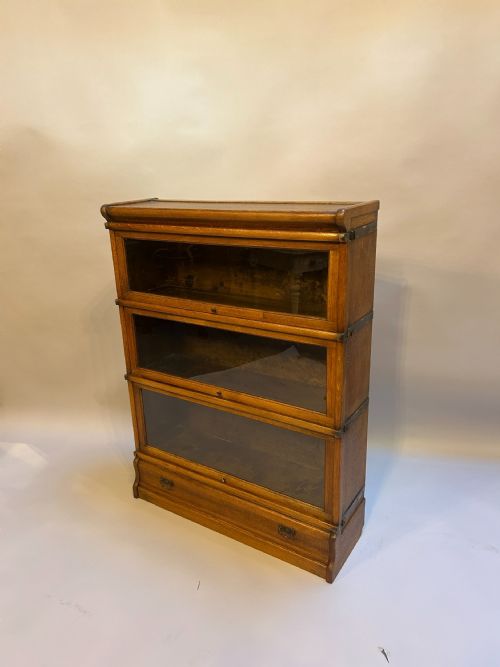
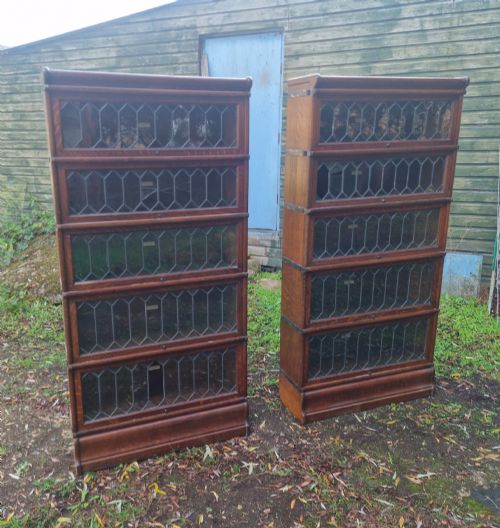
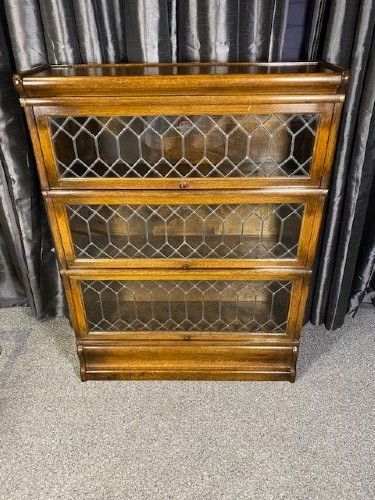
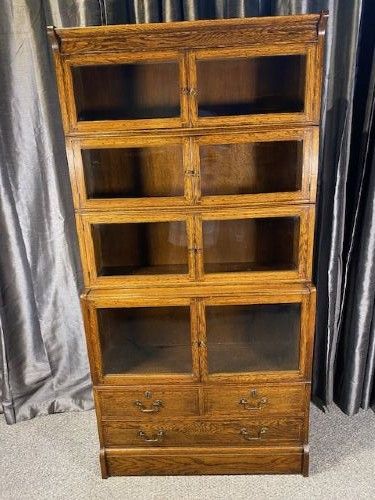
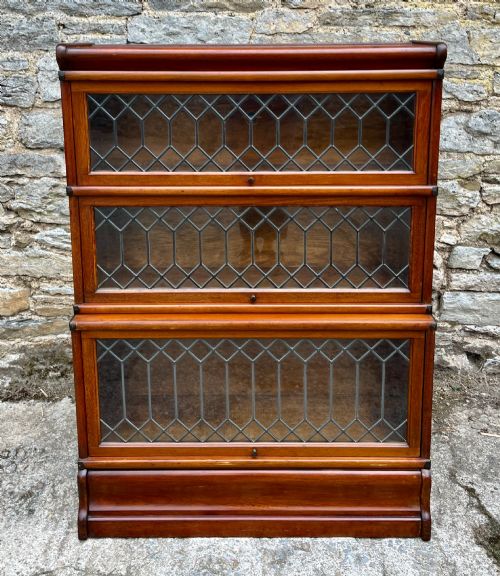
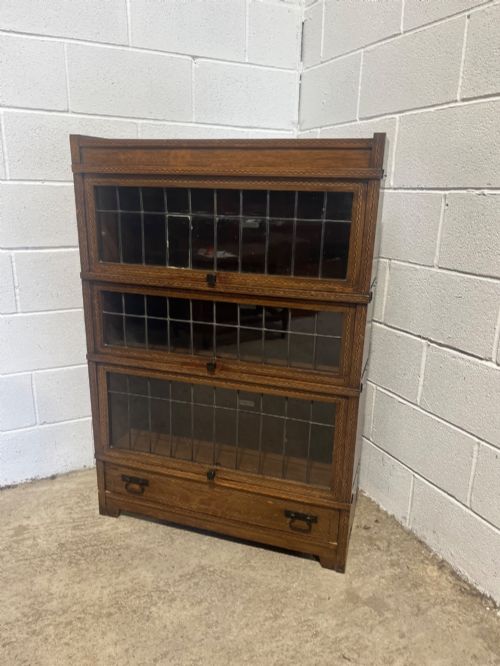
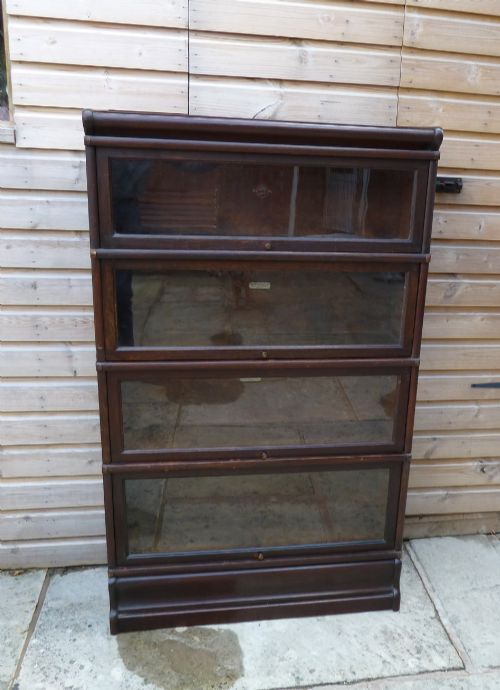
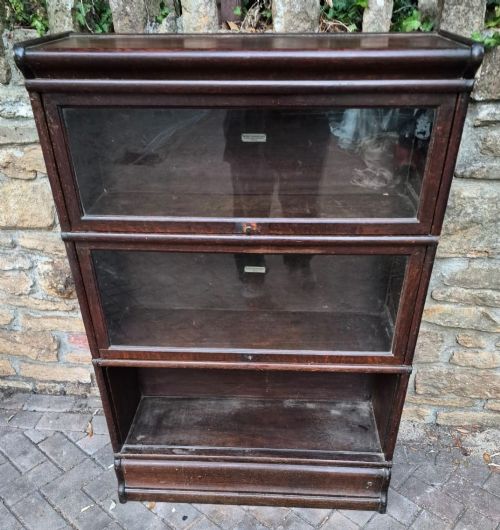
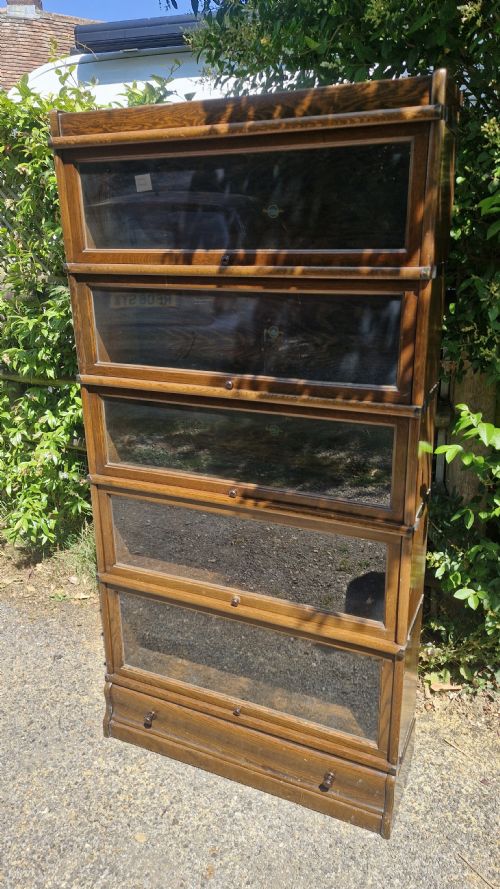
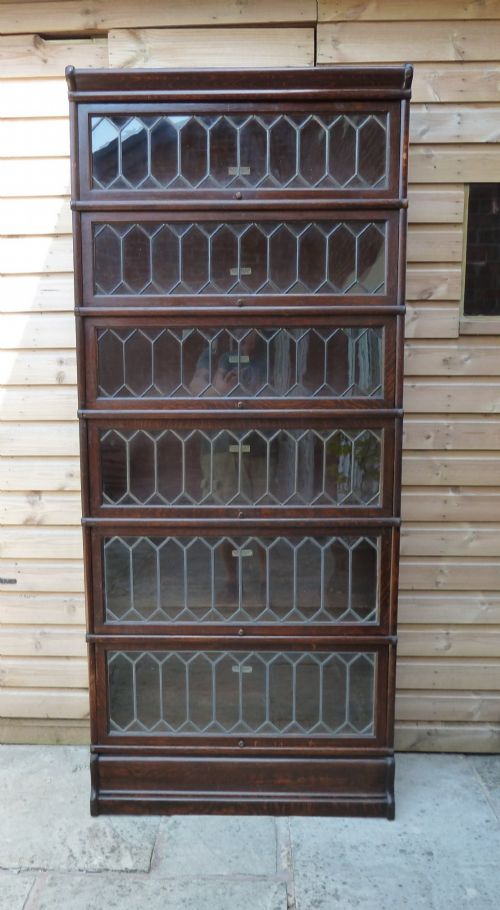
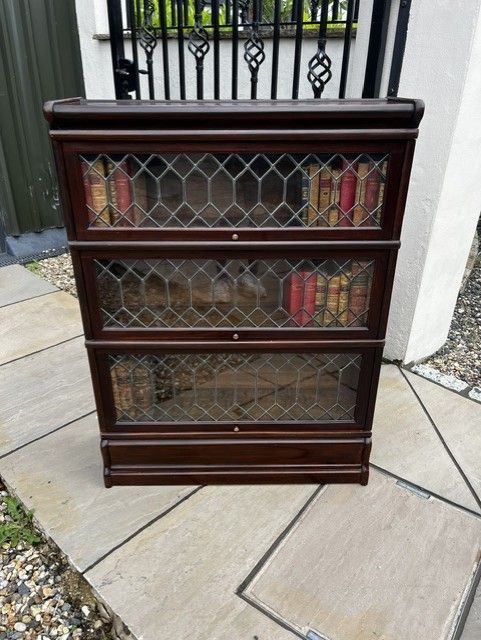
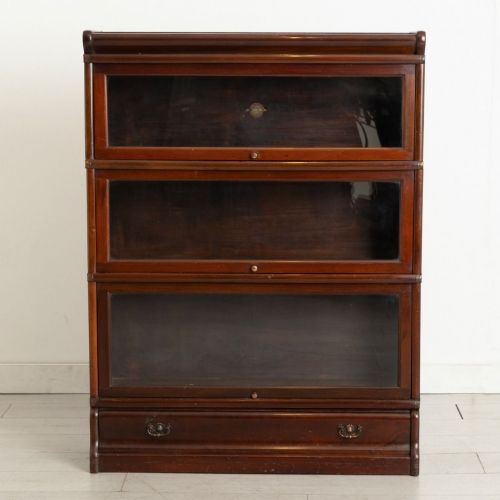
When searching for an antique modular bookcase, collectors look for sectional furniture designed to be stacked in tiers rather than built as a single rigid frame. These pieces, frequently described as barrister or stacking bookcases, allow users to add or remove sections as a library grows. The versions most commonly encountered on this page date from the Edwardian period through the nineteen-thirties and feature distinct glazed compartments.
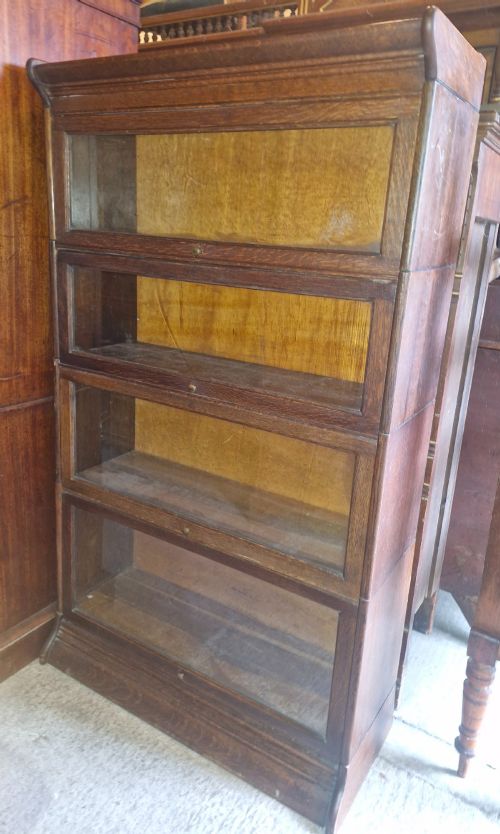
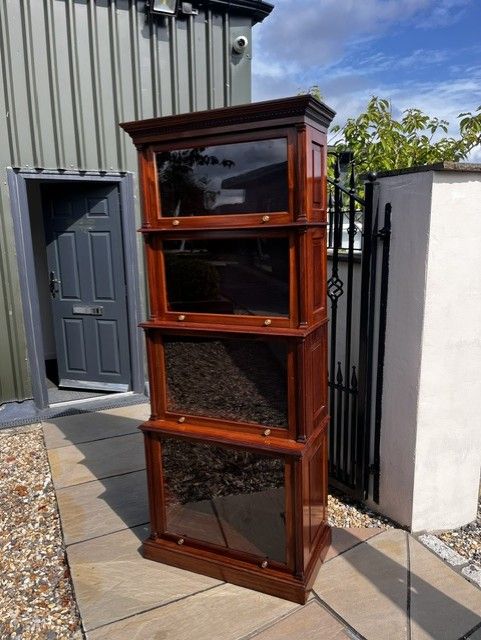
The layout typically incorporates multiple horizontal tiers, each operating with an independent glazed door that slides smoothly into the cabinet above the books. These adaptable cabinets served professional offices and home libraries alike, offering protection from dust while keeping volumes visible. Examples range from compact three-tier units to taller four and six-section arrangements built in oak or mahogany.
Construction and materials
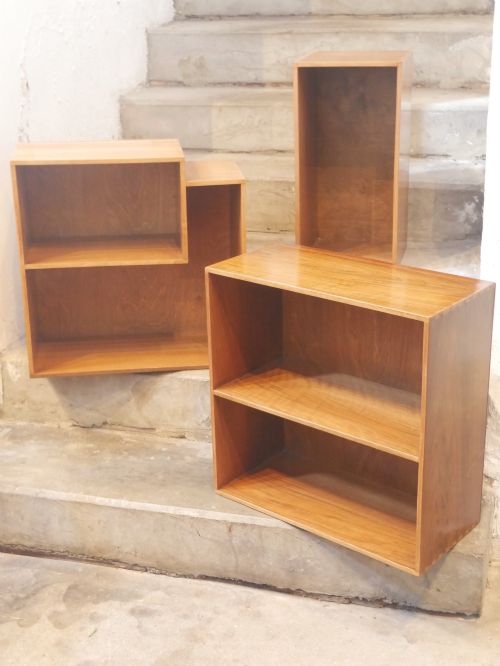
Makers constructed these sectional cabinets predominantly using solid oak or mahogany, often selecting quarter-sawn timber to highlight natural grain patterns. The individual tiers were engineered to interlock securely without permanent fixings, allowing the upright columns to be disassembled into separate modular boxes for transport.
Internal mechanisms rely on brass hardware and metal guide arms that enable the glass-fronted doors to lift outward and slide back over the top of the shelf. Glazing often includes leaded panes or plain glass set into timber frames, while certain variations utilise limed finishes or walnut veneers.
Early lawyers valued these stacking boxes because they could pack their entire working library directly into the moving wagon.
Grading quality and finish
The standard of a modular bookcase depends heavily on the selection of timber and the precision of the hardware that governs the lifting doors. Superior examples display consistent figuring in the wood, clean joints at the corners of each removable tier, and unwarped frames that allow every section to sit flush when stacked.
Maker attribution also dictates standing, with documented pieces bearing manufacturer marks commanding particular attention from collectors. The complexity of the glazing, such as leaded glass work, alongside the presence of matching original cornices and bases, further elevates a tier assembly.
Globe Wernicke·Heals·Lebus·Minty·Gunn
The Antique Modular Bookcase Glossary
- Sectional bookcase
- A piece of furniture built from separate, stackable horizontal tiers that lock together to form a single tall cabinet.
- Barrister bookcase
- An alternative name for a stacking bookcase, historically used by travelling lawyers to transport books safely.
- Globe Wernicke
- The prominent filing and furniture firm associated with standardising the modular stacking bookcase design.
- Leaded glass
- Small panes of glass joined together with strips of lead to form decorative windows within the cabinet doors.
Antique Modular Bookcase: Frequently Asked Questions
How do sectional bookcases work?
Each tier operates as an independent box with a glass door that lifts on internal metal arms and slides into the ceiling of the compartment. The sections simply stack one on top of another beneath a separate base and above a matching top cornice.
This modular design means the cabinet can be taken apart completely for moving or reconfigured by adding extra tiers of the same footprint.
Are all stacking bookcases Globe Wernicke?
While Globe Wernicke popularised the form, many other makers produced identical stacking furniture during the Edwardian period and the decades following. Firms such as Lebus, Minty, Gunn, and Heal's manufactured their own patented variations of sectional cabinets.
Distinguishing between makers usually depends on locating stamped paper labels, interior brass patent plates, or characteristic differences in the moulding and door mechanisms.
What periods do these bookcases cover?
The majority of pieces available date from the Edwardian era through the nineteen-thirties, spanning oak and mahogany construction styles. Earlier examples from the nineteenth century lean toward campaign furniture or traditional cabinet designs rather than modular stacking tiers.
Art Deco examples emerge by the nineteen-thirties, introducing limed finishes and alternative veneers alongside the standard golden oak office models.
How should I clean the glass doors?
The lifting mechanism relies on side arms and guide pins that should be kept free from heavy wax buildup or moisture. Use a soft cloth and mild cleaner on the glass panes, taking care not to spray liquid directly onto the surrounding timber or lead cames.
Periodic application of a gentle furniture wax helps maintain the exterior finish of the oak or mahogany sections without affecting the internal sliding action.