
Vintage Oak Library Display
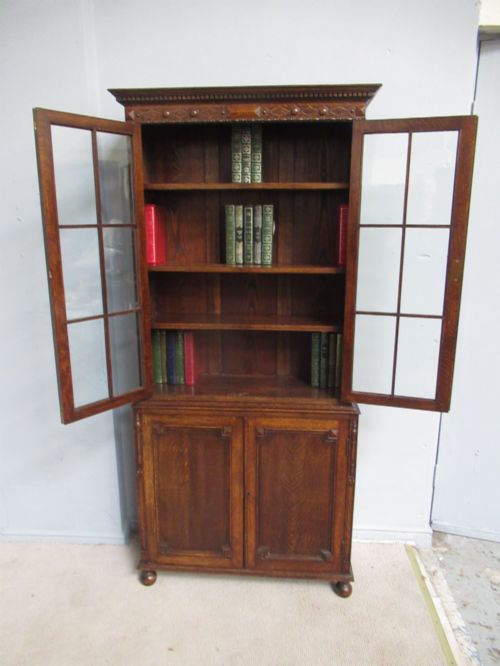
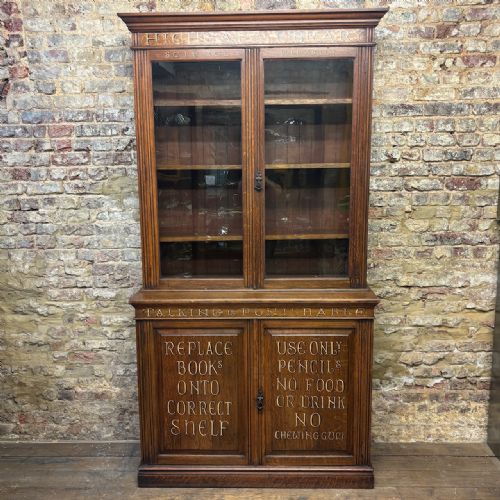
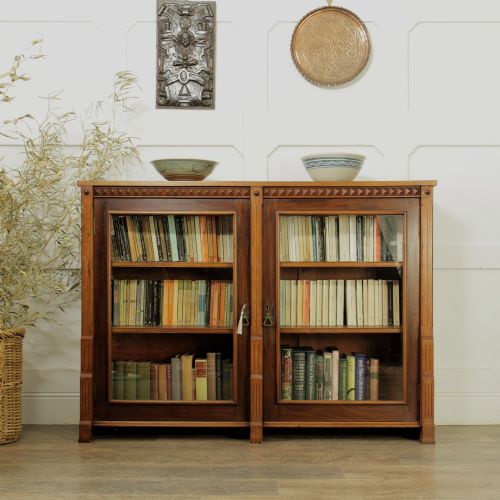
A vintage oak library display brings practical order and architectural weight to a room, offering sturdy shelving for books and glazed panels to showcase collections.
Vintage Oak Library Display
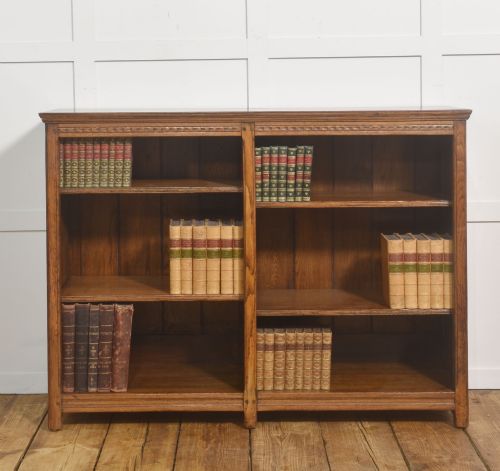
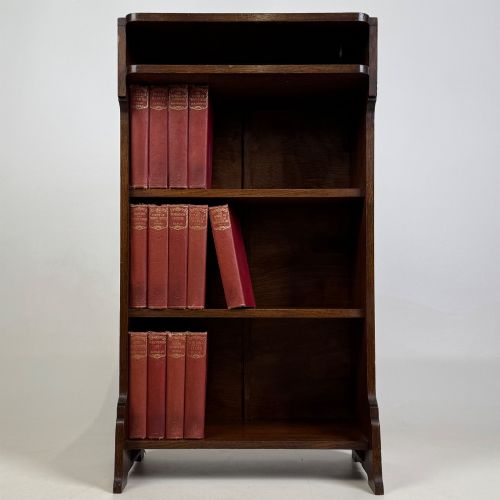
When you search for vintage oak library display, you encounter a robust selection of bookcases, display cabinets and sectional shelving units designed to house and exhibit books. These pieces originate primarily from the Victorian and Edwardian eras, stretching through the 1920s and 1930s into the mid-century period.
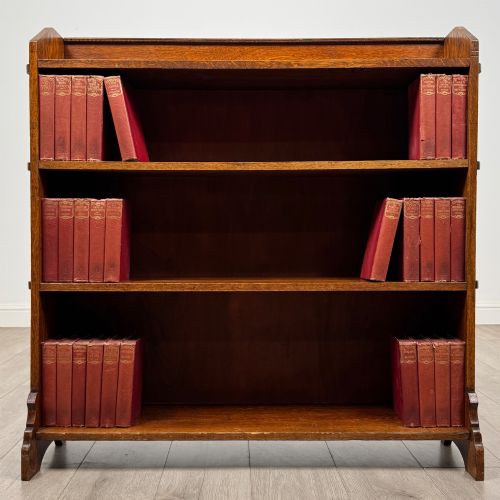
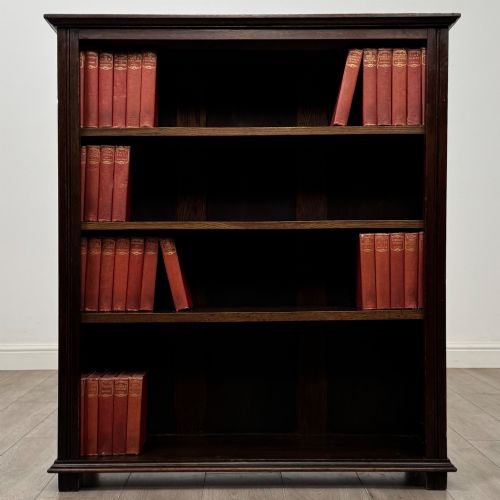
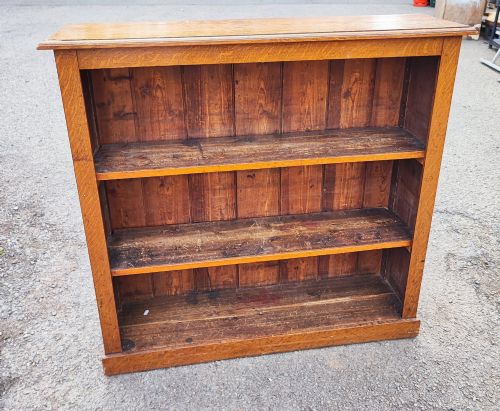
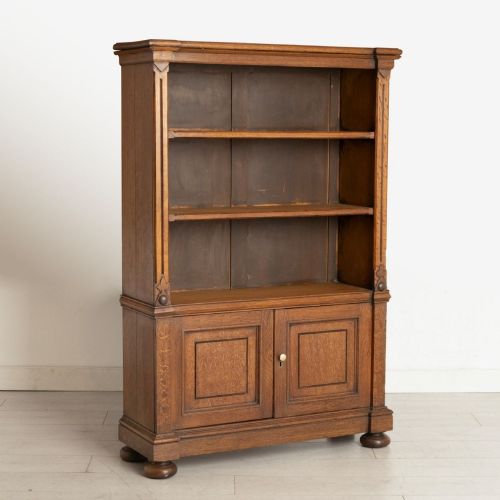
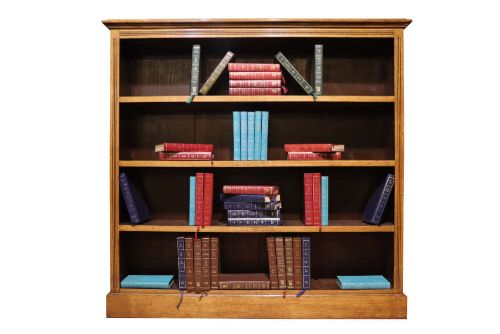
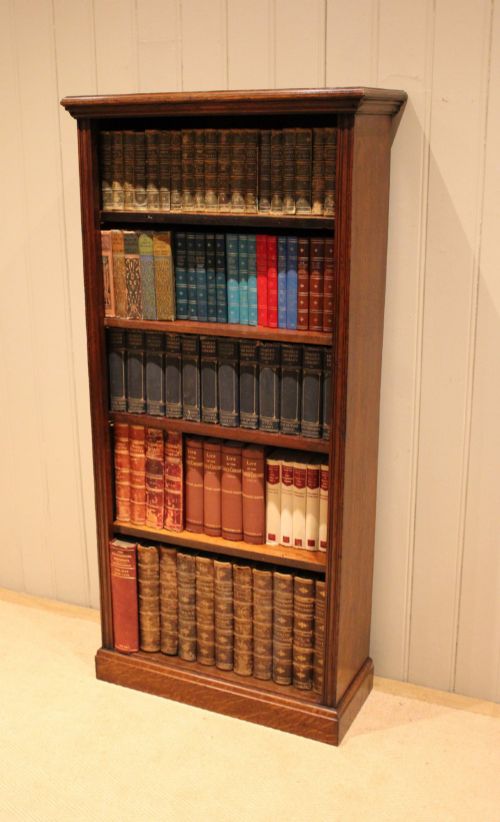
The most common forms on this page include open-front bookcases with adjustable shelves, glazed double bookcases, and modular stacking systems. Many trace back to school libraries, institutional settings or domestic studies, retaining practical utility alongside traditional craftsmanship.
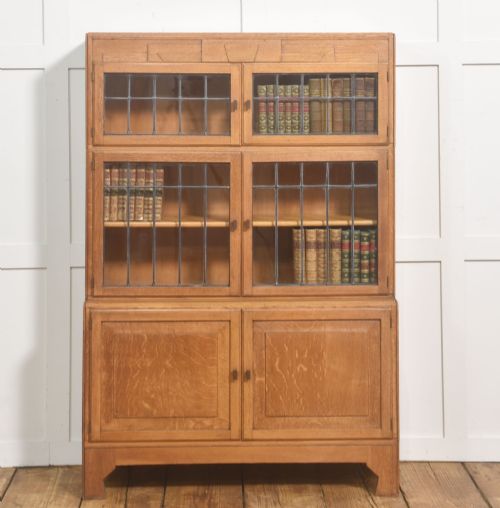
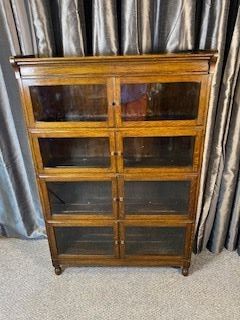
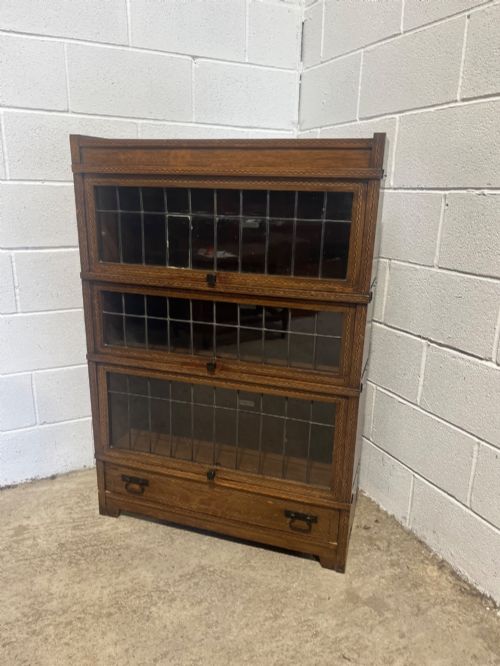
Makers such as Globe Wernicke, Minty, Lebus and Heals appear among the listings, particularly in stacking and sectional formats. These modular designs allow individual tiers to be added or rearranged, reflecting the changing storage needs of early twentieth-century readers.
Materials and construction methods
Solid oak serves as the primary structural material across these items, often selected in golden or darker tones that highlight the natural grain. Cabinet makers utilised traditional joinery techniques to ensure stability, supporting heavy rows of volumes without sagging.
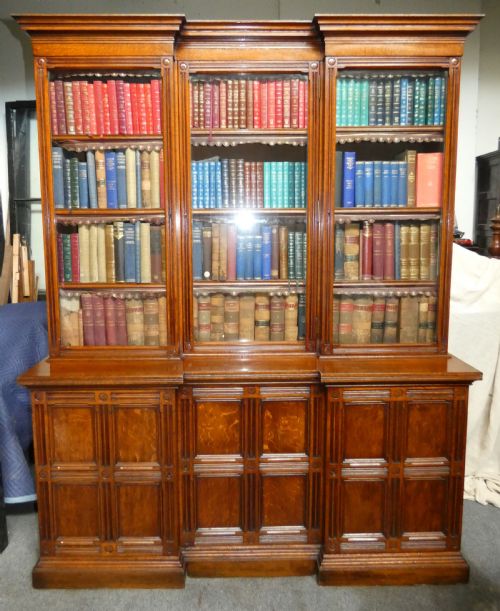
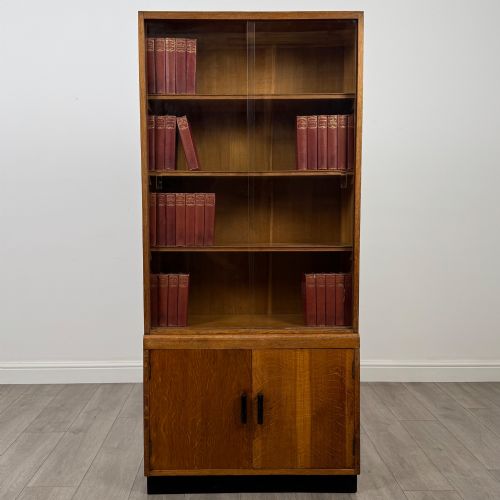
Glass panels feature prominently in glazed variations, secured occasionally with lead cames or set into hinged and rising doors. Brass and iron hardware, including hinges, pulls and stacking mechanisms, provide durable functional detailing alongside occasional wood inlay accents.
Listings span periods from the nineteenth century through the 1930s, featuring oak, glass, brass and lead.
Assessing craftsmanship and finish
Quality reveals itself in the selection of timber and the precision of the joinery, where tight joints and smooth mechanical actions distinguish finer workshop output from utility pieces. Original patination on the oak surface, developed through decades of handling, preserves the character of the wood.
The integrity of glazed doors, original leadwork, and working adjustable shelf mechanisms elevate a piece. Modularity in stacking systems requires aligned hardware and matching sections to maintain structural harmony across the entire height.
Heals·Minty·Globe Wernicke·Lebus
The Vintage Oak Library Display Glossary
- Globe Wernicke
- A proprietary stacking bookcase system featuring glazed sectional tiers that lift and slide back into the cabinet. This design protects volumes from dust while allowing customisable configurations.
- Open bookcase
- A shelving unit without doors, designed for immediate access to books. These pieces frequently incorporate adjustable wooden shelves supported by peg or rack systems.
- Leaded glass
- Individual panes of glass joined together by strips of lead, known as cames, forming geometric or decorative patterns within cabinet doors.
- Adjustable shelves
- Shelves that can be moved to different heights within a cabinet interior. This mechanism accommodates books of varying sizes.
Vintage Oak Library Display: Frequently Asked Questions
What is a stacking bookcase?
A stacking bookcase consists of separate modular tiers that rest one upon another to form a tall storage unit. This design allows owners to dismantle or expand the furniture by adding sections.
Such systems were widely adopted in offices and libraries during the early twentieth century for their flexibility and efficient use of vertical space.
How do I adjust the shelves?
Most period bookcases use wooden support pegs, metal pins or vertical racks cut into the interior sides. You simply lift the shelf and reposition the supports into alternative slots.
This adaptability ensures that large folios and smaller volumes fit securely within the same cabinet.
Are these cabinets suitable for modern homes?
The compact footprint and utilitarian design of these pieces make them well suited for contemporary living rooms, studies and hallways. Their sturdy construction easily accommodates modern books and display objects.
Glazed doors protect delicate items from dust while maintaining a clear view of the contents inside.
How do I identify an Edwardian bookcase?
Edwardian bookcases, dating from around the turn of the twentieth century, often display lighter golden oak tones and simpler classical lines than their Victorian predecessors. They frequently feature adjustable open shelving or neat glazed upper doors.
Maker marks or retailer labels inside the cabinet often confirm the exact period of manufacture.