
Antique Mirror Glass
These antique mirror glass pieces combine historic frames with silvered plates, offering authentic period character for any interior scheme.
Antique Mirror Glass
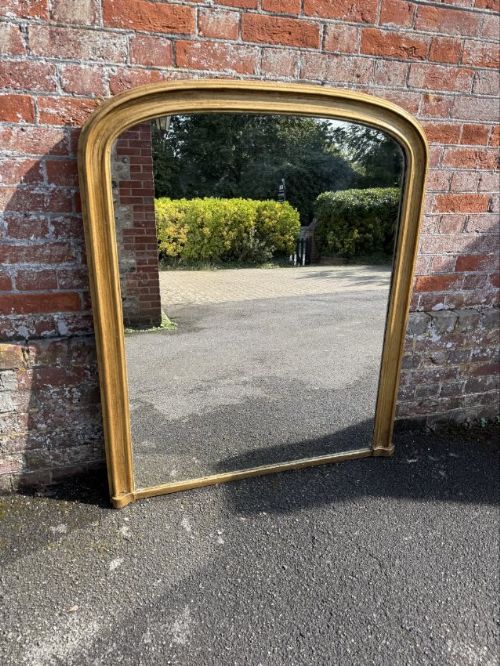
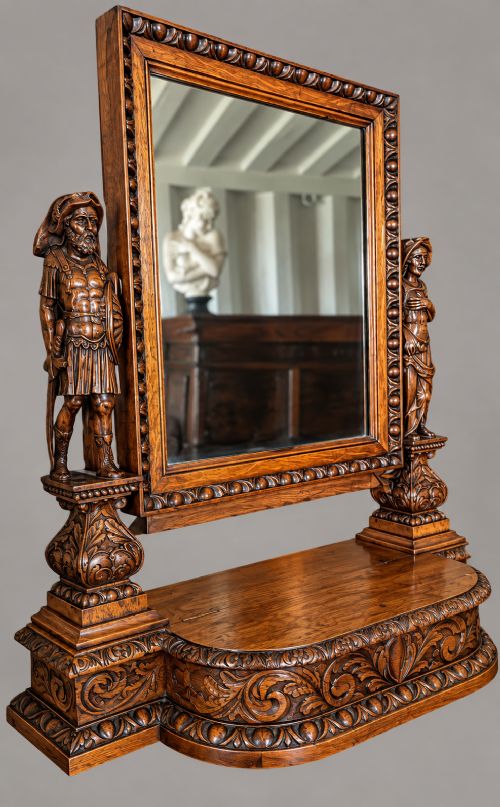
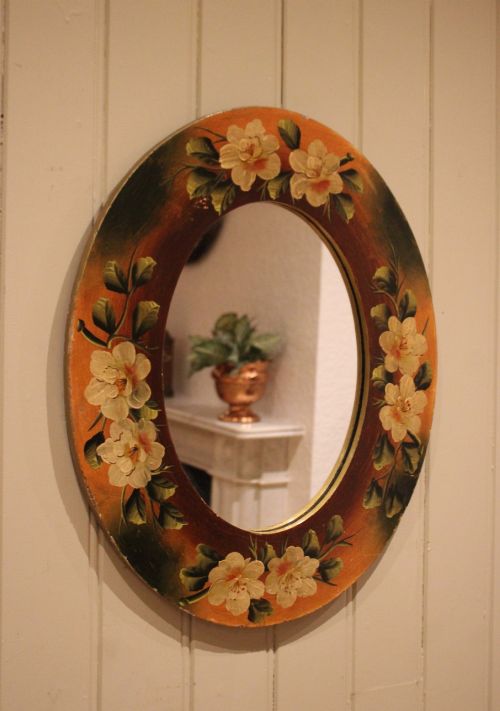
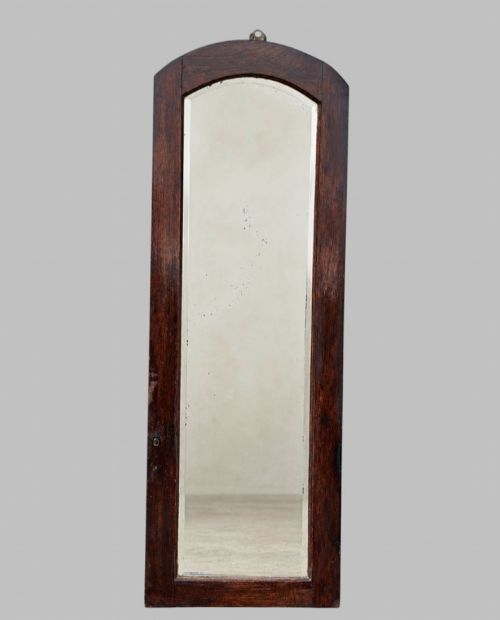
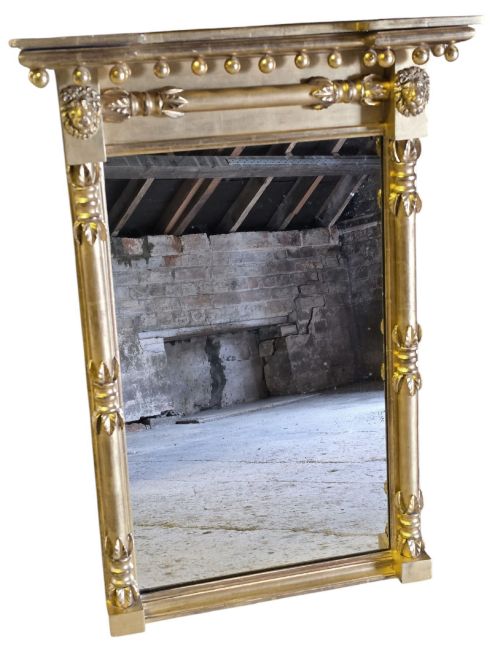
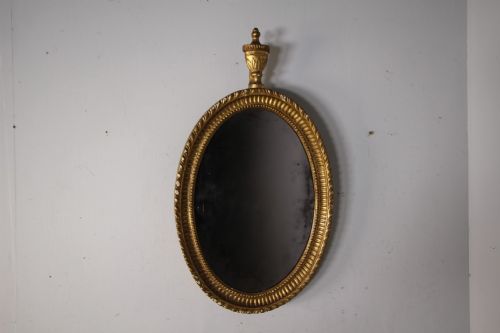
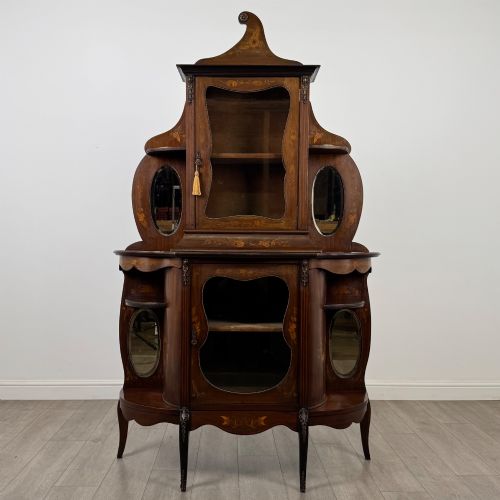
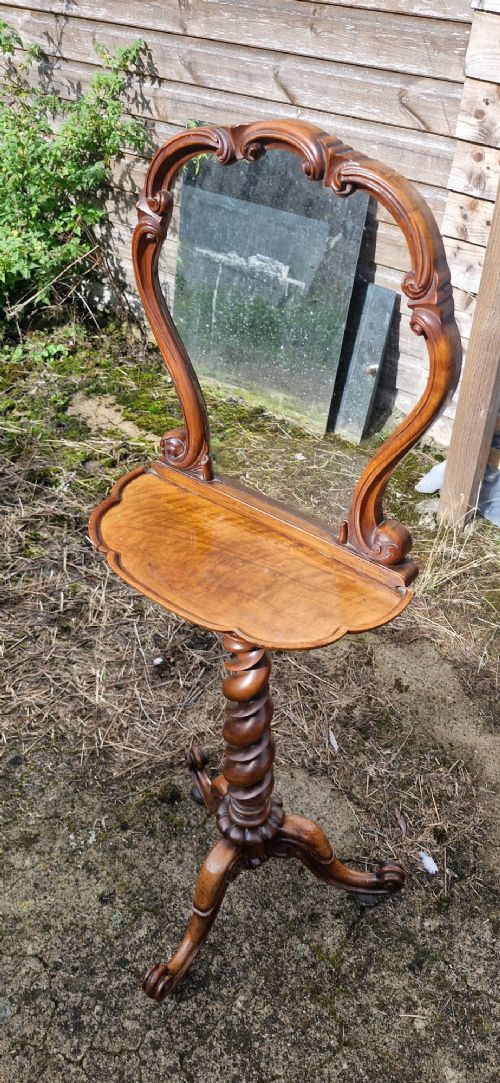
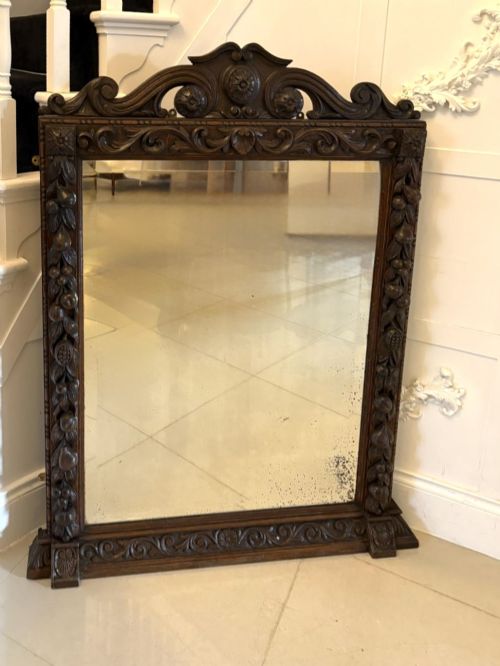
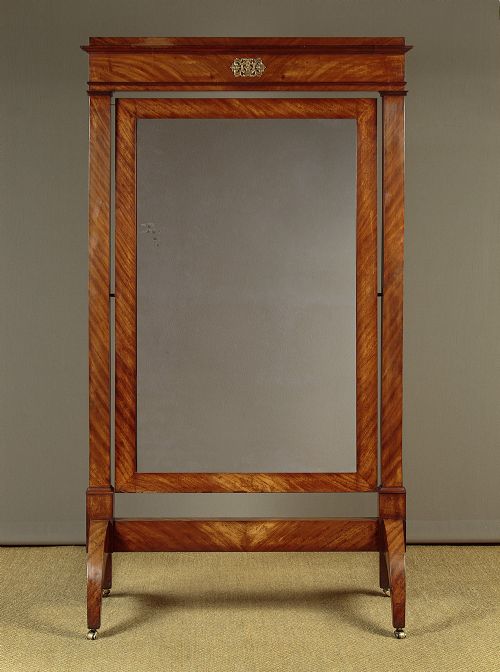
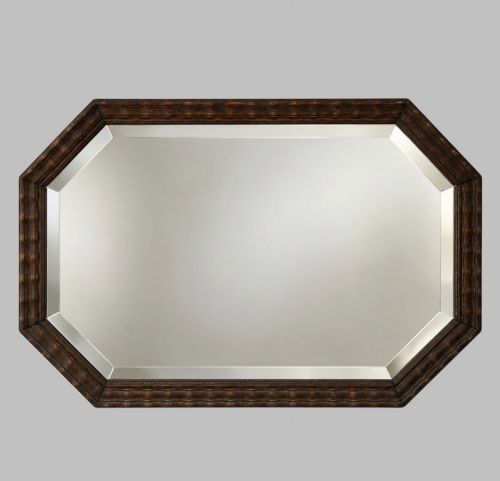
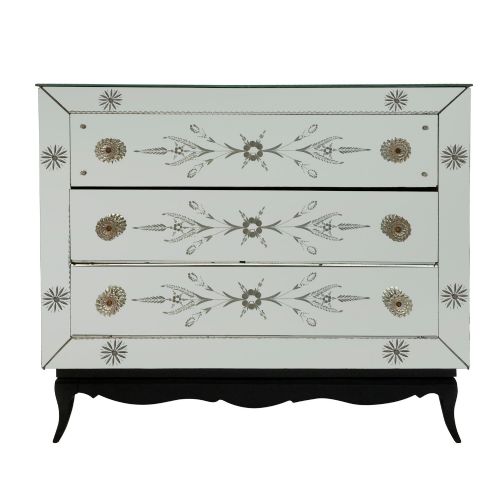
When you search for antique mirror glass, you encounter substantial wall mirrors and overmantel mirrors spanning the nineteenth century and the early twentieth century. The selection encompasses English carved wood frames, French giltwood designs from various periods, and Italian Venetian examples.
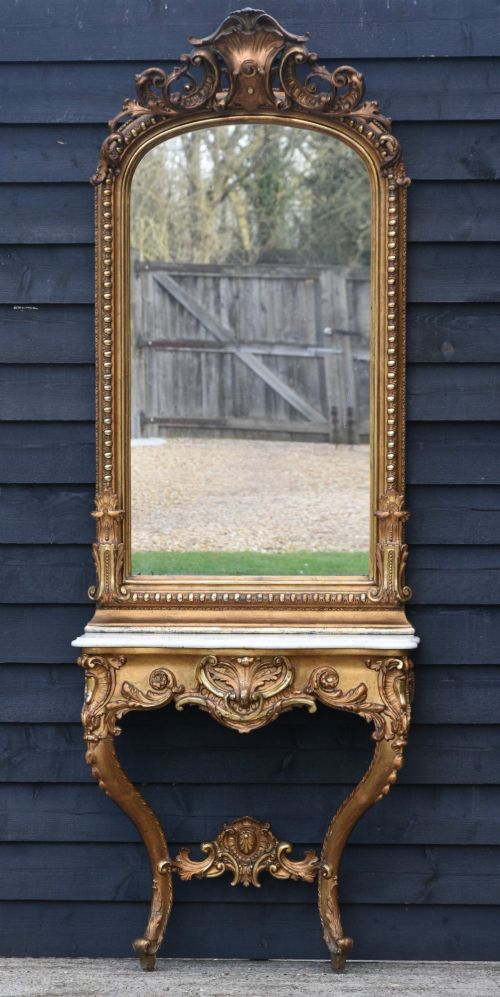
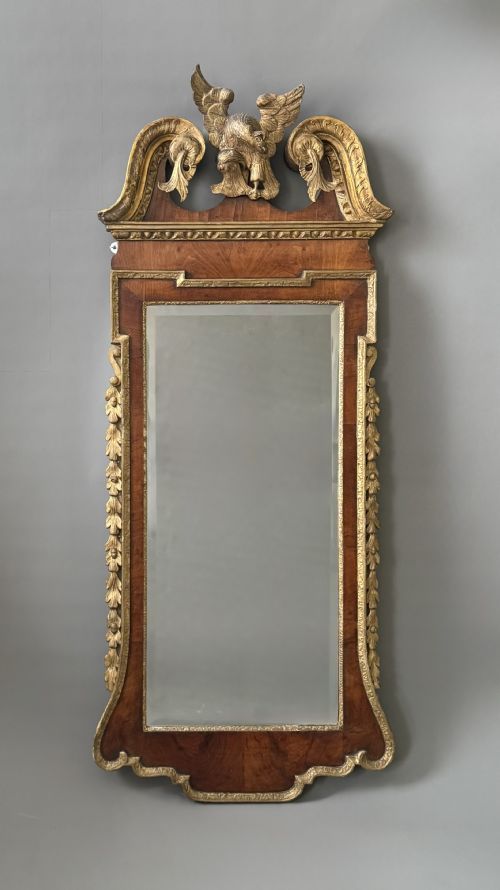
Most pieces you meet on this page take the form of large wall hangings, grand overmantels designed for fireplace placement, or smaller pier glasses. Frames range from simple ebony mouldings to elaborate neoclassical and rococo carvings featuring giltwood or painted gesso.
Origins stretch across England, France, and Italy, reflecting regional framing traditions and glass-making techniques of the past. Buyers frequently encounter French gilt mirrors alongside English Victorian and Edwardian iterations.
Materials and Construction
Frames rely on traditional timbers such as walnut, ebony, and carved wood, frequently finished with gesso and gold leaf or paint. Giltwood and silver gilt applications create the reflective metallic surfaces characteristic of these decorative frames.
Glass plates include early mercury glass and later bevelled glass variants, often retaining original foxed surfaces. Craftspeople utilised hand-carved wooden structures to house fragile silvered sheets, securing them with traditional backing methods.
Retail Price Guide 2026
Typical UK retail prices for mirror glass, calculated from the Sellingantiques database of over a million retail prices indexed since 2003. This retail price guide relies exclusively on Sellingantiques data; no external sources or auction records are used, so the figures do not describe the wider market.
Assessing Quality
The distinction between tiers rests upon the preservation of the original glass plate and the depth of the hand-carved detail on the frame. Retaining original mercury glass or foxed bevelled plates elevates a piece significantly.
Mastery in the application of gesso and giltwood ornamentation determines visual richness, where crisp, deep carving surpasses softer, worn mouldings. Structural integrity of the wooden frame and the originality of the backing boards complete the assessment.
The Antique Mirror Glass Glossary
- Mercury glass
- A type of silvered glass produced by pouring a liquid mercury amalgam between two layers of glass or coating the back, common in older mirrors. This technique creates a distinctive reflective depth.
- Foxed glass
- Mirror plates showing spots, speckles, or darkening caused by the oxidation of the silvering over time. Collectors prize this natural ageing for its atmospheric appearance.
- Gesso
- A plaster-like mixture applied to wood frames to create a smooth surface for gilding or painting. Artisans carve intricate details directly into this hardened layer.
- Overmantel mirror
- A large horizontal mirror designed specifically to hang above a fireplace mantelpiece. These pieces often feature grand proportions to dominate a principal room.
- Pier glass
- A tall, narrow mirror traditionally hung on the pier or wall space between two windows. They frequently incorporate decorative motifs such as birds or urns at the crest.
Frequently Asked Questions
What is mercury glass?
Mercury glass refers to mirrors manufactured using a mercury amalgam technique before modern silvering processes took over. This method produces a warm, uneven reflection that ages distinctively.
Over decades, the chemical composition reacts with air and moisture, creating the characteristic dark spots known as foxing.
How do I clean an antique mirror?
Cleaning requires a soft, dry microfibre cloth to gently remove dust from both the frame and the glass plate. Avoid commercial liquid cleaners, as moisture can seep behind the silvering.
Take particular care around areas of foxed glass or fragile giltwood, where vigorous rubbing might remove the historic finish entirely.
Can I hang a heavy overmantel mirror?
Hanging a heavy overmantel mirror safely requires securing the weight directly into wall studs or masonry using appropriate fixings. Professional installation is strongly recommended for large giltwood pieces.
The substantial timber frames and thick glass plates add considerable weight that standard picture hooks cannot support.
What makes a mirror French or English?
French mirrors often feature elaborate giltwood rococo or Louis-style frames with distinct crests, frequently utilising mercury glass plates. English examples tend to show restrained Victorian, Georgian, or Edwardian aesthetics.
Construction woods also offer clues, with oak and walnut common in British workshops, while continental makers frequently employed softwoods beneath heavy gesso.