
Antique Mirror Door Wardrobe
An antique mirror door wardrobe brings practical depth and reflected light to a bedroom, combining generous hanging space with full-length glass.
Antique Mirror Door Wardrobe
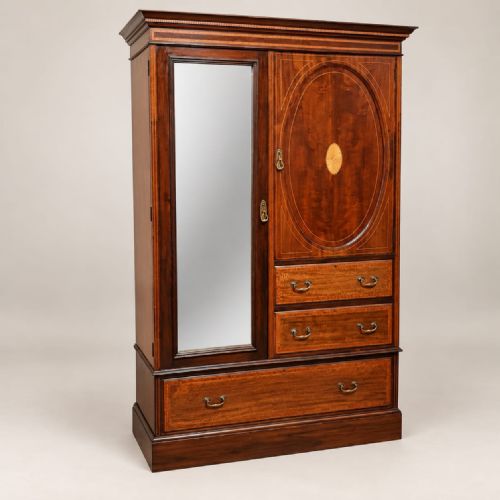
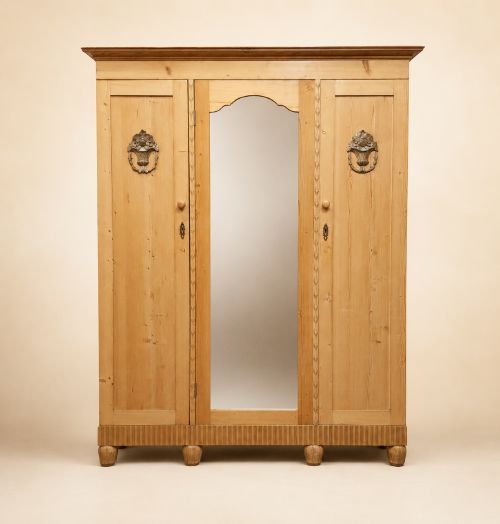
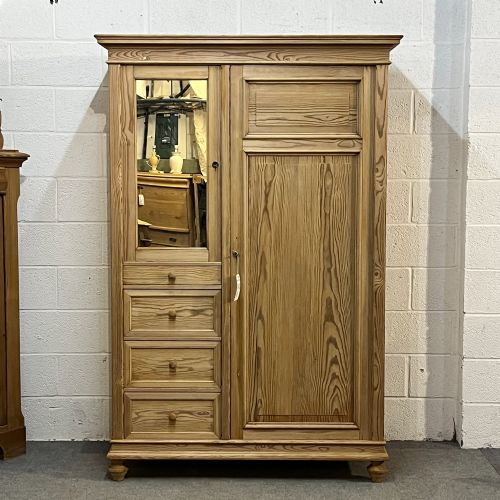
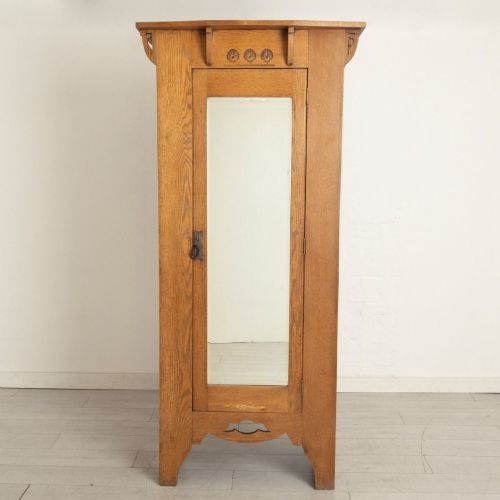
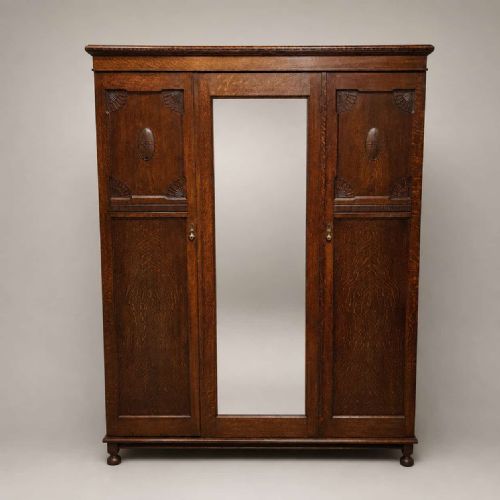
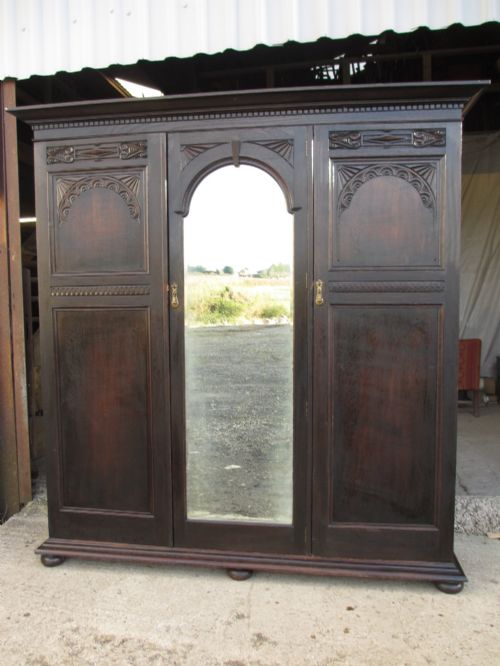
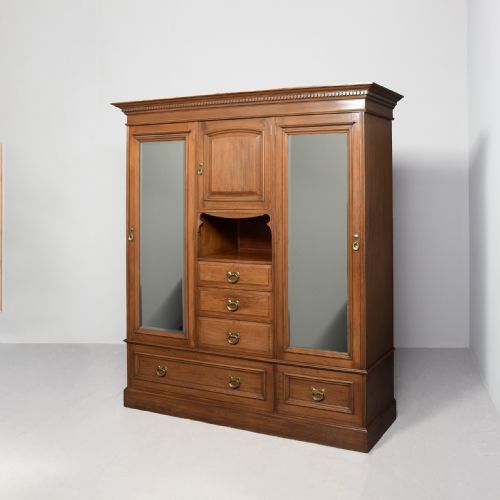
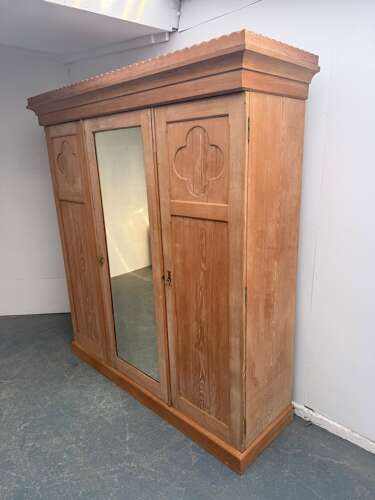
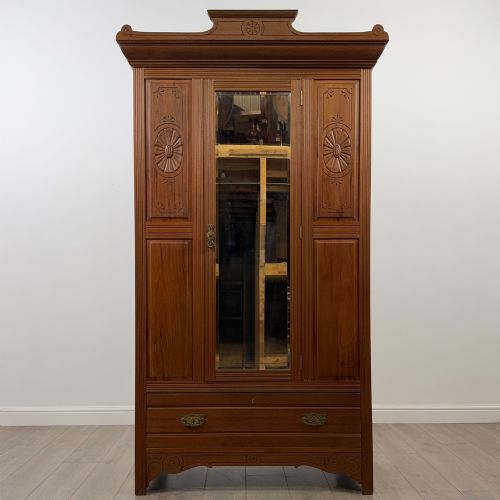
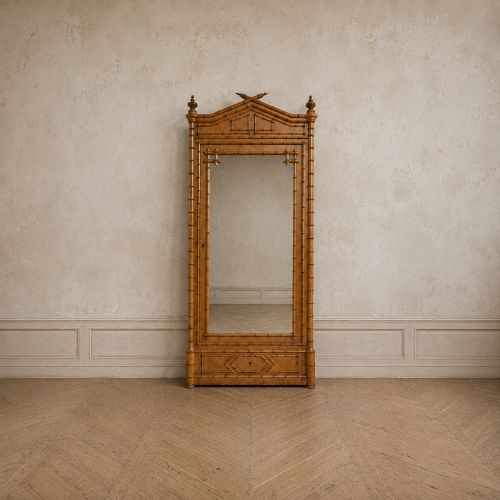
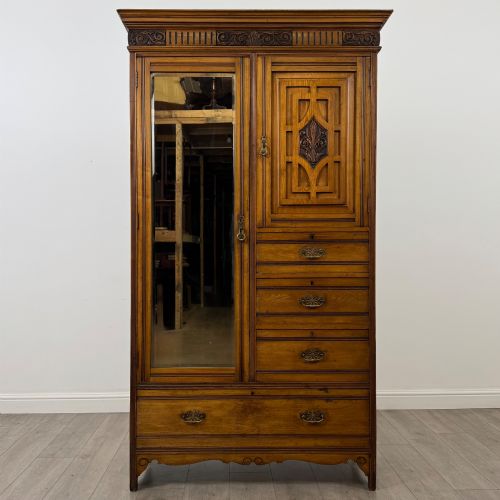
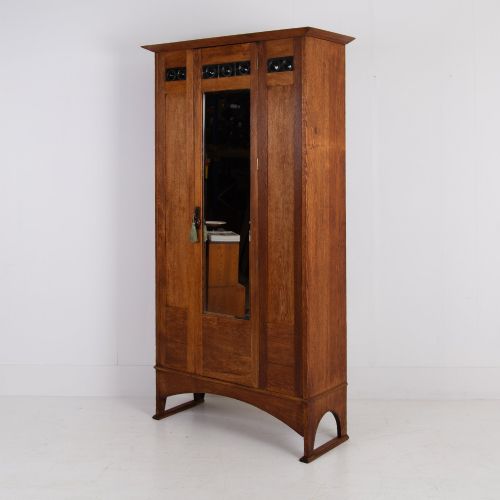
An antique mirror door wardrobe provides substantial storage through hanging compartments, internal drawers, and shelves, while the central or side mirrored glass opens up the feel of a room. Buyers searching for an antique mirror door wardrobe often encounter large triple designs and compactum pieces from the Victorian and Edwardian periods, constructed to accommodate a full gentleman's or lady's attire.
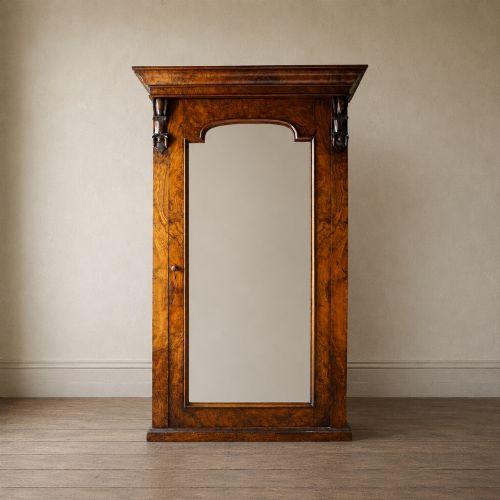
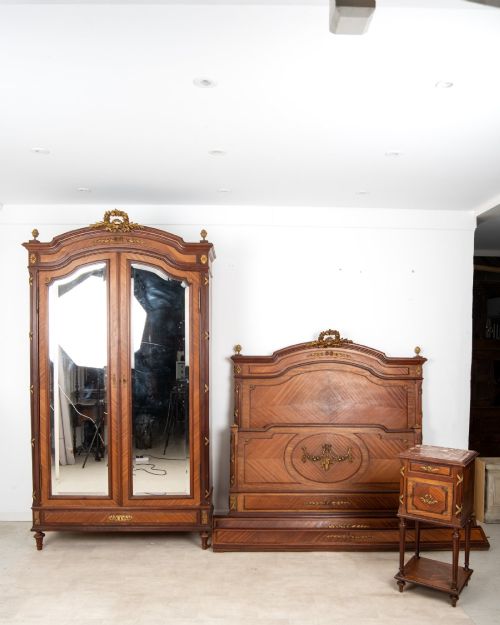
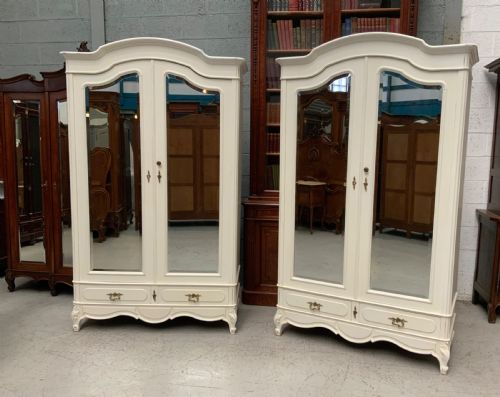
The material palette spans native timbers like mahogany, oak, walnut, burr walnut, ash, and pine, alongside imported satinwood and French fruitwoods. Pieces emerge from various stylistic traditions, ranging from plain country pine and robust Arts and Crafts oak to elaborate French Revival and Louis XVI models with gilt bronze ormolu mounts.
How They Were Made
Cabinetmakers constructed these large carcasses using solid timbers and figured veneers such as burr walnut, mahogany, and ash applied to stable secondary woods. Large architectural components often utilised knockdown construction with bolts or pegs so the heavy frames could be dismantled and moved between rooms.
Mirrored glass doors required heavy bevelled plates secured into rebated frames with wooden mouldings, often accompanied by brass hardware and internal fittings like sliding linen trays and clothes hooks.
The site listings show extensive use of mahogany, oak, and walnut across Victorian and Edwardian periods.
What Varies in Quality
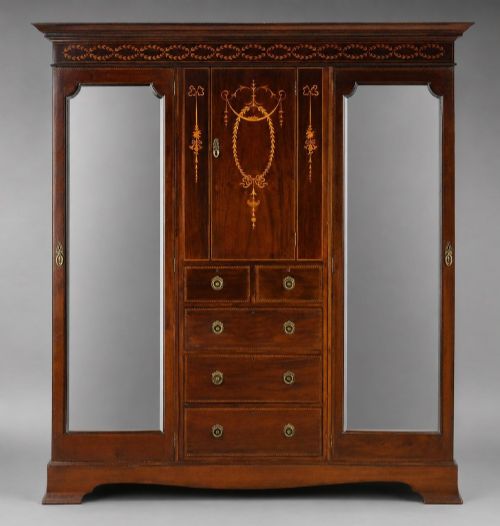
Quality rests upon the choice of timber and the ambition of the construction, moving from simple painted pine storage units to master-carved burr walnut and mahogany architectural pieces. Finer examples display meticulous marquetry inlay, well-matched veneer grains, and robust internal configuration such as full compactum drawer banks.
The integration of the mirror glass and the weight of the doors set apart standard utility pieces from high-workshop production. Maker attribution to firms like Maple & Co often marks out superior handling of proportions and internal cabinetwork.
Maple and Co·Holland and Sons·Ray and Miles Liverpool
The Antique Mirror Door Wardrobe Glossary
- Compactum
- A multi-compartment wardrobe combining hanging space with internal drawers, linen slides, and sometimes a central mirror door. This form became popular in the Victorian era for efficient bedroom storage.
- Bevelled Mirror
- A mirror glass plate with an angled, polished perimeter edge. This technique catches the light and indicates finer cabinetmaking.
- Marquetry
- Decorative patterns formed by fitting together contrasting thin veneers of wood. It appears frequently on Edwardian and French pieces.
- Knockdown
- A piece designed to be fully disassembled into panels and cornices for transport. This method was essential for delivering heavy furniture up narrow stairs.
- Ormolu
- Gilded bronze mounts applied to furniture surfaces. Found primarily on French stylistic pieces.
Antique Mirror Door Wardrobe: Frequently Asked Questions
How do I dismantle a heavy wardrobe?
Most large pieces use internal bolts, tongue-and-groove joints, or knockdown pins to hold the heavy cornices, sides, and base together. Taking them apart requires systematic labelling of panels and careful removal of the heavy mirrored doors first.
Having two people supports the structure as fittings are unscrewed, preventing strain on the antique timber joints and the fragile glass plates.
What is a compactum wardrobe?
A compactum is a multi-purpose wardrobe that integrates hanging sections alongside banks of internal drawers, linen slides, and shoe compartments. They offered complete bedroom storage within a single architectural footprint.
These pieces often feature a central mirror door flanked by panelled timber doors or smaller accessory cupboards.
How do I date a mirrored wardrobe?
Dating relies on combining the timber choice, stylistic cues such as Arts and Crafts brackets or Edwardian inlay, and construction methods. Victorian examples tend to use heavy mahogany, walnut, or pitch pine with deep mouldings, while Edwardian pieces often employ lighter satinwood, ash, or inlaid mahogany.
The bevel on the mirror glass and the style of internal brass hooks also help narrow down the decade of manufacture.
Will a large wardrobe fit in my room?
These pieces were built on a grand domestic scale, often standing over two metres tall with deep cornices and heavy projecting bases. Measuring ceiling height and clearance for doors is essential before purchase.
Because many historic examples dismantle into separate panels, cornices, and bases, transport and assembly into tight bedroom spaces become much more manageable.