


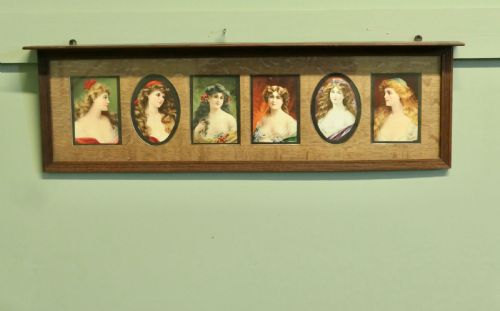

Antique Miniature Wall Art
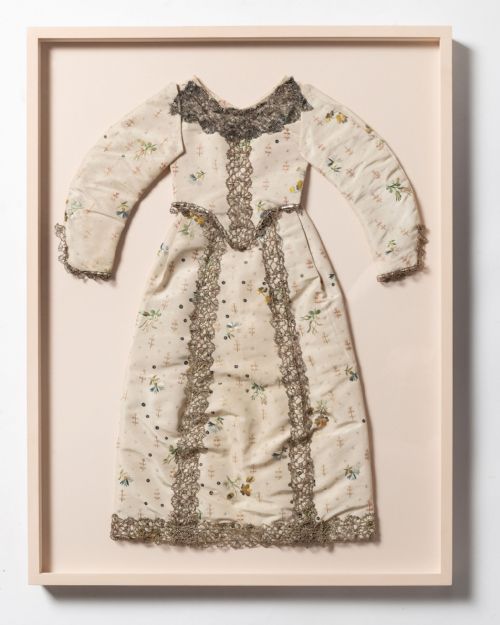
These antique miniature wall art pieces combine delicate detail and intimate scale, offering a focused window into past portraiture and decorative painting.
Antique Miniature Wall Art
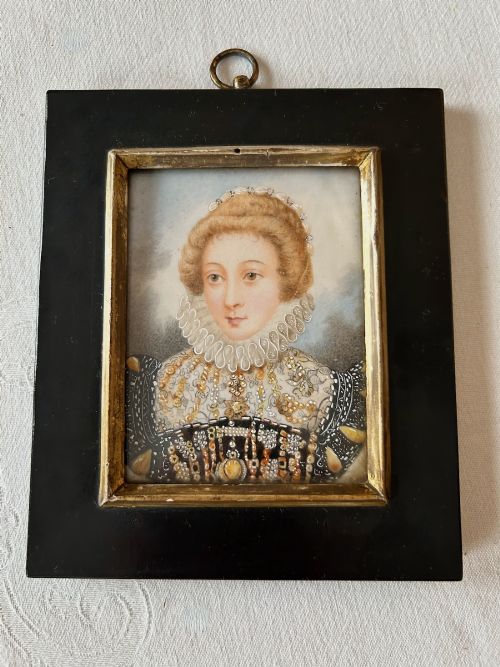
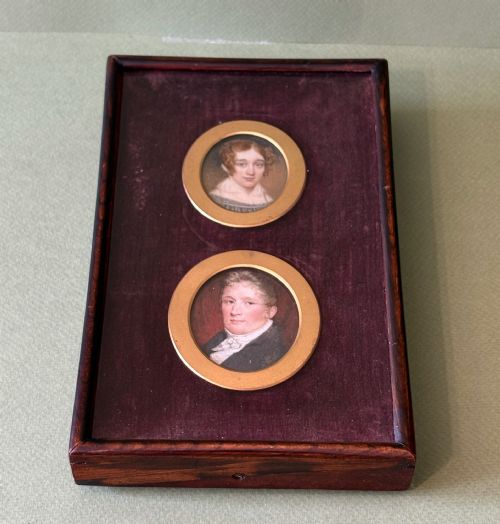
When you search for antique miniature wall art, you encounter small-scale paintings, silhouettes, and wall plaques designed for compact display. The selection on this page spans from the 18th century through the Victorian era and into the early 20th century, capturing shifts in domestic taste over several generations.
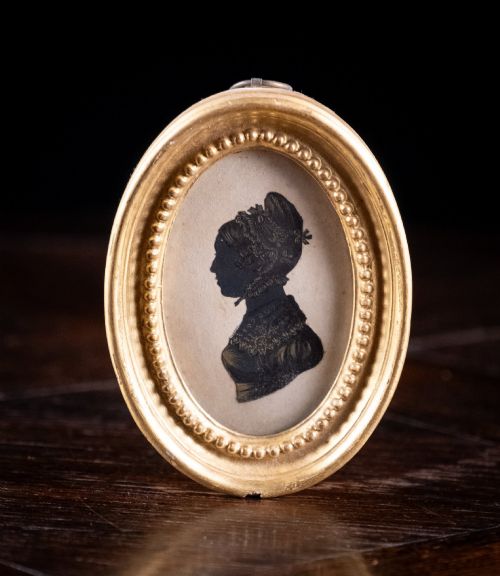
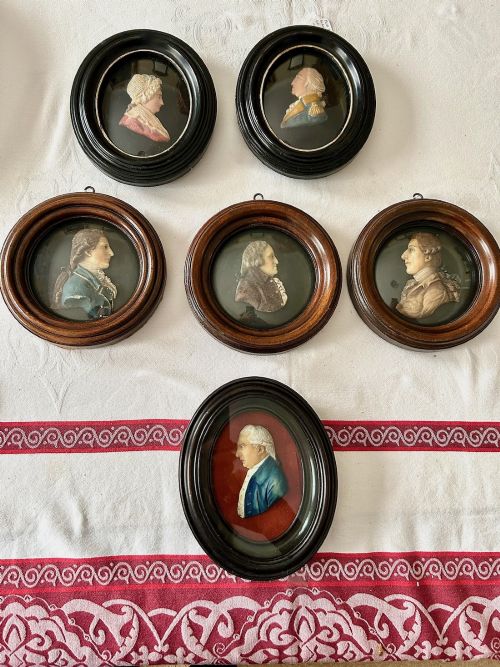
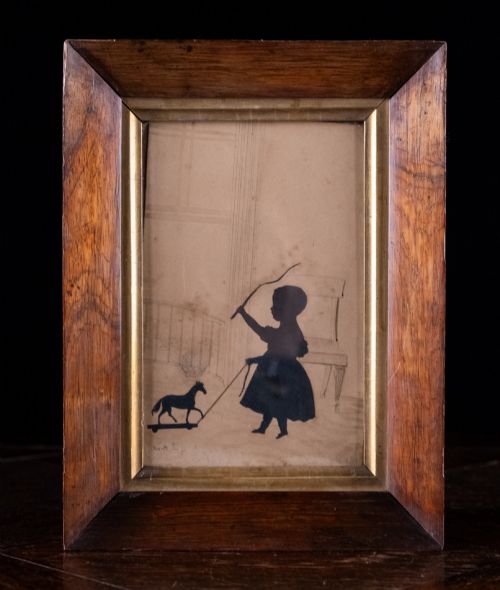
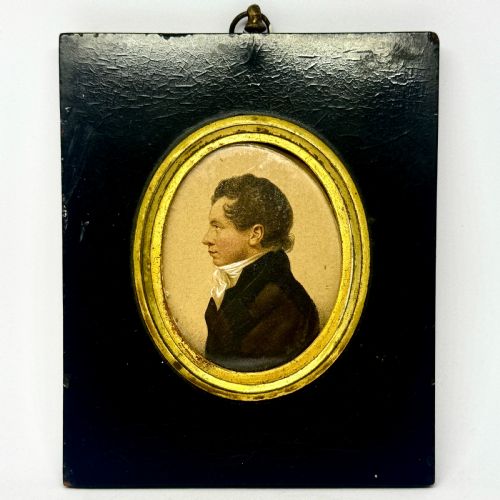
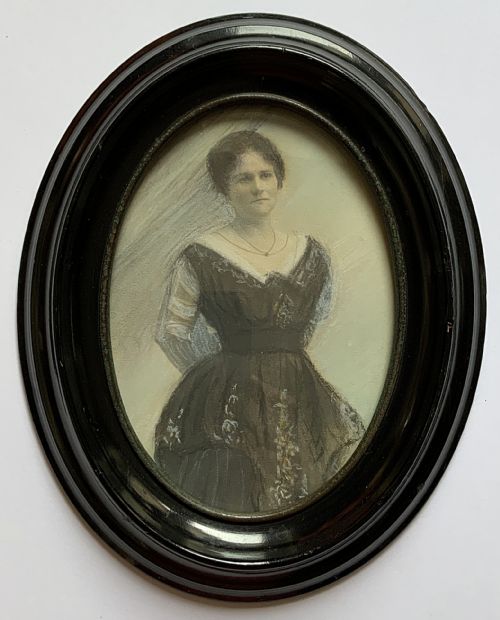
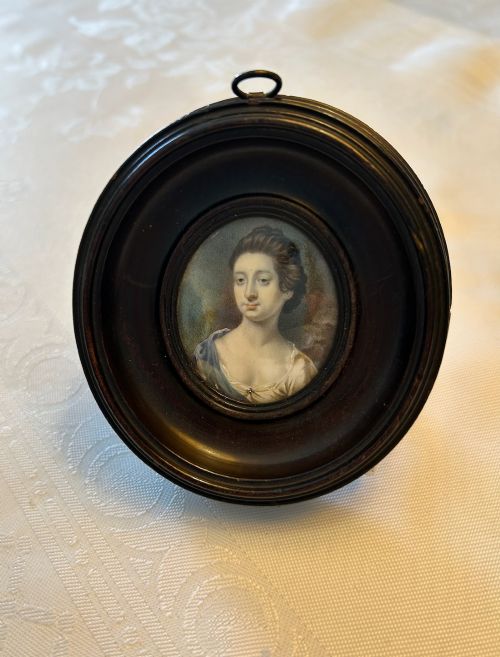
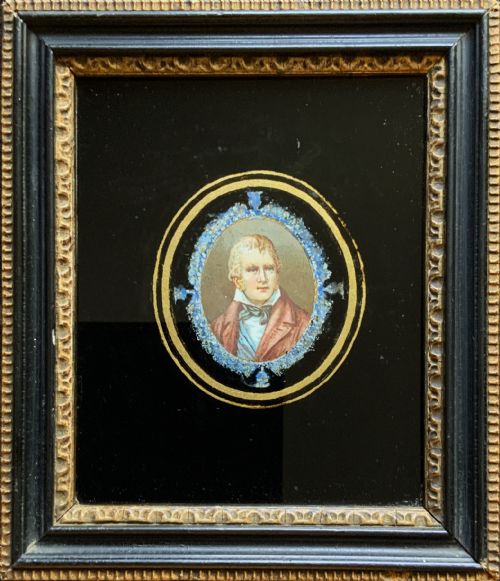
Portrait miniatures dominate the offerings, often framed in wood, ebonised wood, or giltwood alongside glass. You will also find sets of wax portraits, silhouettes of children and animals, and hand-painted porcelain plaques after Renaissance masters or contemporary subjects.
Origins range across British, French, and Continental schools, encompassing styles from Georgian and Regency to Art Deco and Neoclassical. These works bridge the gap between intimate personal keepsakes and decorative wall furnishings.
How they were made
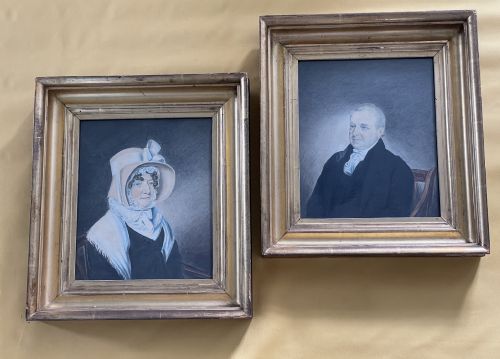
Artists employed watercolour, pastel, gouache, plumbago, and oil on varied substrates including paper, porcelain, and enamel. Plumbago drawings utilise fine graphite work on vellum or paper, requiring immense precision at such a reduced scale.
Enamel plaques demand skilled firing techniques, particularly seen in South Staffordshire and Limoges pieces where pigments fuse to metal or ceramic bases. Hand-painted porcelain plaques capture intricate detail, often echoing larger canvases by historical masters.
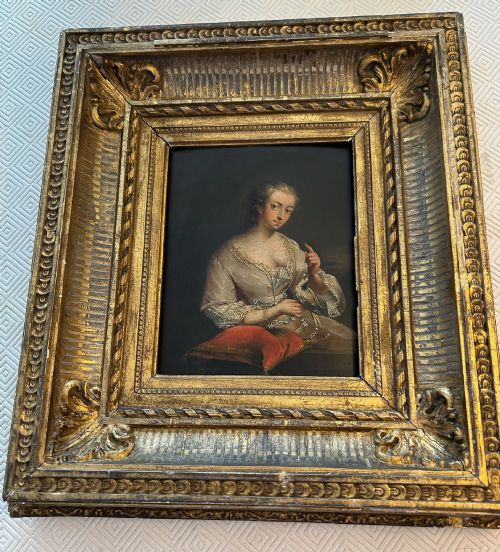
Frames play a structural and aesthetic role, utilising ebonised wood, brass, and gold leaf to protect and complement the delicate artwork within. Many pieces retain original glass and backings that evidence their period of manufacture.
Canines make unexpected appearances alongside human sitters in several framed portraits and cut silhouettes.
What varies in quality
The refinement of the brushwork or cutting technique dictates the distinction between standard decorative items and exceptional collector pieces. Portrait miniatures with expressive facial detail and secure provenance show superior artistic capability.
The integrity of the mounting materials matters greatly, with original frames, convex glass, and intact backing papers elevating the piece. Lesser examples may exhibit later reframing or fading of pigments from exposure to light.
Henri Fradelle·Richard Cosway·Augustin Edouart·John Taylor·James Ferguson·George Atkinson·Susie Lassam·Samson
The Antique Miniature Wall Art Glossary
- Portrait Miniature
- A small-scale painting, typically executed in watercolour or enamel, designed for intimate viewing or portable display.
- Plumbago
- A finely detailed graphite drawing on paper or vellum, popular for monochrome portraiture in the 18th century.
- Ebonised Wood
- Timber treated with a dark stain or finish to imitate expensive ebony, frequently used for 18th and 19th-century frames.
- Silhouette
- A portrait cut from black paper or painted in profile, capturing likeness through outline rather than internal detail.
- Enamel Plaque
- A decorative panel formed by fusing powdered glass to a metal or ceramic substrate under high heat.
Antique Miniature Wall Art: Frequently Asked Questions
How were antique miniature portraits displayed?
These small artworks were traditionally hung in tight clusters on domestic walls, often arranged alongside larger pictures to create varied salon-style displays.
Their modest dimensions allowed owners to group multiple family members or decorative subjects together in private rooms or intimate drawing spaces.
Are silhouettes considered portraits?
Silhouettes functioned as a popular and accessible form of portraiture before the widespread adoption of photography.
Cut from paper or painted in profile, they recorded the exact physical outlines of sitters, from children to dignitaries.
How do I care for antique miniatures?
Protecting these delicate pieces requires keeping them away from direct sunlight to prevent the fading of watercolours, gouache, and paper substrates.
Maintaining stable indoor humidity also preserves the integrity of old wooden frames, paper backings, and fragile enamel surfaces.