


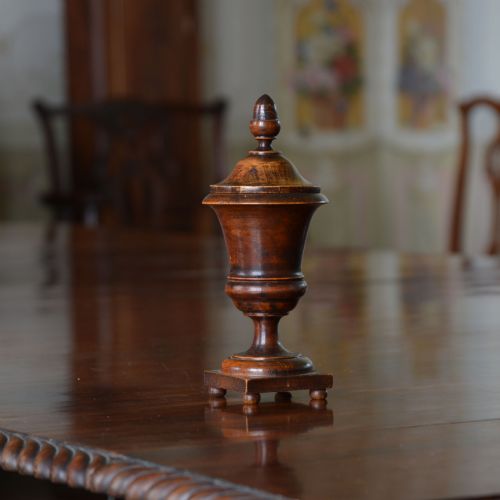


Antique Miniature Urn
An antique miniature urn condenses classical monumentality into the palm of the hand, offering refined domestic display without requiring a grand room.
Antique Miniature Urn
When you search for an antique miniature urn, you encounter diminutive vessels spanning centuries of British, European, and Japanese craftsmanship. These pieces take the form of campana shapes, chestnut vessels, and classical vases derived from archaeological discoveries.
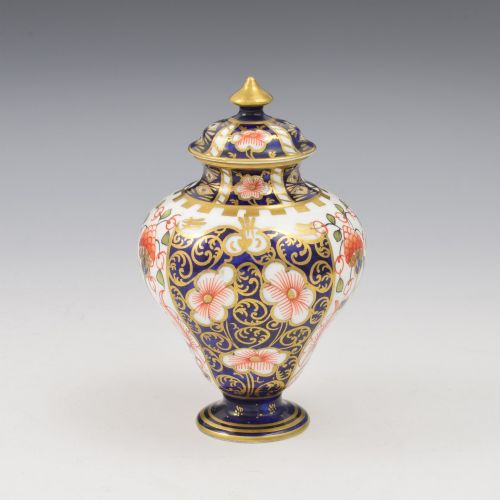
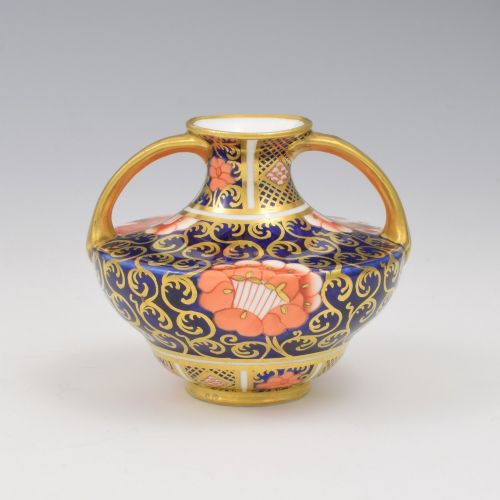
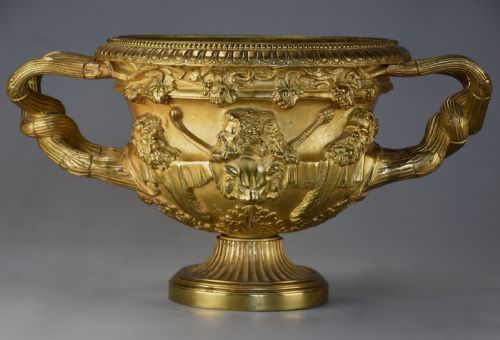
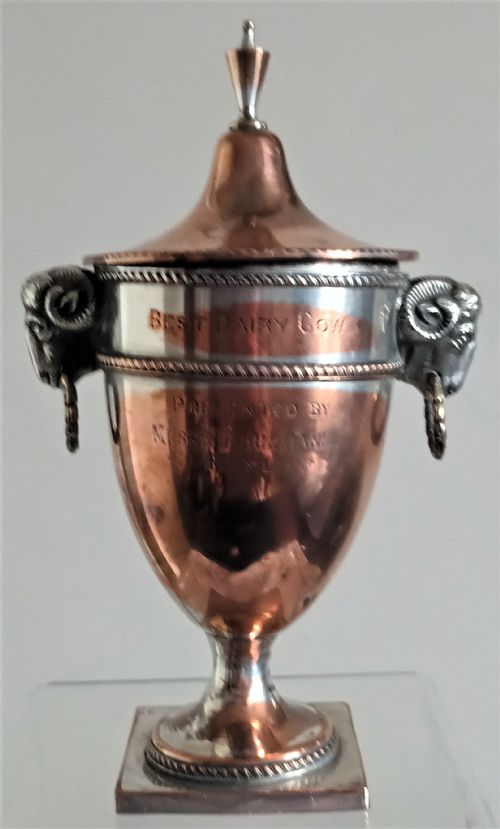
The selections on this page lean heavily toward porcelain bodies from factories such as Royal Crown Derby, Worcester, and Crown Staffordshire, alongside Japanese Satsuma and cloisonné wares. Alongside ceramics, you find metalwork interpretations including Old Sheffield Plate, bronze Grand Tour reductions, and German silver pieces.
Makers adapted grand architectural motifs into cabinet-sized objects intended for mantelpieces, desks, and enclosed display cases. Their appeal lies in the preservation of large-scale decorative ambition within a compact footprint.
Evaluating standard and execution
Quality separates through the crispness of the modelled form and the precision of the hand-painted decoration. Top-tier examples show confident brushwork by named artists, balanced composition, and clean gilding that sits evenly on the ceramic or metal surface.
Lesser pieces often rely on mechanical transfers, blurred enamels, or clumsy proportions that lose the architectural dignity of the original classical prototypes. The depth of the patina on metalwork and the translucency of the porcelain body further distinguish superior works.
The documented styles range from Georgian neoclassical forms and Victorian Grand Tour bronzes to Meiji period Japanese Satsuma and Edwardian Imari wares.
Royal Crown Derby·Crown Staffordshire·Doulton Lambeth·Flight Barr And Barr·Royal Worcester·William Moorcroft·Chosei
The Antique Miniature Urn Glossary
- Campana urn
- A bell-shaped vessel with a flared rim and foot, modelled after ancient Roman garden vases. This classic silhouette remains a staple of neoclassical decorative arts.
- Grand Tour
- A cultural journey undertaken by wealthy Europeans in the eighteenth and nineteenth centuries, bringing home small bronze reductions of famous antiquities. These souvenirs captured archaeological discoveries in portable forms.
- Imari
- A style of Japanese export porcelain featuring deep cobalt blue, iron red, and gilt decoration. European factories frequently copied these vibrant patterns on small cabinet vases.
- Old Sheffield Plate
- A composite material made by fusing a thin sheet of silver to a thicker copper base. Makers used this technique before electroplating was invented.
- Cloisonné
- An enamelling technique where metal wire is soldered to a base to create cells filled with coloured paste. Firing vitrifies the paste into a smooth, patterned surface.
Antique Miniature Urn: Frequently Asked Questions
What were miniature urns used for?
These small vessels served primarily as decorative cabinet pieces rather than functional containers. Victorians and Edwardians placed them on mantelpieces and inside glass display cases to showcase refined taste.
Some variations functioned as scent bottles or small desk ornaments, combining classical aesthetics with modest utility in domestic interiors.
How do I date an antique urn?
Dating relies heavily on factory backstamps, ceramic bodies, and stylistic markers such as Neoclassical revival motifs or Jugendstil lines. Comparing the hand-painted palette and gilding style to known production periods provides a reliable timeframe.
Material composition also guides attribution, as techniques like Old Sheffield Plate and specific Satsuma signatures point to distinct decades of manufacture.
How do I display these pieces?
Their compact size makes them ideal for grouping on bookshelves, inside cabinets, or on dedicated side tables where their detail can be appreciated up close. Placing them away from direct sunlight protects vulnerable enamel and gilt surfaces.
Pairing matching shapes, such as small pairs of Japanese cloisonné or porcelain vases, creates visual balance on a mantel or shelf.
Are bronze urns heavy?
Cast bronze Grand Tour pieces possess a surprising heft relative to their small dimensions due to the dense metal composition. This weight contributes to their stability when used as decorative desk objects or miniature planters.
Porcelain and treen versions offer a much lighter alternative while retaining the same classical silhouette.