
Antique Military Sword
An antique military sword carries the weight of history in its steel blade, offering collectors a tangible connection to past conflicts and ceremonial traditions.
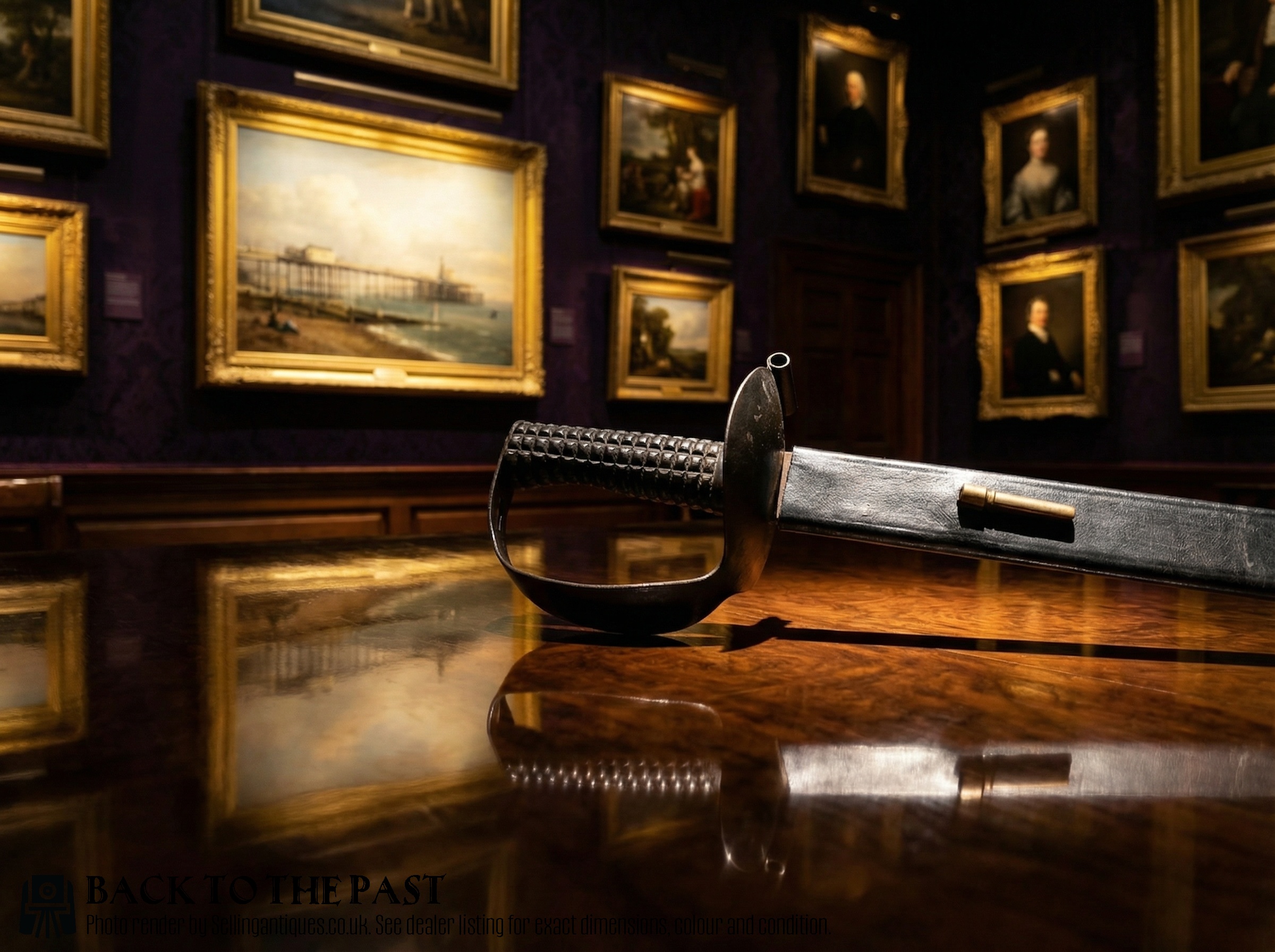
Antique Military Sword
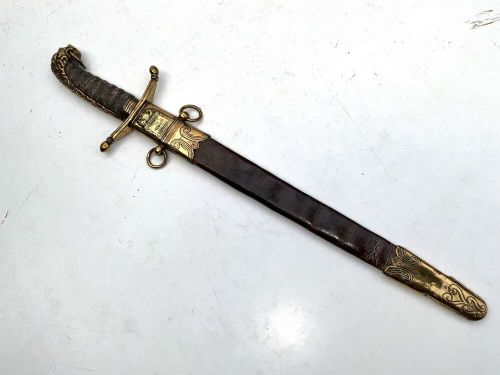
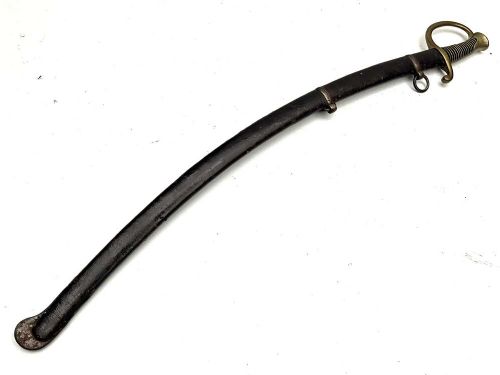
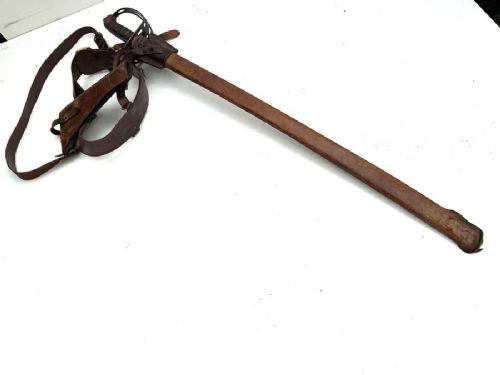
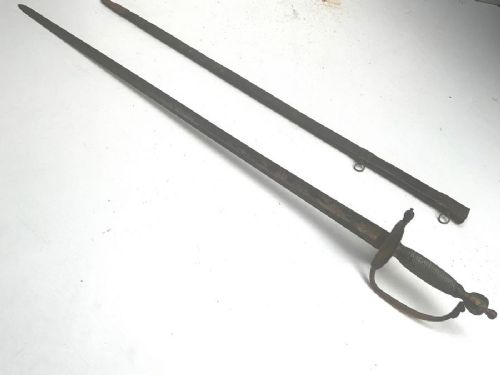
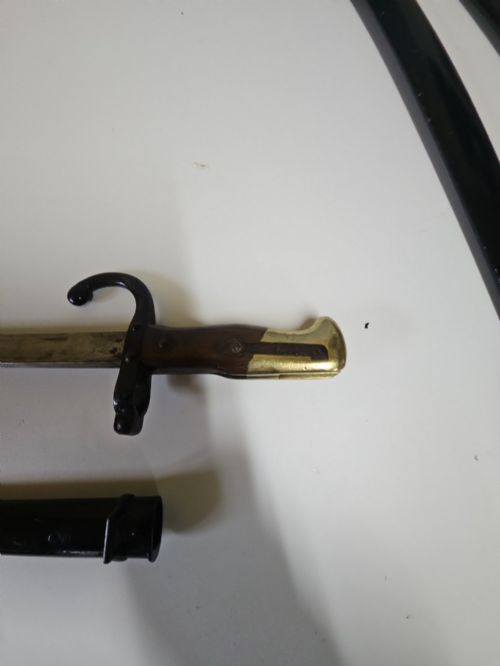
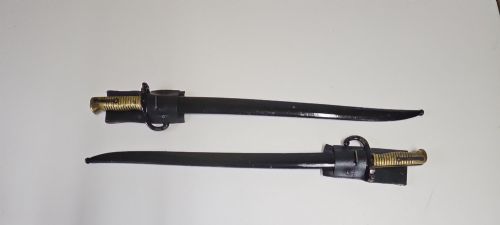
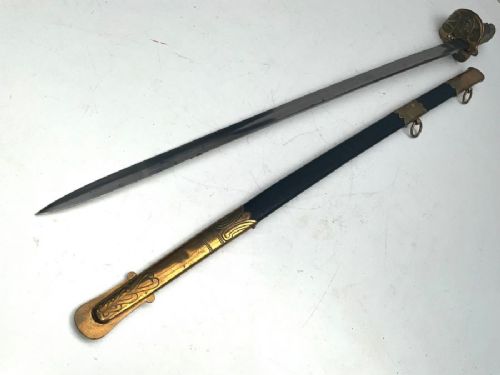
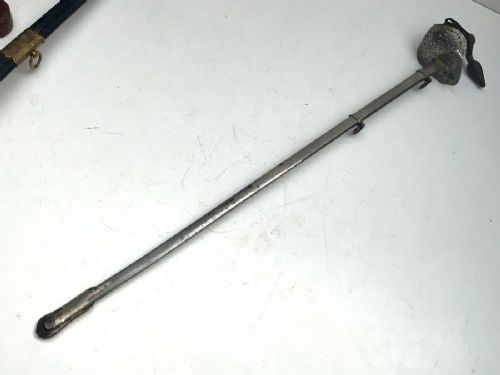
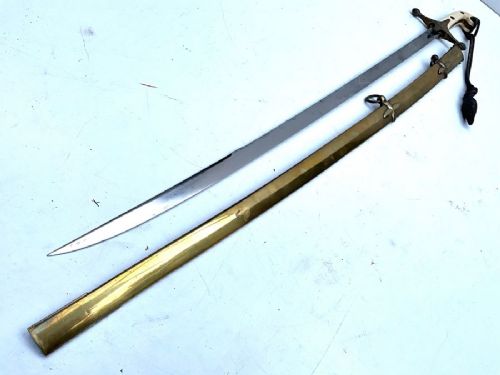
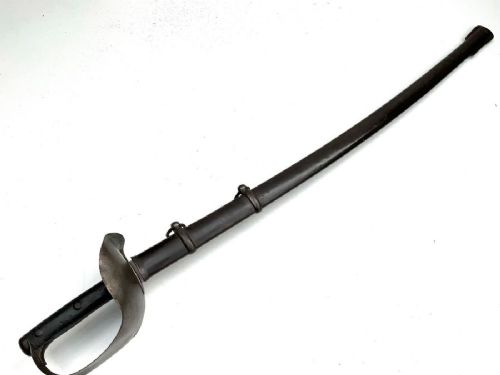
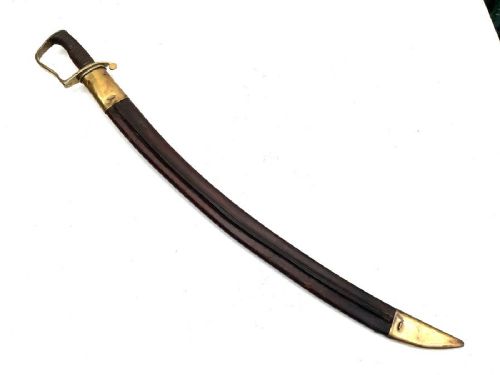
When you search for an antique military sword, you encounter edged weapons spanning centuries of tactical evolution and official regulation. These pieces include British cavalry sabres, naval dirks, French bayonets, and German officers' swords originating from the nineteenth and twentieth centuries.
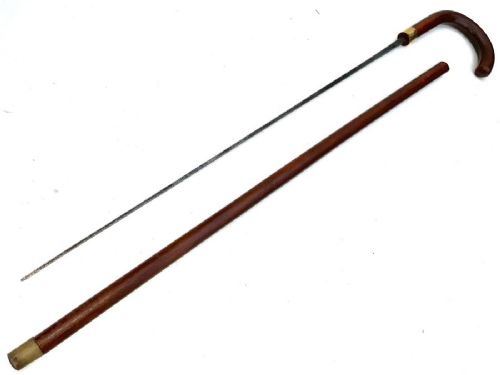
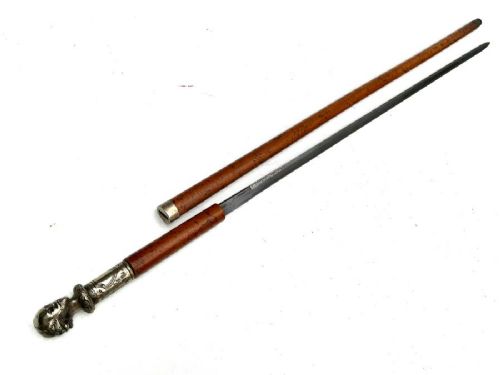
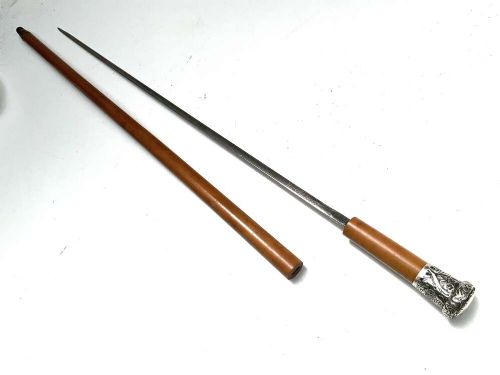
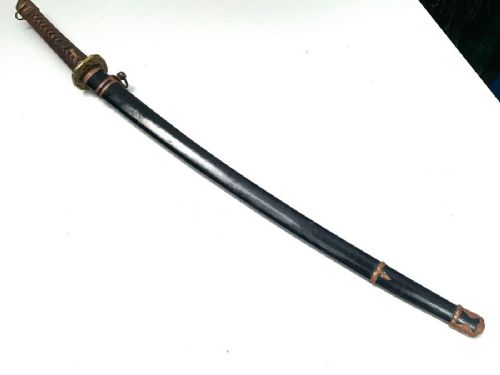
You are most likely to meet Victorian and 19th-century British and European patterns on this page, alongside occasional Japanese WWII swords and concealed sword sticks. The selection ranges from heavy troopers' weapons to lighter dress swords and specialised naval cutlasses.
Materials and construction methods
The construction of these weapons relies heavily on forged steel for blades, often paired with brass, iron, or gilt brass for hilts and guards. Grips incorporate materials such as wood, ray skin, and leather wrap to ensure a secure hold during combat or parade use.
Scabbards commonly combine steel or leather with metal mounts to protect the blade. Engraving, blueing, and gilt work appear on presentation pieces and officers' models, distinguishing them from standard issue troopers' equipment.
Antique Military Sword Retail Price Guide 2026
Typical asking prices for military sword among the pieces listed under this phrase on Sellingantiques today, from the lower quarter to the upper quarter. They describe what is for sale here now, not the wider market.
Listings feature edged weapons spanning from the 16th century to the 1940s, encompassing British, French, German, and Japanese military forms.
Assessing quality and craftsmanship
Quality in these edged weapons rests upon the precision of the blade's forging and the integrity of the hilt assembly. Maker attribution, such as signed blades by recognised firms, elevates a piece significantly above unmarked or standard issue variants.
Preservation of original surface finishes, including blueing, gilt details, and grip wrappings, dictates the desirability of an example. Complete assemblies retaining their matching scabbards demonstrate superior historical and collector value.
E Thurkle of Soho·H Wilkinson·Mole
The Antique Military Sword Glossary
- Spadroon
- A lightweight, straight-bladed sword designed for both cutting and thrusting, popular with British officers during the late 18th and early 19th centuries.
- Mameluke
- A curved sword with a distinctive crossguard and grip style, adopted by general officers following Middle Eastern patterns.
- Bayonet
- A bladed weapon designed to fit onto the muzzle of a rifle for close combat.
- Cutlass
- A short, broad sabre used primarily by naval personnel for close-quarters fighting aboard ships.
- Scabbard
- A protective sheath for a sword blade, typically constructed from leather or steel.
Antique Military Sword: Frequently Asked Questions
How do I identify a Victorian military sword?
Victorian military swords generally date between 1837 and 1901, often bearing cyphers or regulation patterns introduced during the reign of Queen Victoria. Blade etchings and specific hilt designs help pinpoint the exact military branch and decade of manufacture.
Examining the spine of the blade frequently reveals inspection marks or maker details that confirm the period of active service.
Were sword sticks used in combat?
Sword sticks served primarily as discreet personal defence items for officers and gentlemen walking out of uniform during the 19th and early 20th centuries. They combined a functional walking cane with a concealed blade hidden inside the shaft.
Their lightweight construction suited civilian carriage rather than battlefield deployment.
How should I care for an antique steel blade?
Maintaining an antique steel blade requires a stable environment with low humidity to prevent active rusting. Applying a micro-crystalline wax or light mineral oil protects the metal surface without damaging historical patina.
Avoid abrasive cleaners and store the blade outside of damp leather scabbards whenever possible.