


Victorian Officer Sword
A victorian officer sword carries the weight of nineteenth-century military history, taking the form of steel blades and mounted walking sticks.
Victorian Officer Sword
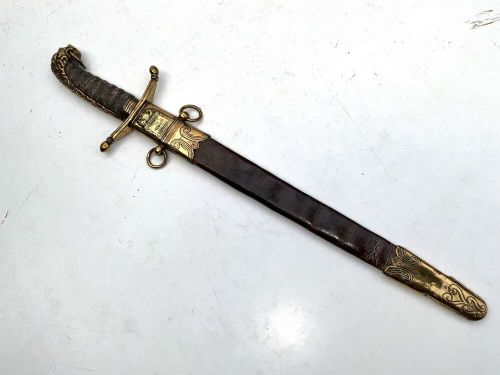
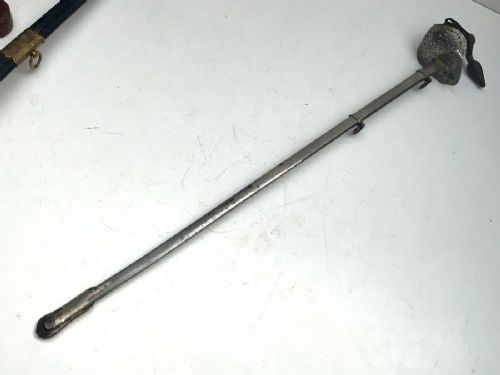
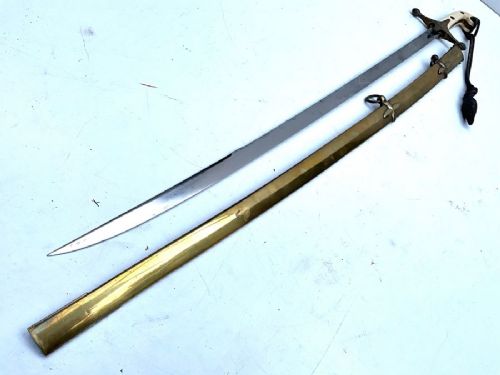
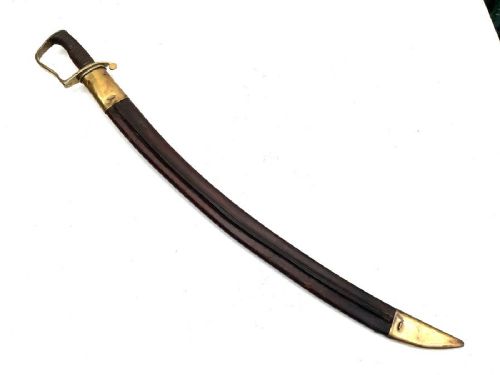
When you search for a victorian officer sword, you encounter edged weapons and concealed sword sticks spanning the nineteenth century and early twentieth century. The selection includes royal navy officers dirks, general officers mameluke swords, heavy cavalry sabres, and rifle regiment swords.
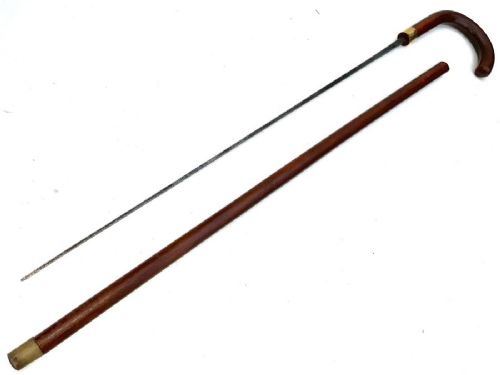
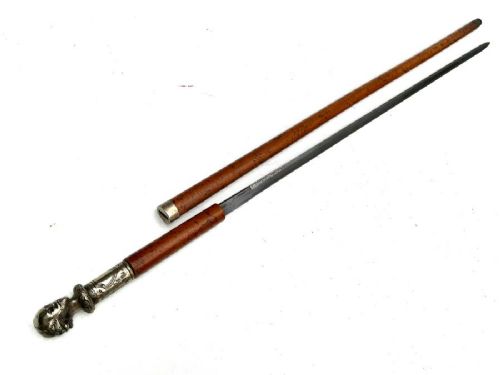
You also meet walking sticks and swagger sticks housing hidden blades from the eighteen-nineties and nineteen-tens, alongside imperial german military examples. These pieces represent both formal military dress and civilian-carried defence items of the era.
How they were made
Makers utilised forged steel for the blades, shaping sabres, dirks, and straight swords alongside concealed blades housed within wooden and metal walking sticks. Metal, brass, and gilt brass formed the hilts, guards, and mounts, frequently paired with wire-wrapped grips.
Leather provided the material for scabbards, while natural wood formed the shafts for the various swagger sticks and walking cane variations recorded across the period.
Site listings show dates spanning from 1800 to 1910, encompassing steel, brass, leather, wood, and wire materials.
What varies in quality
The distinction between standard service equipment and superior examples lies in the execution of the steel blade and the reputation of the maker. Named makers such as Wilkinson or E Thurkle denote high-grade London production compared to unmarked alternatives.
The finesse of the brass or gilt brass hilt work, the tightness of the wire wrapping on the grip, and the structural integrity of the leather scabbard or wooden walking stick housing all separate ordinary survival from exceptional preservation.
E Thurkle·H Wilkinson
The Victorian Officer Sword Glossary
- Mameluke sword
- A curved military sword modelled on traditional Middle Eastern scimitars, adopted by general officers in the nineteenth century. These feature distinctive crossguards and grips.
- Sword stick
- A walking cane or swagger stick containing a concealed blade within the shaft. They served as personal defence items during the Victorian period.
- Dirk
- A long-bladed dagger associated with naval officers. The royal navy variant formed part of formal uniform dress.
- Sabre
- A backsword with a curved blade designed primarily for cutting. Heavy cavalry regiments utilised these robust weapons.
Victorian Officer Sword: Frequently Asked Questions
What is a mameluke sword?
A mameluke sword is a curved military blade modelled on traditional Middle Eastern designs, adopted specifically by general officers during the Victorian era.
These swords feature distinctive crossguards and decorative grips, setting them apart from standard straight infantry or cavalry blades.
How do sword sticks work?
A sword stick conceals a steel blade inside the wooden or metal shaft of a walking cane or swagger stick, secured by a friction fit or locking mechanism.
They functioned as discreet personal defence tools for officers and gentlemen navigating nineteenth-century streets.
Who made these swords?
Prominent London cutlers and makers such as H Wilkinson and E Thurkle produced military blades for officers across the nineteenth century.
Their workshop names often appear etched near the ricasso of the steel blade.
What is a naval dirk?
A naval dirk is a short, fixed-blade weapon worn by royal navy officers as part of their ceremonial and service dress uniform.
These pieces combine steel blades with brass fittings and specialised grips suited to maritime service.