


British Officer Sword
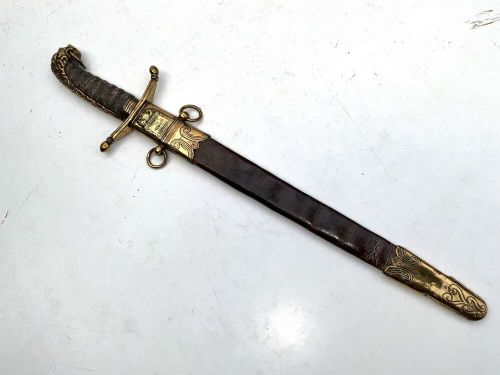
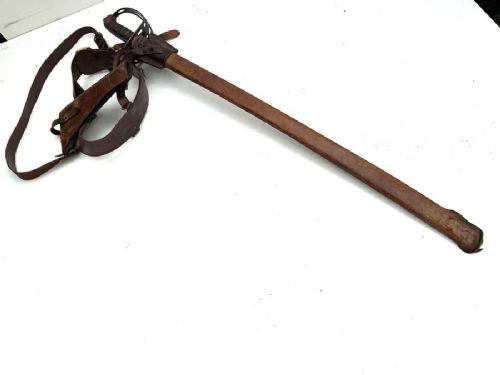
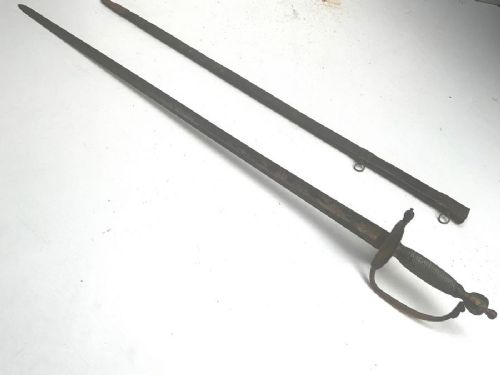
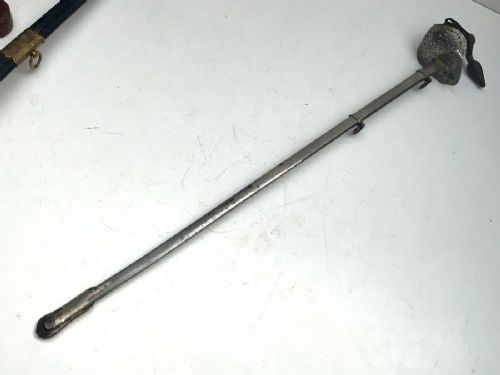
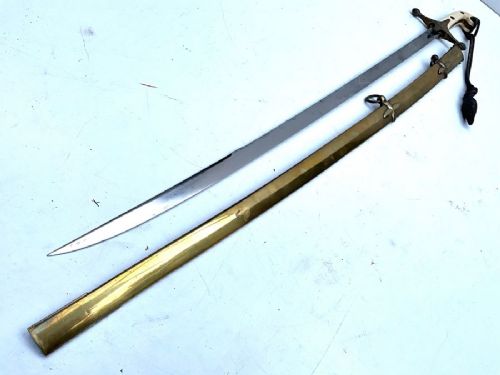
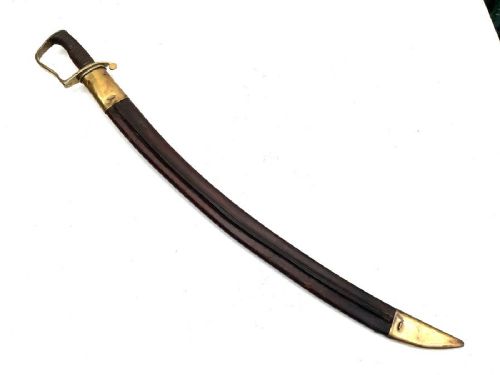
These british officer sword examples carry steel and brass through centuries of service, shaped by regulation and individual commission alike.
British Officer Sword
A british officer sword represents the edged weapons and militaria carried by military commanders from the Georgian era through to the twentieth century. When searching this category, collectors encounter everything from heavy cavalry sabres and infantry spadroons to naval dirks and mameluke swords.
The pieces on this page span the 1796 pattern, 1831 pattern, 1845 pattern, and Boer War periods, reflecting the evolving regulations of the British armed forces. Alongside steel blades and scabbards, the selection occasionally touches upon related military portraits and ceremonial accoutrements.
Victorian examples and mid-nineteenth century pieces dominate the forms available here, showing the standard patterns issued to infantry, cavalry, and naval officers. Each surviving weapon records the specific service branch and era of its manufacture through distinct hilt designs and blade etchings.
How they were made
Blades are forged from steel, sometimes featuring blue and gilt decoration or double-edged geometries, paired with hilts cast in brass, gilt brass, and iron. Grips incorporate wire, bone, and leather wrapped around tangs to secure the hand during active service.
Scabbards combine leather and steel to protect the edged blade, whilst specific makers utilised specialised hardening and etching techniques. The integration of these durable materials ensured the weapons could withstand active military campaigns.
Listings incorporate steel, brass, iron, gilt brass, wire, nickel, bone, and leather across Victorian and Georgian periods.
What varies in quality
Quality rests in the crispness of the blade's etching, the tightness of the wire wrap on the grip, and the preservation of the original gilt brass or blueing. Maker-marked examples by known firms carry greater historical weight than unmarked equivalents.
The balance between the steel blade and the hilt, along with the survival of matching leather and steel scabbards, separates standard service issue from superior private purchase pieces.
E Thurkle of Soho·H Wilkinson·Gieves London
The British Officer Sword Glossary
- Spadroon
- A lightweight, straight-bladed cutting and thrusting sword popular with infantry officers during the Georgian period. It was designed for agility rather than heavy combat.
- Mameluke
- A sabre with a sharply curved blade and an ornate hilt derived from Middle Eastern weapons, adopted by British general officers in the nineteenth century. The pattern remains distinct for its crossguard and distinctive grip scales.
- Blue gilt
- A decorative treatment where the steel blade is heat-blued and embellished with gilded motifs, common on late eighteenth and early nineteenth century officer swords. This finish denotes a private purchase piece of higher status.
- Cypher
- The monogram of the reigning monarch stamped or etched onto the blade or hilt, used to date and authenticate British military property. These royal cyphers link the weapon directly to its period of service.
- Dirk
- A short dagger or bladed weapon carried primarily by Royal Naval officers as part of their ceremonial and service dress. They feature intricate brass or gilt mounts and compact grips.
British Officer Sword: Frequently Asked Questions
How do I date a British officer sword?
Dating relies on identifying the regulation pattern, monarchical cyphers, and specific blade etchings recorded across nineteenth century and Georgian examples. Maker signatures and registration marks also provide concrete decades for manufacture.
Changes in hilt design, such as the shift from standard spadroons to Victorian guard patterns, narrow down the active period of service for each individual weapon.
Did officers buy their own swords?
British officers generally purchased their swords privately from approved outfitters and makers rather than receiving standard government issue. This practice allowed for higher grade materials like gilt brass and blue gilt blades.
Private purchase explains the variation in ornamentation and the presence of specific maker signatures on surviving pieces.
How should I display a sword at home?
Swords mount securely on walls using specialised brackets that support both the blade and scabbard without straining the hilt or grip materials. Stable indoor humidity protects the steel and leather from environmental degradation.
Keeping the weapon out of direct sunlight preserves the original leather scabbards and bone or wire grips.