


Antique Military Picture
An antique military picture captures campaigns, regiments, and portraits across centuries through oil, watercolour, and print.
Antique Military Picture
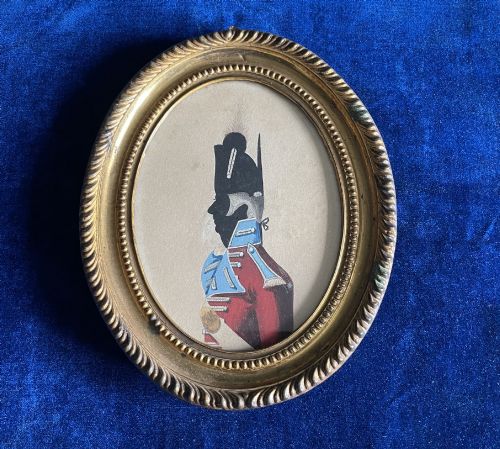
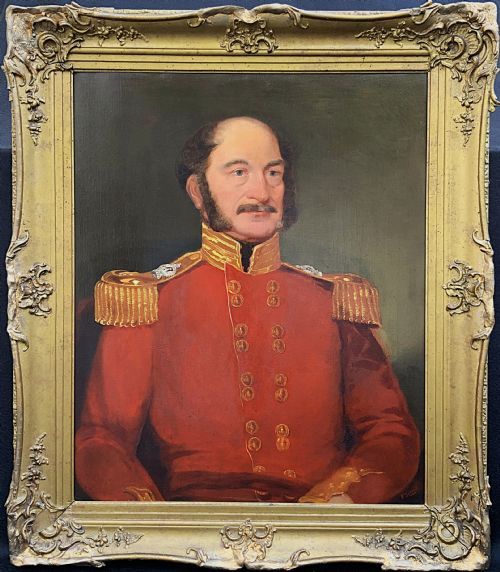
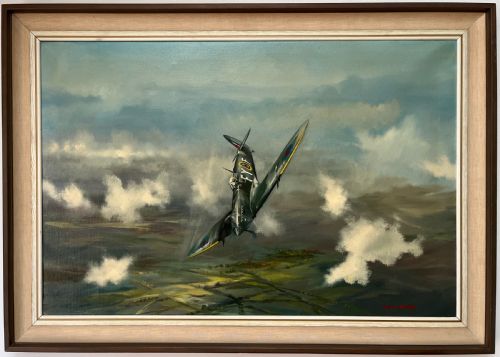
When someone searches for an antique military picture, they encounter wall art spanning the eighteenth, nineteenth, and twentieth centuries. These pieces record naval engagements, cavalry skirmishes, and portraits of officers and enlisted personnel.
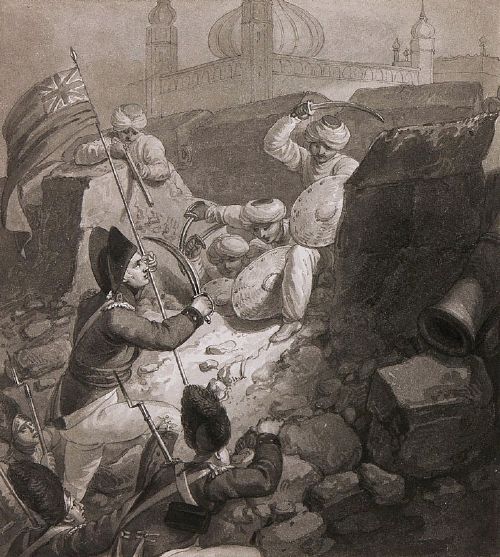
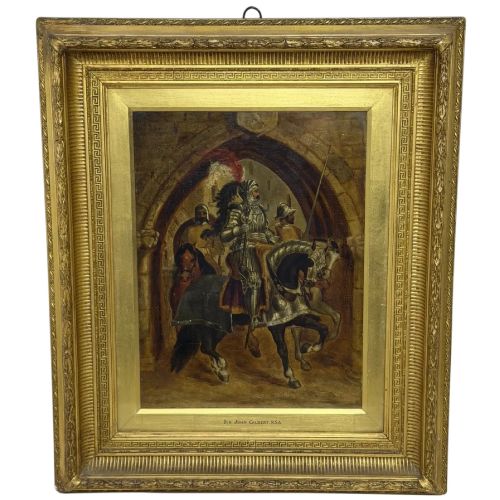
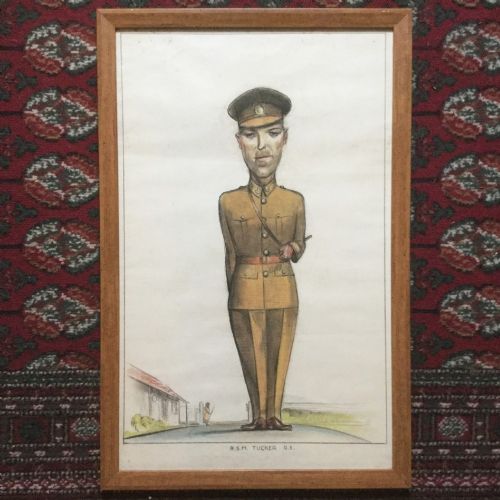
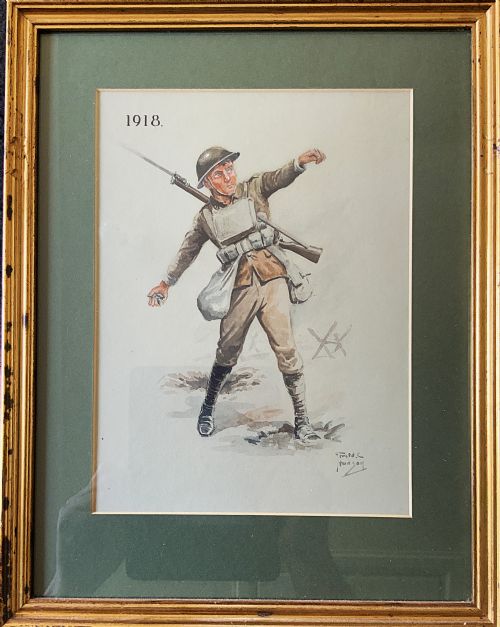
The selections available here comprise oil paintings, watercolour and wash drawings, reverse glass prints, charcoal battlefield sketches, and engravings. Subjects range from named commanders like Napoleon and specific regiments to anonymous soldiers and sailors.
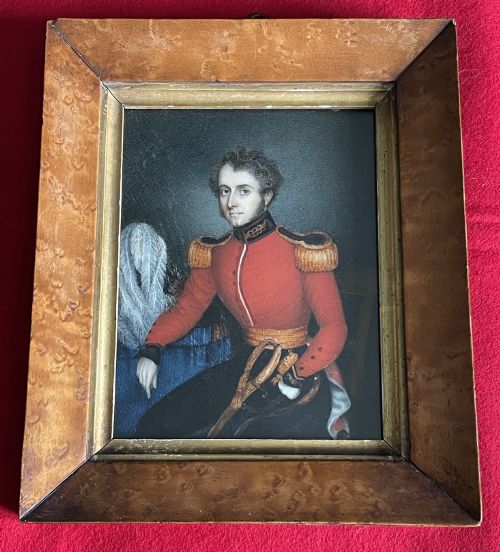
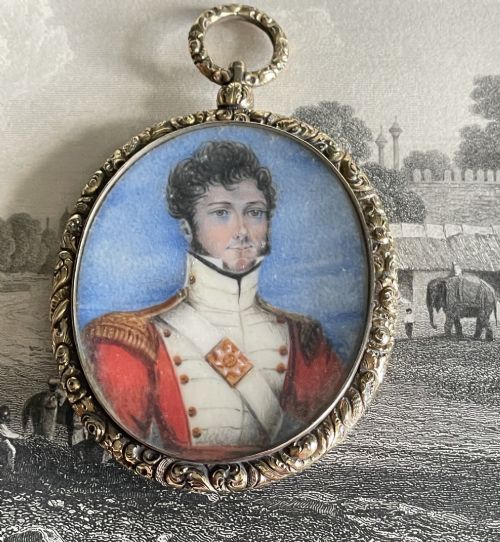
Portraits dominate the selections, alongside narrative battle scenes and commemorative tributes. Formats vary from miniature watercolours to large framed prints and canvas oils.
Materials and execution
Makers utilised paper, canvas, and glass as surfaces for pigment and ink. Watercolours, gouache, and oil on canvas form the painted works, while engravings and lithographic prints offer multiples of famous engagements.
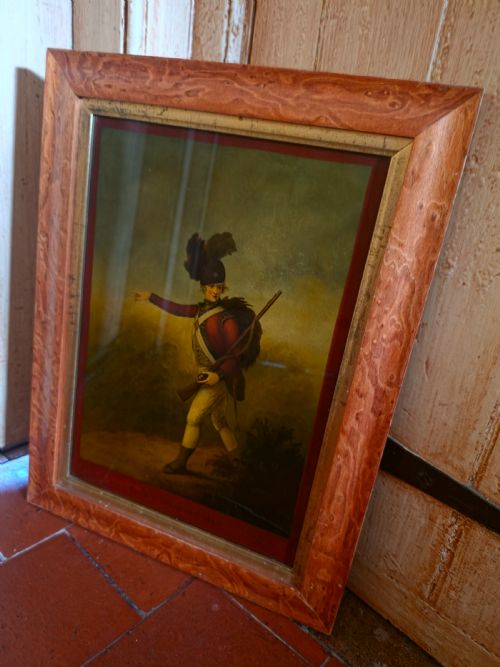
Frames employ wood, gilt wood, and oak, often housing the artwork beneath protective glass. Specialised techniques such as reverse glass painting place the image directly onto the glass plate for display.
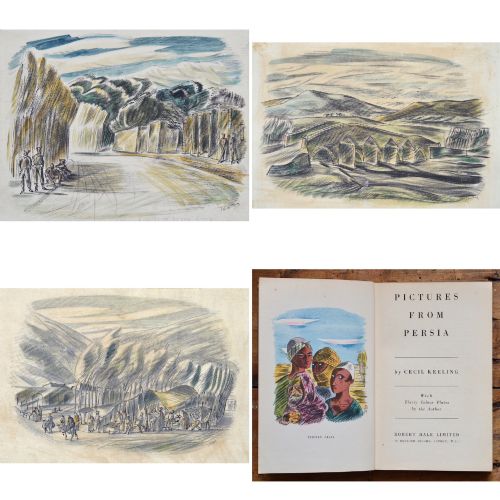
Textile works appear in the form of silkwork pictures and tapestry embroidery. Charcoal and pastel feature in wartime sketches executed on location.
Listings feature paper, glass, canvas, and wood as primary materials across multiple centuries.
Factors determining quality
Skill in draughtsmanship and brushwork dictates the merit of painted works, distinguishing detailed portraiture from formulaic production. Contemporary documentation of uniforms and campaigns elevates historical significance.
The integrity of the original medium, whether paper retaining its tone or canvas free from extensive overpaint, governs visual impact. Original framing, particularly period oak or giltwood moulding, preserves the context of the piece.
William Marshall Craig·Sir John Gilbert·John A Houston·Gilbert Scott Wright·Thomas Mackay·Snaffles
The Antique Military Picture Glossary
- Reverse glass
- An artistic method where paint is applied directly to the reverse side of a glass sheet, viewed from the front to create a glossy finish.
- Gouache
- An opaque water-based medium that provides solid blocks of colour and fine detail in illustrative works.
- Watercolour
- A transparent paint medium applied to paper, favoured for portable sketches and finished military portraits.
- Engraving
- A printmaking technique where an image is incised onto a metal plate to transfer ink onto paper.
- Trench art
- Decorative or utilitarian objects created by soldiers during wartime from available materials.
Antique Military Picture: Frequently Asked Questions
What periods do these military pictures cover?
The works span the eighteenth, nineteenth, and twentieth centuries, incorporating Georgian, Regency, Victorian, and Edwardian eras alongside wartime periods.
Specific dates on individual pieces range from eighteenth-century engagements to twentieth-century world conflicts.
Are these pictures hand painted or printed?
The selection includes both unique hand-painted works and printed reproductions. Original mediums feature oil on canvas, watercolour, gouache, pastel, and charcoal.
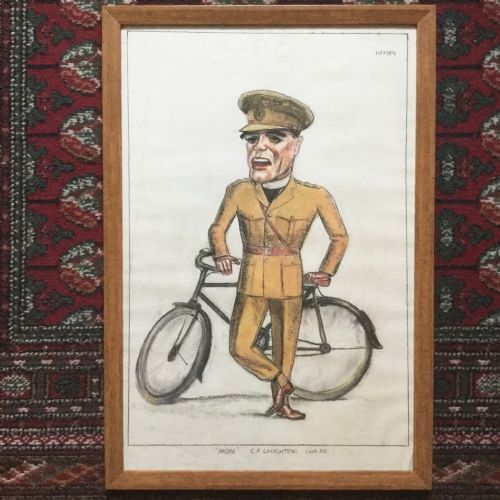
Printed items encompass engravings, reverse glass prints, and Vanity Fair lithographs.
Who are the subjects of these portraits?
Subjects include named officers, generals, and rulers such as Napoleon and Lieutenant-General Vernon. Other pieces depict unnamed infantrymen, dragoons, sailors, and engineers.
Animals such as military horses also appear in the artwork.
How were these pictures originally displayed?
Many works were framed in period wood or giltwood for domestic display in homes and messes. Some paper items were published as book illustrations or commemorative prints.
Photographs and charcoal sketches were often kept as personal mementos by service personnel.