
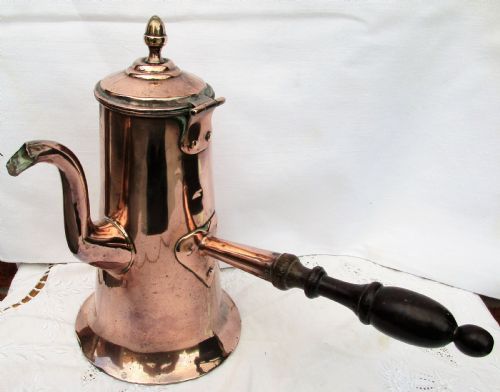


Antique Metalware Urn
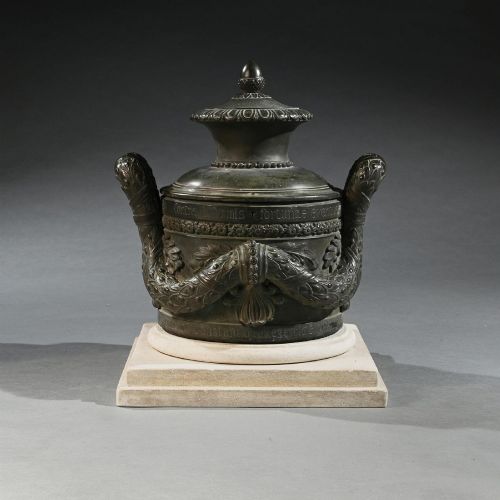
When you search for an antique metalware urn, you are looking at substantial vessels of copper, brass, and bronze designed for utility and display.
Antique Metalware Urn
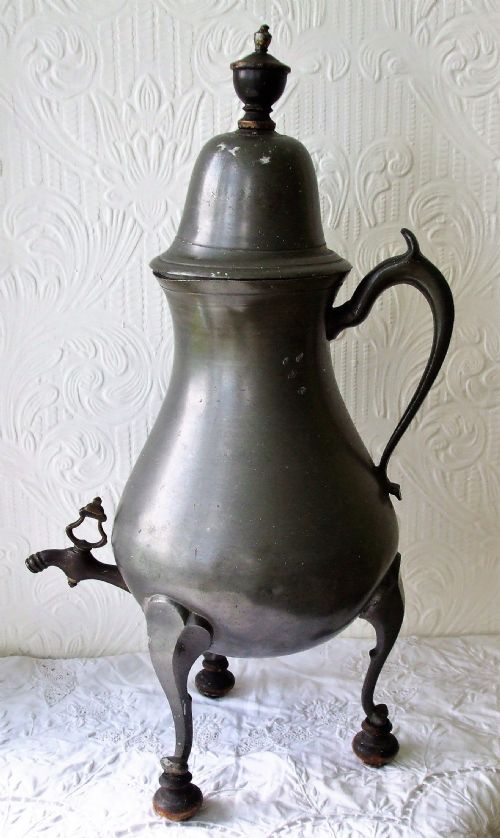
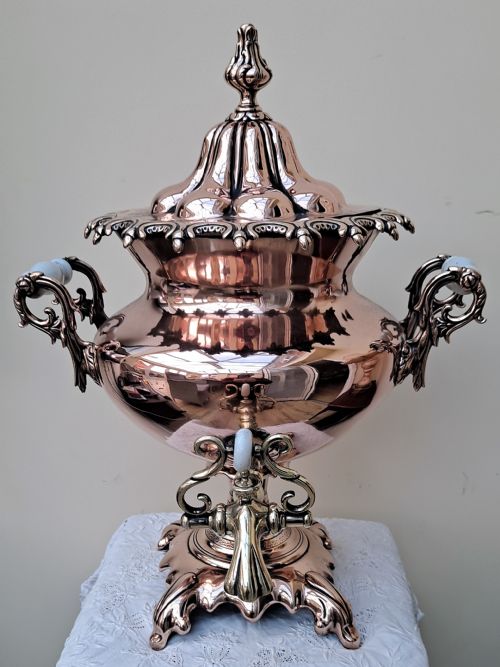
The selections most frequently encountered on this page include copper and brass samovars alongside bronze vases originating from English, French, and Japanese makers.
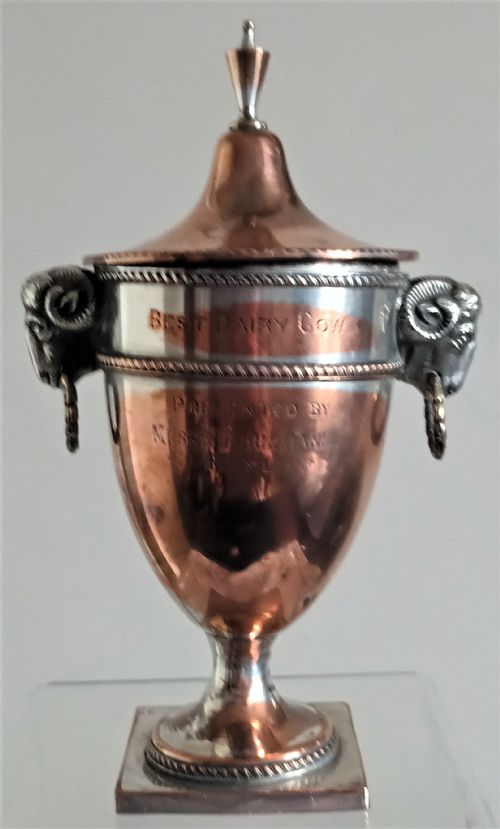
Forms stretch from utilitarian beverage dispensers with original fittings to ceremonial vessels and neoclassical decorative pieces.
How they were made
The primary metals utilised across these pieces are copper, brass, and bronze, often paired with secondary materials such as wood, enamel, and stone.
Techniques range from heavy casting in bronze to hammered copper construction, frequently enhanced with chased floral decoration, champleve enamel, or japanning.
Listings feature items spanning the 18th century, the Victorian era, and the Meiji period, constructed from bronze, copper, brass, and pewter.
What varies in quality
Quality rests upon the crispness of chased detailing, the presence of original fittings like taps and handles, and the weight and gauge of the metal utilised in the body.
Pieces from recognised periods such as the Georgian era or the Arts and Crafts movement display a refinement in proportion and surface finish that distinguishes them from simpler utilitarian items.
Benetfink And Co·William Cor
The Antique Metalware Urn Glossary
- Samovar
- A heated metal container traditionally used to boil water for tea, usually featuring an internal central metal tube.
- Old Sheffield Plate
- A composite material made by fusing a layer of silver to a base of copper, developed in the eighteenth century.
- Champleve
- An enamelling technique where troughs or cells are carved into the metal surface and filled with vitreous enamel before firing.
- Japanning
- A type of European finish that emulates Asian lacquerware, common on decorative metalware wares.
- Tsubo
- A traditional Japanese jar or vessel form often rendered in heavy cast bronze.
Antique Metalware Urn: Frequently Asked Questions
What is a samovar?
A samovar is a large metal urn traditionally used to heat and boil water, particularly for the preparation of tea.
These pieces often include internal heating tubes and original spigots or taps for dispensing.
How were copper urns used?
Copper urns and coffee pots served practical functions in domestic dining and entertaining during the Georgian and Victorian periods.
They were designed to keep liquids hot for extended periods on sideboards and tables.
How do I date a bronze vase?
Dating bronze pieces relies on identifying stylistic markers associated with periods like the Meiji era or the 19th century.
Examining casting methods and decorative motifs helps determine the likely decade of manufacture.
Where were these pieces made?
The pieces originate from various workshops across England, France, Holland, and Japan.
Regional metalworking traditions dictate the distinct styles and decorative techniques seen on each vessel.