


English Copper Urn
An English copper urn is a heavy, warm vessel designed for boiling water or brewing tea, bringing centuries of domestic hospitality straight to the sideboard.
English Copper Urn
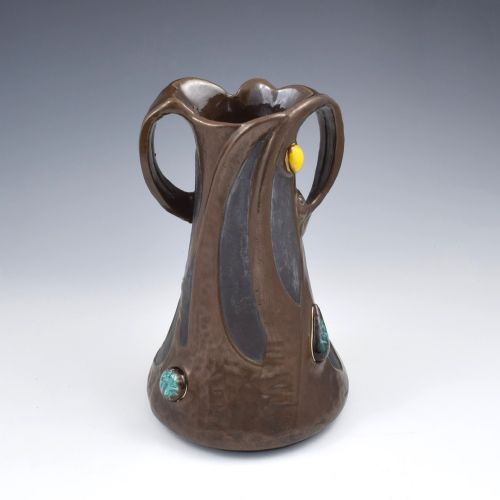
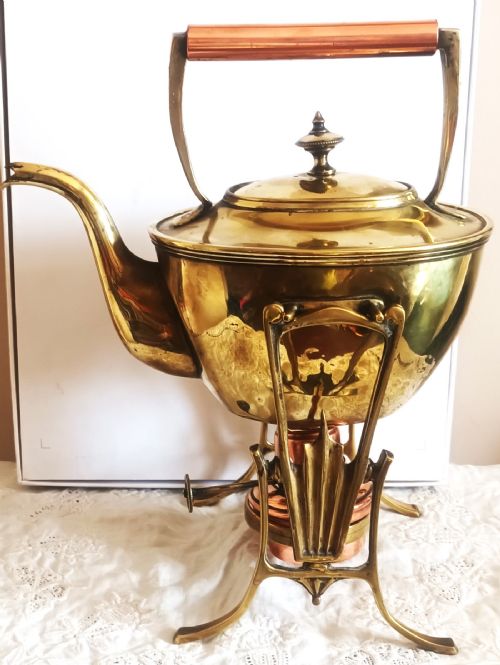
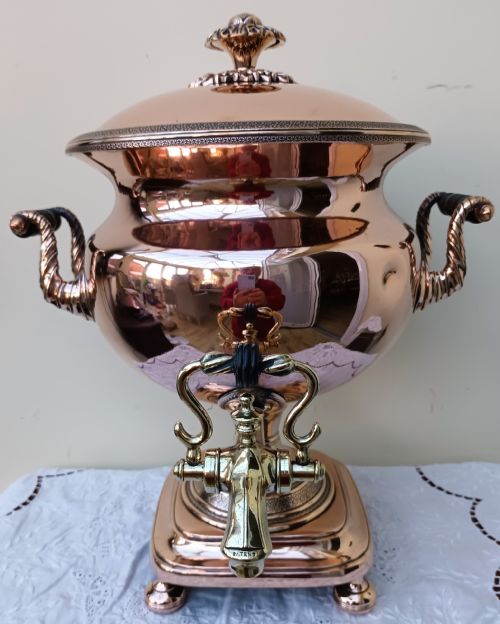
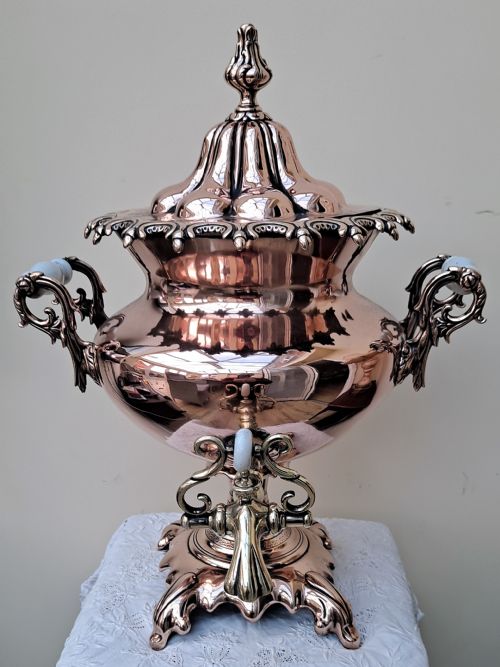
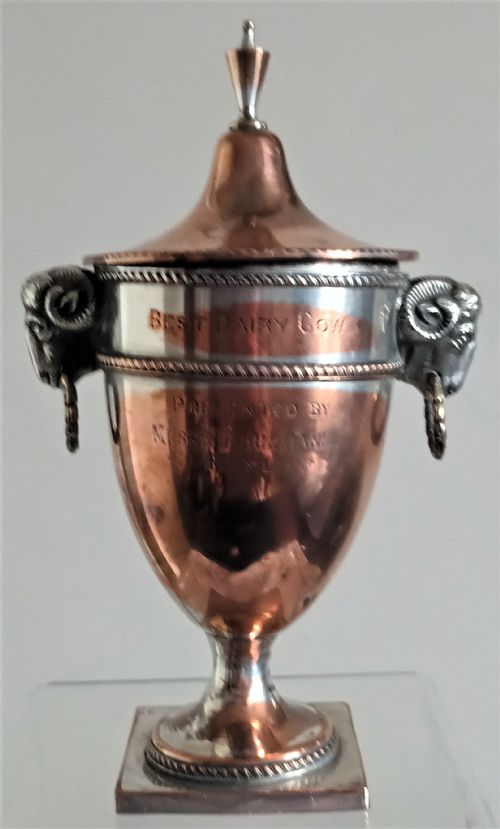
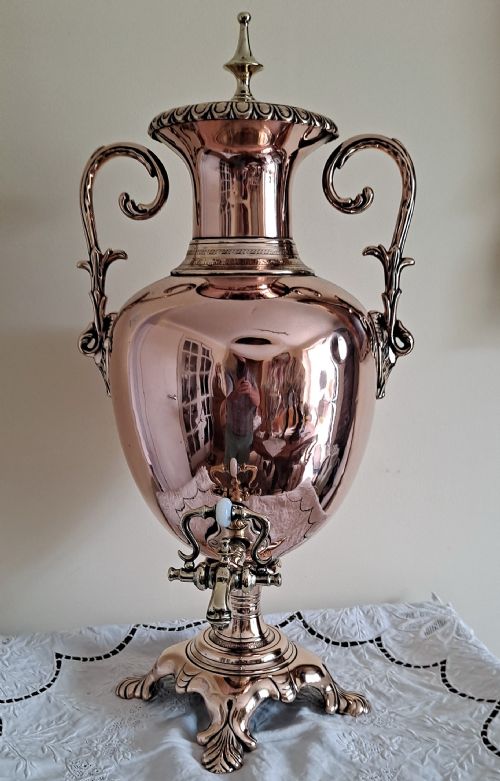
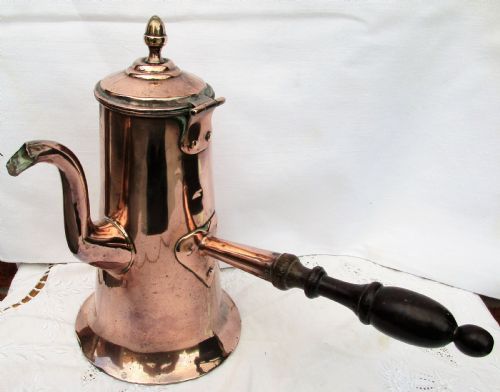
When you search for an English copper urn, you encounter substantial vessels created to dispense hot water or tea in period interiors. The pieces appearing here span Georgian, Regency, and Victorian eras, alongside related forms like coffee pots, spirit kettles, and decorative vases.
The samovar format dominates the selection, frequently featuring original brass taps and fittings. Alongside these large tea vessels, smaller items such as miniature chestnut urns and hearth accessories populate the listings.
Origins stretch across the eighteenth and nineteenth centuries, mapping the evolution of British metalworking. Georgian and Regency pieces show classical restraint, while Victorian examples often embrace heavier ornamentation and robust proportions.
Materials and construction
Makers fashioned these vessels primarily from heavy gauge sheet copper, frequently combining the metal with cast brass handles, spouts, and pedestal feet. Some finer miniature examples employ Old Sheffield Plate over a base metal core.
Artisans raised the body forms by hand from flat sheets of metal, hammering the seams tight before polishing the exterior. Turned fruitwood or wood handles often insulate the touch points on kettles and coffee pots.
Internal components typically include brass spigot taps, grates, and heating tubes designed to hold hot charcoal or metal inserts. Original fittings survive on several pieces, preserving the mechanical integrity of the design.
Listings feature copper alongside brass, earthenware, glazed ceramic, Old Sheffield Plate, and wood across multiple centuries.
Judging quality and character
The distinction between ordinary and exceptional pieces rests upon the crispness of the hand-hammered form and the preservation of original mounts. Vessels retaining their matching brass taps, burner stands, and internal fittings command greater regard from collectors.
Surface patination plays a vital role in visual depth, showing the natural darkening and tonal variation accumulated through decades of cleaning. Pieces that retain a deep, undisturbed glow without excessive modern intervention demonstrate superior preservation.
William Soutter & Sons·Benham & Sons·Bretby Pottery
The English Copper Urn Glossary
- Samovar
- A heated metal vessel traditionally used to boil water for tea in large households. These containers often incorporate an internal vertical tube for hot coals.
- Old Sheffield Plate
- An early fused composite material made by melting a thin sheet of silver onto a thicker copper base. This technique predates modern electroplating.
- Bell Metal
- A hard alloy of copper and tin traditionally used for casting bells, known for its resonant qualities. Makers occasionally utilised this material for tea urn fittings.
- Cabochon
- An uncut gemstone polished to a convex, rounded shape rather than faceted. These decorative elements appear mounted on specific ceramic and metal art pottery vessels.
English Copper Urn: Frequently Asked Questions
How were these urns originally used?
These vessels stood on dining tables or sideboards to maintain a constant supply of hot water for tea service during lengthy meals and gatherings. Servants loaded internal heating cylinders with hot charcoal or heated metal cylinders to keep the liquid boiling.
Over time, the role shifted from functional tea-making to decorative display as domestic habits and kitchen technologies evolved. Many surviving examples retain their original brass spigots and handles, reflecting their active service in period homes.
How do I clean and polish copper?
Historic copper requires gentle maintenance to preserve the subtle patination built up over centuries of gentle care. Avoid harsh modern abrasives that strip away the mellow historical surface.
A soft cloth and specialised metal cleaner applied with minimal pressure will maintain the warm metallic glow. Leave areas inside crevices untouched to retain the depth that collectors value.
How do I date an antique urn?
Dating relies on examining the construction methods, handle attachments, and stylistic markers characteristic of Georgian, Regency, or Victorian manufacturing. Hand-hammered seams and turned fruitwood grips typically point to eighteenth or early nineteenth-century workshops.
Later Victorian pieces often display heavier cast ornamentation, machine-rolled sheets, and maker stamps associated with documented industrial firms. Comparing the tap design and foot mounts against documented historical examples confirms the period.
Can I use an antique urn today?
Most antique tea urns serve best as decorative display pieces rather than functional kitchenware for daily brewing. Internal repairs and modern lining updates would be necessary to ensure safe food contact after centuries of wear.
Displaying the vessel on a sideboard or mantelpiece highlights the craftsmanship of the period while protecting fragile internal fittings from further degradation.