

Antique Metal Plant Holder
An antique metal plant holder brings industrial character or domestic greenery indoors through robust brass, copper and iron vessels.
Antique Metal Plant Holder
When you search for an antique metal plant holder, you encounter a selection of vessels designed to house indoor flora, spanning the Victorian, Edwardian and early twentieth-century periods. These objects take the form of jardinières, cachepots, log bins and plant stands intended for conservatories and reception rooms.
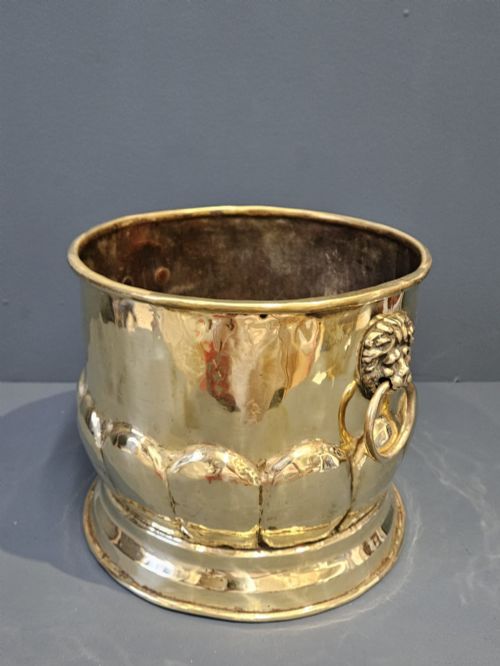
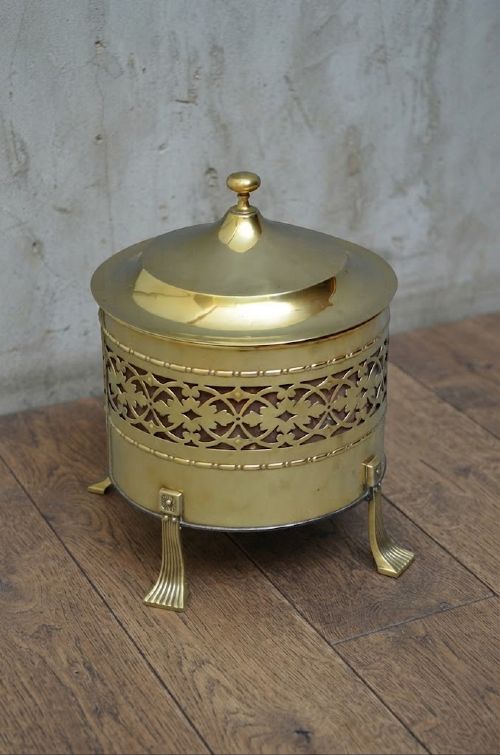
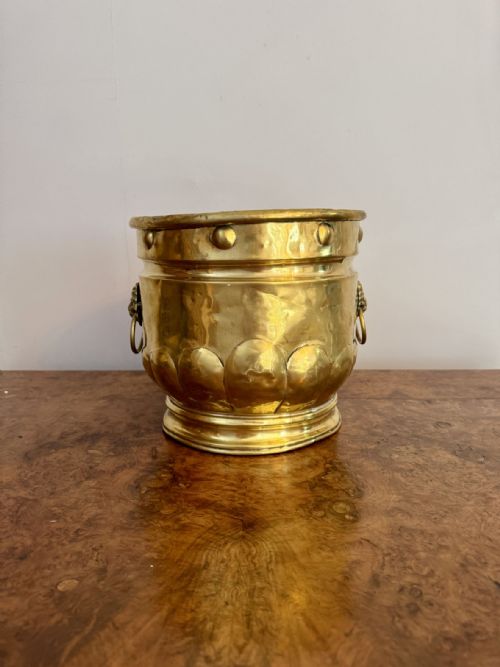
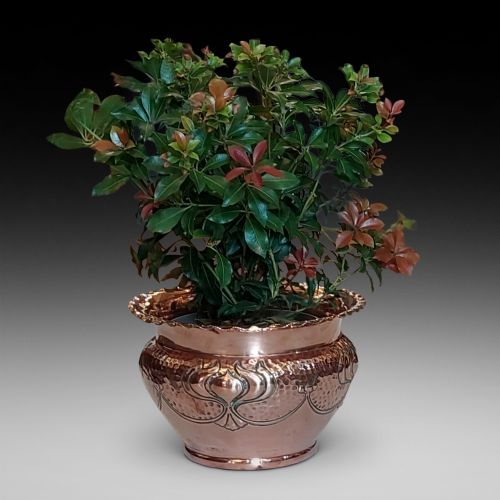
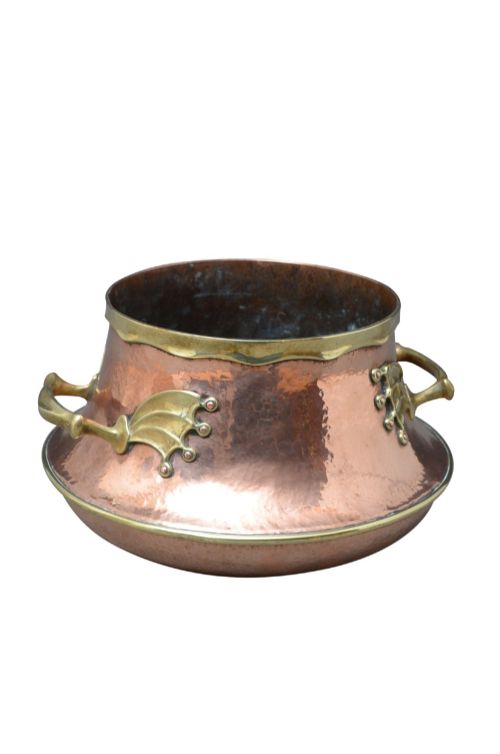
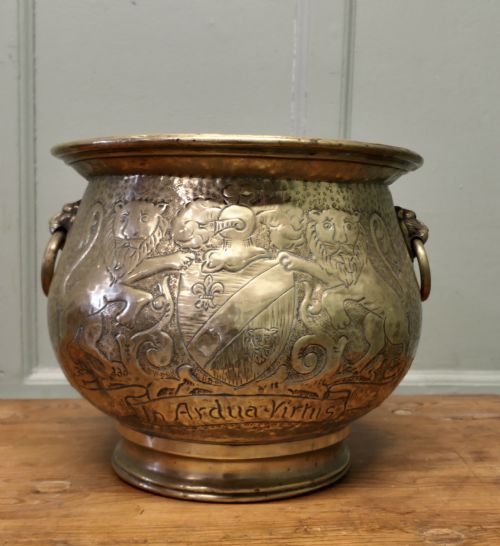
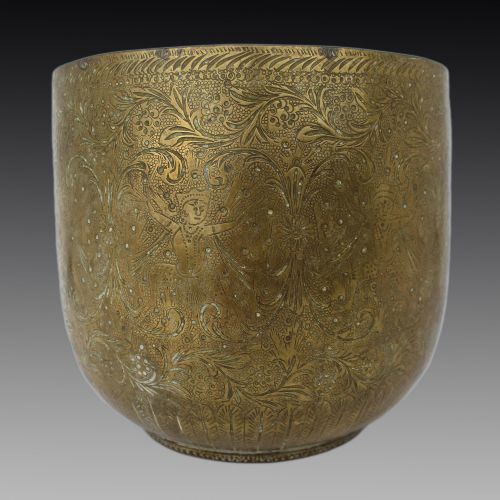
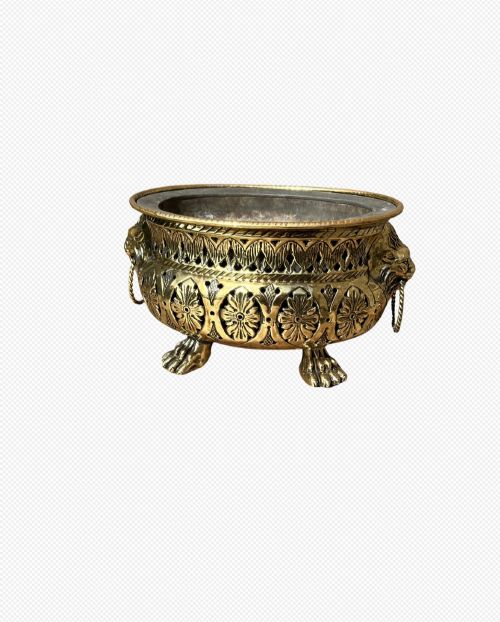
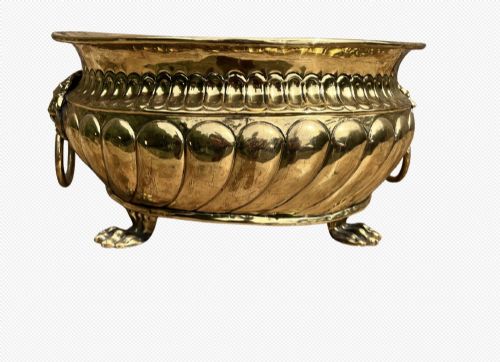
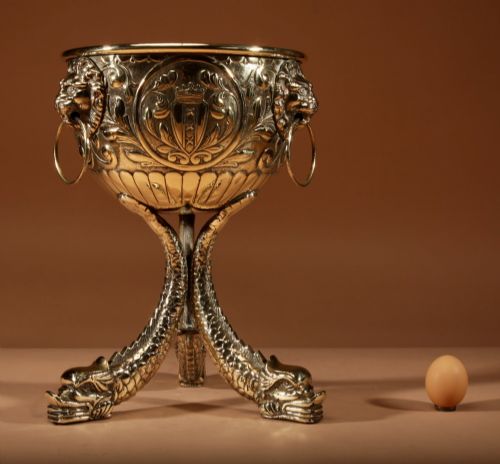
You are most likely to meet brass and copper vessels dating from the late nineteenth century, often decorated with pierced work, repoussé motifs or cast handles. Pieces range from cylindrical planters to footed vessels on original stands.
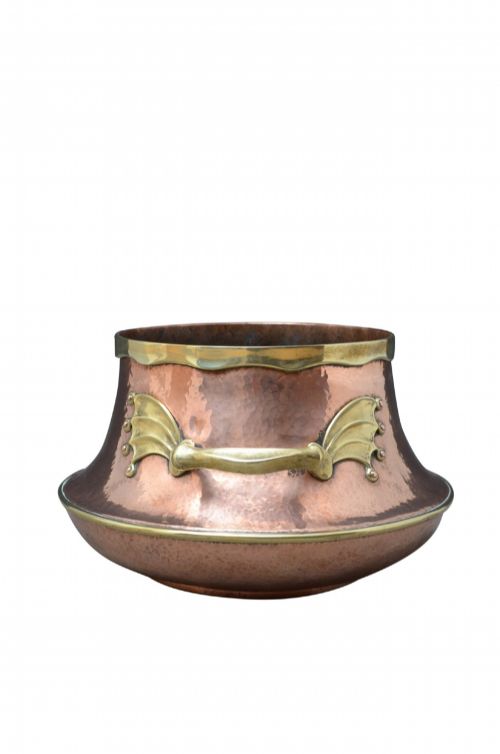
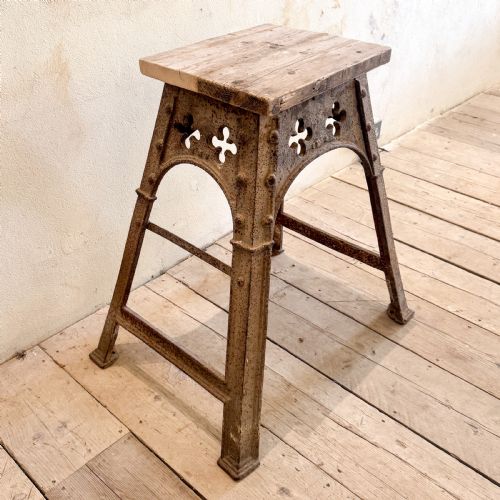
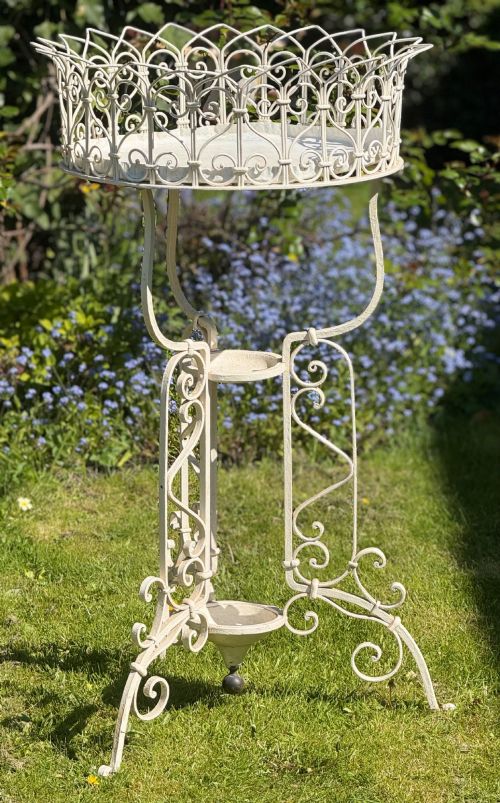
The material evidence also includes wrought iron and wirework examples suitable for garden settings or glazed conservatories. Stylistic variations span Gothic Revival, Art Nouveau and Arts and Crafts designs.
Materials and construction methods
Makers utilised sheet brass and copper, shaping the metal through hammering, spinning or pressing. Surface decoration was frequently achieved via embossing, repoussé work and piercing to create intricate patterns.
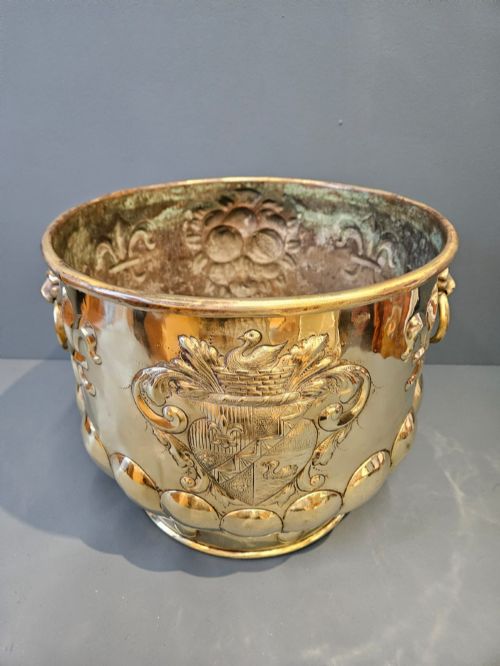
Structural elements incorporated cast iron, wrought iron and brass mounts, sometimes combined with wirework frameworks. Vessels occasionally featured applied details such as shields, crests, animal heads and lions mask handles.
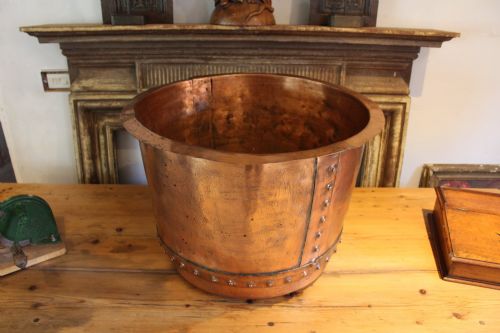
Finishes relied on the natural properties of the metals, sometimes enhanced by paint or patination. Craftspeople joined seams through soldering or riveting, depending on whether the vessel required watertight integrity.
Listings feature brass and copper predominantly, alongside wrought iron, wirework and painted metal across Victorian, Edwardian and early twentieth-century periods.
Factors determining the quality of the vessel
Quality rests upon the weight of the metal utilised and the depth of the hand-worked decoration. Heavier gauge copper and brass demonstrate superior substance, while crisp, deep repoussé or hand-pierced detailing separates skilled metalwork from mass-produced pressed items.
The integrity of the construction and the presence of original components define the standing of a piece. Vessels retaining their original stands, liners or matching mounting brackets hold greater architectural consistency than those altered or separated over time.
J Sankey and Sons
The Antique Metal Plant Holder Glossary
- Jardiniere
- An ornamental pot or stand for holding plants or flowers. These vessels often sit on low feet or dedicated metal frames.
- Cachepot
- A decorative flowerpot cover designed to conceal a plain inner plant pot. The term derives from the French for hiding a pot.
- Repousse
- A metalworking technique where the metal is hammered from the reverse side to create a raised design in relief on the front. This method allows for detailed pictorial and floral motifs.
- Dinanderie
- The medieval and later art of working in brass and copper, particularly associated with domestic vessels. The term encompasses a range of beaten and cast decorative metal objects.
- Pierced work
- Metal perforated with patterns by cutting through the sheet material. This technique provides ventilation and decorative shadow play.
Antique Metal Plant Holder: Frequently Asked Questions
What is an antique metal plant holder?
These items are decorative vessels made from brass, copper, iron or wirework, designed to display plants indoors or in glasshouses. They include jardinieres, cachepots and raised plant stands.
Originating largely from the Victorian and Edwardian eras, they served both functional gardening roles and aesthetic interior display purposes in period homes.
How were these metal holders used originally?
Victorian and Edwardian households used them to house potted palms, ferns and flowering plants inside reception rooms and conservatories. Some larger copper vessels doubled as log bins or coal buckets.
They protected interior surfaces from water spillage while introducing polished metallic textures and decorative motifs into domestic living spaces.
How do I care for a metal plant holder?
Protect the interior metal from prolonged moisture by placing a modern waterproof liner inside the vessel. This prevents corrosion and preserves the historical surface.
Clean the exterior gently with a soft cloth, avoiding harsh chemical polishes that can strip the aged patination accumulated over the decades.
How do I identify the period of a planter?
Examine the manufacturing techniques and stylistic cues such as Art Nouveau curves or Gothic Revival shields. Heavier cast elements and hand-beed work typically indicate nineteenth-century production.
Materials and construction styles, such as pierced brass or wirework frames, align with specific decades from the eighteen-seventies through the early nineteen-hundreds.