
English Copper Vessel
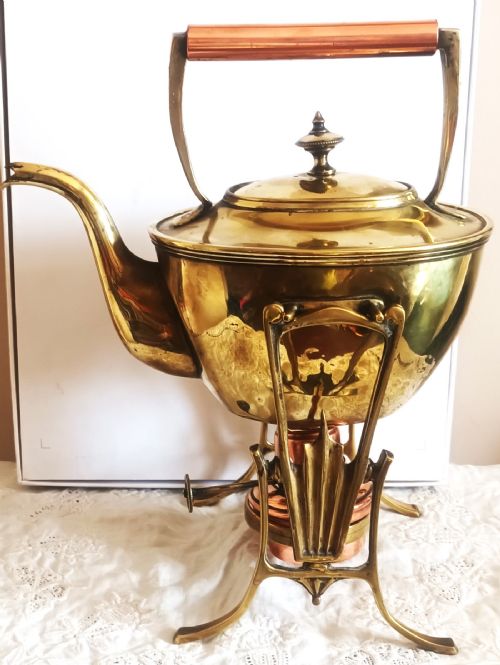
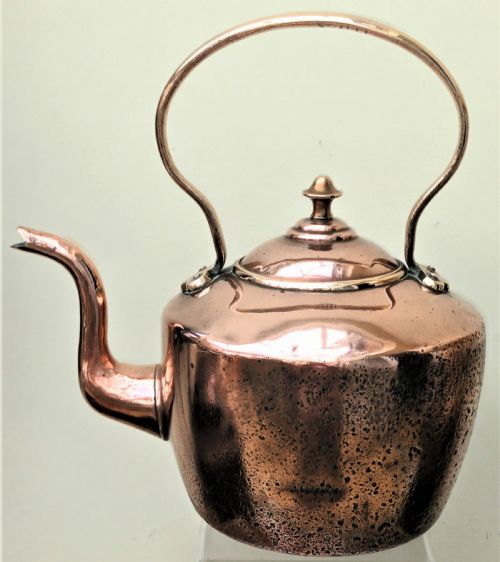
These pieces of english copper vessel comprise utilitarian kitchenware, fireside coal bins and hall stands produced across the Georgian, Victorian and Art Nouveau periods.
English Copper Vessel
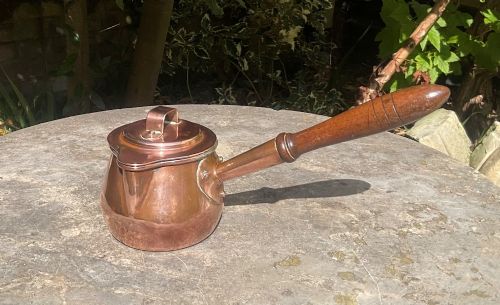
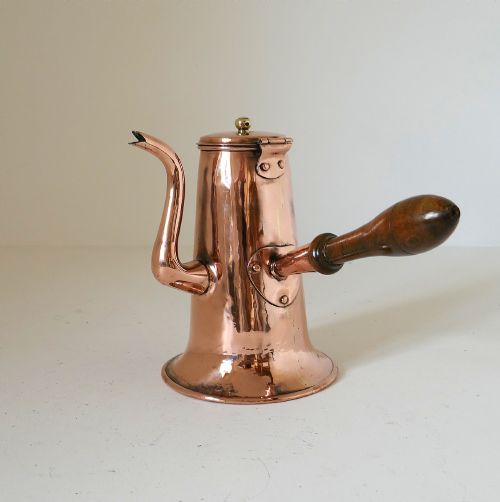
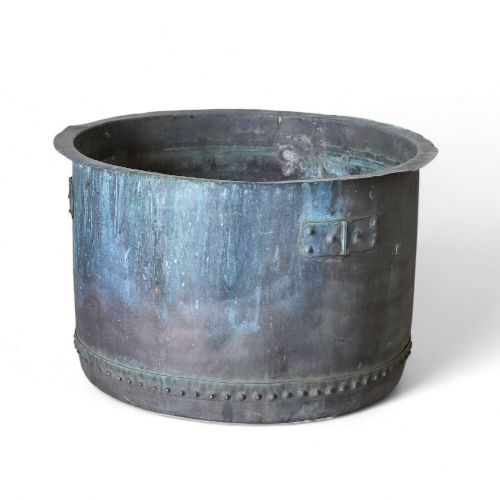
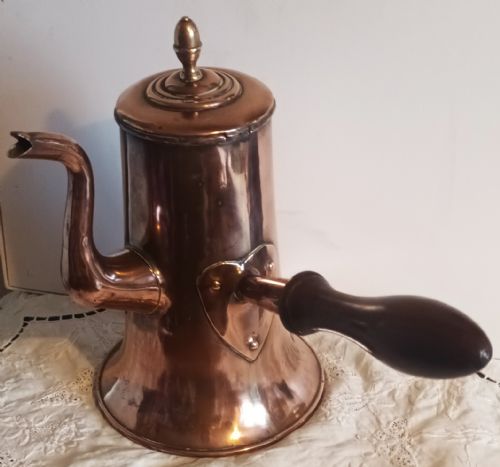
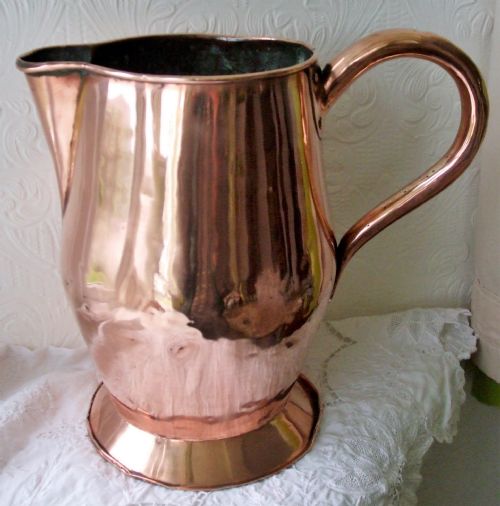
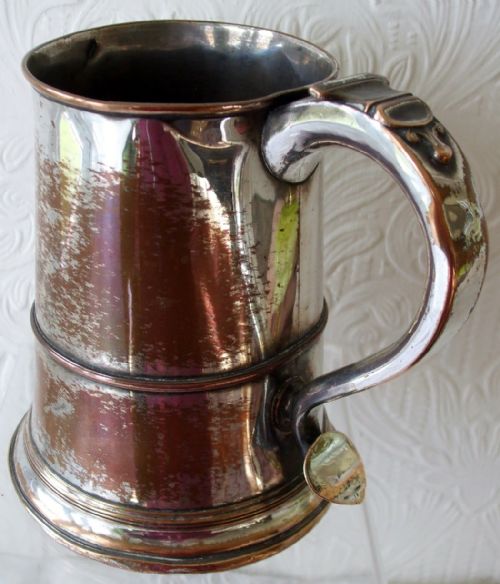
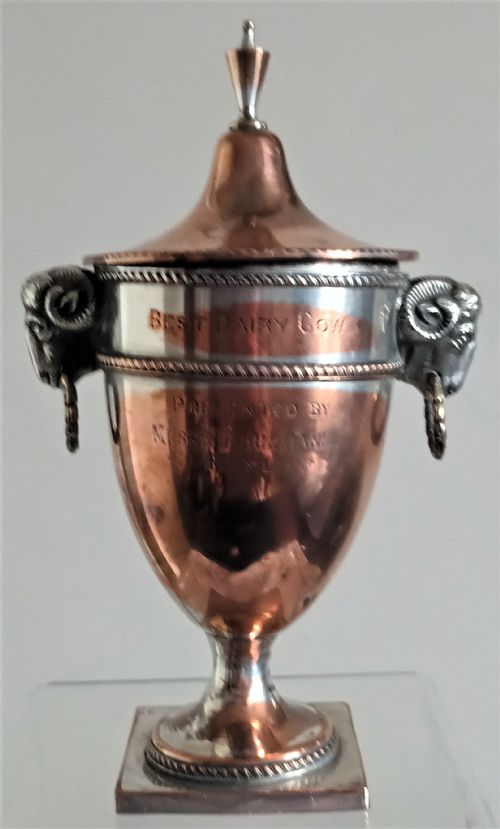
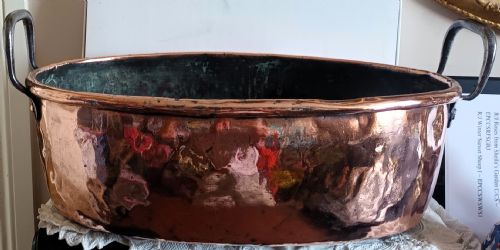
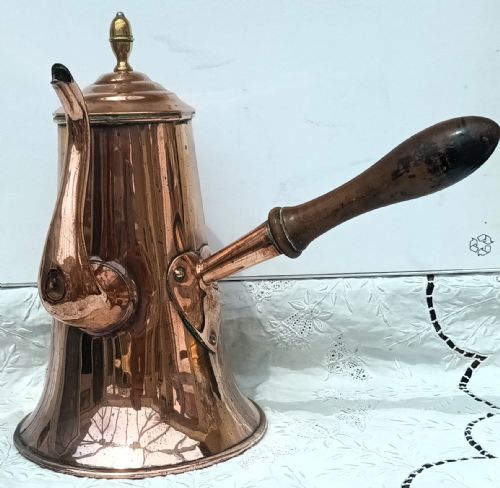
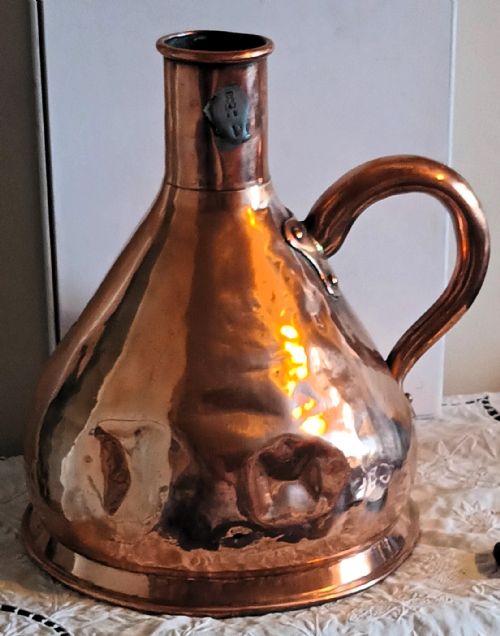
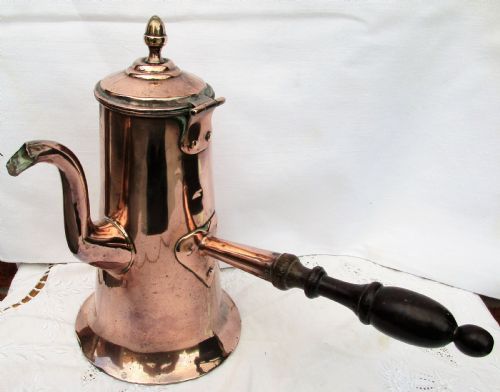
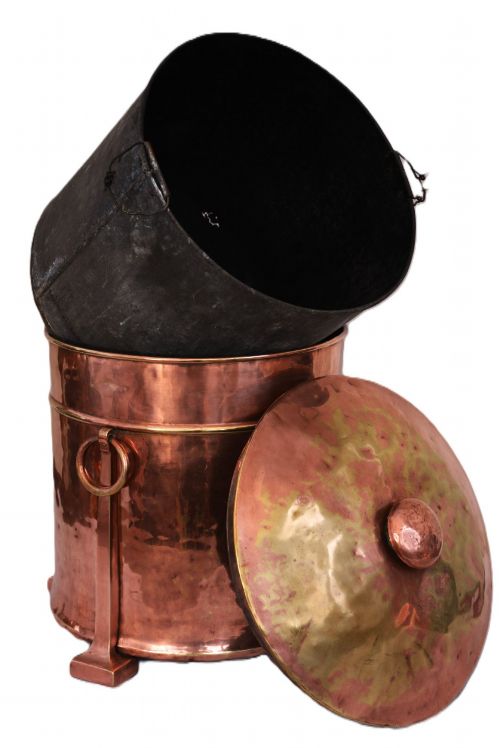
When you search for an english copper vessel, you encounter domestic items spanning the eighteenth, nineteenth and early twentieth centuries. The selection ranges from tall coffee pots and tea urns to large planters, gallon measures and fireside buckets.
Most examples originate from the Georgian and Victorian eras, reflecting a time when heavy metal was hammered and formed for daily household utility. You frequently meet kettles, spirit kettles and samovars alongside coal bins and umbrella stands.
Makers produced these objects to serve practical functions in country houses and town kitchens. Over time, many transitioned from working use to decorative display, retaining their original shapes and substantial weight.
Materials and Techniques
Makers constructed these pieces primarily from sheet copper, often combining brass handles, iron swing bails and lead solder. Workshops utilised hand-riveting techniques to join heavy panels together, particularly on large planters and flagons.
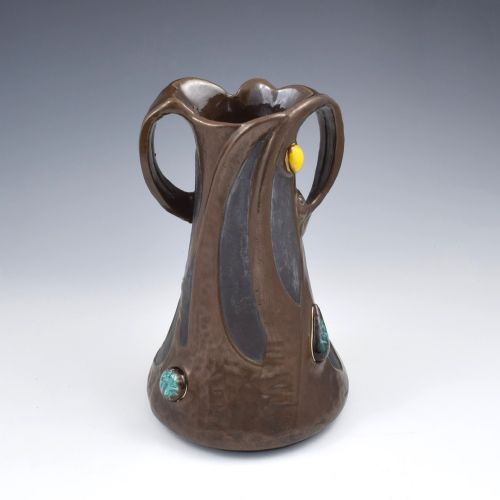
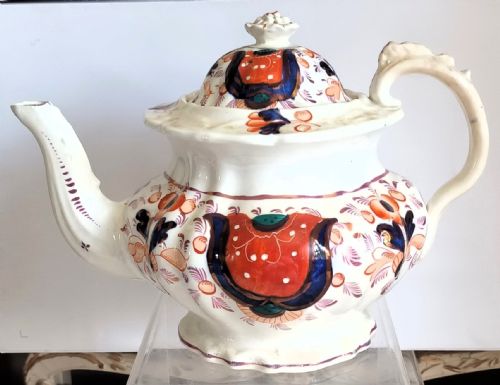
Surface treatments included hand-beating and planishing, which left subtle facets across the metal body. Certain items display earthenware bodies with copper effects or incorporate wood and wrought iron elements for structural support.
Listings feature items from the Georgian, Victorian and Edwardian eras, constructed in copper, brass, oak and earthenware.
Assessing Quality
The standard of an english copper vessel depends on the integrity of its construction and the thickness of the metal. Heavier gauge copper and secure, hand-riveted seams distinguish substantial utility pieces from lighter domestic items.
Proportion and decorative restraint dictate the appeal of earlier examples. Pieces retaining an undisturbed natural patina and crisp hand-beaten hammering command greater appreciation than those with excessive modern cleaning.
William Soutter And Sons·Loftus Of Oxford Street·S Hancock·Bretby Pottery
The English Copper Vessel Glossary
- Planishing
- The process of smoothing and shaping metal with a flat-faced hammer. This technique leaves a distinctive pattern of small facets across the copper surface.
- Samovar
- A heated metal container traditionally used to boil water for tea. These large vessels often feature spigots and internal heating tubes.
- Patina
- The surface sheen and colour acquired by metal through age and oxidation. Natural patination develops various tones of brown and verdigris.
- Gallon Measure
- A standardised cylindrical container utilised for measuring liquids in trade and domestic service. These sturdy vessels frequently bear capacity stamps.
- Spirit Kettle
- A portable water-heating vessel mounted on a metal stand above a small spirit burner. They were standard accessories for nineteenth-century tea service.
English Copper Vessel: Frequently Asked Questions
How do I clean an old copper vessel?
You should generally preserve the existing patina rather than polish the metal to a bright shine. Excessive cleaning removes the historical surface character that collectors value.
Gentle dusting with a soft cloth suffices for routine maintenance. Avoid abrasive compounds that scratch the soft metal surface.
Were these pieces used for cooking?
Many items served practical kitchen roles, including boiling water, brewing coffee and heating liquids over hearth fires. Heavy jugs and measures handled daily liquid storage.
Others functioned in domestic service areas for carrying coal or holding umbrellas in the hallway. Their robust construction suited both culinary and utility tasks.
How do I date a copper item?
Examining construction methods provides clues to the manufacturing period. Hand-riveted seams and dovetailed bases typically indicate eighteenth or early nineteenth-century production.
Stylistic markers also help determine age, such as the flowing organic lines found on Art Nouveau pieces from around nineteen hundred. Maker marks and capacity stamps offer further chronological reference.
Can I use these pieces in a modern home?
These objects adapt readily to contemporary interiors as decorative containers, umbrella stands or fireside accessories. Large planters accommodate houseplants, while coal bins store logs beside the hearth.
Placing them in living spaces highlights their sculptural forms and historical craftsmanship. Their solid materials ensure they remain durable decorative elements.