




Copper Water Boiler
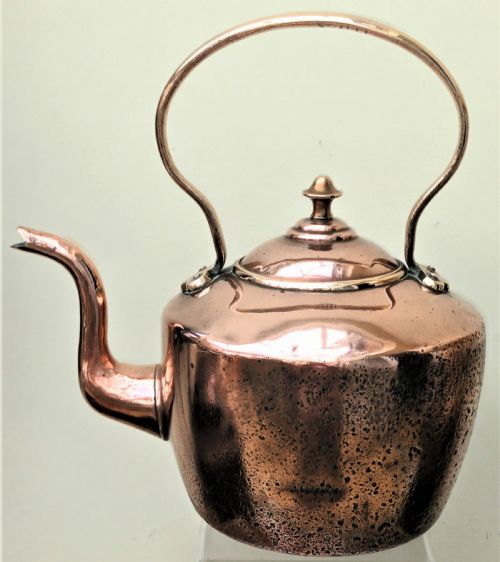
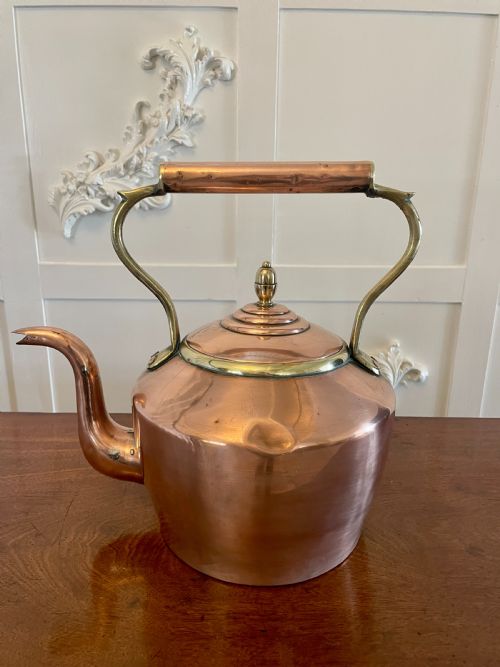
A copper water boiler brings warmth and solid English craft to the room, offering heavy metal vessels designed to heat water for tea.
Copper Water Boiler
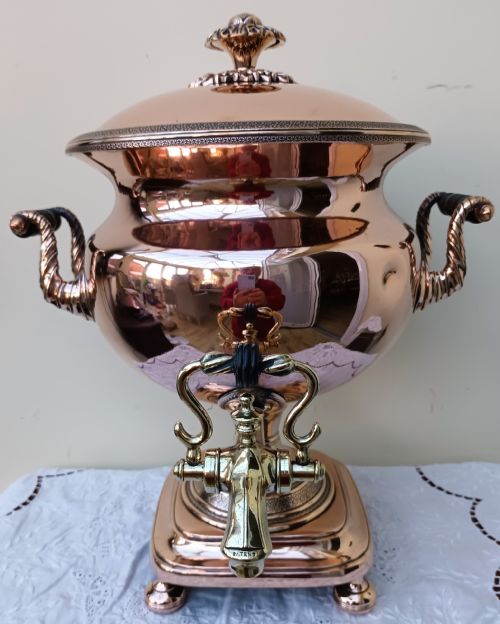
When you search for a copper water boiler, you encounter utilitarian and decorative vessels primarily from the Victorian and Georgian eras, spanning the nineteenth century and the year 1800. These heavy metal items appear most frequently as kettles and samovars, which also function as tea urns.
English examples dominate the selection, showing the domestic importance of heated water in historic households. You are most likely to meet large Victorian samovars and nineteenth century kettles on this page.
The forms range from traditional kettles designed for hearth use to substantial samovars built for pouring hot water in social settings. Each object reflects the heavy domestic reliance on metal containers before modern plumbing.
How they were made
The makers formed these vessels primarily from heavy sheet copper, hammering and joining the metal to withstand constant boiling. Brass fittings and mounts appear frequently to provide structural support and functional handles.
Makers occasionally incorporated bone or ebonised wood for handle insulation, protecting hands from hot metal during use. These contrasting materials highlight the practical engineering behind period kitchenware.
Copper Water Boiler Retail Price Guide 2026
Typical asking prices for copper water boiler among the pieces listed under this phrase on Sellingantiques today, from the lower quarter to the upper quarter. They describe what is for sale here now, not the wider market.
Listings feature items primarily from the Victorian and Georgian periods, utilising copper, brass, bone, and ebonised wood.
What varies in quality
The standard of a copper water boiler depends on the weight of the metal and the complexity of its construction. Heavy gauge copper with robust brass taps and secure joints separates the finer production pieces from standard utility items.
Refinement in surface finish and the careful integration of insulating materials like bone or ebonised wood indicate superior workshop standards. Pieces described explicitly for quality show greater attention to structural detail and decorative proportion.
The Copper Water Boiler Glossary
- Copper
- A malleable reddish metal used to construct the main bodies of these boilers and kettles. It conducts heat efficiently and develops a warm patina over time.
- Brass
- A yellow alloy utilised for taps, handles, and structural mounts on nineteenth century water vessels. It provides a bright contrast to the darker copper body.
- Samovar
- A large heated urn traditionally used to boil water for tea. These pieces often feature a central internal heating tube and a spigot at the base.
- Ebonised wood
- Timber treated to resemble ebony, providing dark, hard-wearing insulation for handles. This material stays cooler to the touch than metal during use.
Copper Water Boiler: Frequently Asked Questions
How were samovars used?
Samovars acted as large central tea urns for heating and holding hot water during gatherings. Guests and family members drew water directly from the spigot at the base into individual teapots.
These vessels held significant quantities of water, maintaining heat through enclosed internal heating elements or charcoal cores in period use.
How do I date a copper kettle?
Dating relies on stylistic markers, construction techniques, and materials associated with Georgian and Victorian manufacturing standards. Nineteenth-century examples often feature distinct handle mountings and heavier gauge sheet metal.
Comparing the form and the combination of brass and ebonised wood helps place the object within the 1800 to 1860 timeframe.
Can I use an antique kettle?
While these nineteenth-century vessels were built for actual boiling, modern daily use requires careful assessment of internal linings and historical solder. Most collectors prefer to display them as decorative historical objects rather than functional kitchenware.
Examine the interior for secure seals and historical repairs before attempting to heat water in any antique metal vessel.