

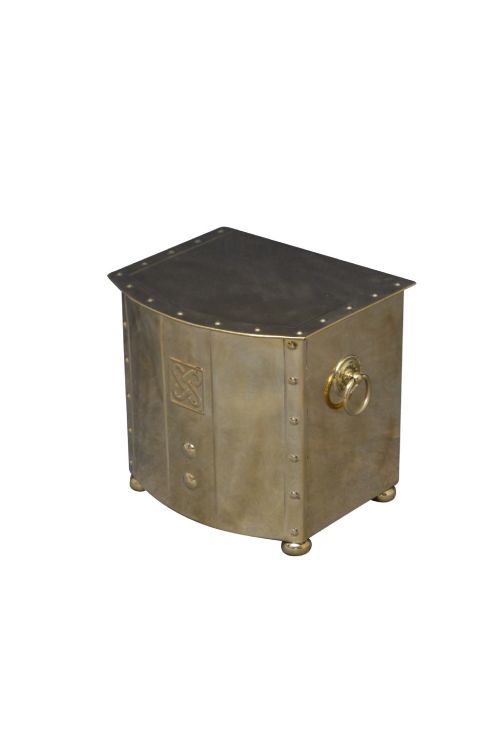
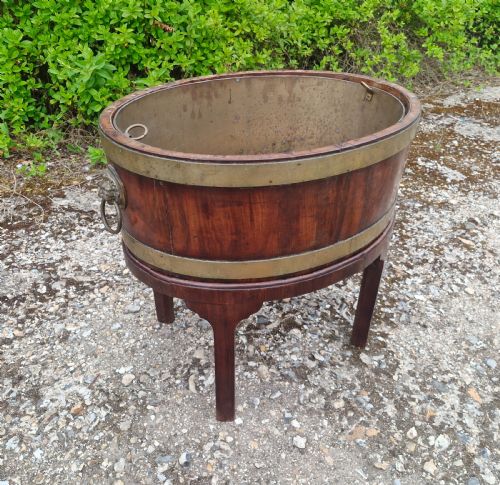

Brass Handled Planter
These brass handled planter vessels combine utility and display, drawing on centuries of metalwork and coopers' craft to hold plants, logs or coal.
Brass Handled Planter
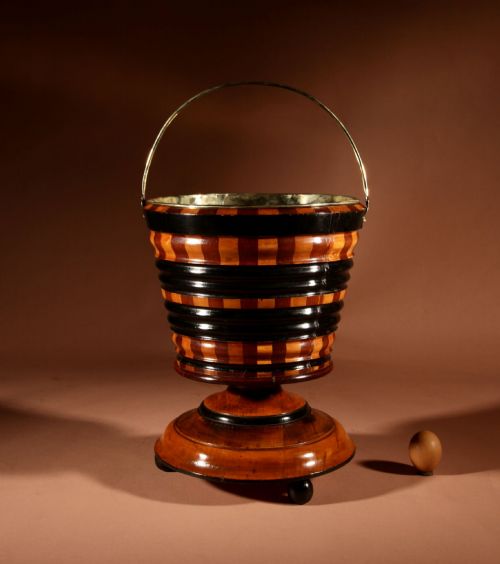
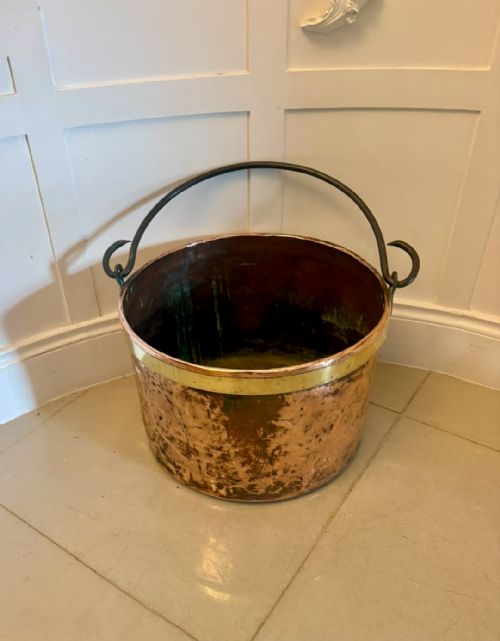
A brass handled planter serves multiple domestic purposes, frequently doubling as a coal bucket, log bin, or wine cooler depending on its depth and lining. When searching for a brass handled planter, buyers encounter forms ranging from heavy nineteenth-century Victorian cauldrons to Georgian mahogany buckets with brass banding.
The objects stem from diverse origins, including Dutch coopered wood designs, French vessels, and Indian Raj hand-engraved pieces. Most items span the nineteenth century, though earlier Georgian examples and later Arts and Crafts or Art Deco interpretations also appear.
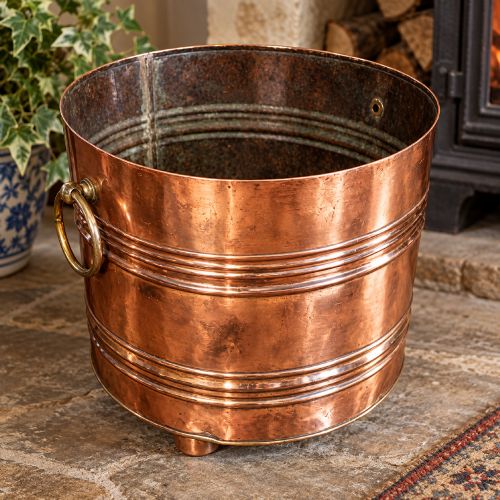
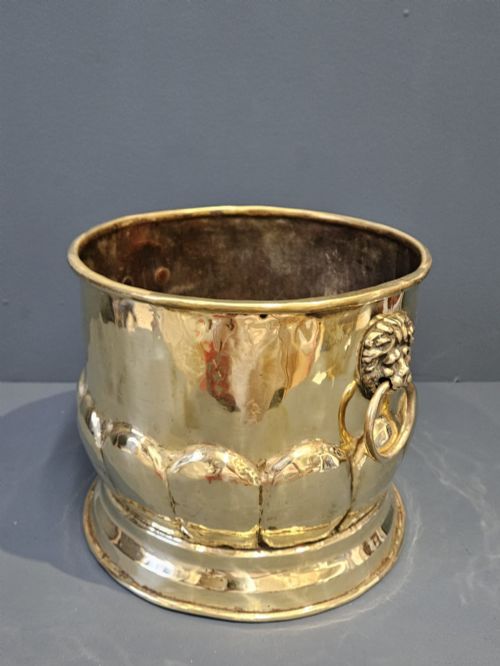
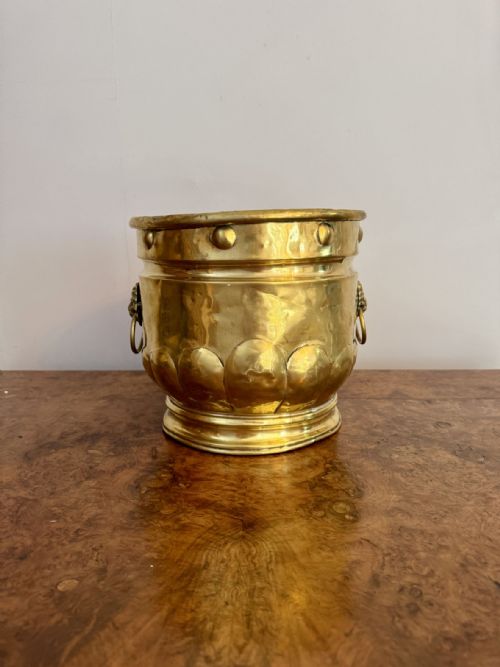
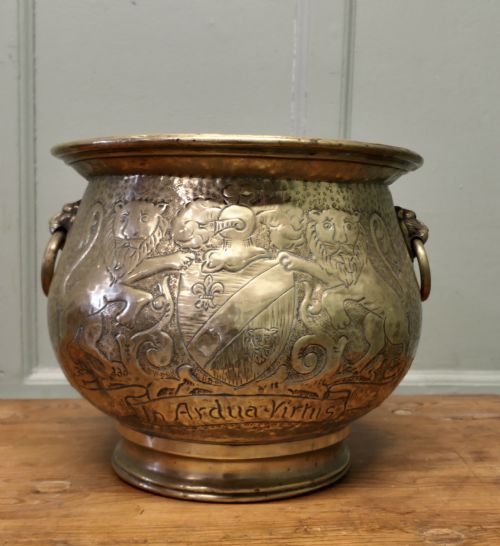
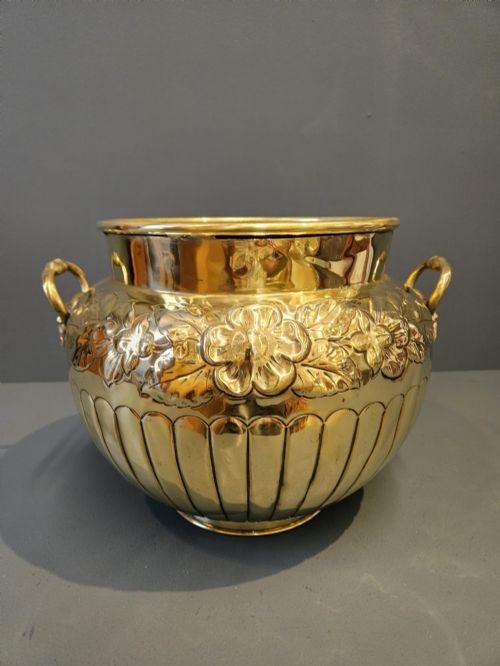
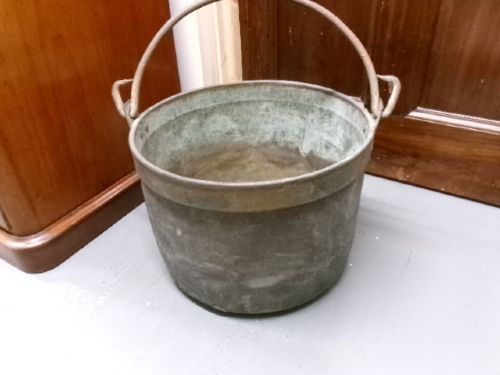
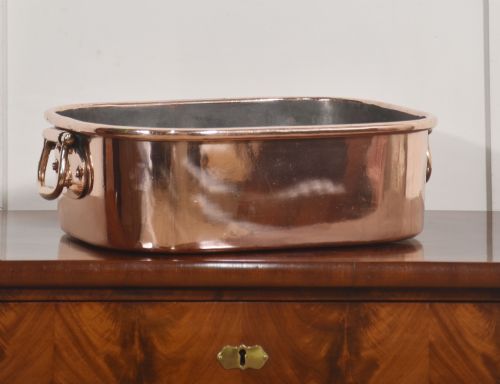
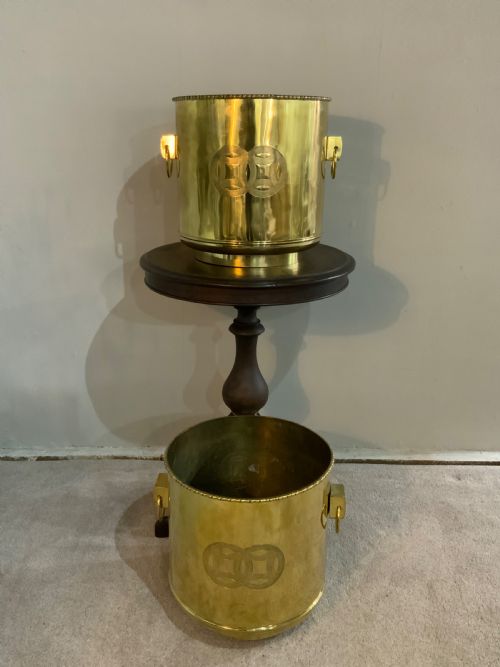
Vessels take various shapes, from round jardinières featuring lion mask handles to tall coal scuttles and riveted pans. Many pieces blur the boundary between practical hearth accessories and decorative indoor plant holders.
How they were made
Construction relies heavily on sheet metal and timber working, pairing hammered or polished brass and copper with robust iron fixtures. Many wooden examples utilise coopered construction, assembling narrow staves of mahogany, walnut, satinwood or ebonised wood secured by tight brass bands.
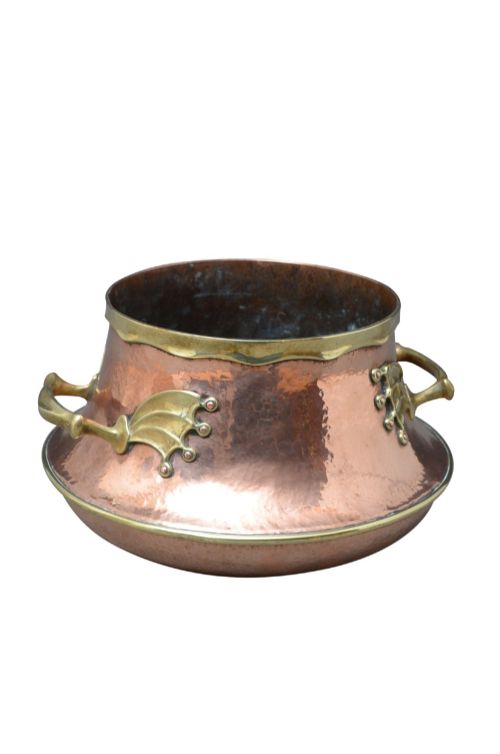
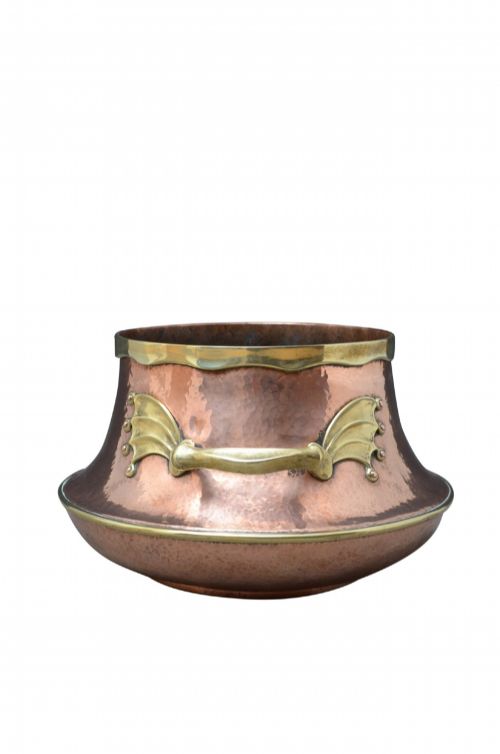
Metalsmiths shaped vessels through riveting and hammering, attaching cast brass handles in the form of drop rings, drop handles or prominent lion masks. Surface decoration includes hand-engraving, marquetry inlay, and repoussé work found across Gothic Revival and Arts and Crafts pieces.
The listings show pieces constructed from copper, brass, mahogany, iron, tin, and ebonised wood across Victorian, Georgian, and Arts and Crafts styles.
What varies in quality
Quality reveals itself in the weight of the metal, the tightness of the coopered staves, and the crispness of handle castings such as lion masks. Finer pieces display substantial gauge brass and precise hand-engraving or marquetry inlay rather than thin, pressed sheet metal.
Proportion and material selection also distinguish better examples, particularly where secondary woods like mahogany or walnut support intricate brass bindings. The integration of handles and the integrity of internal seams determine whether a vessel maintains its structural form over centuries.
The Brass Handled Planter Glossary
- Jardiniere
- An ornamental pot or stand for holding flowers or plants. These vessels often sit on floors or tabletops.
- Coopered wood
- Construction method using narrow wooden staves bound together with metal hoops. This technique originates from barrel-making.
- Cellarette
- A lockable container used for holding bottles of wine near the dining table. Many examples double as plant holders.
- Dinanderie
- Objects made of brass, bronze or copper, typically hammered or cast. The term encompasses medieval and later metalware from northern Europe.
- Repoussé
- Metalworking technique where a design is hammered into relief from the reverse side. This creates textured patterns on brass and copper vessels.
Brass Handled Planter: Frequently Asked Questions
What is the difference between a jardiniere and a log bin?
A jardiniere is primarily designed to hold plants and flowers, often featuring decorative detailing and lighter construction. A log bin or coal bucket utilises heavier metal or sturdier wood to withstand the weight and friction of firewood and fuel.
Despite their intended uses, many historical vessels served interchangeable roles in the nineteenth-century home. Buyers frequently repurposed fuel buckets as large plant holders due to their generous proportions and durable linings.
How do I care for antique brass and copper?
Antique metalwork benefits from gentle dusting and minimal interference to preserve its natural oxidation and patina. Aggressive cleaning agents strip away historical depth, so soft cloths remain the best choice for routine maintenance.
Wooden sections require mild conditioning suitable for period mahogany or walnut. Keeping vessels away from direct heat sources prevents the staves in coopered buckets from drying out and shrinking.
Where were these planters originally placed?
Victorian and Georgian households positioned these vessels beside hearths for fuel storage or placed them on tables and stands to display indoor greenery. Larger examples stood directly on the floor in reception rooms and hallways.
Dining rooms also accommodated similar pieces functioning as wine coolers or cellarettes. Their decorative handles allowed servants to transport them easily between rooms as needed.
How can I identify a Dutch coopered bucket?
Dutch coopered buckets typically feature distinctive tapering wooden staves bound by polished brass bands, often associated with peat buckets or tea stoves. The woodwork frequently employs oak or exotic woods with visible grain.
Many examples date from the mid-nineteenth century and exhibit traditional craftsmanship originating from the Netherlands. Their sturdy proportions and swing handles set them apart from standard domestic brass pans.