


Antique Metal Measure
An antique metal measure brings domestic history and calibrated utility together, offering tangible links to historical trade and hospitality.
Antique Metal Measure
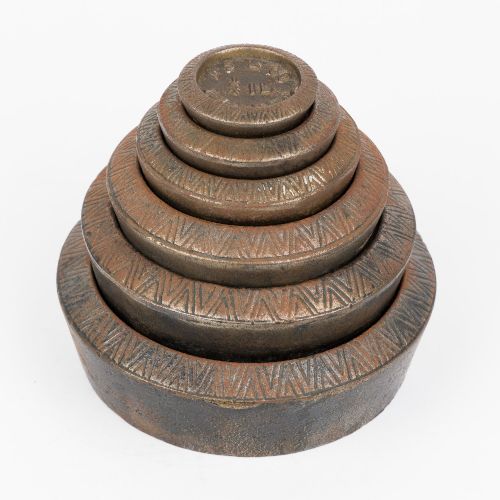
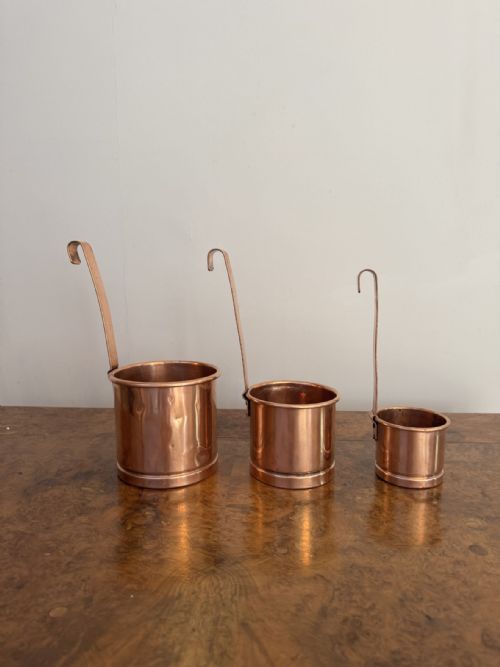
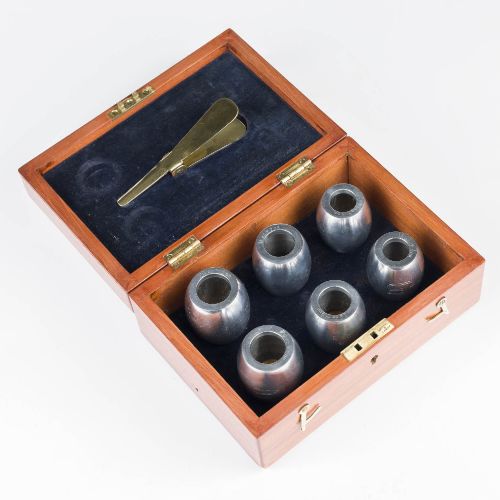
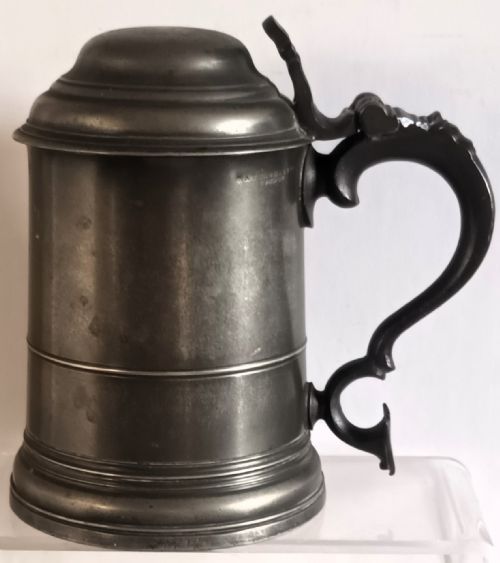
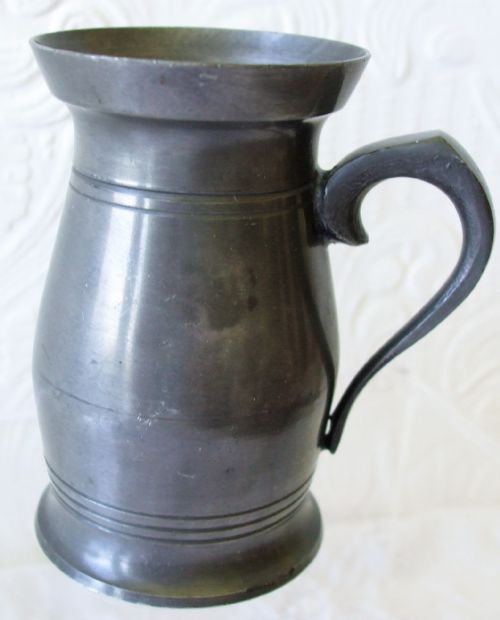
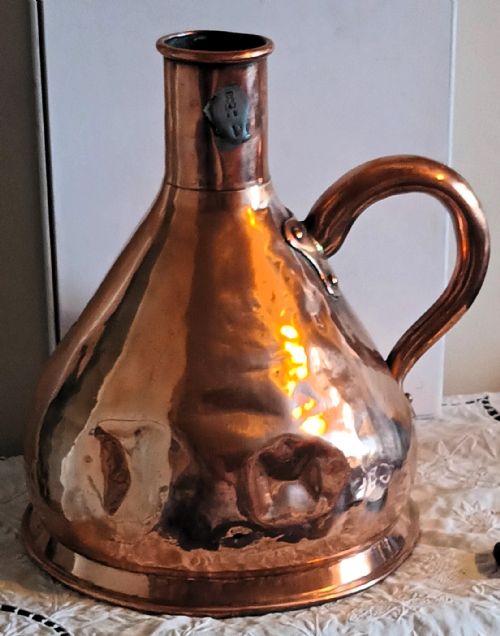
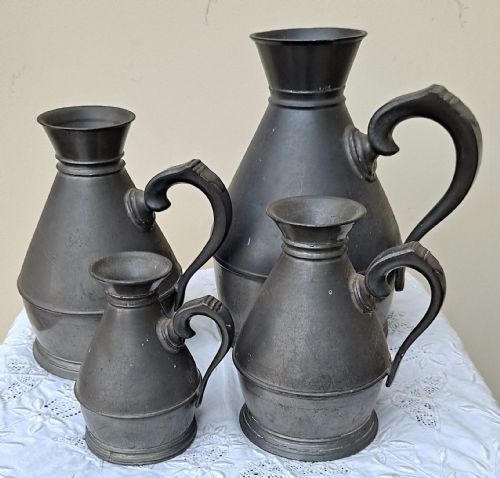
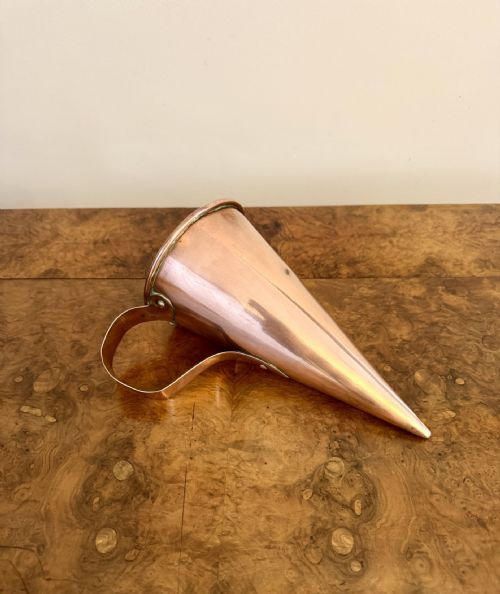
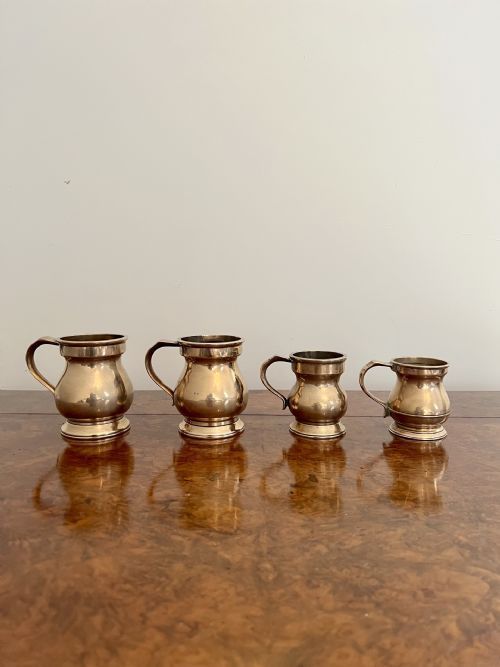
An antique metal measure encompasses domestic and commercial vessels designed to quantify liquids, capacity, or dry goods, appearing frequently in pewter and copper. Buyers searching for an antique metal measure encounter forms ranging from flat-lidded spirit measures to substantial harvest jugs and graduated sets. These objects originate largely from the eighteenth and nineteenth centuries, spanning Georgian and Victorian periods of manufacture.
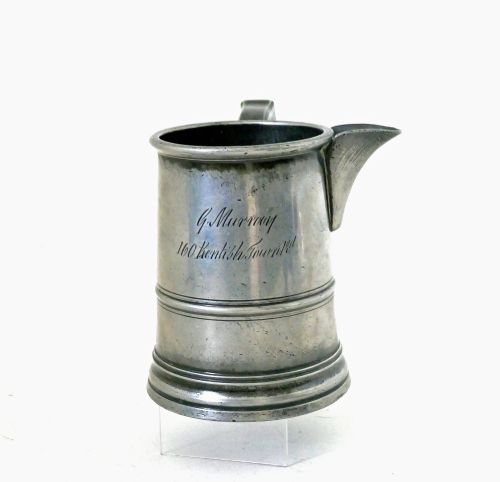
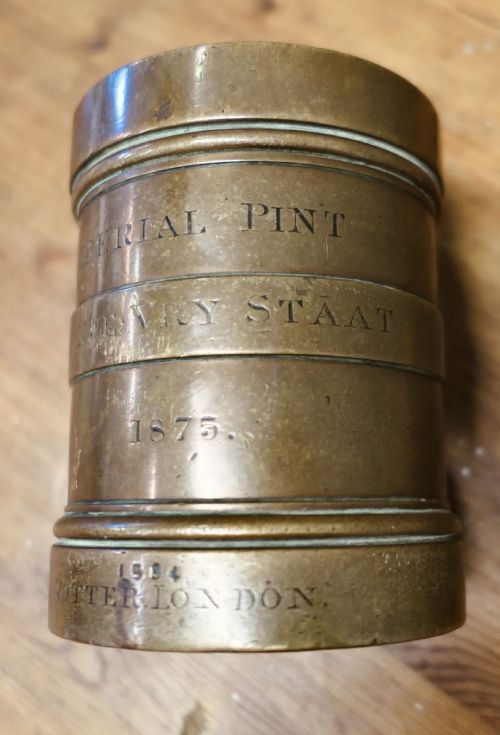
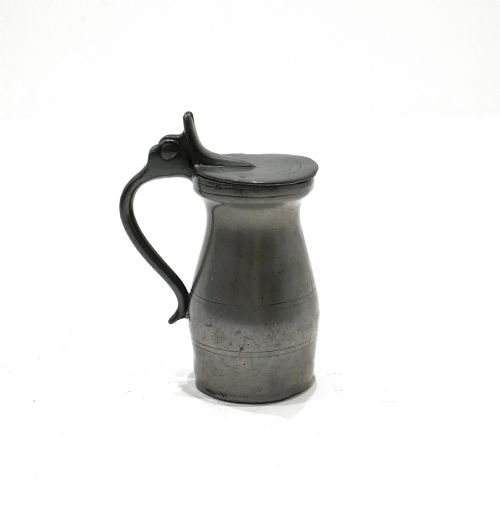
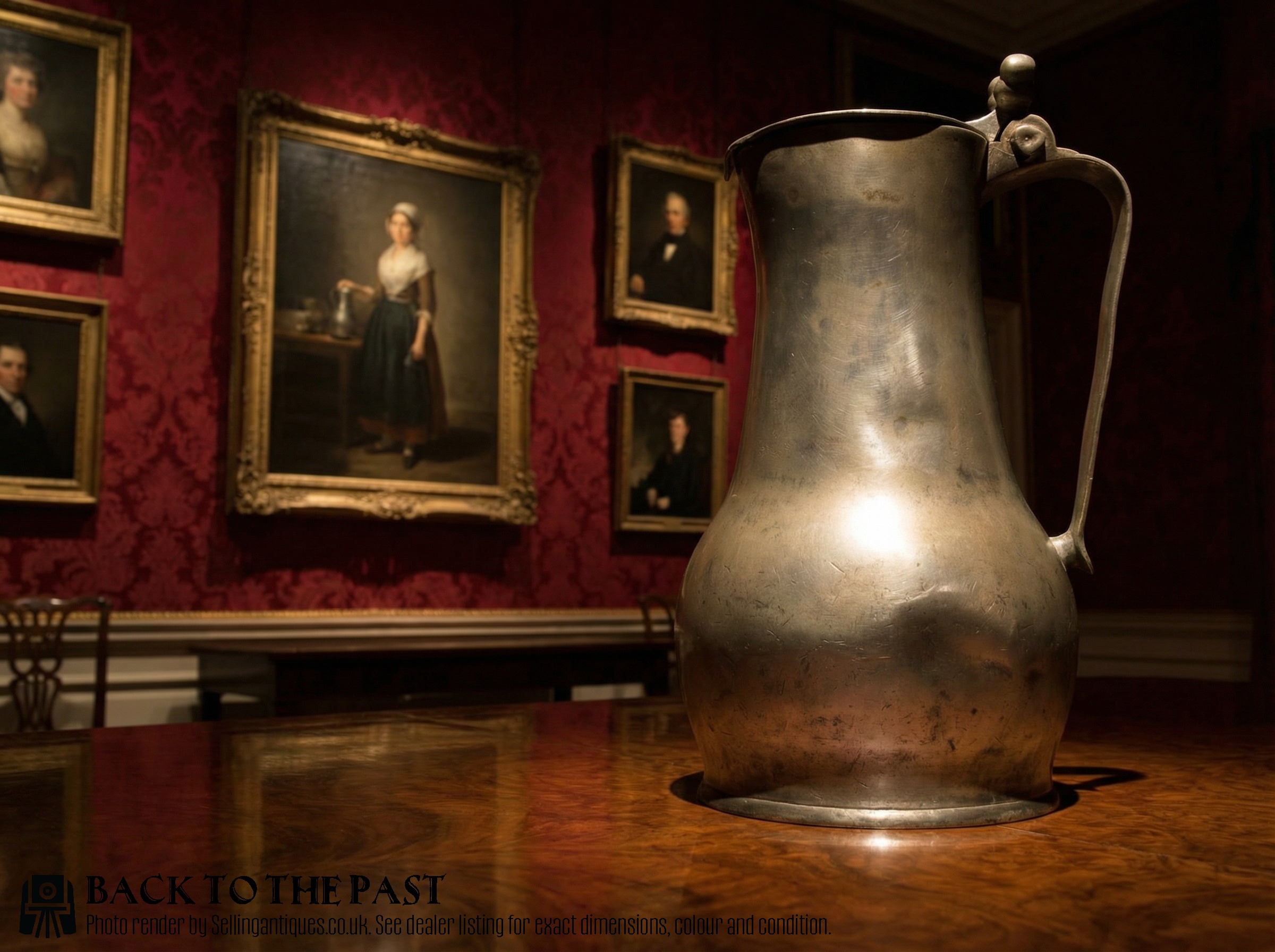
The version most commonly met on this page is the pewter or copper tavern vessel, including pint jugs, quart tankards, and distinctive haystack measures. Makers fashioned these items for everyday commercial service in public houses and markets rather than purely decorative display. Many bear verification stamps, touchmarks, or regional capacity designations that record their official use in British and Irish commerce.
Materials and construction
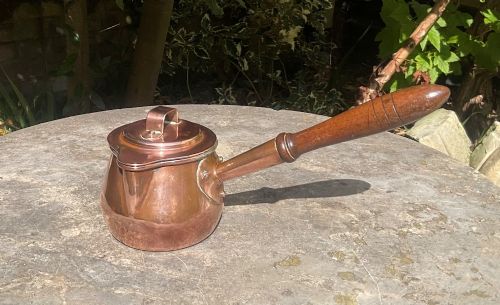
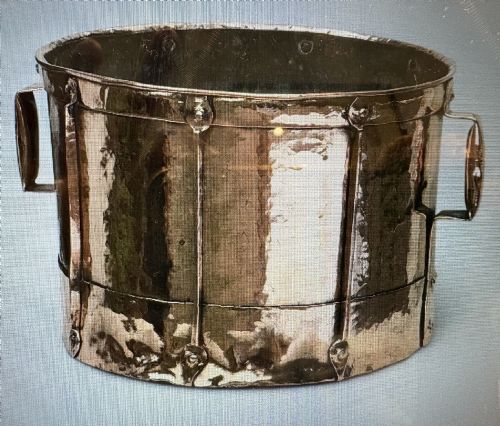
Pewter relies on an alloy of tin combined with lead or copper, shaped through casting in moulds and finished on a lathe to achieve smooth interior and exterior surfaces. Makers constructed copper and brass variants by hammering sheets over wooden forms or casting thicker components, joining seams with solder or dovetailing plates before polishing the exterior. Bronze and bell metal served for heavier cast measures requiring rigid durability and resistance to wear.
Surface treatment depended upon the intended function, leaving copper and brass with natural polished finishes while pewter developed a soft, dull patina over decades of handling and cleaning. Makers often engraved ownership details, tavern names, or verification ciphers directly into the metal using sharp hand tools. Standardisation emerged through royal and local authorities stamping official capacity marks into the rims or bodies.
Listings feature copper, pewter, and brass forms spanning the Georgian and Victorian eras, alongside specialised scientific and dry capacity instruments.
Distinctions in quality
The clarity of maker attribution separates standard utility pieces from exceptional collector items, particularly when touchmarks link a vessel to known workshops in London, Glasgow, or Dublin. Preservation of original surface patination without excessive modern polishing indicates careful stewardship over time. Structural integrity, including secure handle attachments and intact lids, defines the upper tier of surviving examples.
Watts and Harton·De Grave Short and Co·W and T Avery·Joseph Sankey·Frederic Sanders
The Antique Metal Measure Glossary
- Haystack measure
- A distinctively shaped Irish or English liquid measure featuring a bulbous body that tapers toward the top, resembling a traditional stack of hay.
- Touchmark
- An identifying stamp or hallmark struck into pewter by a maker or member of a guild to certify the purity and origin of the alloy.
- Tappit Hen
- A traditional Scottish pewter jug featuring a lid with a weighted thumbpiece, typically used for measuring and serving ale or wine.
- Flat-lidded flagon
- An early drinking or measuring vessel featuring a hinged, flat lid and a straight-sided or slightly tapered body dating from the seventeenth and eighteenth centuries.
- Imperial standard
- A uniform system of weights and measures established across Britain in the nineteenth century, prompting the stamping of standardised capacity marks on commercial vessels.
Antique Metal Measure: Frequently Asked Questions
How do I clean an antique metal measure?
Maintenance requires only gentle washing with warm soapy water and a soft cloth to preserve the historical surface and accumulated patina. Avoid harsh chemical polishes and abrasive pads that strip away centuries of oxidation and wear.
Leaving copper and pewter unsealed allows the metal to age naturally in response to ambient household humidity and handling.
Were these measures used for food or drink?
Many of these vessels served daily commercial purposes in public houses, inns, and markets to dispense ale, wine, spirits, or dry goods like grain. Over time, changing health standards and the accumulation of lead in older pewter alloys shifted their role from utility to display.
Collectors today appreciate them as historical sculptures and records of past metrology rather than functional kitchenware.
How can I tell the age of a pewter measure?
Dating relies heavily on changes in vessel profile, such as the transition from flat lids in the Georgian era to the open-topped pint and quart jugs of the Victorian period. Maker touchmarks, ownership engravings, and official verification ciphers offer further chronological markers.
Comparing the style of handles, thumbpieces, and body proportions against documented examples helps narrow down the decade of manufacture.
What do the verification marks mean?
Verification marks consist of crown ciphers and royal cyphers stamped by local inspectors to certify that a vessel accurately held a legally defined volume. These marks evolved through successive monarchical reigns, helping historians date when a measure entered active service.
Finding multiple verification stamps indicates that a piece remained in commercial use across several decades.