


Antique Metal Fireguard
An antique metal fireguard protects the room from stray embers while framing the hearth with period craft.
Antique Metal Fireguard
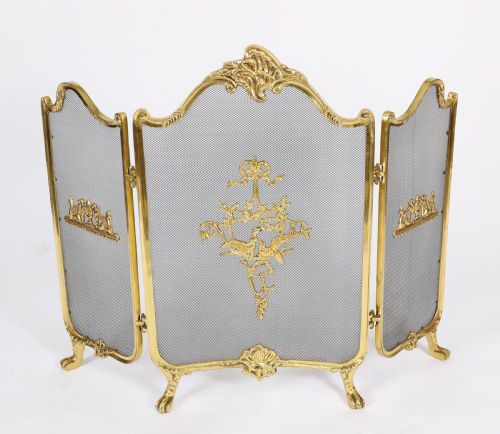
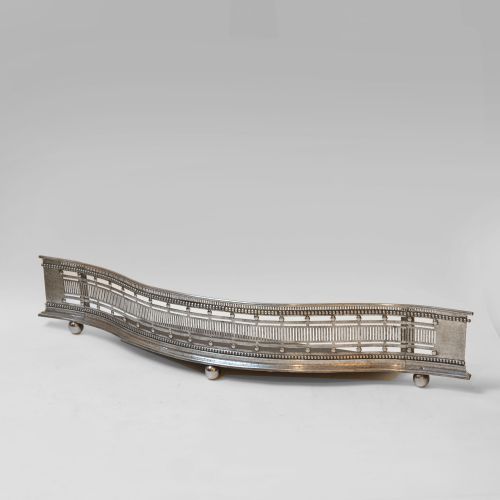
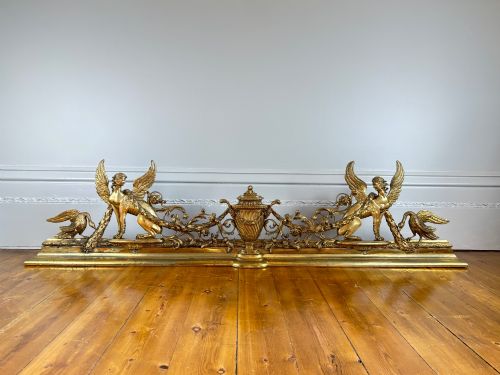
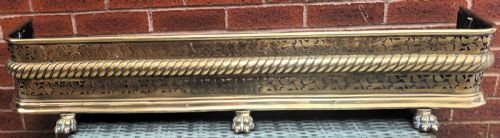
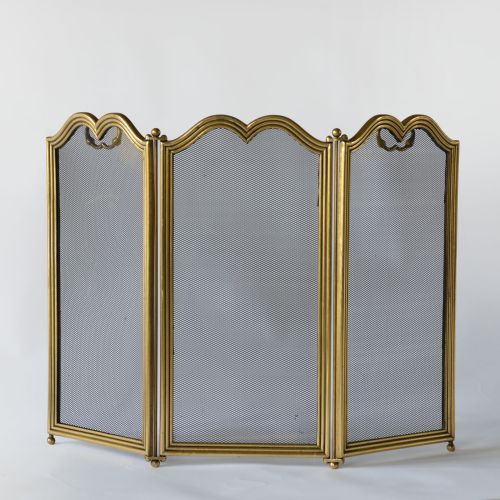
When searching for an antique metal fireguard, buyers encounter a functional barrier designed to contain sparks and ash within the hearth. These pieces range from upright folding screens to heavy floor curbs and low nursery guards.
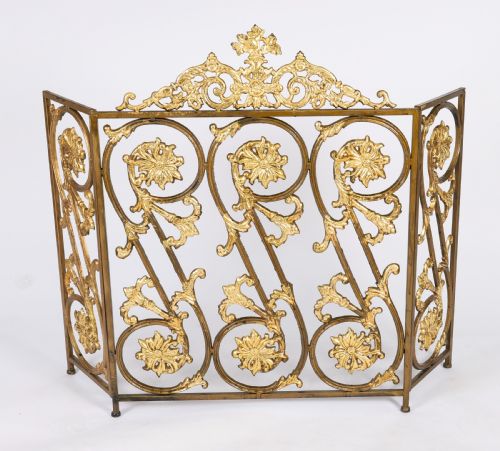
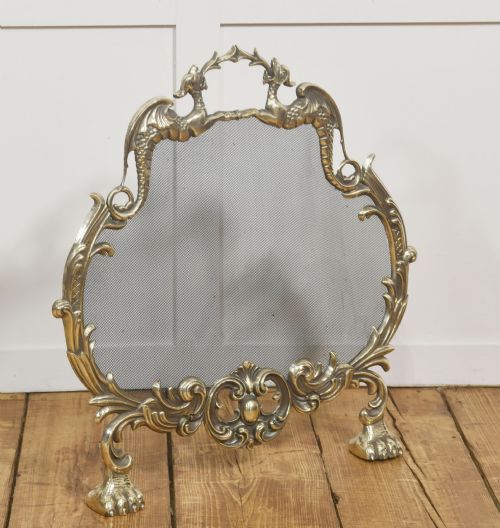
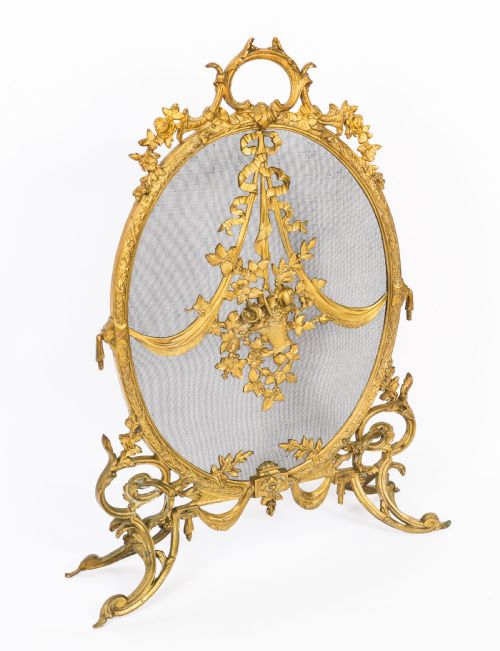
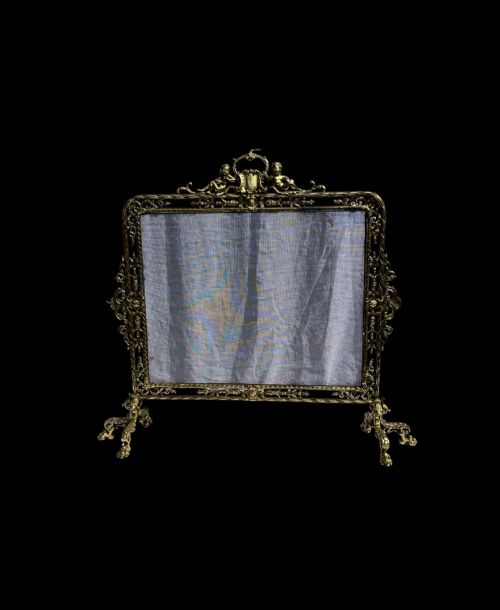
The selections on this page draw predominantly from the Victorian period, alongside Georgian, Edwardian, and early twentieth-century examples. Forms vary from simple wire mesh barriers to elaborate French Rococo revival screens with gilt bronze mounts.
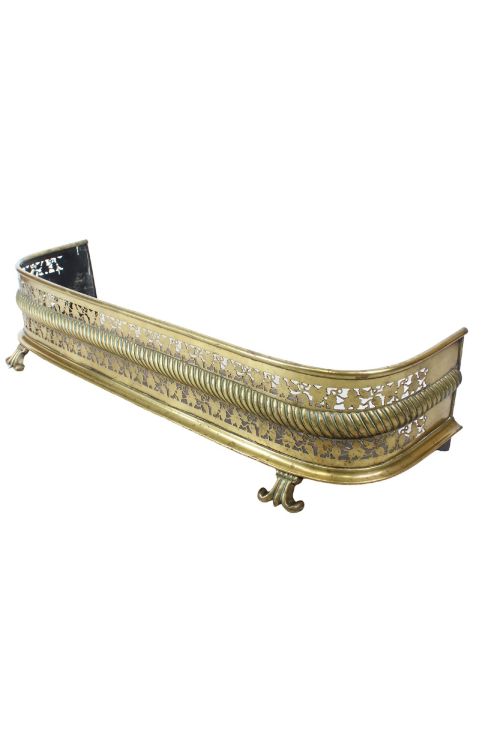
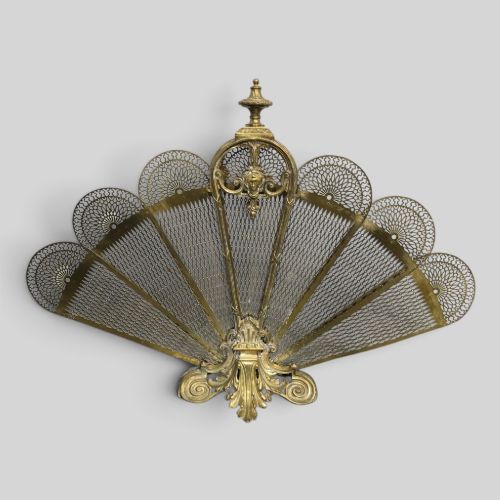
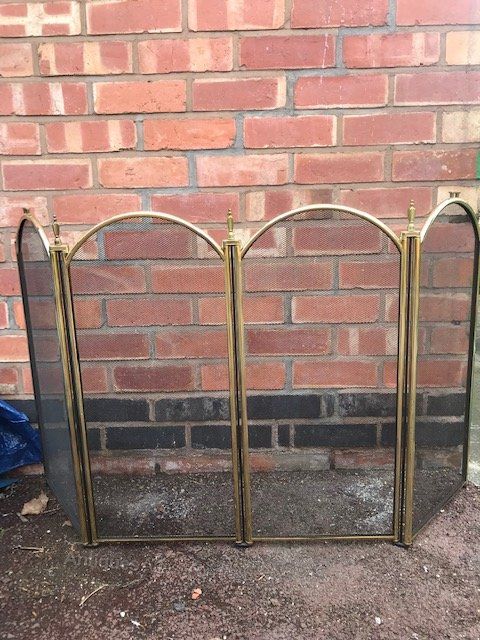
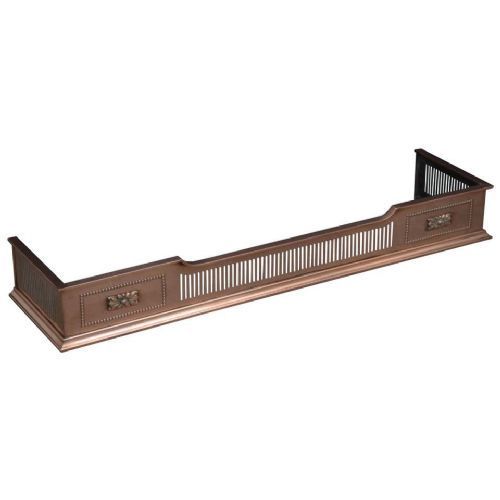
Makers and workshops produced these guards to suit coal and wood fires in domestic rooms. Common configurations include tripartite folding panels, flat spark guards, and bowfront curbs designed to sit directly on the floor.
Markers of quality
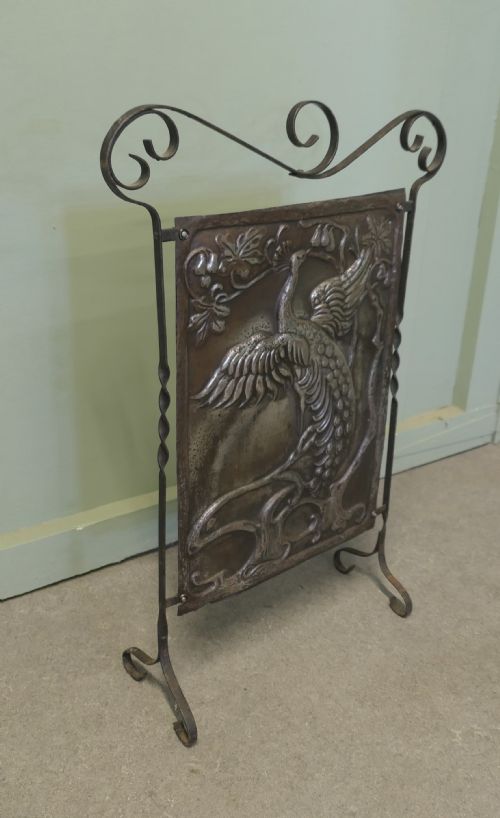
Quality rests on the weight of the metal and the precision of its assembly. Heavier wrought iron frames and thick gauge brass or copper demonstrate robust construction that withstands daily hearth heat.
Finishing separates standard production from finer work. Pierced brass with crisp perforation, hand-chased surface details, and well-fitted folding hinges indicate superior craftsmanship over plain stamped sheet metal.
Antique Metal Fireguard Retail Price Guide 2026
Typical asking prices for metal fireguard among the pieces listed under this phrase on Sellingantiques today, from the lower quarter to the upper quarter. They describe what is for sale here now, not the wider market.
Some Victorian nursery fenders included built-in clothes rails, turning the living room hearth into a busy domestic laundry station.
E F Caldwell New York
The Antique Metal Fireguard Glossary
- Spark guard
- A fine wire mesh or metal screen designed primarily to catch flying embers from an open fire. These often feature folding sections to adjust around the hearth opening.
- Fender
- A low metal barrier that sits on the floor around the hearth perimeter to keep burning fuel and ash contained. They appear in straight, bowfront, and curb configurations.
- Nursery fender
- A tall protective metal barrier designed to keep children and pets at a safe distance from the fire. Some examples include integrated rails for drying clothes.
- Chased
- Metal decorated by hammering or punching the front surface to sink the design rather than removing material. This technique adds texture and relief to brass and copper panels.
Antique Metal Fireguard: Frequently Asked Questions
How do I choose the correct size fireguard?
Measure the width and height of your fireplace opening before selecting a guard. Ensure the screen covers the entire width of the hearth to provide adequate protection against flying sparks.
Consider the depth of your hearth if you are purchasing a floor curb fender. The metal barrier must fit securely without blocking hearth accessories or fire tools.
What metals were commonly used for fireguards?
Brass and copper appear frequently in decorative screens and fenders from the Victorian and Edwardian periods. These metals offer a bright reflective surface that polishes to a warm finish.
Wrought iron and steel provide heavy structural support for utilitarian guards and Gothic revival designs. Wire mesh is standard for lightweight spark guards.
How do I clean an antique metal fireguard?
Dust the metal regularly with a dry cloth to prevent soot and ash accumulation. Avoid abrasive cleaners that can remove patination or damage chased and embossed details on brass and copper.
Unlacquered brass and copper may be polished gently with a suitable metal cream if a bright finish is preferred. Wrought iron benefits from a light application of paste wax to protect the surface.