



Antique Metal Door Weight
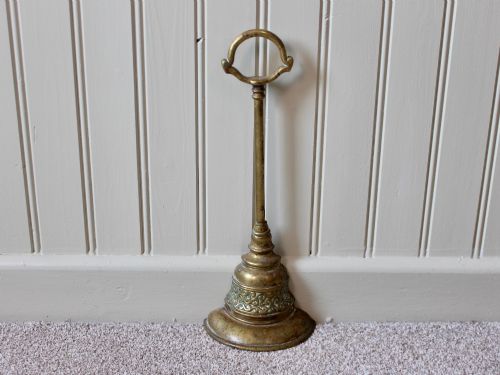
An antique metal door weight, known commonly as a doorstop or door porter, holds open heavy interior doors with substantial mass and decorative presence.
Antique Metal Door Weight
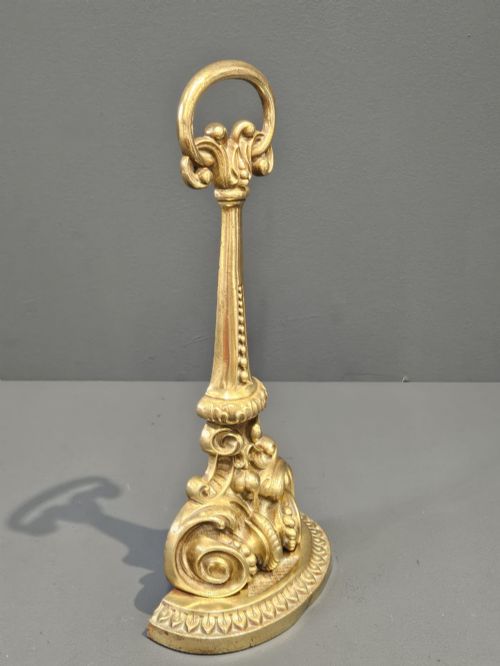
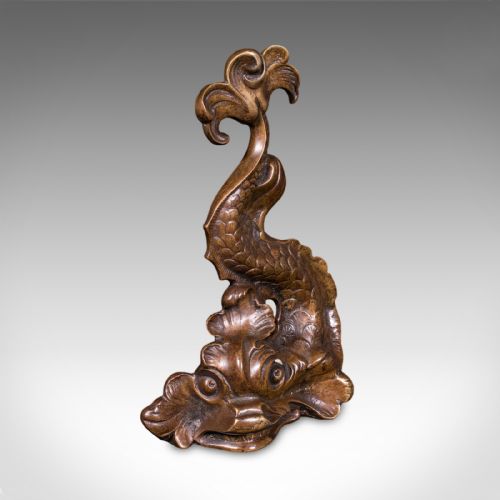
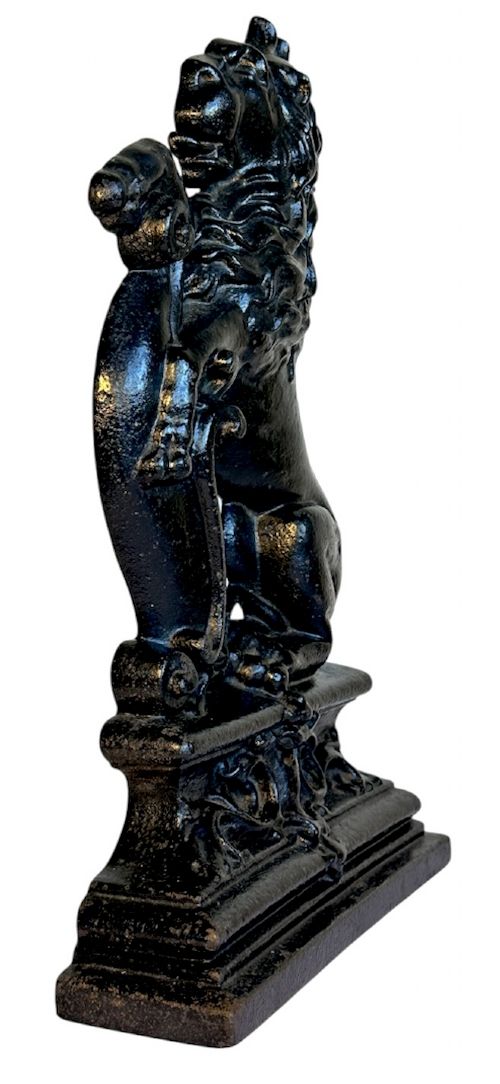
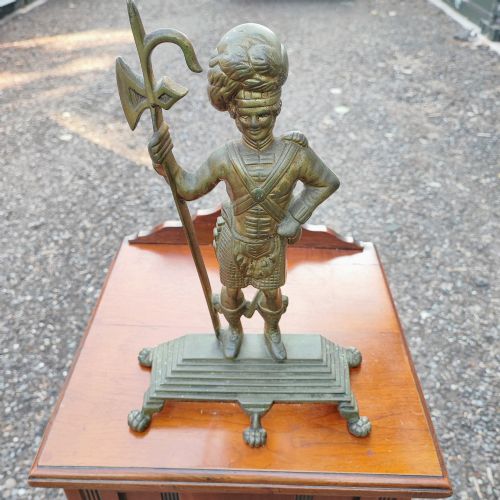
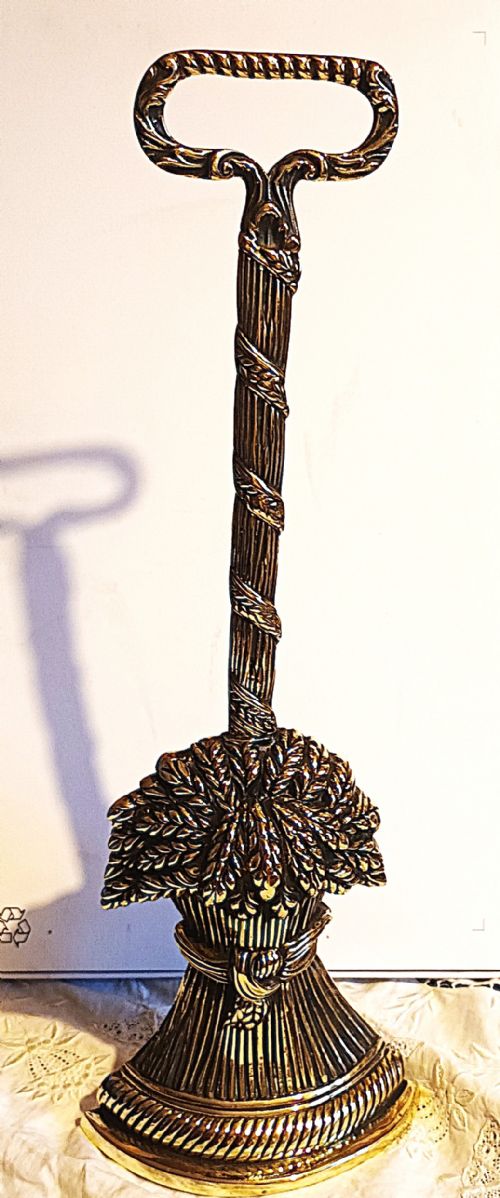
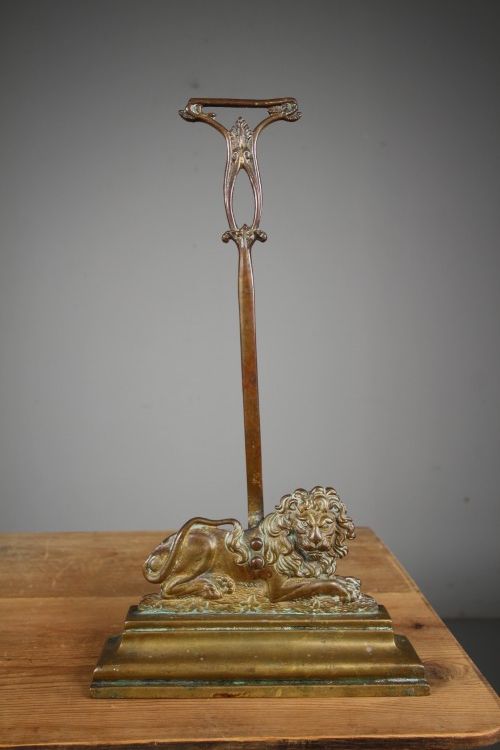
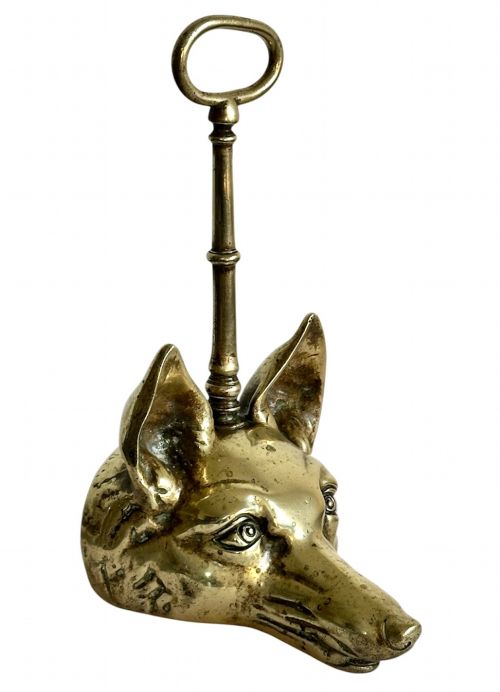
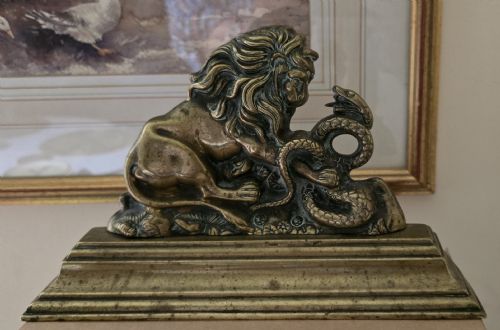
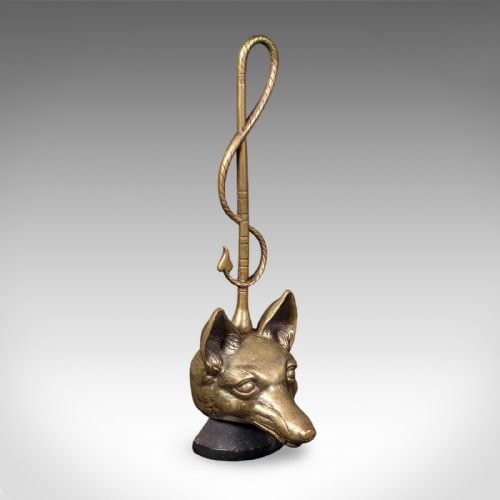
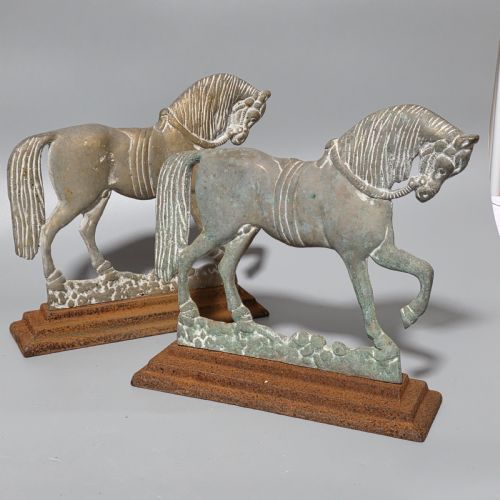
The antique metal door weight primarily takes the form of a figurative or decorative doorstop designed to keep interior doors stationary in draughty rooms. These heavy objects appear frequently in brass, cast iron, and bronze, often shaped as lions, horses, dogs, dolphins, or historical figures. Most examples originate from the Victorian and Regency periods, reflecting the domestic needs and ornamental tastes of nineteenth-century English homes.
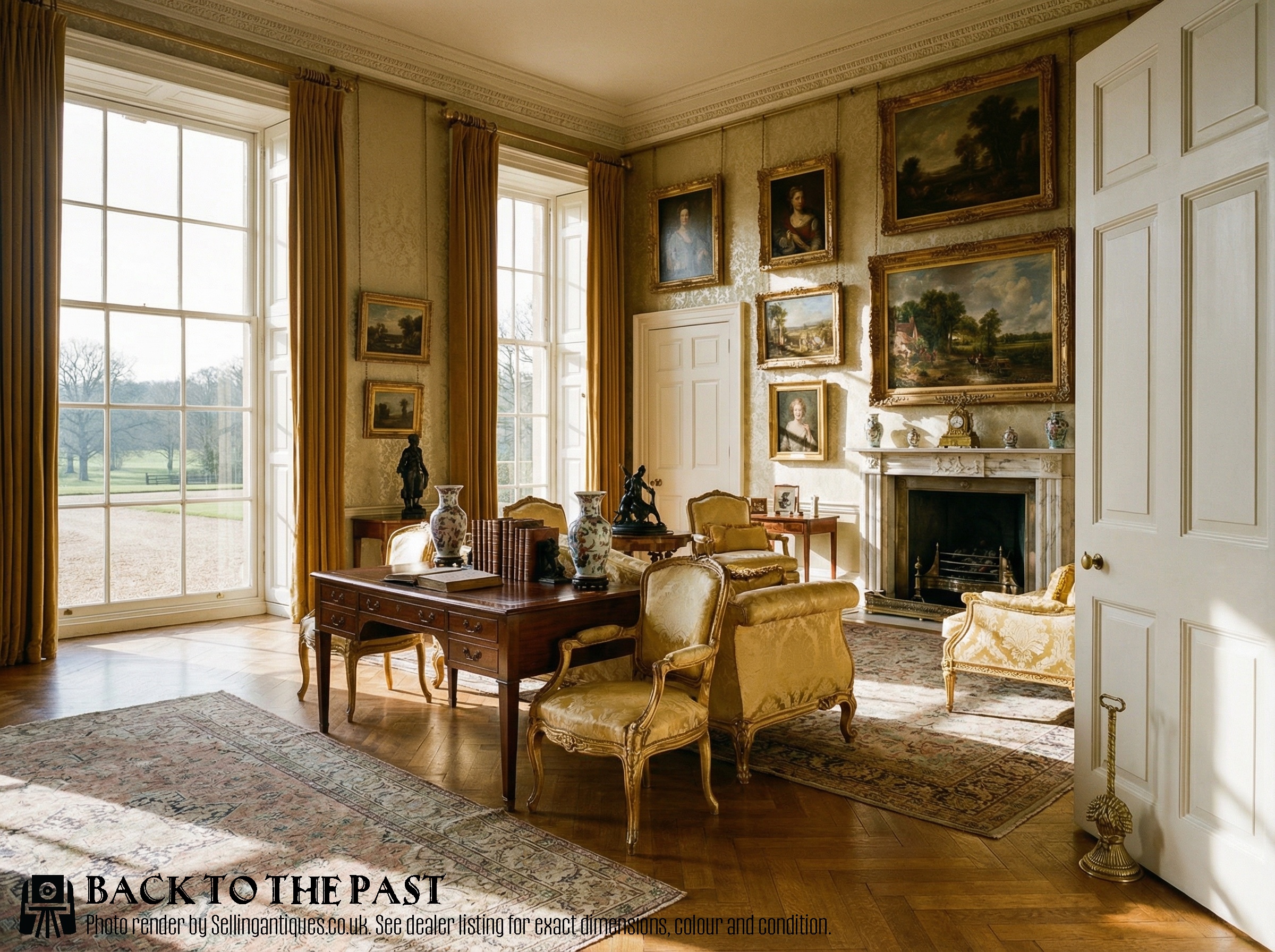
Buyers browsing this selection encounter utilitarian door porters alongside sculptural doorstops shaped as Mr Punch, cherubs, soldiers, and knights. The English Country House style dominates the selection, bringing substantial weight and character to residential corridors and reception rooms. These pieces combine practical utility with robust metal casting, serving simultaneously as functional hardware and mantelpiece-scale sculpture.
Casting and Finishing Methods
Foundries produced these metal objects primarily through sand casting in brass, cast iron, and bronze, pouring molten metal into packed moulds to achieve distinct figurative shapes. Iron pieces often retain traces of old paint or dark protective finishes, whilst brass examples showcase bright polished metal or warm patinated surfaces. Some substantial designs integrate lead weighting inside the base to increase stability and prevent tipping when placed against heavy doors.
Antique Metal Door Weight Retail Price Guide 2026
Typical asking prices for metal door weight among the pieces listed under this phrase on Sellingantiques today, from the lower quarter to the upper quarter. They describe what is for sale here now, not the wider market.
Among the menagerie of lions and horses, Mr Punch stands guard with his iconic curved nose.
Evaluating Castings and Detail
The integrity of the construction also separates standard production from finer foundry work, visible in the solid mounting of handles and the absence of clumsy repairs. Maker attributions, such as marked pieces by Tonks, elevate an example by identifying the specific commercial foundry responsible for its production. Better quality items maintain their original structural components without replacement bolts or mismatched structural parts.
Tonks·William Tonks·William Tonks and Sons
The Antique Metal Door Weight Glossary
- Door porter
- A heavy upright weight fitted with a top handle, designed to be lifted and placed against an interior door. This term is frequently used interchangeably with doorstop in nineteenth-century contexts.
- Cast iron
- An iron-carbon alloy poured into moulds while molten, utilised for heavy, durable doorstops that often received painted surface finishes. It provides significant mass at a lower material cost than brass.
- Gilt bronze
- Bronze metal coated with a thin layer of gold or gold-coloured alloy to impart a rich, reflective surface finish. This material appears on decorative Regency and Victorian luxury items.
- Regency
- An English stylistic period spanning the early nineteenth century, characterised by classical revival motifs such as dolphins, lions, and symmetrical forms. Pieces from this era often display refined proportion and decorative restraint.
- Victorian Gothic Revival
- A nineteenth-century architectural and decorative movement drawing inspiration from medieval forms, reflected in heavy cast iron or brass knights and ecclesiastical motifs.
Antique Metal Door Weight: Frequently Asked Questions
What is a door porter?
A door porter is a heavy metal weight fitted with an upright handle, specifically designed to be carried and positioned against interior doors to stop them from closing.
Unlike smaller door wedges, these tall vertical pieces remain upright through their own substantial mass and are easily moved by the top handle.
How heavy are these door weights?
Most pieces weigh several kilograms, utilising dense cast iron, solid brass, or bronze to generate the required mass for holding heavy doors against draughts.
Smaller domestic models designed for lighter bedroom doors weigh considerably less than the large hall porters produced in the nineteenth century.
Were these items painted originally?
Many cast iron examples received coats of protective paint in black, red, or naturalistic polychrome colours to prevent oxidation and enhance their figurative details.
Brass and bronze versions were typically left unpainted, relying on polished metal surfaces or natural patination for their decorative appearance.
How do I date a cast iron doorstop?
Dating relies upon stylistic markers, casting techniques, and standard design periods such as Victorian or Regency, alongside any visible foundry stamps.
Earlier nineteenth-century models generally display sharper detailing and heavier mass compared to later mass-produced Victorian castings.