



Antique Metal Charger
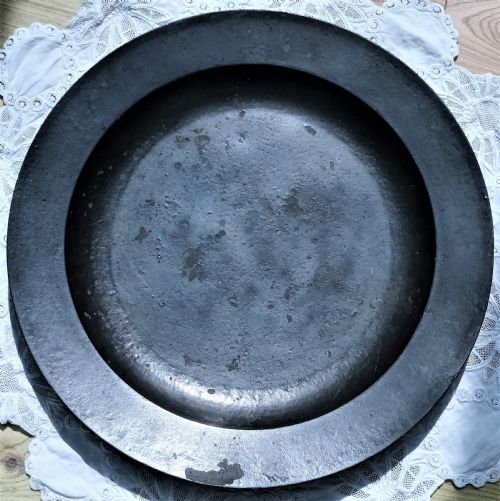
When you handle an antique metal charger, you touch a heavy, wide vessel made to command a wall or a grand table.

Antique Metal Charger
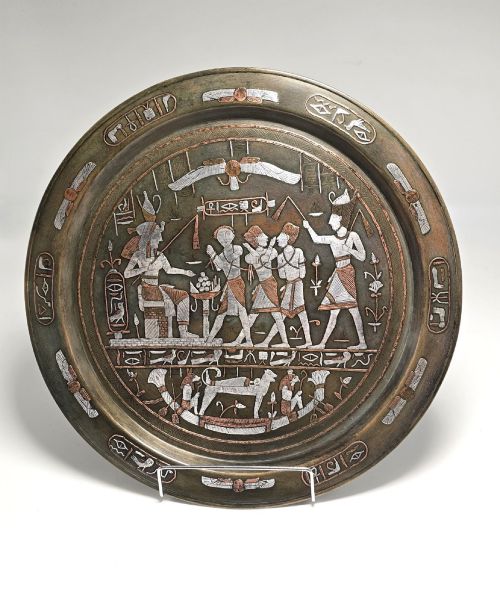
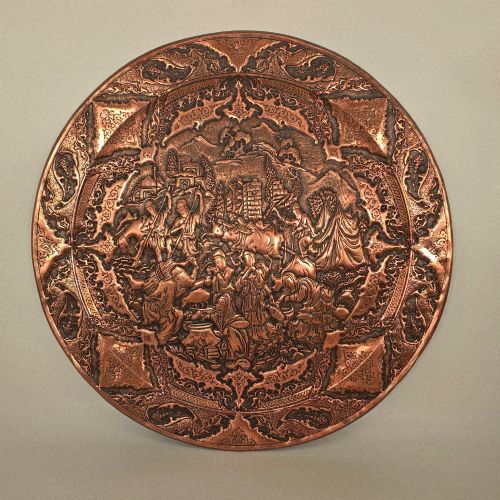
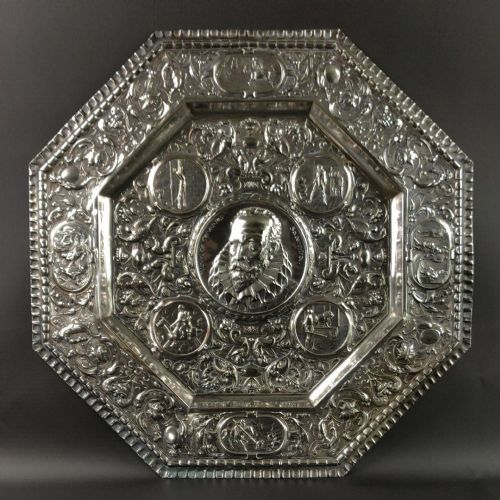
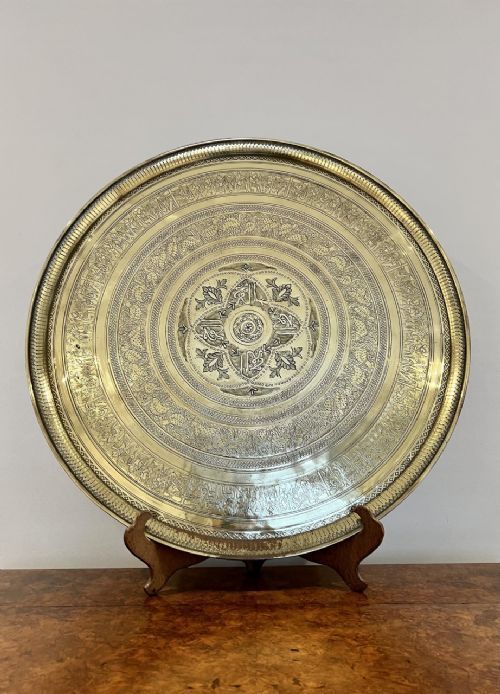
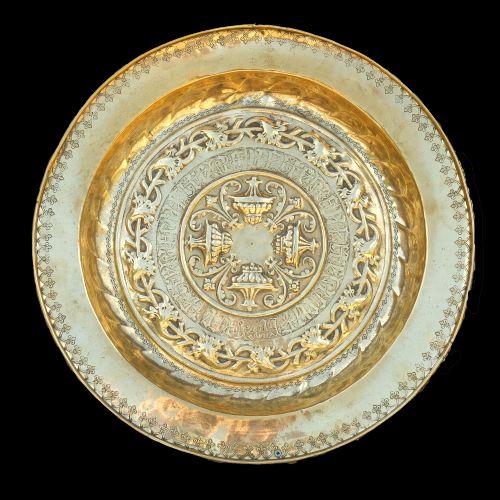
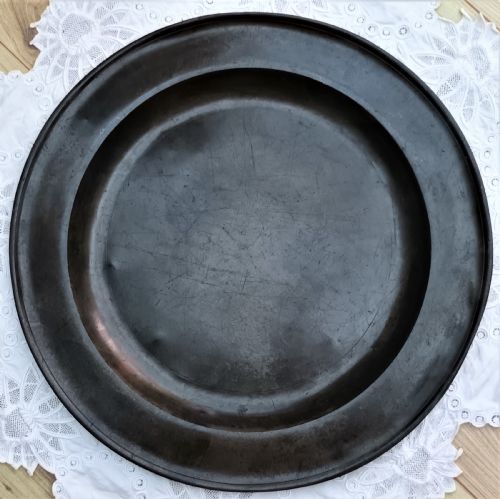
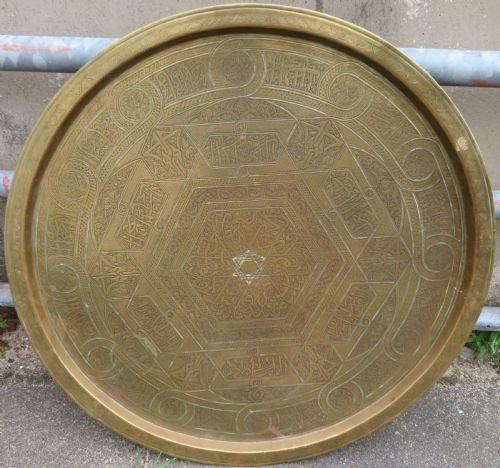
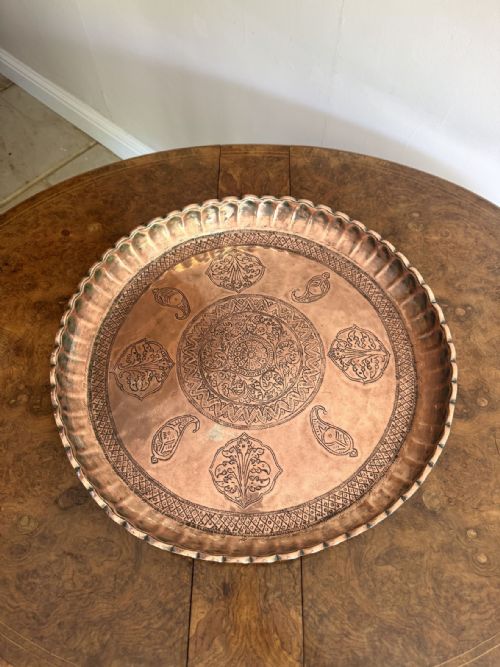
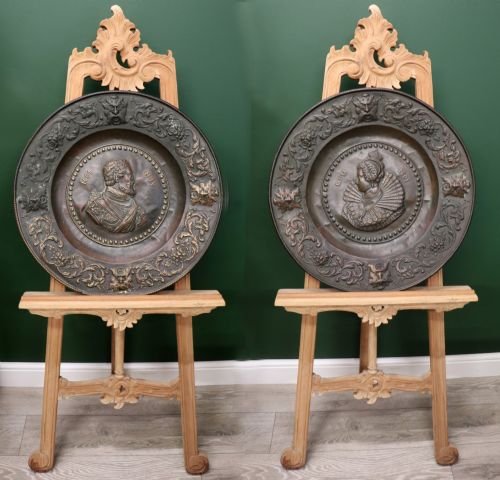
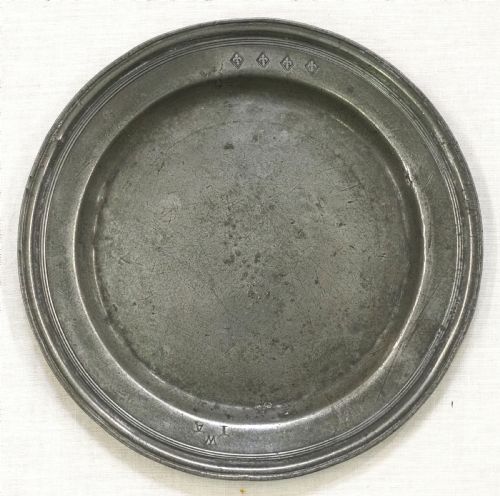
An antique metal charger spans centuries of metalwork, appearing on this page in forms ranging from plain English pewter dining plates to large Japanese cloisonne enamel presentation trays. You will encounter decorative plates, platters, and wall trays shaped from copper, brass, bronze, steel, and silver inlay.
The selection reaches from seventeenth-century European pieces and eighteenth-century Georgian pewter down to late nineteenth-century Japanese Meiji period examples and Arts and Crafts copper work. These items served ceremonial, display, and heavy dining purposes across diverse cultures and workshops.
Materials and construction methods
Craftsmen shaped these vessels through techniques such as repousse, engraving, and hammering, working metal sheets into deep circular or octagonal rims. Pewter objects relied on casting and turning on a lathe, while Japanese Meiji pieces utilised delicate wirework and vitreous enamels fired upon copper or iron bases.
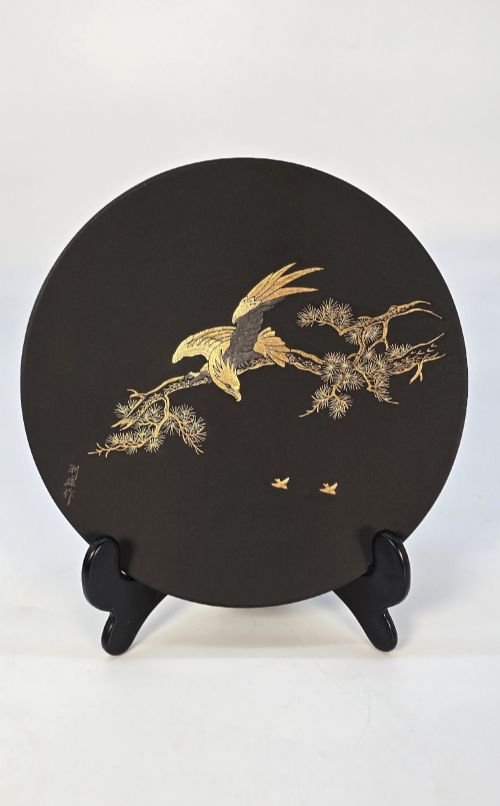
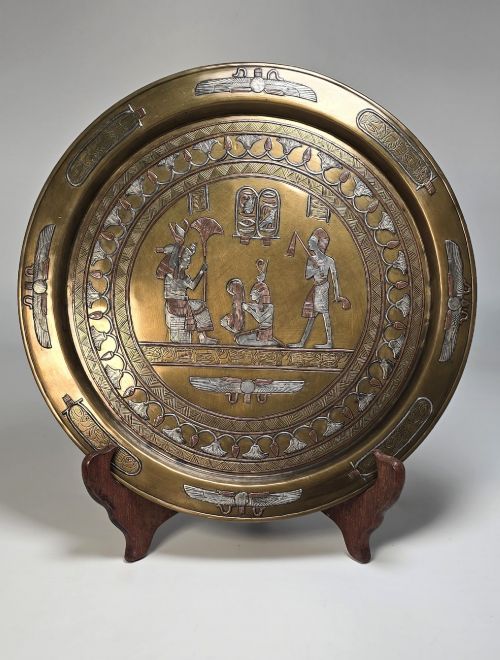
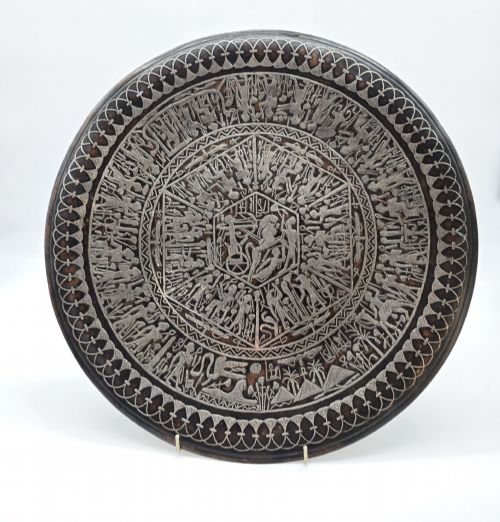
Makers integrated mixed metals by applying silver, gold, and brass wire inlay directly into patinated iron, copper, or bronze surfaces. Engraved foliate patterns, figural portraits, and detailed motifs of birds, fish, and landscapes emerged through patient hand tooling.
Antique Metal Charger Retail Price Guide 2026
Typical asking prices for metal charger among the pieces listed under this phrase on Sellingantiques today, from the lower quarter to the upper quarter. They describe what is for sale here now, not the wider market.
Listings span seventeenth-century European pewter, eighteenth-century English plates, and late nineteenth-century Japanese cloisonne enamels.
Distinctions in craftsmanship and design
The finest examples display meticulous precision in surface decoration, evident in the tightness of cloisonne wire cells and the crisp depth of hand-chased repousse relief. Superior pieces maintain crisp maker marks, intact patination, and balanced composition across complex pictorial scenes.
Lesser items show mechanical uniformity or worn surface details where heavy cleaning has softened engraved lines and disturbed the original metal finish.
John Duncomb·William Wright·Samuel Smith·T & H Compton·Richard King·John Tubb·Robert Moulins II·Humphrey Evans II·Hugh Wallis
The Antique Metal Charger Glossary
- Charger
- A large ornamental or serving plate, traditionally wider than standard dining plates and designed for display on sideboards or walls.
- Cloisonne
- An enamelling technique where thin metal wires are soldered to a base to form compartments filled with coloured glass paste and fired.
- Repousse
- A metalworking method where an artisan hammers a design from the reverse side to form a raised relief on the front.
- Cairo Ware
- Late nineteenth-century Middle Eastern metalwork featuring brass or copper surfaces heavily inlaid with intricate silver and copper wire designs.
- Pewter
- A durable metal alloy historically composed chiefly of tin mixed with copper, lead, or antimony, used extensively for domestic dining wares.
Antique Metal Charger: Frequently Asked Questions
How were antique metal chargers used?
These vessels originally functioned as formal serving platters at wealthy dining tables or sat upright on buffets to display wealth and status. Later examples served primarily as decorative wall chargers or plaque displays within domestic interiors.
Craftsmen often added hanging loops or sturdy rims so owners could mount them securely on walls for visual appreciation.
How do I care for a metal charger?
Preserving these objects requires keeping them away from damp environments and abrasive cleaning substances that strip away centuries of accumulated patina. Dust them gently with a dry, soft cloth to protect delicate enamel wires and engraved lines.
Avoid aggressive metal polishes on patinated copper, bronze, or inlaid iron surfaces, as the original dark finishes define the age and character of the piece.
How do I date a pewter charger?
Dating relies heavily on the rim style, touchmarks, and maker stamps stamped directly into the metal surface. Early pieces feature narrow or multi-reeded rims, while eighteenth-century examples frequently exhibit broad plain rims associated with recorded guild pewterers.
Maker marks often link directly to historical touchplate registers which record the active working dates of individual craftsmen.
What distinguishes Japanese Meiji chargers?
Meiji period chargers from Japan showcase exceptional technical mastery in cloisonne enamel, patinated iron, and mixed metal inlay. They frequently depict natural subjects such as dragons, birds, flowers, and Mount Fuji executed with extreme visual precision.
Many of these presentation pieces carry artist signatures embedded within the enamel work or base metal, reflecting the rising export market of the late nineteenth century.