




Antique Meiji Ceramic
Antique meiji ceramic pieces bring intricate Japanese craftsmanship into homes, spanning decorative plates, vases, and detailed porcelain figures.
Antique Meiji Ceramic
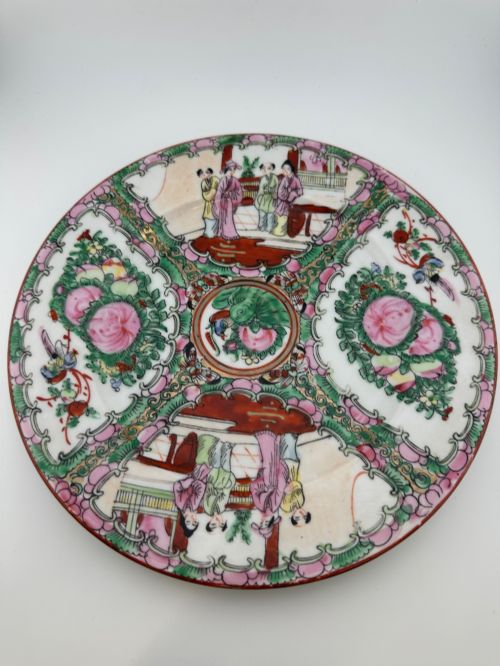
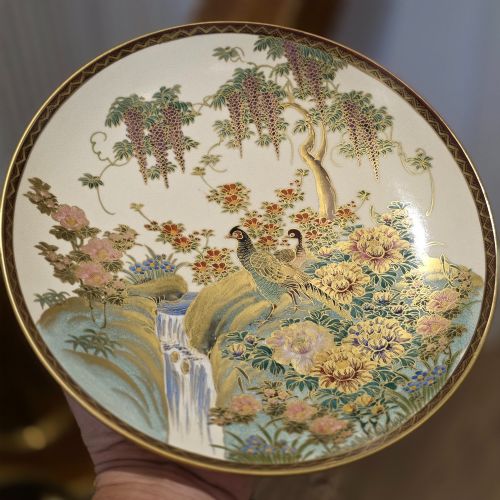
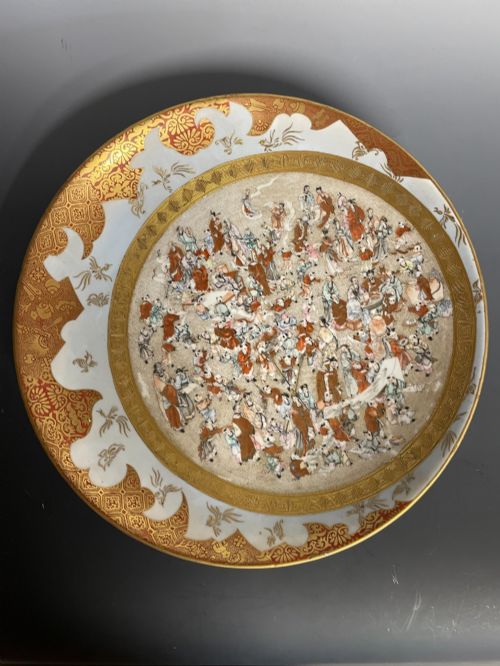
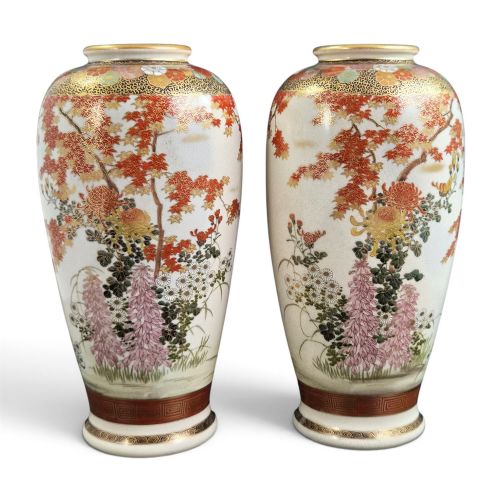
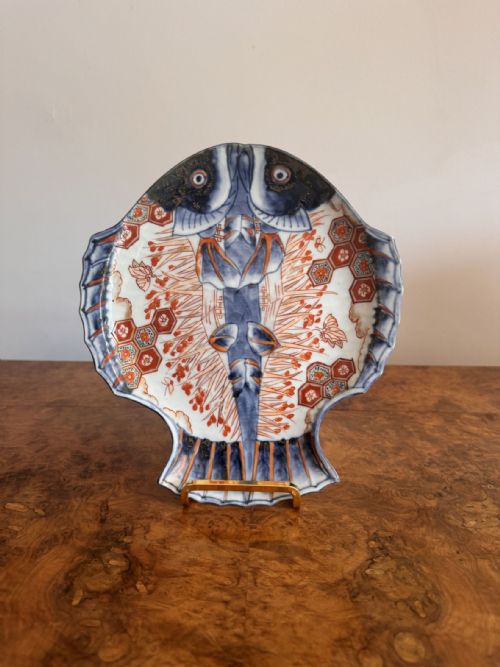
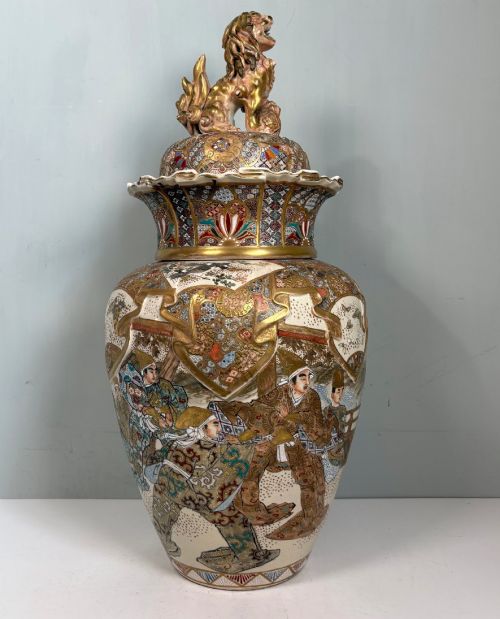
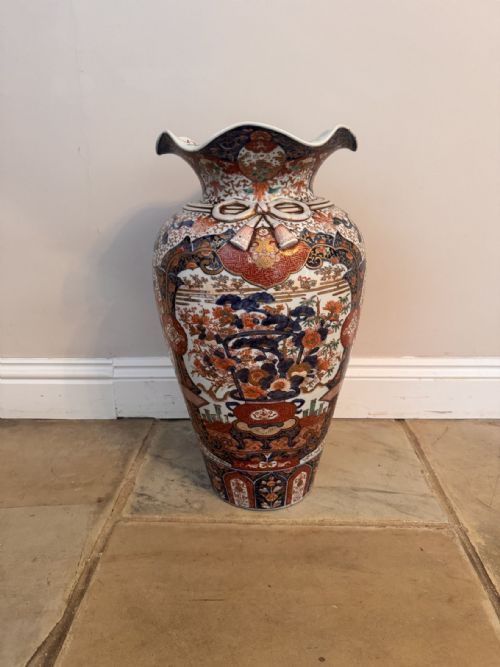
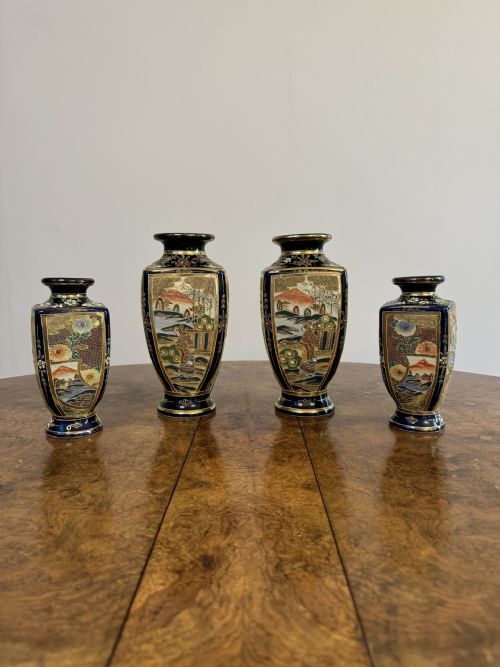
When searching for antique meiji ceramic items, buyers encounter a diverse selection of Japanese decorative arts produced primarily during the late nineteenth and early twentieth centuries. The selection on this page centres heavily on porcelain and earthenware forms such as Imari chargers, Satsuma vases, and Kutani dishes.
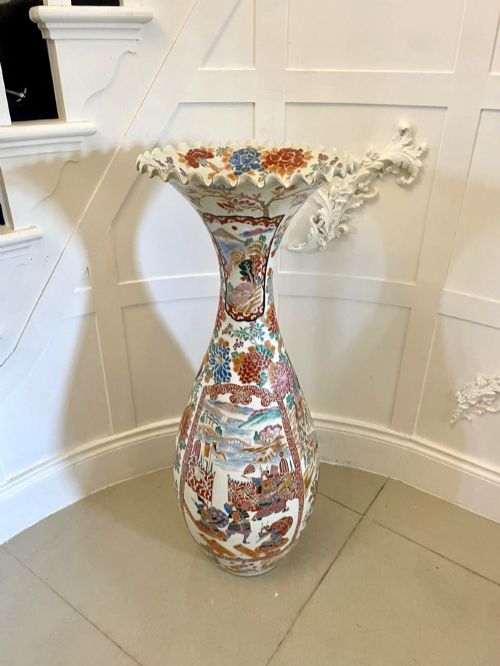
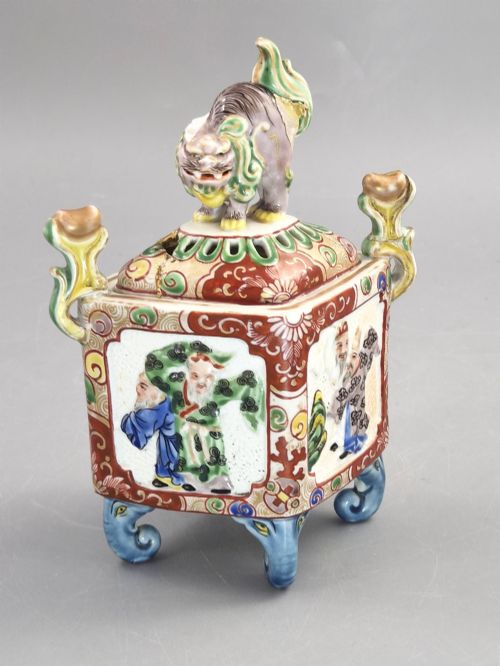
Vases and decorative plates dominate the available forms, often featuring traditional motifs like floral patterns, figures, and birds. Pieces range from large floor-standing Imari vessels to smaller Koro incense burners and table lamps adapted from earlier ceramic bodies.
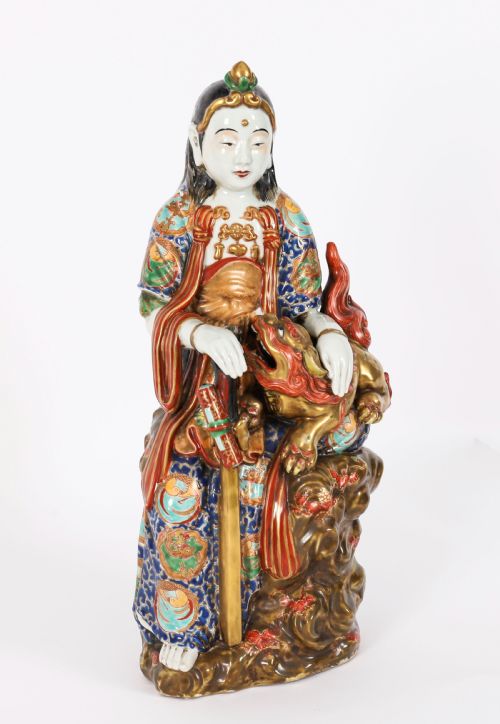
The objects bridge multiple eras, appearing under Victorian and Edwardian period classifications alongside specific Meiji and Taisho date ranges. Buyers find both functional vessels like tea cups and purely decorative objects including okimono figures and wall chargers.
How They Were Made
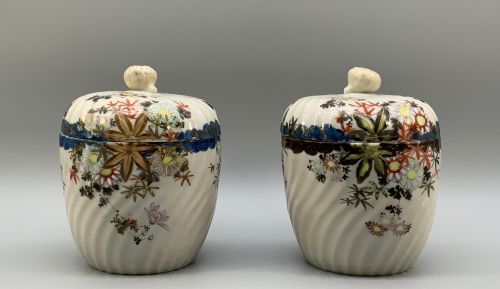
Potters and artisans utilised porcelain and earthenware as the primary ceramic bodies, shaping them into baluster vases, scalloped dishes, and lidded jars. Glaze application played a central role, with cobalt blue, white porcelain, and flambe effects defining the surface textures.
Decoration relied on complex techniques including hand-applied enamel, intricate gold leaf, and gilt detailing. Sumida Gawa pieces incorporated distinct relief figures and pinched sack rims created through sculptural clay manipulation.
Materials recorded on this page range from delicate porcelain and earthenware to brass fittings and applied gold leaf.
What Varies In Quality
The standard of a piece rests in the precision of the hand-painting and the complexity of the enamel and gilt work. Superior examples display crisp definition in figural scenes and balanced composition across large surfaces like floor-standing vases and chargers.
Signatures from noted makers or kilns elevate an item, while condition and the crispness of moulded details such as Karashishi finials or elephant head feet distinguish ordinary production from exceptional artistry.
Maruni Kobe·Shozan·Inoue Ryosai·Ban-ni·Kinkozan
The Antique Meiji Ceramic Glossary
- Imari
- A style of Japanese porcelain featuring a distinct palette of underglaze blue, iron red, and gilt highlights. These pieces were widely exported and prized for their bold decorative patterns.
- Satsuma
- An earthenware pottery type with a finely crackled ivory glaze, typically decorated with polychrome enamels and extensive gold leaf. It originated in Satsuma Province and gained significant popularity during the Meiji period.
- Kutani
- Japanese porcelain known for vibrant, pictorial designs often dominated by greens, reds, yellows, and purples. Items range from everyday tableware to large sculptural figures.
- Okimono
- A small Japanese standalone carving or ceramic figure intended for display in a household alcove. Subjects often include historical figures, deities, and animals.
- Cloisonne
- A technique where enamel is applied to compartments defined by thin metal strips fused to the ceramic or metal base. While primarily associated with metalwork, related decorative techniques appear across the Meiji material.
Antique Meiji Ceramic: Frequently Asked Questions
What is Meiji ceramic?
Meiji ceramic refers to pottery and porcelain produced in Japan during the Meiji period, spanning from eighteen sixty-eight to nineteen twelve. This era saw a surge in export art that combined traditional techniques with new decorative styles.
Items from this time include highly ornamented Satsuma earthenware, Kutani porcelain dishes, and bold Imari chargers created for both domestic use and Western markets.
How do I identify Satsuma ware?
Satsuma ware is easily recognised by its characteristic creamy, ivory-coloured earthenware body covered in a fine network of glaze crackles. The surfaces are heavily decorated with detailed enamel paintings and gold leaf.
Most pieces feature human figures, landscapes, or floral motifs, and many carry artist or kiln signatures on the base.
What is the difference between Imari and Kutani?
Imari porcelain relies on a strict palette of cobalt blue underglaze combined with iron red and gilt overglaze, featuring geometric and floral panels. It is known for a sturdy body and vibrant contrast.
Kutani porcelain typically employs a broader, more pictorial colour scheme with strong greens and golds, focusing heavily on narrative scenes, birds, and intricate borders.
How should I display these ceramics?
These ceramics suit stable surfaces away from direct sunlight to protect delicate enamel and gilt decorations over time. Larger pieces like floor-standing vases or heavy chargers require secure placement to prevent tipping.
Avoid using water in antique vases that lack a modern glazed interior lining to prevent moisture damage to the porous earthenware bodies.