


Antique Marquetry Jardiniere
These antique marquetry jardiniere pieces are decorative plant stands and wine coolers designed to display indoor foliage with French flair.
Antique Marquetry Jardiniere
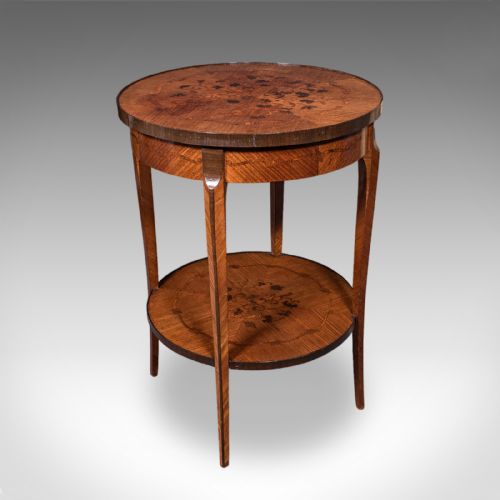
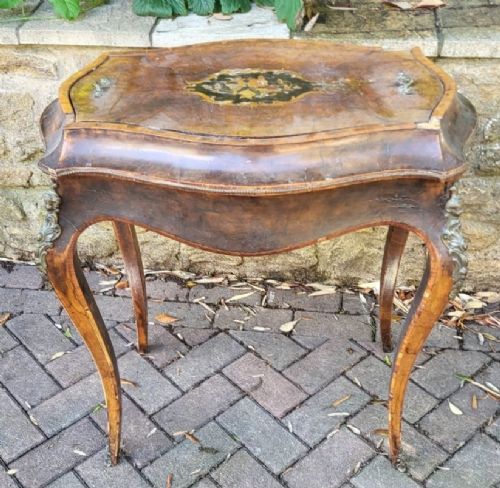
When you examine an antique marquetry jardiniere, you are looking at nineteenth century plant stands, occasional tables, and wine coolers that served both practical and decorative functions in period reception rooms. The pieces appearing here span from mid-Victorian and Edwardian decades to specific years like eighteen-fifty and nineteen-hundred.
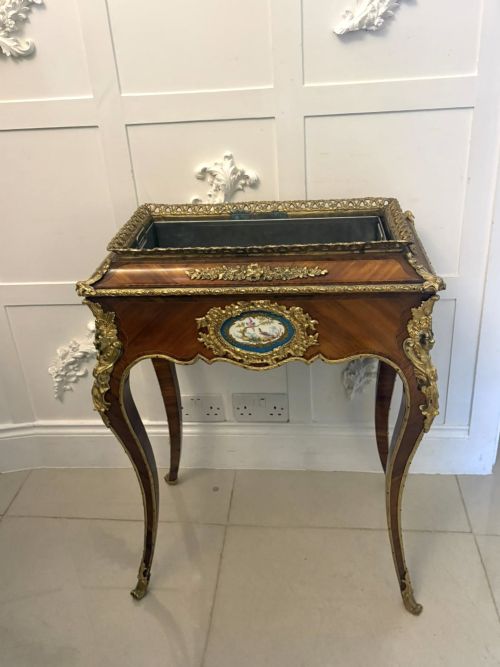
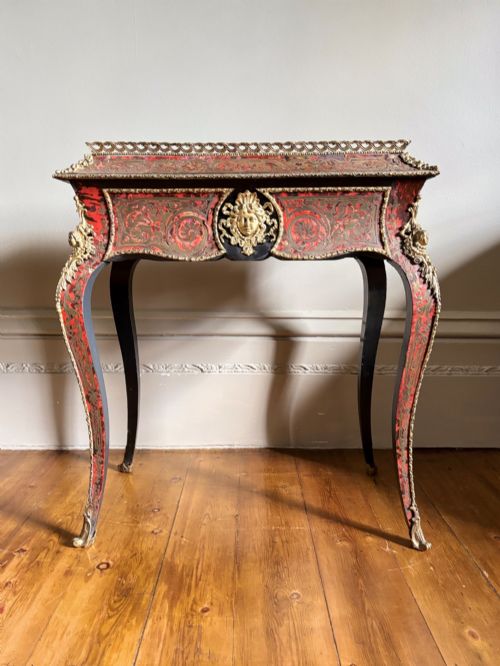
You will most frequently encounter French styles, particularly Louis XV revival pieces alongside Napoleon III designs, constructed as freestanding planters or combined side tables. These objects typically incorporate metal liners designed to hold potted plants or water for wine cooling while protecting the timber framework beneath.
Materials and construction techniques
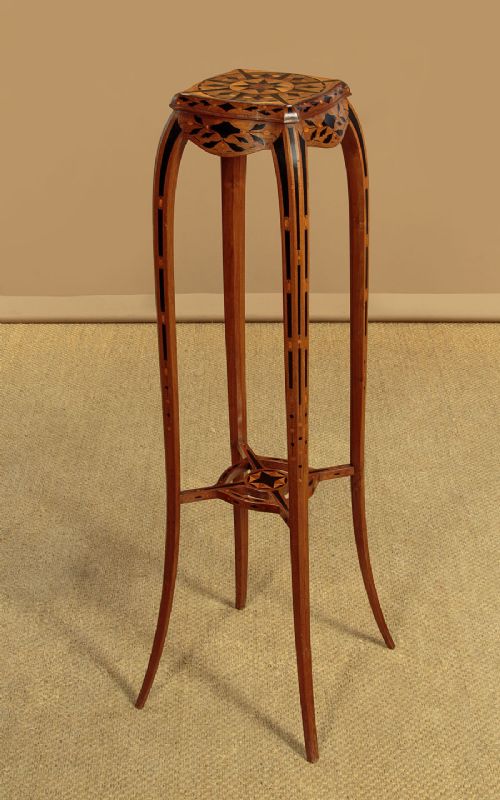
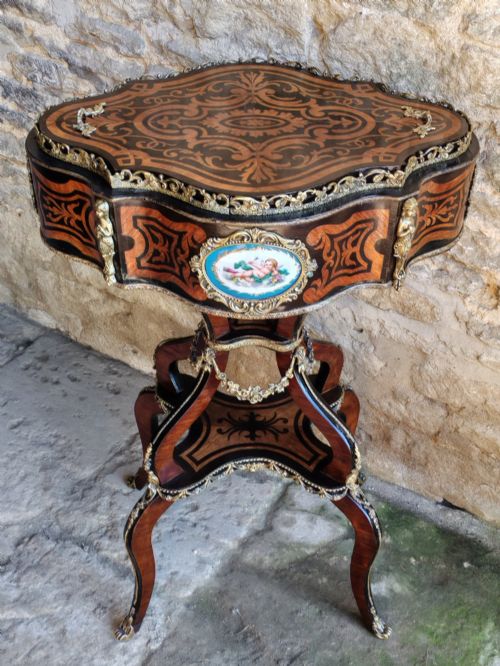
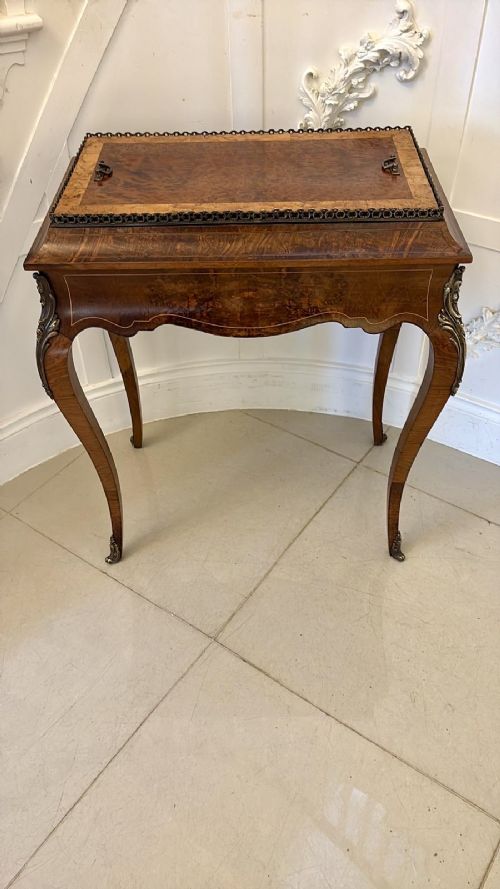
Cabinetmakers utilised exotic timbers including kingwood, burr walnut, rosewood, and satinwood, applying intricate marquetry inlays to form floral and geometric patterns across the surfaces. These rich veneers are frequently complemented by contrasting ebonised wood or aboyna inlay.
The timber frames receive structural and decorative enhancement through cast ormolu, brass, and gilt metal mounts, which edge the tops, corners, and legs in the manner of nineteenth century French salon furniture.
Several of these botanical stands doubled as wine coolers, proving that nineteenth century hosts liked their greenery accompanied by chilled refreshment.
Distinctions in craftsmanship and design
The distinction between standard production and superior craftsmanship lies in the complexity of the marquetry work and the crispness of the gilt metal mounts. Finer examples display meticulous control over varied wood grains and tonal contrasts within the floral inlays.
Proportion and structural integration also separate the tiers of quality, where exceptional pieces balance the weight of the metal mounts against the underlying burr walnut or kingwood without appearing heavy or crowded.
The Antique Marquetry Jardiniere Glossary
- Marquetry
- The art of applying small pieces of veneer to a structure to form decorative patterns. This technique defines the surface decoration seen across many nineteenth century planters.
- Jardiniere
- A decorative receptacle or stand for holding plants or flowers. These items often double as wine coolers or cellarettes within the evidence.
- Ormolu
- Gilded bronze mounts applied to furniture edges and legs. This material provides bright metallic contrast to dark woods like rosewood and ebonised timber.
- Kingwood
- A dense, richly figured timber native to Brazil utilised heavily in French cabinetmaking. It forms the primary corpus for many nineteenth century stands.
- Boulle
- A style of marquetry using tortoiseshell and brass inlay developed in France. It appears on select Napoleon III pieces listed here.
Antique Marquetry Jardiniere: Frequently Asked Questions
What is an antique marquetry jardiniere used for?
These pieces functioned historically as indoor plant stands, floral display tables, or wine coolers within formal nineteenth century reception rooms. They brought living greenery and botanical decoration directly into domestic sitting spaces.
Today, collectors use them to house potted plants or as occasional tables and side stands within period interiors. The removable metal liners originally designed for water retention still serve practical purposes for modern horticulture.
How do I identify a French nineteenth century jardiniere?
French pieces from the nineteenth century typically exhibit Louis XV revival styling, characterised by shaped cabriole legs, floral marquetry, and prominent gilt bronze or ormolu mounts. The use of exotic timbers like kingwood and burr walnut points directly to continental cabinetmaking.
Many examples incorporate specific decorative motifs such as Boulle work or porcelain plaques set into the timber frame. These aesthetic markers separate French salon pieces from simpler British occasional furniture of the same era.
Are these planters waterproof?
Most antique jardinieres feature removable metal liners or troughs originally intended to catch water drainage from potted plants or ice from wine cooling. These inner vessels protected the delicate wood veneers and marquetry from moisture damage.
While the historical liners remain present in many surviving examples, modern owners often utilise secondary plastic containers inside the metal troughs to prevent leakage. Direct watering without a secure liner risks staining the interior timbers.
How do I date a burr walnut jardiniere?
Dating relies on combining the timber choice, stylistic revival period, and construction methods recorded across the nineteenth and early twentieth centuries. Burr walnut gained immense popularity during the Victorian era and the subsequent Edwardian period.
Pieces bearing Napoleon III or Louis XV revival characteristics usually point towards the mid-to-late nineteenth century. Comparing the mounting style and veneer patterns against dated comparative examples helps narrow the production window.