




French Country Plant Table
A french country plant table brings organic rustic charm indoors or onto the terrace, offering a sturdy stage for greenery.
French Country Plant Table
When you search for a french country plant table, you are looking at utilitarian and decorative stands designed to hold botanical displays. The pieces on this page span the nineteenth century through the early twentieth century, reflecting rural French and Edwardian tastes.
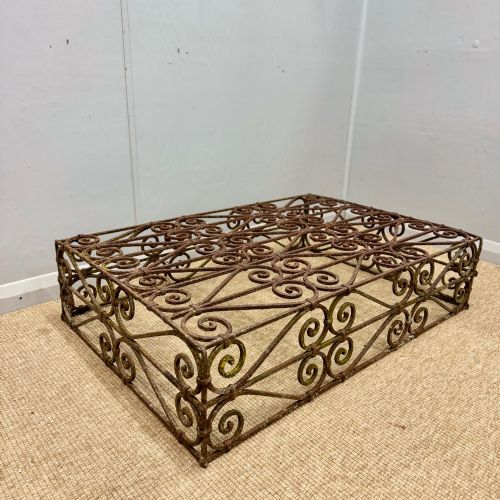
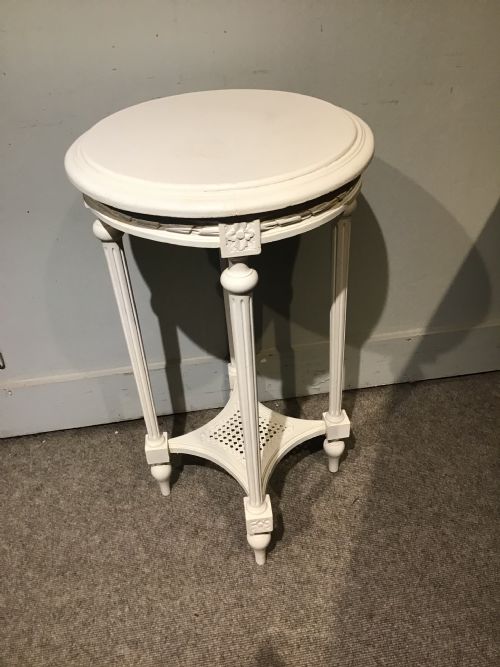
Most examples function as plant stands, pedestals, gueridons, or etageres rather than strictly dedicated horticultural benches. They appear in forms ranging from low iron frames to marble-topped occasional tables.
Origins heavily lean towards French country, French chateau, and Edwardian country house aesthetics. The materials and forms bridge interior rooms and glasshouse conservatories alike.
How they were made
Construction relies heavily on durable metals and dense timbers such as wrought iron, wirework, oak, mahogany, and walnut. Artisans shaped these structural elements to support heavy pots and damp environments.
Many surfaces feature inset marble tops or painted wood finishes that offered protection against water spills from watering cans. Gilt brass and bronze mounts occasionally adorn the finer gilt brass and bronze mounted occasional tables.
Wirework and wrought iron techniques provided lightweight yet robust frameworks for conservatory use. Timber game blocks and stands demonstrate traditional joinery suited for heavy daily utility.
Listings feature items spanning the nineteenth century, Edwardian era, and early twentieth century, constructed from marble, wrought iron, and oak.
What varies in quality
The distinction between ordinary utility items and superior examples lies in the selection of materials and decorative ambition. A heavy slab of fitted marble or fine gilt bronze mounts elevates a piece far above a plain painted wood frame.
Hand-forged details in wrought iron and intricate wirework structures show the maker's hand more clearly than mass-produced components. Timber selection also dictates grade, with quarter-sawn oak and walnut commanding greater presence than softwoods.
Proportion and stability remain paramount, as heavy stone tops require precise balancing against the supporting base. Finer execution in the Louis styles or classical mounts separates workshop output from standard domestic furniture.
The French Country Plant Table Glossary
- Gueridon
- A small French table, often round, supported by one or more columns or figures. These frequently serve as lamp, wine, or plant tables.
- Etagere
- A piece of furniture consisting of a set of open shelves for displaying small objects or plants. They provide vertical tiering for greenery.
- Wrought iron
- Iron that has been heated and shaped with tools by a blacksmith. This material provides sturdy weather-resistant frames for garden and conservatory furniture.
- Wirework
- Metal strands woven or welded into structural mesh patterns. Edwardian conservatories frequently utilised this technique for lightweight plant stands.
- Louis XVI Style
- A neoclassical design movement characterised by straight lines, symmetry, and classical ornamentation. Pieces in this style often incorporate marble tops and refined mounts.
French Country Plant Table: Frequently Asked Questions
What is a french country plant table used for?
These tables were originally built to elevate potted plants, flowers, and greenery within domestic rooms or glass conservatories. They allowed owners to display flora at eye level while protecting interior floors from water damage.
Today, they serve equally well as side tables, lamp stands, or decorative focal points in living spaces. Their sturdy surfaces accommodate ornaments as well as botanical collections.
Where did these plant tables originate?
The pieces predominantly originate from French country workshops and Edwardian country houses. They reflect the European domestic tradition of bringing garden greenery indoors.
Craftsmen drew inspiration from regional furniture styles, ranging from rustic oak blocks to refined gueridons. Conservatory culture in the nineteenth and early twentieth centuries drove the demand for specialised plant displays.
How do I live with a marble top table?
Marble-topped tables offer a cool, durable surface that naturally resists moisture from potted plants. Using protective pads underneath heavy pots helps prevent scratching or staining the stone over time.
Regular dusting and gentle cleaning maintain the polished finish without harming antique patinas. These tables anchor a room well when paired with natural light and foliage.
How can I tell the period of a plant stand?
Dating relies on examining the construction techniques, hardware, and stylistic markers such as Edwardian wirework or nineteenth-century wrought iron. Materials like heavy oak, mahogany, and inset marble point toward specific historical manufacturing eras.
Stylistic cues referencing Louis XV or Louis XVI designs provide further clues regarding the workshop era. Comparing the joinery and metalwork to documented pieces helps narrow down the decade.