


Brass Mounted Planter Table
These brass mounted planter table examples bring French and Victorian display to any room, combining horticulture with refined occasional furniture.
Brass Mounted Planter Table
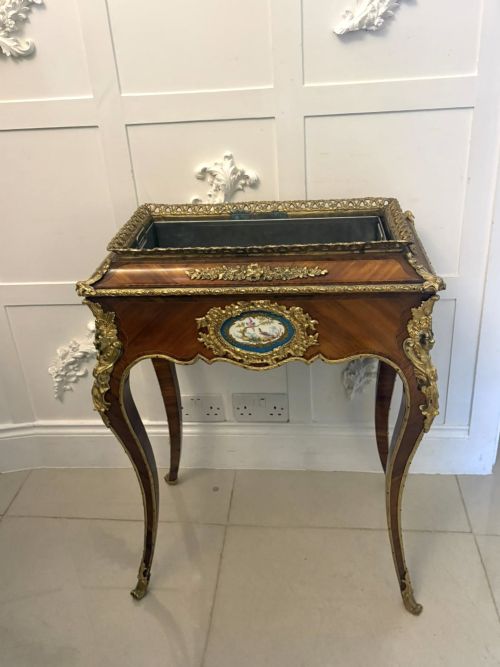
A brass mounted planter table serves as both an occasional table and a container for plants, originating mostly from nineteenth century French and Victorian workshops. Buyers searching this phrase encounter forms such as jardiniere stands, wine coolers, and side tables designed for interior display.
The most common versions on this page date from the Victorian era and the mid to late nineteenth century, often reflecting Louis XV and Napoleon III revivals. These pieces combine wood frames with metal mounts and integrated liners to hold plants or ice for wine.
Materials and construction
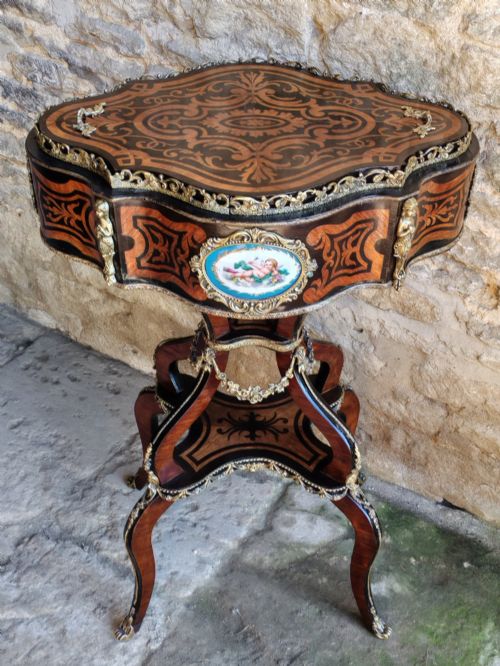
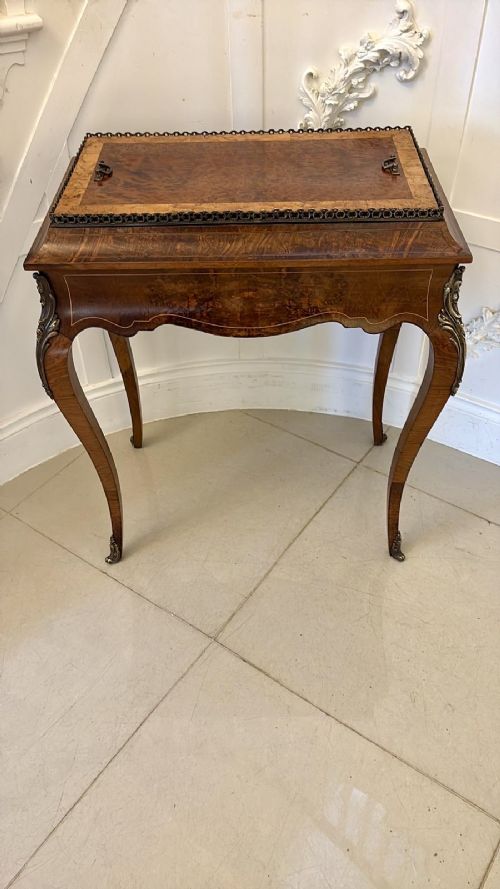
Cabinetmakers constructed these tables using rich timbers like kingwood, walnut, burr walnut, rosewood, satinwood, mahogany, and ebonized wood, frequently incorporating marquetry and inlay. Ormolu, gilt metal, and brass mounts accent the frames, adding structural edge protection and decorative detail.
Internal functionality relies on metal or zinc liners designed to hold water and soil safely within the wooden framework. Some examples incorporate porcelain plaques into the design, blending ceramic artistry with cabinetwork.
Materials appearing across current listings include ormolu, brass, kingwood, walnut, porcelain, zinc, burr walnut, rosewood, satinwood, mahogany, and ebonized wood.
Quality variations
The distinction between standard and superior pieces rests on the crispness of the brass and ormolu mounts and the precision of the marquetry. Finer examples display meticulous timber selection, such as figured burr walnut or kingwood, matched with heavy, detailed cast metalwork.
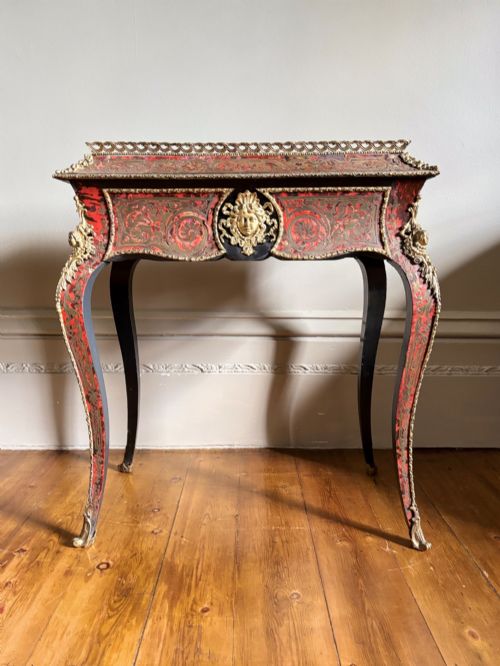
Secondary details, including the quality of the wood inlay, the finish of the internal zinc or metal liner, and the overall stability of the stand, define the tier of the piece. Tables with integrated porcelain plaques or sophisticated Boulle work occupy the upper end of the range.
The Brass Mounted Planter Table Glossary
- Jardiniere
- An ornamental pot or stand for holding plants or flowers. These items form the primary functional category for the tables listed here.
- Ormolu
- Gilded bronze used extensively for decorative mounts on nineteenth century furniture. It provides a bright golden accent against darker woods like kingwood and walnut.
- Marquetry
- Decorative veneer work forming pictures or geometric patterns using various woods. This technique decorates the top and sides of many nineteenth century planter tables.
- Kingwood
- A dense, heavily figured exotic timber prized by cabinetmakers for fine French and Victorian furniture. It appears frequently in the premium tables seen in these listings.
- Boulle
- A style of marquetry using brass and tortoiseshell inlaid into furniture surfaces. It is characteristic of the Napoleon III pieces found in nineteenth century collections.
Brass Mounted Planter Table: Frequently Asked Questions
What is a brass mounted planter table?
A brass mounted planter table is a nineteenth century occasional table featuring a built-in metal or zinc liner for displaying plants or chilling wine. These pieces combine decorative woodwork with functional waterproof interiors.
Originating largely from French and Victorian makers, they served grand interiors as both furniture and plant holders.
How were these tables used originally?
Victorians used these tables to bring living greenery into formal reception rooms without risking water damage to surrounding carpets. The fitted zinc or metal liners contained soil and moisture safely.
Secondary uses included serving as wine coolers during dining by filling the central well with ice.
How do I date a nineteenth century planter table?
Dating relies on examining the timber species, revival styles, and construction methods visible in the frame and mounts. Pieces from the mid nineteenth century often display Louis XV revival forms and rich kingwood or walnut veneers.
Later Victorian examples may incorporate ebonized finishes or distinct marquetry patterns typical of the eighteen seventies and eighties.
Can I still use these tables for real plants?
Most of these tables retain their original metal or zinc liners, which were designed to hold plants and moisture. Care must be taken to protect the surrounding wood and veneer from direct water contact.
Many owners use potted plants inside removable inner pots rather than planting directly into the historical liner.