


Vintage Indoor Planter Stand
A vintage indoor planter stand brings nature into the home through timber and metal craftsmanship designed to elevate household greenery.
Vintage Indoor Planter Stand
When you search for a vintage indoor planter stand, you encounter a variety of antique furnishings designed to hold pots, jardinières, and cachepots above the floor level. These items serve both decorative and functional roles in domestic spaces, lifting greenery to catch the light and display foliage clearly.
Makers fashioned these pieces to suit specific parlour and drawing room layouts, resulting in distinct heights and structural supports. Understanding the underlying period helps collectors match a stand to the appropriate furniture era in a room.
How they were made
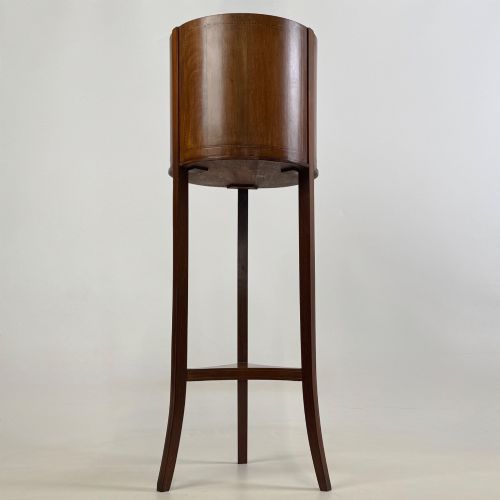
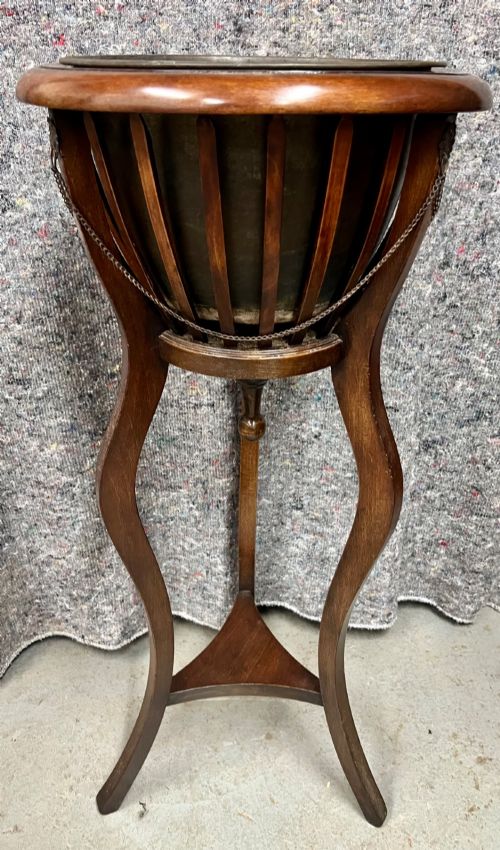
Cabinet makers utilised fine timbers such as mahogany, satinwood, walnut, and oak to construct the main bodies and legs of these stands. Inlaid details, marquetry work, and carved elements frequently embellish the woodwork on nineteenth-century and Edwardian pieces.
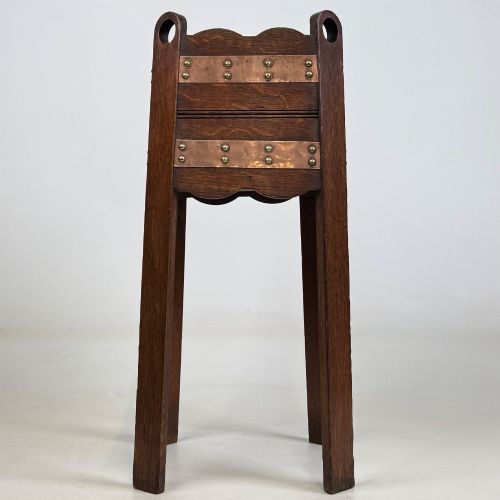
Metal components played a structural and decorative role, featuring heavily in ormolu mounts, brass banding, copper pots, and silver-plated frameworks. Coopered barrel construction also appears in oak examples, while porcelain plaques and alabaster form specialised alternatives to standard timber bowls.
Some Edwardian planters rely on coopered oak barrel construction to bring a hint of the brewhouse directly into the formal parlour.
What varies in quality
The calibre of timber preparation and the precision of decorative inlays largely distinguish superior stands from standard ones. Finely figured mahogany, satinwood, and walnut combined with crisp marquetry indicate skilled workshop production.
The integration of metal mounts, such as cast ormolu or heavy brass work, dictates the overall refinement of the piece. Well-cast mounts fit the wooden contours precisely, whereas lesser items display coarse casting and simple joinery.
Enoch Wood & Sons·Royal Worcester
The Vintage Indoor Planter Stand Glossary
- Jardiniere
- An ornamental pot or stand for holding flowers and plants. These vessels often sit within a dedicated wooden or metal frame.
- Cachepot
- A decorative flowerpot cover designed to hide a plain inner pot. They are frequently paired with dedicated stands.
- Ormolu
- Gilt bronze ornamentation applied to furniture. This technique gained widespread use in French and Victorian pieces.
- Marquetry
- Decorative patterns formed by small pieces of wood veneer fitted into a larger surface. It appears on the tops and sides of fine planters.
- Coopered
- Constructed from wooden staves bound together with metal hoops. This method replicates traditional barrel-making techniques.
Vintage Indoor Planter Stand: Frequently Asked Questions
What is a jardiniere stand?
A jardiniere stand is a dedicated piece of furniture designed to elevate a plant pot or decorative container above floor level. These stands display indoor greenery in domestic reception rooms.
They appear in various heights and timber finishes across the Georgian, Victorian, and Edwardian periods. The upper surface or fitted metal liner holds the potted plant securely.
How do I date a plant stand?
Dating relies on observing the timber types, decorative styles, and construction methods used by makers. Georgian examples often feature straightforward mahogany forms, while Victorian and Edwardian pieces incorporate rich veneers and metal mounts.
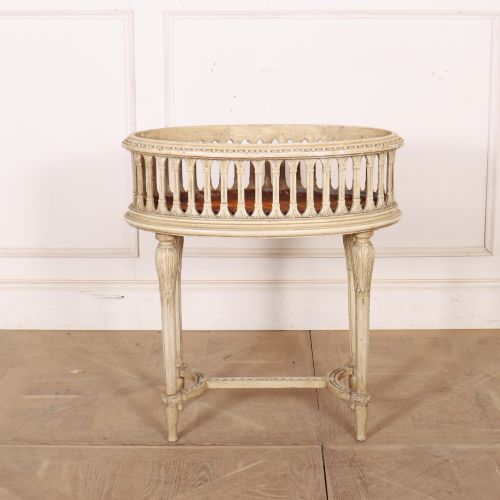
Stylistic cues such as Louis XVI revival details or Arts and Crafts copper work help pinpoint the era of manufacture. Comparing the joinery with known period furniture confirms the date range.
Where should I place an antique planter?
Antique planters look best in living areas, halls, or studies where they receive adequate natural light without direct exposure to harsh elements. Positioning them near windows or in corners creates a focal point for trailing or potted foliage.
Care must be taken to protect antique wood and metal surfaces from moisture damage by using proper waterproof liners inside the plant receptacles.
What materials were used for stands?
Cabinet makers utilised hardwoods including mahogany, oak, walnut, and satinwood for the structural frames and bodies of the stands. Metal elements such as brass, copper, and ormolu provided mounts, liners, and decorative accents.
Alternative materials like alabaster and porcelain plaques also appear on specific decorative models from the nineteenth century.