

Antique Marquetry Bookcase
When you search for an antique marquetry bookcase, you seek a storage piece defined by patterned wood veneers.
Antique Marquetry Bookcase
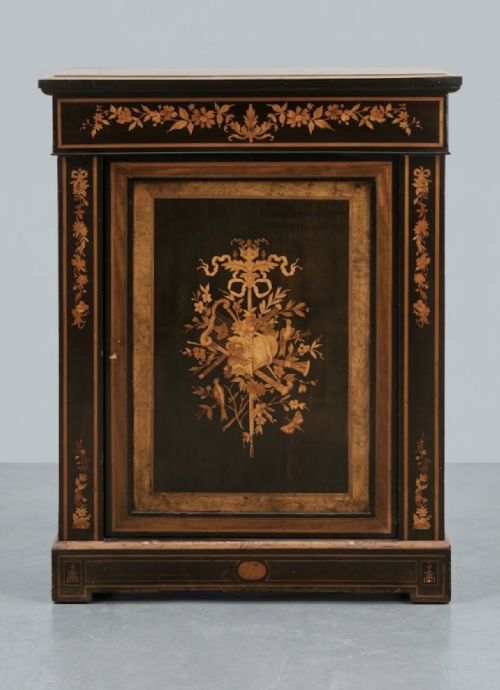
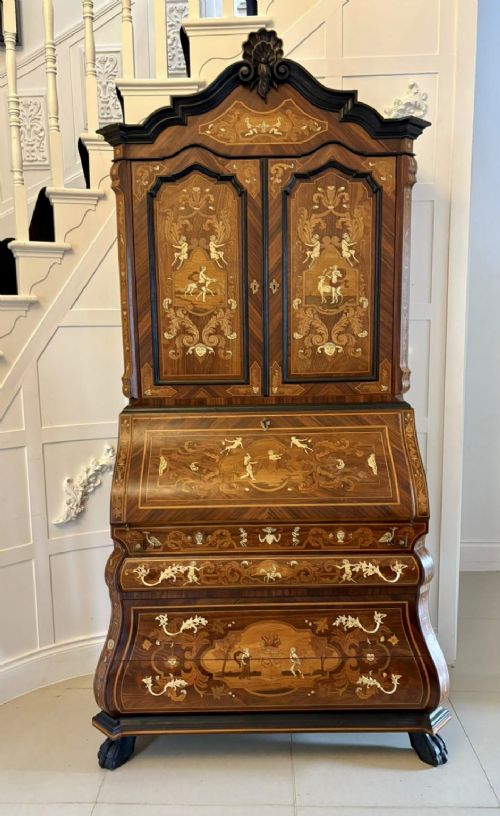
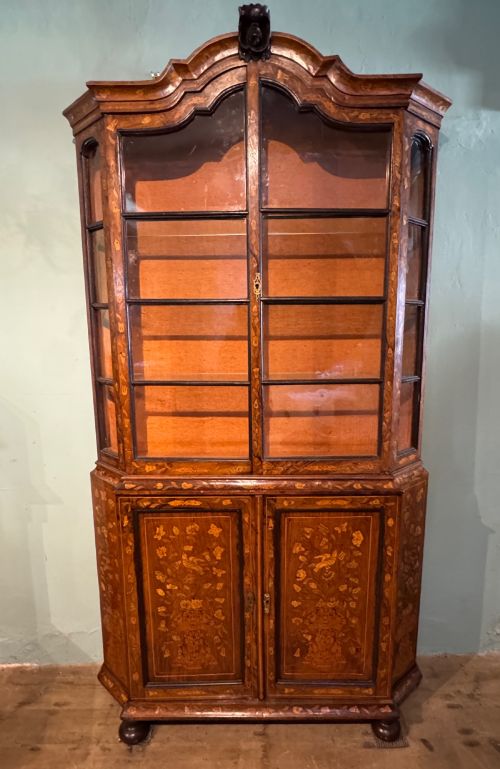
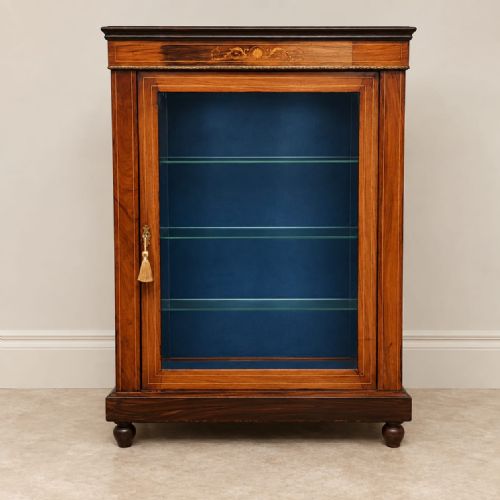
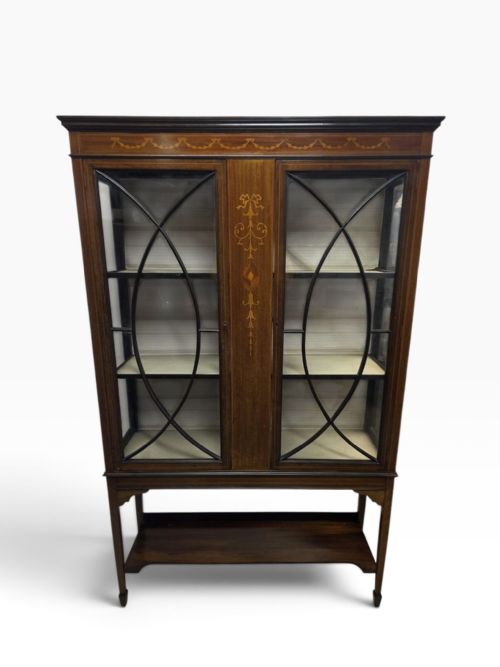
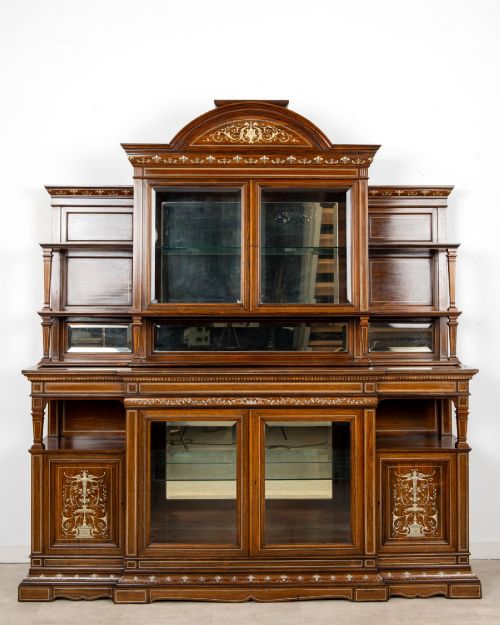
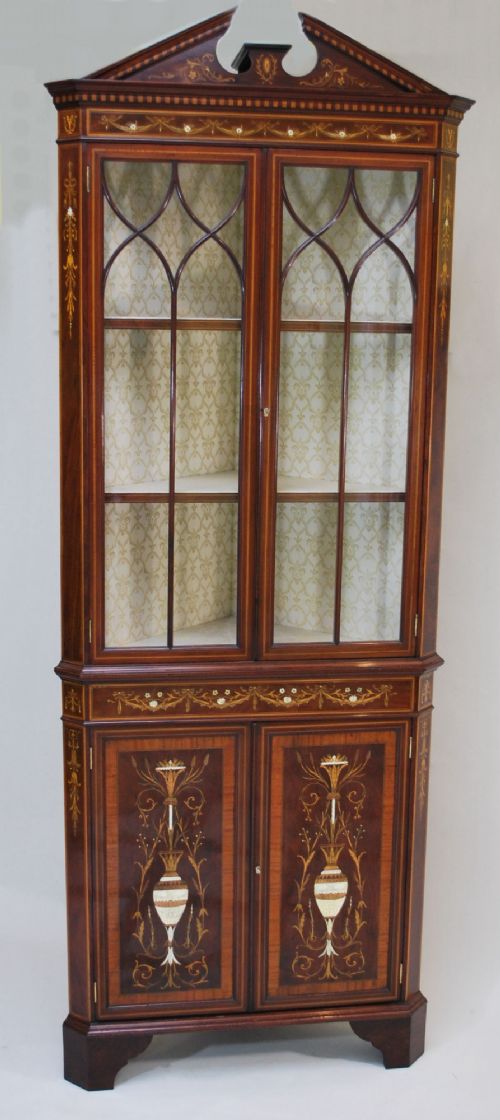
An antique marquetry bookcase combines fitted shelving with decorative wood veneers arranged in pictorial or geometric patterns. These pieces emerge predominantly from the Victorian and Edwardian periods, alongside earlier examples in regional styles such as Dutch Baroque.
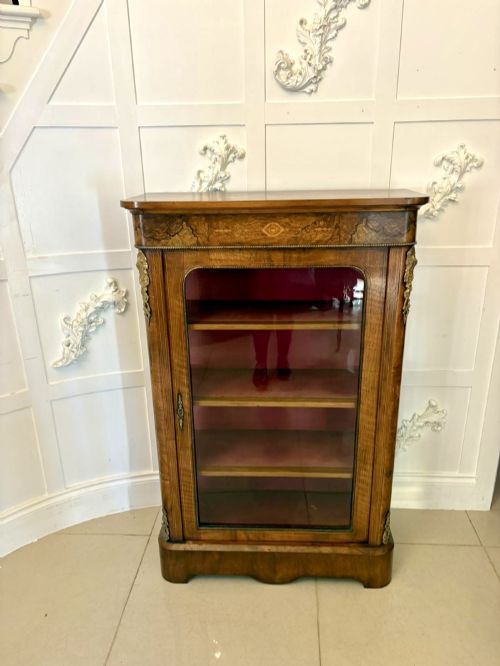
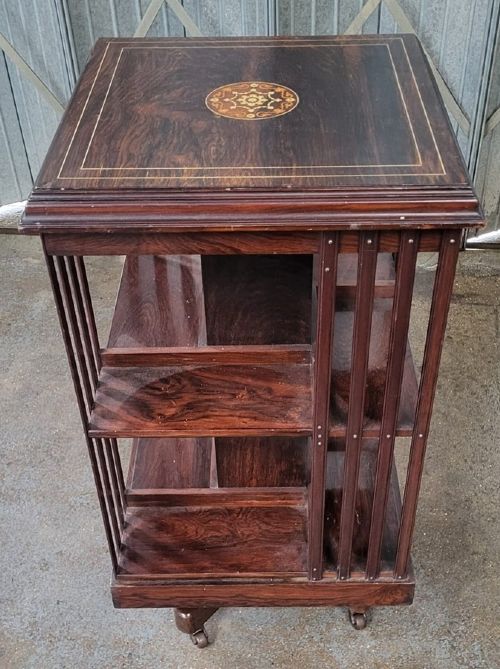
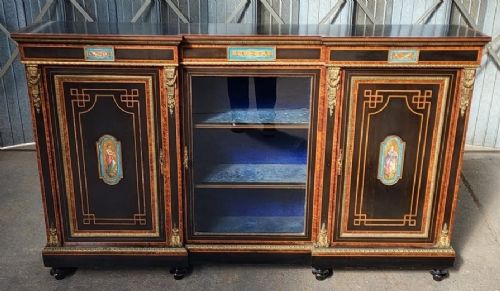
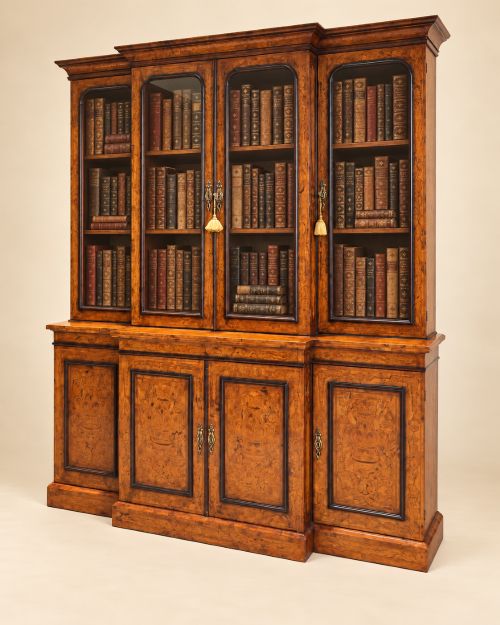
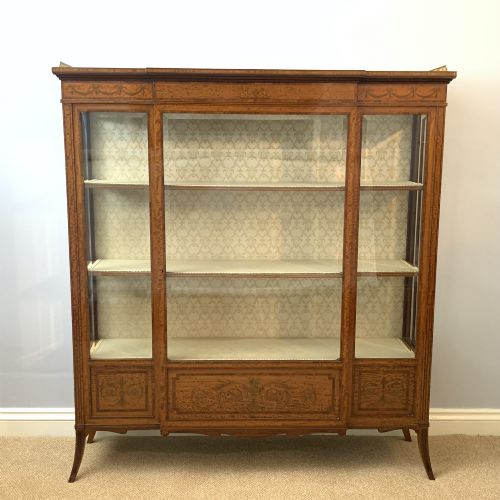
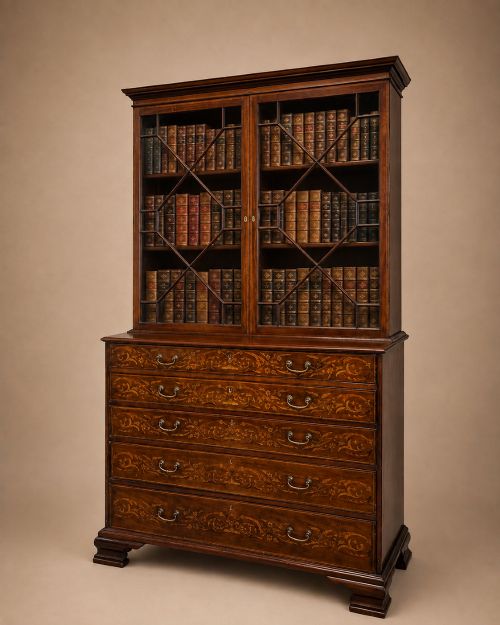
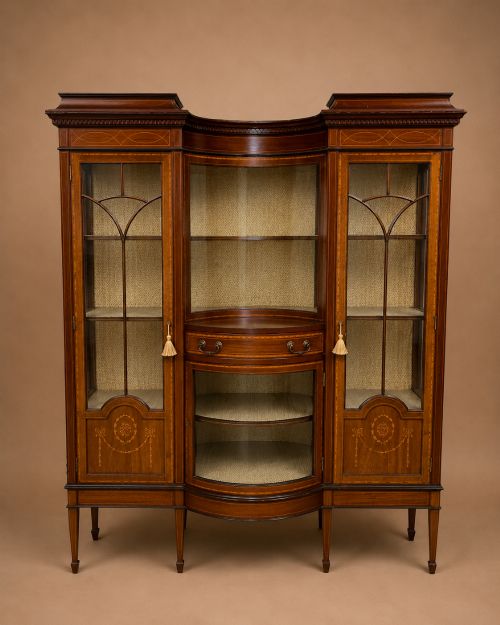
The form ranges from tall breakfront library bookcases and bureau bookcases with sloping desks to smaller glazed display cabinets and revolving pieces. Walnut, mahogany, and satinwood form the primary carcases that carry these elaborate wood inlay designs.
How they were made
Cabinet makers constructed solid carcases from timbers like mahogany and walnut, subsequently applying thin veneers of burr walnut, satinwood, and rosewood to the exterior surfaces. Marquetry motifs were created by cutting intricate pictorial designs from various contrasting woods and assembling them together before gluing them to the ground.
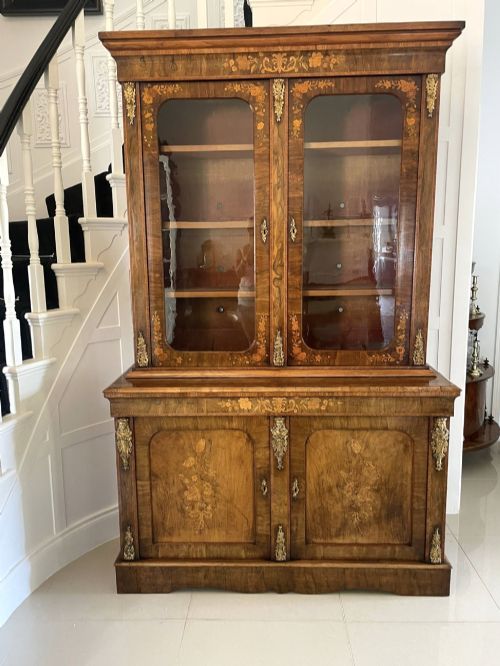
Gilt bronze or ormolu mounts, brass hardware, and glass panels frequently supplemented the veneered wooden structures, particularly on pieces produced during the nineteenth century.
Antique Marquetry Bookcase Retail Price Guide 2026
Typical asking prices for marquetry bookcase among the pieces listed under this phrase on Sellingantiques today, from the lower quarter to the upper quarter. They describe what is for sale here now, not the wider market.
Materials documented across the available items include mahogany, walnut, burr walnut, satinwood, ormolu, and brass.
What varies in quality
The standard of an antique marquetry bookcase depends largely on the precision of the veneer work and the variety of contrasting timbers utilised in the floral or geometric patterns. Finer pieces demonstrate meticulous hand-cut joinery within the inlay and employ richly figured timbers such as burr walnut.
Structural harmony also dictates distinction, where secondary woods, the weight of the bronze or ormolu mounts, and the balance of the overall cabinet proportions separate standard production from exhibition pieces.
Edwards & Roberts·Collinson & Lock·Lamb of Manchester·August Ungethüm·Maple & Co.
The Antique Marquetry Bookcase Glossary
- Marquetry
- A decorative technique where small pieces of wood veneer are assembled into pictorial designs on a carcase. It differs from inlay by covering the entire surface rather than being set into recesses.
- Ormolu
- Gilded bronze mounts applied to furniture edges and corners for decorative effect. This technique gained widespread use on nineteenth-century cabinet work.
- Burr Walnut
- Wood harvested from walnut tree growths, featuring swirling grain patterns highly prized for veneer work. Makers utilised it extensively on Victorian display furniture.
- Breakfront
- A cabinet design where the central section projects forward from the flanking wings. This architectural arrangement creates depth and visual interest on large library pieces.
- Bureau Bookcase
- A dual-purpose piece featuring a sloping writing flap above or below shelving. These items combine desk space with enclosed book storage.
Antique Marquetry Bookcase: Frequently Asked Questions
What is an antique marquetry bookcase?
An antique marquetry bookcase is a piece of furniture featuring fitted shelves for books and decorative veneer work made from contrasting wood pieces arranged in patterns. These items date primarily from the eighteenth, nineteenth, and early twentieth centuries.
Craftsmen applied these pictorial wood veneers onto carcases built from mahogany, walnut, and satinwood, often combining storage cupboards with glass-fronted display areas.
How do I date an antique bookcase?
Dating relies on examining the timber species, construction methods, and stylistic influences present in the cabinet work. Pieces from the Victorian era frequently utilise burr walnut and ormolu mounts, while Edwardian examples often feature lighter mahogany and satinwood.
Cabinet hardware, interior lining materials, and the specific type of marquetry patterns also offer clues regarding the period of manufacture.
Where should I place a bookcase?
These cabinets suit studies, libraries, and drawing rooms where controlled indoor climates protect delicate wood veneers and antique glass. Direct sunlight and proximity to heat sources should be avoided to prevent timber warping.
Freestanding and revolving models require adequate floor space to allow proper viewing of the marquetry details from multiple angles.
How do I care for wood veneer?
Maintaining veneer requires gentle dusting with a dry, soft cloth and avoiding the application of modern liquid polishes or silicone sprays. Maintaining stable humidity levels in the room prevents the wood from drying out and lifting.
Professional restoration is recommended if any small sections of the marquetry pattern begin to loosen from the carcase.