

Antique Marble Desk Ornament
An antique marble desk ornament brings solid weight and classical form to a workspace through carved stone and cast metal.
Antique Marble Desk Ornament
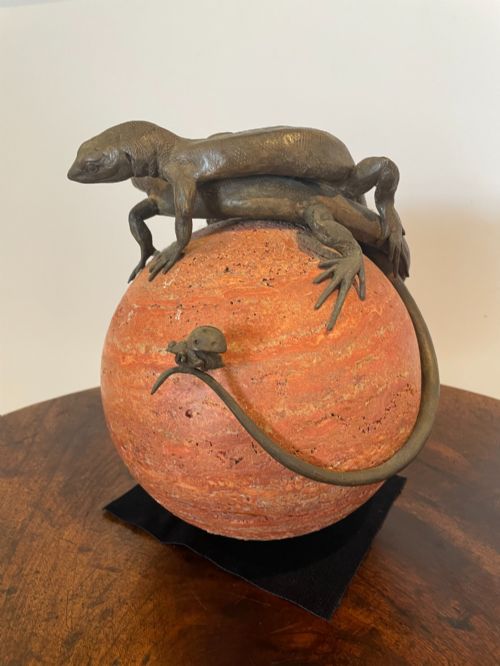
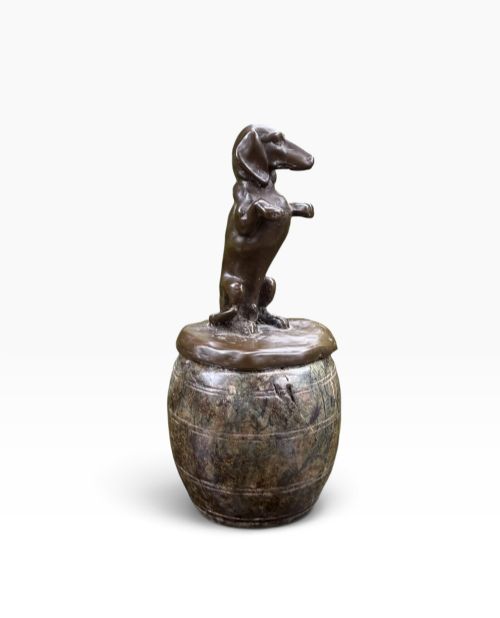
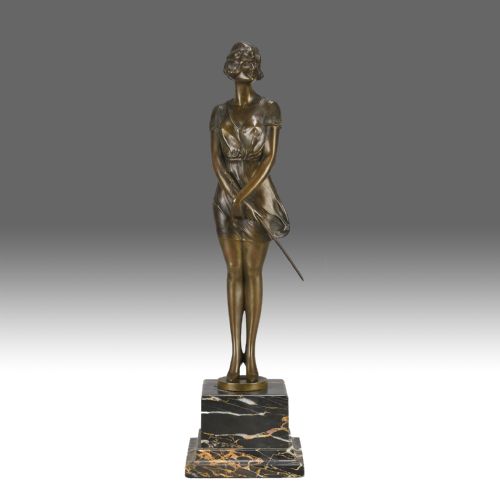
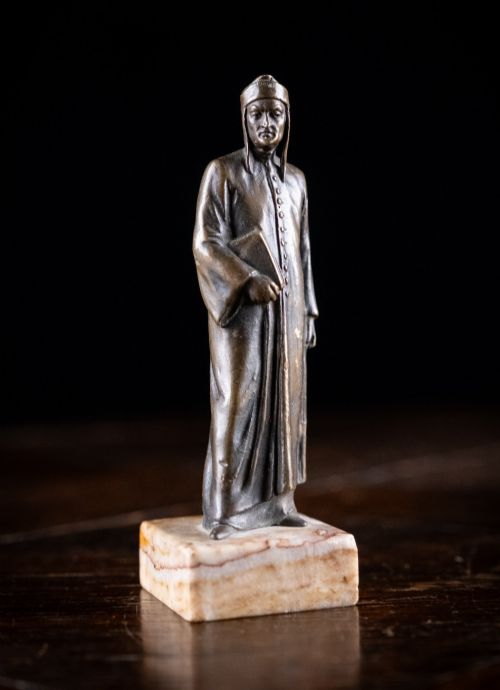
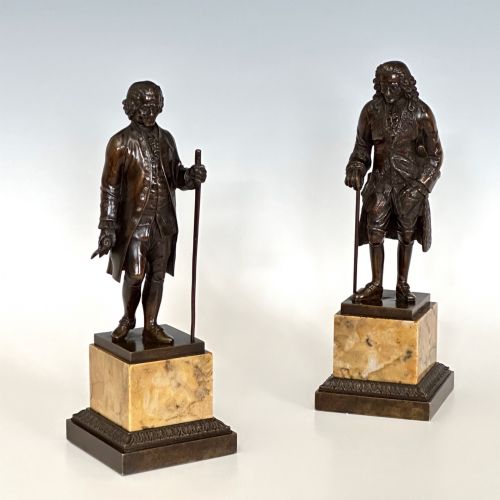
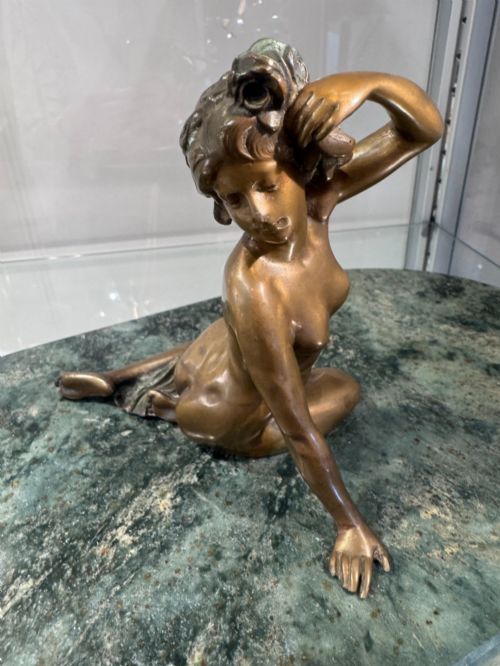
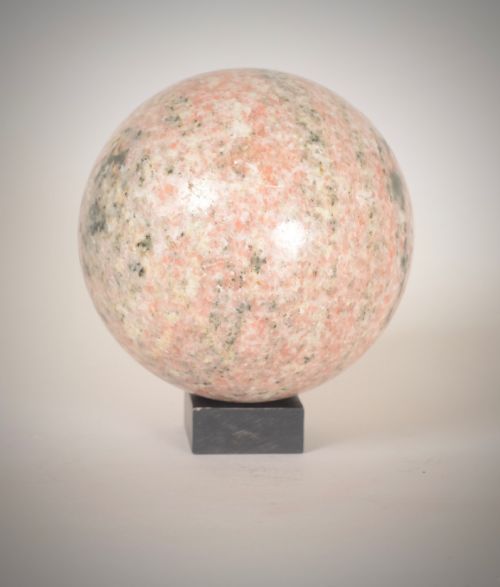
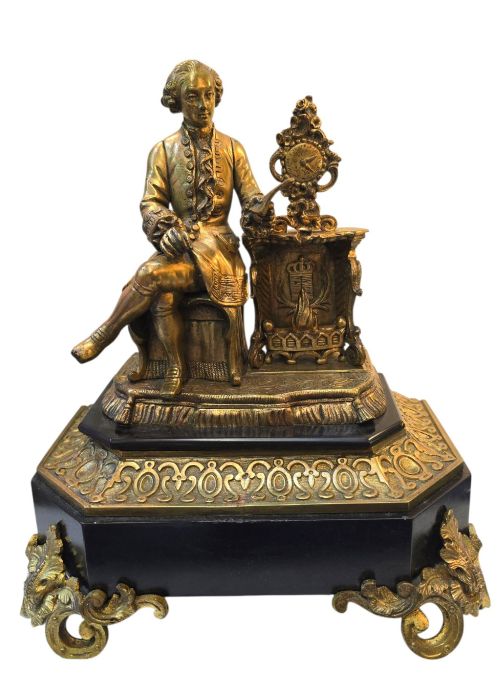
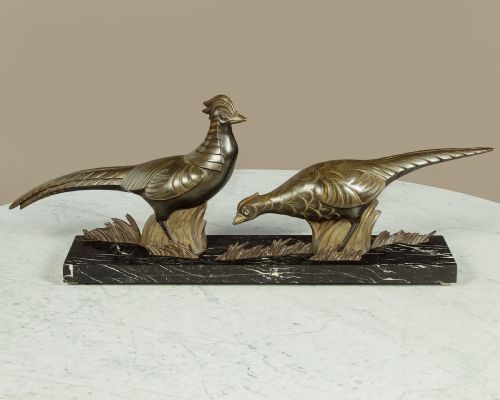
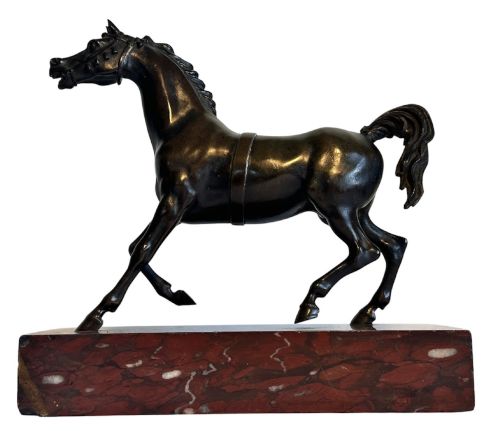
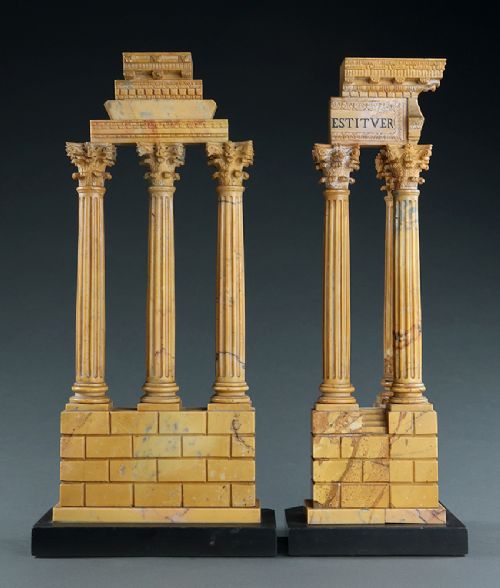
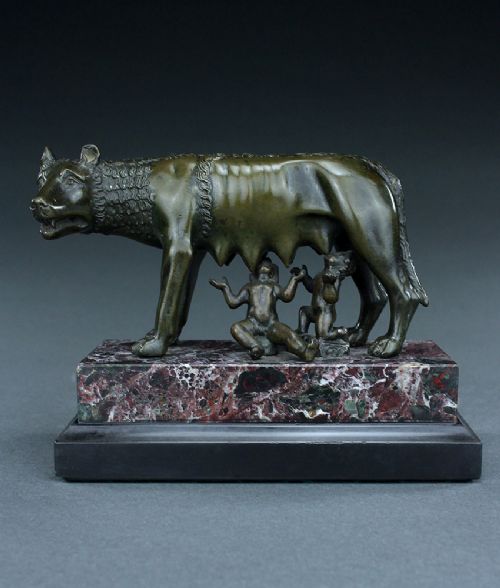
An antique marble desk ornament encompasses small sculptures, obelisks, temple models, and decorative boxes created across the nineteenth and early twentieth centuries. These pieces combine a heavy stone plinth or architectural element with detailed metal figures, animal studies, or classical motifs. The selections on this page draw heavily from Grand Tour souvenirs, French animalier bronzes, and Art Deco designs mounted firmly on stone bases.
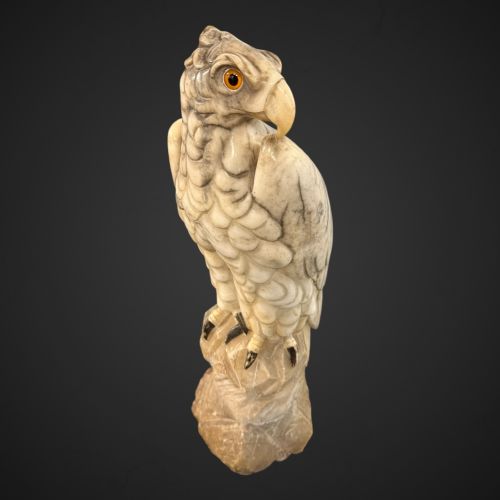
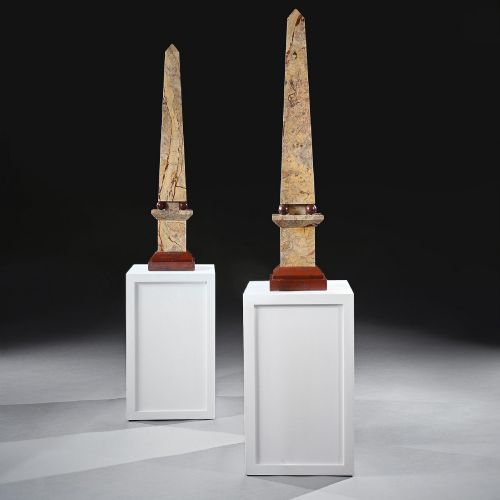
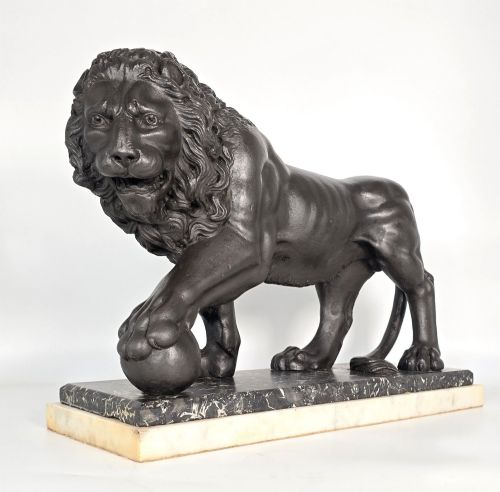
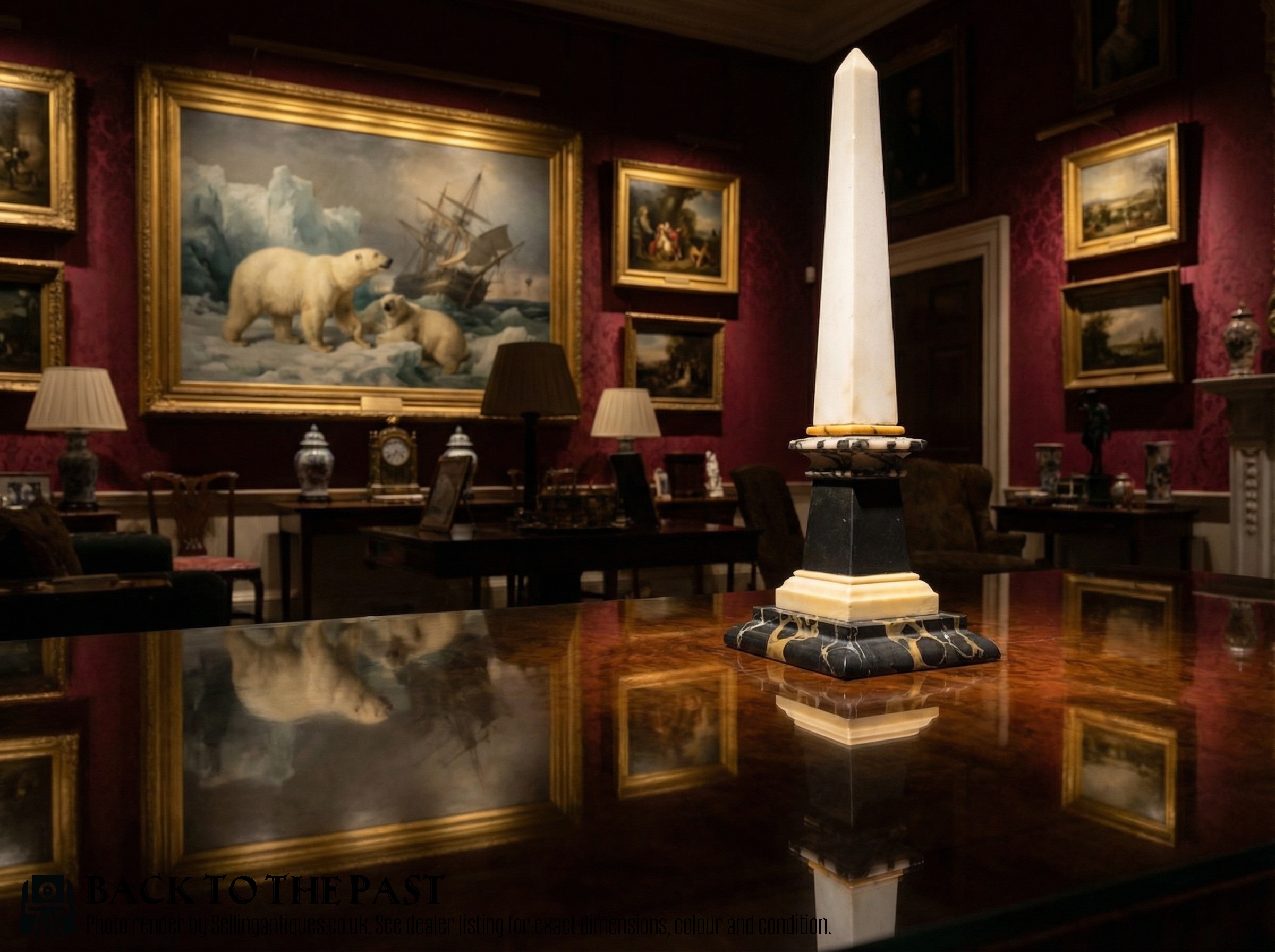
Buyers encounter distinct physical forms when searching for this category, ranging from modest bronze animals atop rectangular black marble slabs to monumental pairs of specimen marble obelisks. Figures of lions, birds, and historical personages frequently stand against contrasting backgrounds of Siena marble, onyx, or green Egyptian stone. Many items function as functional paperweights or purely decorative objects designed to anchor a desk top.
Materials and methods
The construction of an antique marble desk ornament relies on the pairing of dense stone with cast metal. Workshops utilised natural stones such as Carrara, Rosso Antico, Portasanta, and black marble, often turning and polishing them into columns, obelisks, or rectangular bases. These plinths provide the stable foundation required to support heavier metal elements.
Metal components were produced using the lost-wax method for bronze casting, or through the shaping of gilt bronze, ormolu, patinated metal, and occasionally spelter. Foundries finished these casts with fine chiselling and patination before mounting the figures securely onto the prepared stone bases using threaded pins or adhesives.
Antique Marble Desk Ornament Retail Price Guide 2026
Typical asking prices for marble desk ornament among the pieces listed under this phrase on Sellingantiques today, from the lower quarter to the upper quarter. They describe what is for sale here now, not the wider market.
Object forms in the current selection range from animalier bronzes of dogs and birds to architectural Grand Tour obelisks and temples.
Factors of quality
Quality in these pieces rests upon the crispness of the metal cast and the selection of the stone. Superior bronzes display sharp anatomical details, clean chasing, and subtle patination that reveal the hand of a skilled founder. Finer stone bases show rich natural veining, precise geometric cuts, and an even, hand-polished surface without excessive filler.
The overall harmony between the metal subject and the marble plinth dictates the success of the object. Masterworks achieve a balanced proportion where the weight and colour of the stone complement the dynamic posture of the figure above, rather than overpowering it.
Bruno Zach·Georges Van Der Straeten·H. Chiparus·Clovis Masson·Emile Guillemin
The Antique Marble Desk Ornament Glossary
- Grand Tour
- A nineteenth-century tradition where wealthy travellers collected classical antiquities and architectural models across Italy. These souvenirs form a large portion of stone and bronze desk pieces.
- Animalier
- A nineteenth-century artistic movement focused on the realistic depiction of animals. Sculptors in this style captured creatures in motion, frequently mounted on stone bases.
- Ormolu
- Gilded bronze produced by applying a mercury and gold amalgam to a bronze base and heating it. This technique creates a rich, lasting golden surface.
- Specimen marble
- Stonework composed of multiple varieties of coloured marble assembled into geometric patterns or architectural shapes. Obelisks and caskets often utilise this technique.
- Spelter
- An alloy of zinc and lead used as a cheaper alternative to bronze for metal figures. It takes patination well but is softer and lighter than bronze.
Antique Marble Desk Ornament: Frequently Asked Questions
How do I date a marble desk piece?
Dating relies on stylistic clues, casting techniques, and the type of marble used in the construction. Pieces from the mid-nineteenth century often reflect classical Grand Tour themes, while those from the 1920s and 1930s exhibit distinct Art Deco geometric lines.
Examining the metal patina and the underside of the stone base can also reveal age-related wear patterns typical of historical workshop production.
Are these objects heavy?
Most pieces possess significant weight due to the dense nature of materials like marble, onyx, and bronze. This heft made them suitable for anchoring loose papers on a desk.
Buyers should ensure the supporting surface is sturdy enough to hold the combined weight of the stone plinth and metal sculpture.
How do I care for antique marble and bronze?
Maintenance requires gentle dusting with a soft, dry cloth to prevent the accumulation of debris in the crevices of the bronze or the polished stone. Water and chemical cleaners should be avoided, as they can strip historical patinas or stain porous marble.
Keeping the pieces out of direct sunlight and maintaining stable indoor humidity protects both the stone surfaces and the metal finishes from gradual degradation.