





Classical Stone Column
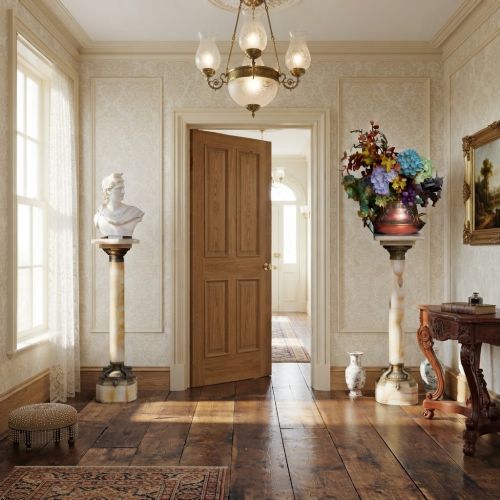
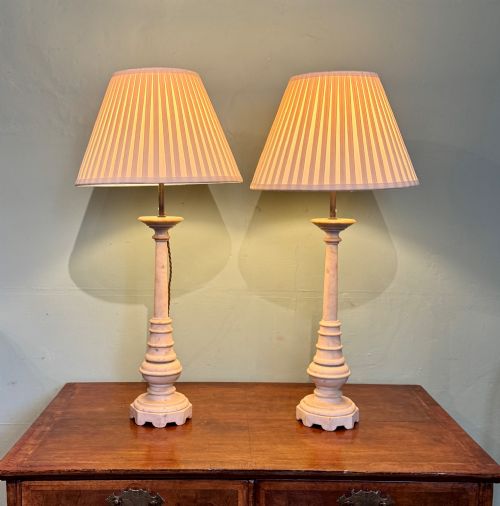
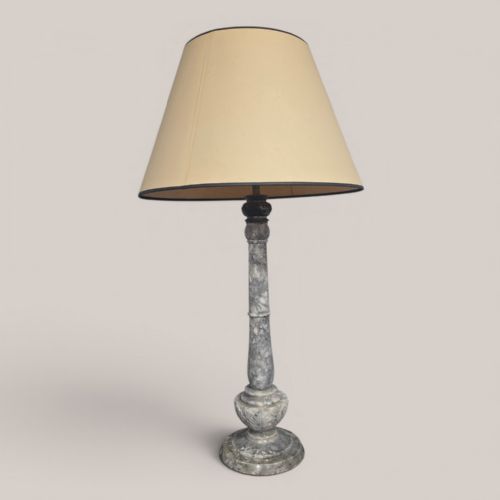
A classical stone column brings architectural structure and refined neoclassical design into an interior, taking the form of pedestals, table lamps, and architectural capitals.
Classical Stone Column
A classical stone column encompasses architectural salvage, pedestals, table lamps, and garden statuary rooted in neoclassical, Victorian, and Grand Tour traditions. These items emerge from the nineteenth century up through the mid twentieth century, reflecting enduring antique styles.
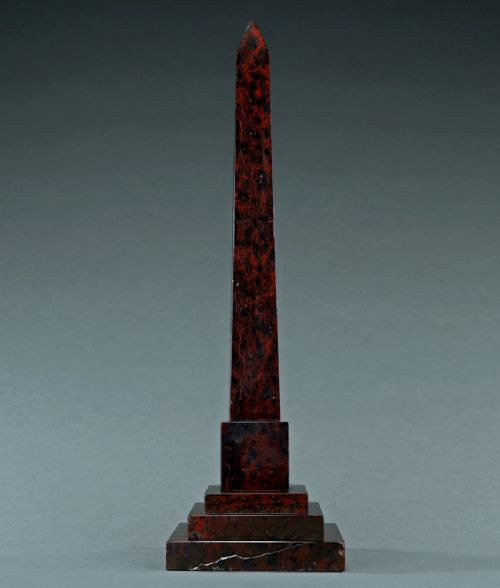
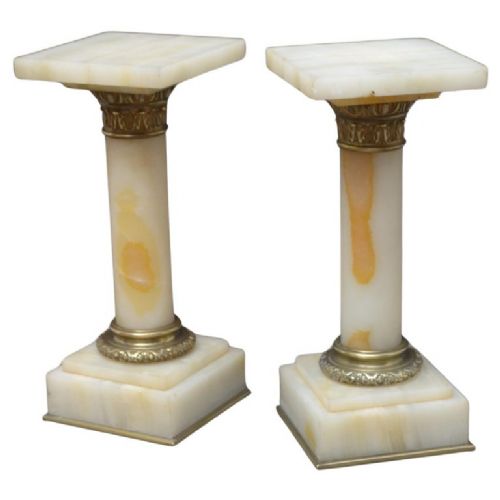
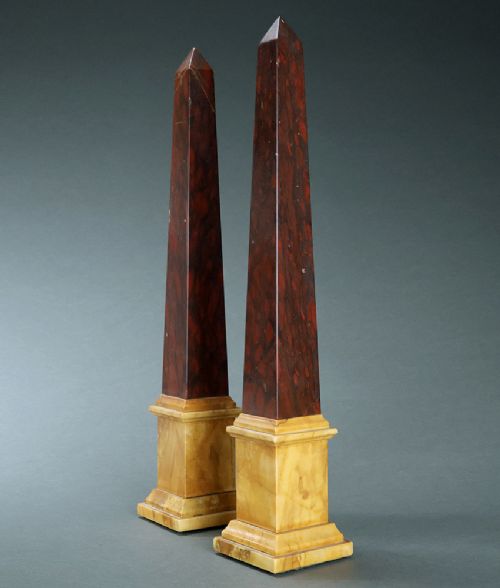
The versions most commonly met on this page include marble columns, alabaster table lamps, and carved stone pedestals. Many pieces incorporate brass or ormolu mounts alongside variegated green, white, or red serpentine marble.
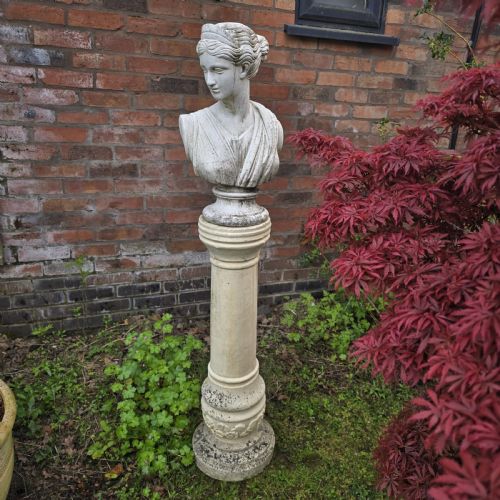
Makers and sculptors occasionally signed these works, yielding figural lamps and marble busts on plinths alongside utilitarian torchere stands and mantel clocks.
How they were made
Craftsmen utilised natural materials such as marble, alabaster, onyx, limestone, and stone, turning or carving them into cylindrical shafts and decorative capitals. Secondary materials like brass and ormolu provide collars and mounts.
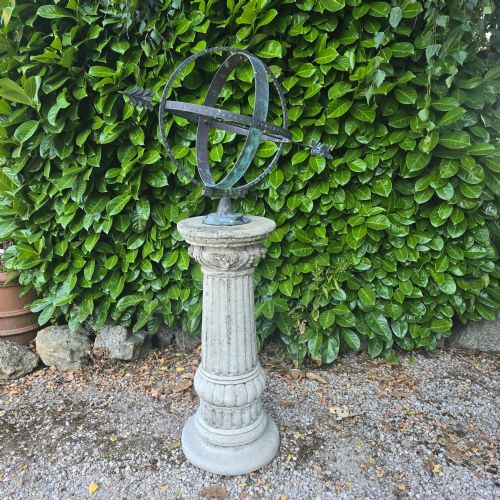
Techniques range from hand-carved architectural capitals and statuary pedestals to polished stone table lamp bases and scagliola surfaces. Weathering agents affect outdoor garden pieces like armillary sphere sundials and stone pedestals over decades.
Napoleon Bonaparte watches silently over the collection from his own dedicated marble bust and pedestal.
What varies in quality
The distinction between tiers rests upon the choice of material, from standard reconstituted stone up to fine Italian Carrara marble, Verde Antico, and translucent alabaster. Finer specimens display superior geological figuring and depth of colour.
Execution of detail separates ordinary works from exceptional ones, particularly in the crispness of carved Corinthian or Ionic capitals and the precision of ormolu mounts. Scale and proportion also dictate distinction, with large architectural columns and tall pedestals commanding greater presence.
Philippes Paris·Eduardo Giolli
The Classical Stone Column Glossary
- Neoclassical
- A style reviving the architectural and artistic forms of ancient Greece and Rome. It dominates the design of many nineteenth-century pedestals and columns.
- Alabaster
- A fine-grained, translucent stone utilised for carved plant stands and figural table lamps. It admits light softly when used in lighting.
- Capital
- The topmost member of a column, supporting the entablature. Examples appear in carved stone and feature Corinthian or Ionic orders.
- Torchere
- A tall stand or candlestick originally designed to hold a torch. On this page, the term describes marble torchere and plinth combinations.
- Scagliola
- A composite material made from selenite, glue, and pigments, mimicking natural marble. It appears on large square pedestals.
Classical Stone Column: Frequently Asked Questions
What periods do these columns represent?
The pieces span the nineteenth century and the early twentieth century, encompassing Victorian creations, Grand Tour souvenirs, and mid-century items from the 1920s, 1930s, and 1950s.
Stylistic influences draw heavily upon classical antiquity, the Neoclassical Revival, and French Chateau aesthetics.
How were marble columns used originally?
Architectural columns supported structural loads in buildings, while decorative counterparts functioned as pedestals for busts, tazzas, and garden statuary.
Smaller iterations served as lamp bases, torchere stands, and mantel clock supports within formal interiors.
Are these pieces suitable for outdoor use?
Certain items, including weathered armillary sphere sundials, garden statues, and stone pedestals, are specifically designed to withstand exterior environments.
Interior items like alabaster lamps and onyx pedestals utilise softer materials that require indoor placement away from moisture.
What materials appear most frequently?
Natural stone dominates the inventory, featuring various types of marble such as Carrara, Verde Antico, and Arabescato, alongside onyx and alabaster.
Metals like brass and ormolu provide structural mounts and decorative collars, while scagliola offers an alternative composite surface.
How do I identify a Corinthian capital?
A Corinthian capital is distinguished by ornate carvings featuring acanthus leaves and scrolls near the top of the column shaft.
This classical order appears on carved stone architectural capitals and various tall pedestals listed across the inventory.