


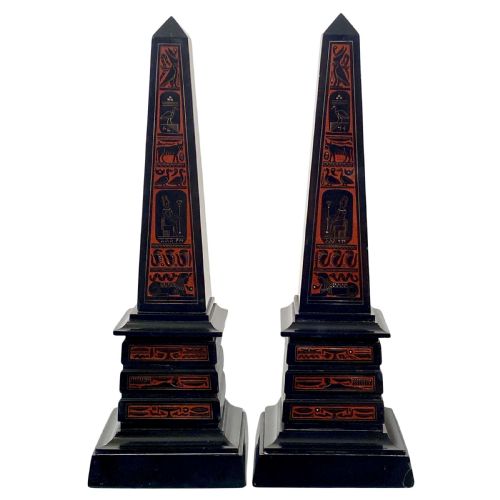


Victorian Marble Ornament
A victorian marble ornament brings the weight of nineteenth century stone and cast bronze into a room.
Victorian Marble Ornament
A victorian marble ornament encompasses heavy desk pieces, obelisks, tazzas, and animalier sculptures mounted on stone bases. These decorative objects emerge from nineteenth century ateliers catering to collectors returning from continental travels.
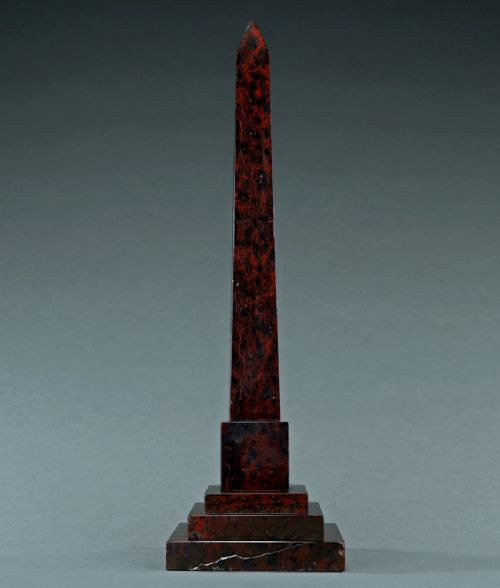
The version most commonly met on this page is the decorative obelisk or desk paperweight constructed from Ashford black marble, red serpentine, or rouge griotte. These items often incorporate inlaid micro-mosaic panels or gilt bronze mounts.
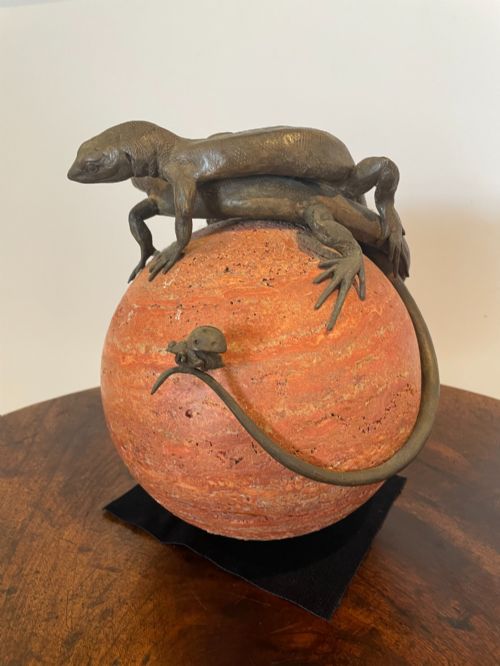
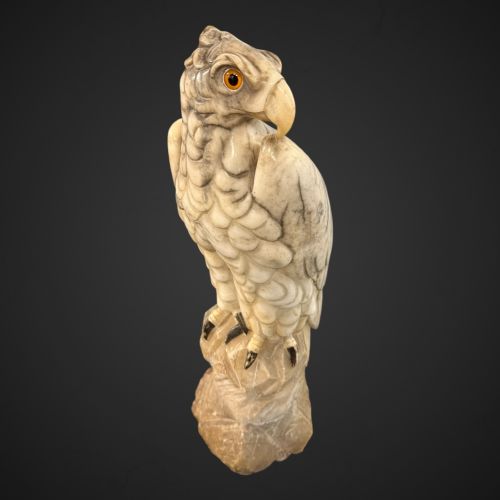
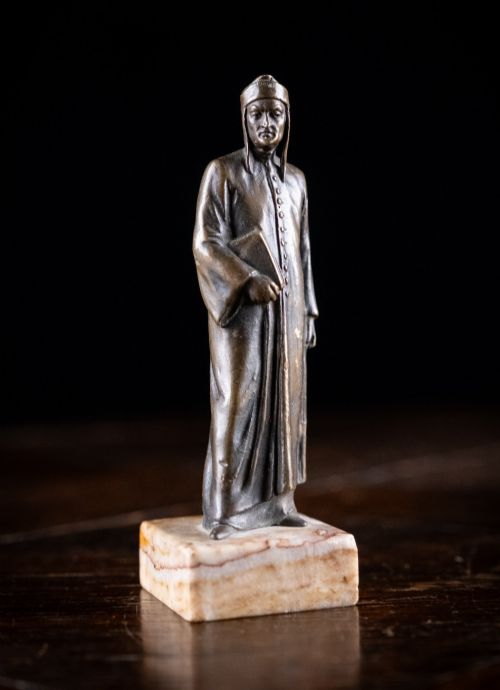
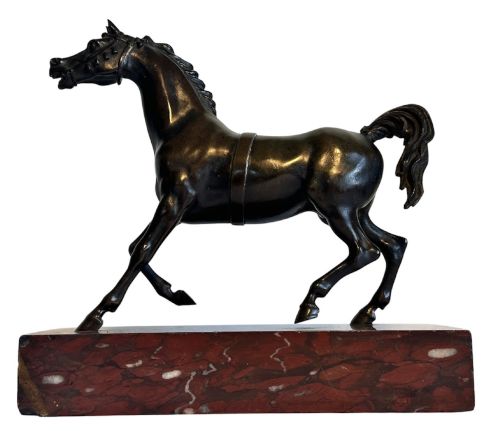
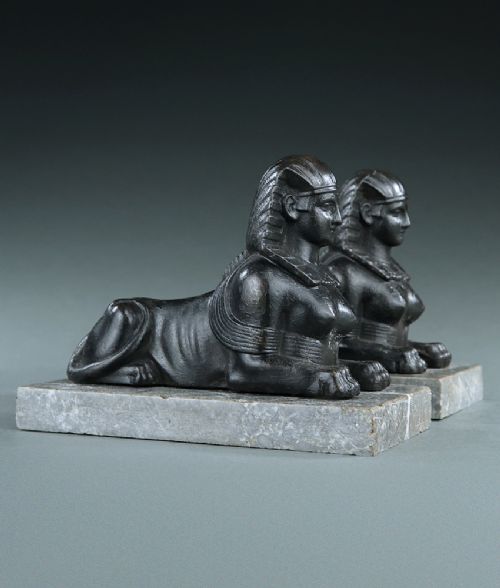
Sculptural figures and animal studies also dominate the selection, pairing patinated bronze lizards, sighthounds, and classical busts with solid marble plinths. Such works reflect the neoclassical and Egyptian revival tastes of the period.
Materials and construction
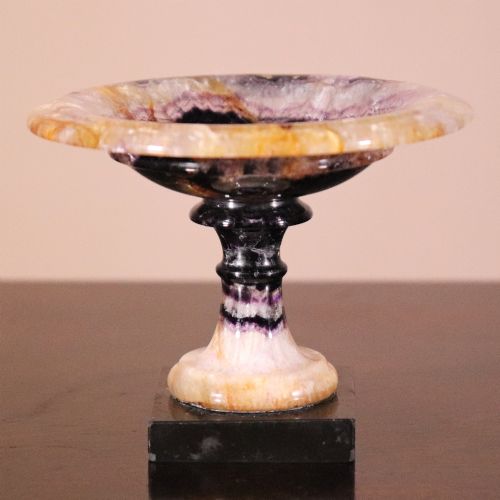
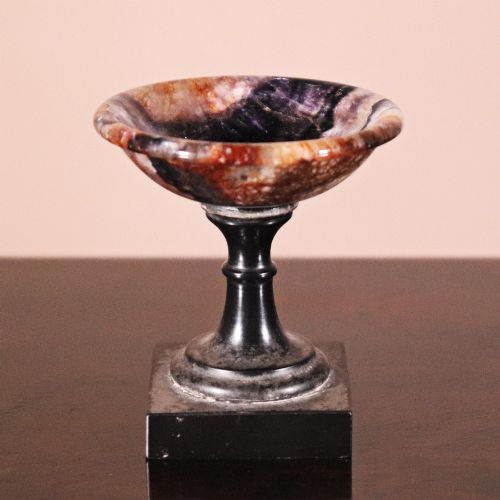
The fabrication relies on turning, carving, and polishing dense stones such as Carrara marble, Blue John, and Ashford black marble. Artisans shaped these hard materials into architectural forms like obelisks and urns using specialised cutting benches.
Metal components, including bronze figures, sphinxes, and inkwells, utilise traditional lost-wax or sand casting techniques before receiving a hand-patinated finish. These metallic elements are then mechanically secured to the stone bases.
Inlay work involves setting thin slices of malachite and various coloured marbles into stone matrices using precise hand-cut recesses. This pietra dura technique requires extreme patience to achieve flush, seamless surfaces.
Common forms in the evidence include obelisks, tazzas, inkwells, desk paperweights, and animalier sculptures.
Assessing quality
The distinction between ordinary and exceptional pieces lies in the precision of the stone cutting and the sharpness of the bronze casting. Finer obelisks feature crisp, symmetrical geometric angles and unblemished polish across the entire mineral surface.
Inlaid items are judged by the tightness of the mosaic joints and the variety of specimen marbles utilised. Superior examples show no visible gaps between the inlaid stones and the surrounding black marble ground.
The artistic merit of the mounted bronze figures dictates the upper tier of the range, with hand-chased details in the hair and drapery separating master models from mass-produced souvenirs.
Pierre Jules Mene·Selim Bright·Carl Kauba·Copeland
The Victorian Marble Ornament Glossary
- Ashford Black Marble
- A dark limestone from Derbyshire that takes a high black polish and serves as the base for local inlay work. It forms the foundation of many nineteenth century obelisks and desk thermometers.
- Pietra Dura
- An artistic technique using inlaid cut and fitted polished coloured stones to create pictorial designs. This method appears on specimen marble desk pieces and paperweights.
- Grand Tour
- A cultural journey of Europe undertaken by wealthy young men to absorb classical art and antiquity. Souvenirs from these travels included bronze sculptures and marble architectural models.
- Animalier
- A nineteenth century sculptural style focusing on the realistic depiction of animals in motion or repose. These figures were frequently mounted upon heavy marble plinths.
- Rouge Griotte
- A deep red mottled limestone with white calcite veins quarried in France. It provides a rich contrasting colour for obelisk bases and tazzas.
Victorian Marble Ornament: Frequently Asked Questions
What is a Victorian marble ornament?
A victorian marble ornament is a decorative nineteenth century object carved from stone, frequently combined with cast bronze elements. These pieces range from architectural obelisks and desk paperweights to animalier sculptures and tazzas.
Craftsmen across Europe produced them as both decorative desk furnishings and souvenirs of continental travel. They utilise dense minerals like Carrara marble, Blue John, and Ashford black marble.
How were marble obelisks used?
Marble obelisks served primarily as decorative desk pieces, mantle ornaments, and paperweights in nineteenth century studies and drawing rooms. Their imposing stone forms reflected a Victorian fascination with ancient Egyptian and classical architecture.
Some examples also incorporated functional instruments, such as thermometers mounted directly onto the polished black marble shafts.
How do I care for marble and bronze?
Dust these objects regularly with a soft, dry cloth to prevent particulate accumulation on the polished stone and patinated metal surfaces. Avoid using household chemical cleaners, abrasives, or excessive water, which can damage the stone polish and bronze patination.
Keep the pieces away from direct heat sources and drastic humidity changes to protect inlaid micro-mosaic panels and stone joints.
How can I tell the period?
Dating relies on stylistic markers such as Egyptian revival motifs, Grand Tour souvenir characteristics, and specific manufacturing methods like sand casting in bronze. The choice of materials, including Derbyshire Ashford black marble and specific Victorian bronzes, also helps anchor pieces to the nineteenth century.
Inscribed signatures or attributions on the bronze bases or marble plinths provide further confirmation of nineteenth century origin.